Introduction:
Essential oil laundry detergent is becoming a popular choice for people who want clean clothes without harsh chemicals. It offers a natural way to wash laundry while adding a fresh and long-lasting scent. Many households now prefer this method because it is simple, effective, and eco-friendly.
In this complete guide, you will learn how essential oil laundry detergent works, why it is better than traditional options, and how you can make it at home. We will also explore the best oils, smart usage tips, and powerful DIY recipes. Whether you want a non toxic essential oils for laundry solution or a strong laundry essential oil blend recipe, this article covers everything in a clear and practical way.
Why Use Essential Oil Laundry Detergent and Does It Really Work?
Using essential oil laundry detergent is not just a trend. It is a practical solution for people who want safer and more natural cleaning options. Many chemical detergents contain artificial fragrances and harsh ingredients that may irritate skin or harm the environment. In contrast, essential oils provide both cleaning support and a refreshing scent.
The real question is whether it actually works. The answer is yes, but with the right method. Essential oils do not replace the cleaning base of detergent. Instead, they enhance it. When combined with proper ingredients, they improve freshness, fight odor, and even add mild antibacterial benefits.
Another reason people switch to best essential oil laundry detergent solutions is control. You can choose your own oils, adjust the scent, and avoid harmful additives. This makes it a flexible and personalized option for every home.
Benefits of Essential Oil Laundry Detergent for Clothes
One of the biggest advantages of essential oil laundry detergent is how gentle it is on clothes. Unlike chemical detergents, it does not damage fabric fibers over time. This helps your clothes last longer and stay soft.
Another key benefit is natural fragrance. Essential oils provide a fresh scent without synthetic perfumes. For example, lavender gives a calming smell, while lemon offers a clean and crisp feel. These scents feel more natural and less overpowering.
It also supports people with sensitive skin. Many traditional detergents leave residues that cause irritation. Using non toxic essential oils for laundry reduces this risk and keeps your clothes skin-friendly.
In addition, essential oils can help reduce odor-causing bacteria. This makes them useful for gym clothes, towels, and everyday wear. Overall, the essential oil laundry detergent benefits go beyond just cleaning.
Essential Oil Laundry Detergent vs Chemical Detergents
When comparing essential oil laundry detergent with chemical detergents, the difference is clear. Chemical detergents focus on strong cleaning power but often include sulfates, artificial fragrances, and preservatives.
On the other hand, essential oil-based options focus on safety and sustainability. They use natural ingredients and avoid harmful chemicals. This makes them a better choice for long-term use.
Another difference is environmental impact. Chemical detergents can release pollutants into water systems. Essential oil detergents break down more easily and are safer for nature.
However, chemical detergents may work faster on very tough stains. This is why many people use a balanced approach by combining natural ingredients with essential oils. This way, you get both cleaning power and safety.
Does Essential Oil Laundry Detergent Effectively Clean Clothes?
Yes, essential oil laundry detergent can clean clothes effectively when used correctly. The key is to understand that essential oils are not the main cleaning agents. They support the detergent by improving scent and adding mild antibacterial properties.
For proper cleaning, you need a good base like soap flakes, baking soda, or washing soda. When you combine these with essential oils, you get a powerful and natural cleaning solution.
Essential oils like tea tree and eucalyptus are known for their antibacterial qualities. They help remove odor and keep clothes fresh. This makes them useful for daily laundry needs.
If you are expecting heavy-duty stain removal, you may need additional boosters. But for regular washing, a well-made essential oil laundry detergent recipe works very well.
Environmental Impact of Essential Oil Laundry Detergent
One of the strongest reasons to choose essential oil laundry detergent is its eco-friendly nature. Traditional detergents often contain chemicals that harm aquatic life and pollute water systems.
In contrast, natural ingredients used in essential oil detergents break down more easily. This reduces environmental damage and supports a healthier ecosystem.
Another benefit is reduced plastic waste. Many people who use DIY essential oil laundry detergent ingredients store them in reusable containers. This small step can make a big difference over time.
Also, essential oils are derived from plants, making them a renewable resource when sourced responsibly. This adds to their sustainability value.
Choosing this method is not just good for your clothes. It is also a smart step toward protecting the environment.
Best Essential Oils for Laundry Detergent
Choosing the right oils is the key to making an effective essential oil laundry detergent. Not all oils work the same way. Some provide a fresh scent, while others offer antibacterial or deodorizing benefits. When you combine the right oils, you can create the best essential oil laundry detergent for your needs.
The ideal approach is to use oils that not only smell good but also support cleaning. This is why many people follow a laundry essential oil blend recipe to get balanced results. You can mix calming, refreshing, and antibacterial oils to improve both performance and fragrance.
Below are the most effective options you can use.
Lavender for Fresh and Calming Laundry
Lavender is one of the most popular choices in essential oil laundry detergent. It has a soft, calming scent that many people love. This makes it perfect for everyday clothing, bedsheets, and towels.
Besides fragrance, lavender also has mild antibacterial properties. It helps reduce odor and keeps clothes smelling fresh for a longer time. This is why it is often used in non toxic essential oils for laundry solutions.
Another benefit is that lavender is gentle on sensitive skin. If you are looking for a safe and relaxing option, this oil is a great choice.
Lemon for Deep Cleaning and Bright Scent
Lemon essential oil brings a clean and refreshing scent to your laundry routine. It is especially useful for removing strong odors from clothes.
This oil also works as a natural degreaser. It helps break down oils and stains, making it ideal for kitchen towels or heavily used fabrics. Many people include lemon in their essential oil laundry detergent recipe for better cleaning results.
Its bright fragrance gives clothes a crisp and fresh feel, which is perfect for daily wear.
Tea Tree for Antibacterial Protection
Tea tree oil is known for its strong antibacterial and antifungal properties. Adding it to your detergent helps kill odor-causing bacteria.
This makes it a great choice for gym clothes, socks, and items that need deep cleaning. It is often included in the best essential oil laundry detergent blends for hygiene purposes.
Although its scent is slightly medicinal, you can mix it with lavender or lemon to create a balanced fragrance.
Eucalyptus for Odor Removal and Freshness
Eucalyptus oil provides a fresh and cooling scent. It works well for removing stubborn odors from clothes.
This oil also has antibacterial properties, making it useful for fabrics that need extra care. Many people use it in laundry essential oil blend recipes for a strong and refreshing finish.
Eucalyptus is especially effective for towels and sportswear, where odor control is important.
Peppermint for a Cool and Clean Scent
Peppermint oil adds a sharp and energizing scent to your laundry. It gives clothes a cool and refreshing smell that feels very clean.
It also helps with odor control and can slightly repel bacteria. This makes it a good addition to blends designed for activewear.
However, peppermint is strong, so you should use it in small amounts. Mixing it with softer oils like lavender creates a balanced and pleasant result.
Other Essential Oils You Can Try
There are many other oils you can use depending on your preference. Orange oil adds a sweet and citrusy scent. Rosemary offers a herbal and fresh aroma. Chamomile provides a soft and calming fragrance.
You can experiment with different combinations to create your own recipe. This flexibility allows you to design a scent that matches your personal style.
The key is to use high-quality oils and keep the blend balanced. This ensures your detergent works effectively while keeping clothes fresh and safe.
How to Use Essential Oil Laundry Detergent Properly

Using the right way makes a huge difference in results. Many people think adding more oil will give better fragrance, but that is not true. The key is balance. Proper usage helps you get clean clothes, long-lasting scent, and safe washing.
You also need to understand how and where to add oils. Whether you are using a ready-made solution or a DIY blend, correct application ensures better performance. It also helps avoid common problems like oil stains or machine buildup.
Let’s break down the best methods to use it effectively.
Adding Essential Oils to Your Laundry Mix
When adding oils, always mix them with a base detergent first. Never pour essential oils directly onto clothes. This can cause stains or uneven distribution.
A simple method is to add 10–15 drops per load of detergent. This amount is enough to provide fragrance without being too strong. If you are making a DIY mix, blend the oils thoroughly before use.
You can adjust the amount based on load size. Smaller loads need fewer drops, while larger loads may need slightly more. The goal is to maintain a balanced scent without overusing oils.
Using Dryer Balls for Better Scent Distribution
Dryer balls are a great way to enhance fragrance during the drying process. They help spread scent evenly through the clothes.
To use this method, add 2–3 drops of essential oil to each dryer ball. Let the oil absorb for a minute before placing them in the dryer. This prevents direct oil transfer onto fabrics.
This technique is popular because it creates a long-lasting fresh smell without synthetic chemicals.
Natural Fabric Softener Option
You can easily create a natural fabric softener using essential oils. This is a great alternative to chemical softeners.
A simple mix includes water, white vinegar, and a few drops of essential oil. Vinegar helps soften fabrics, while the oil adds fragrance. This combination works well for people who prefer non-toxic laundry care.
Use this mixture during the rinse cycle. It keeps clothes soft, reduces static, and leaves a light fresh scent.
Refreshing Clothes with a Fabric Spray
Another useful method is making a fabric spray for quick freshness. This helps revive clothes between washes.
Mix water with a few drops of essential oil in a spray bottle. Shake well before use. Lightly spray on clothes, curtains, or bedsheets for instant freshness.
This method is ideal for odor control and reduces the need for frequent washing.
Layering Scents for Stronger Results
If you want a stronger fragrance, layering works better than increasing oil quantity.
Use essential oils during both washing and drying stages. Add a small amount to detergent and a few drops to dryer balls. This creates a deeper and longer-lasting scent.
You can also combine different oils for better results. For example, lavender and lemon create a fresh and balanced aroma.
The key is consistency, not excess. Controlled use always gives better results.
DIY Essential Oil Laundry Detergent Recipes at Home
Making your own can at home is simple, cost-effective, and highly customizable. You get full control over ingredients, fragrance, and strength. This is why many people prefer DIY solutions over store-bought products.
A good recipe uses basic household ingredients combined with carefully selected oils. These recipes are not only effective but also safer for skin and the environment. Plus, you can easily adjust them based on your laundry needs.
Below are some of the best homemade recipes you can try.
Liquid Essential Oil Laundry Detergent Recipe
This liquid version of is easy to use and works well in most washing machines.
Ingredients:
- 1 cup liquid castile soap
- 1/2 cup washing soda
- 1/2 cup baking soda
- 10–15 drops essential oil (lavender, lemon, or tea tree)
- 4 cups warm water
Instructions:
Mix all the ingredients in a large container. Stir well until everything dissolves. Store the mixture in a sealed bottle.
Use 1/4 to 1/2 cup per load. Shake before each use to keep the ingredients evenly mixed.
This recipe creates a balanced detergent that cleans effectively while leaving a fresh scent.
Powder Essential Oil Laundry Detergent Recipe
If you prefer a dry option, this powder is a great choice.
Ingredients:
- 1 cup washing soda
- 1 cup baking soda
- 1 bar grated natural soap
- 10–15 drops essential oil
Instructions:
Mix all ingredients thoroughly in a large bowl. Add essential oils slowly and blend well to avoid clumps. Store in an airtight container.
Use 1–2 tablespoons per load. This version is long-lasting and very easy to store.
It is also one of the most popular choices for people looking for a simple detergent recipe.
Homemade Essential Oil Laundry Detergent Softener
You can create a natural softener using detergent that keeps clothes soft without chemicals.
Ingredients:
- 2 cups white vinegar
- 10 drops essential oil
- 1 cup water
Instructions:
Mix everything in a bottle and shake well. Add 1/4 cup during the rinse cycle.
This softener reduces static and adds a light fragrance. It is perfect for those who want a non toxic essential oils for laundry solution.
DIY Dryer Sheets with Essential Oil Laundry Detergent
Reusable dryer sheets are a smart way to enhance your laundry detergent routine.
What you need:
- Clean cloth pieces
- 5–10 drops essential oil
Instructions:
Add a few drops of oil to each cloth and let it absorb. Toss the cloth into the dryer with your laundry.
These DIY sheets help reduce static and boost fragrance. They also work well with adding essential oils to laundry balls for even better results.
Whitening Solution Using Essential Oil Laundry Detergent
If you want brighter clothes, you can create a whitening booster using essential oil laundry detergent.
Ingredients:
- 1/2 cup hydrogen peroxide
- 1/2 cup baking soda
- 5–10 drops lemon essential oil
Instructions:
Mix all ingredients and add them to your wash along with your detergent.
This solution helps remove stains and brighten fabrics naturally. Lemon oil enhances the cleaning effect and adds a fresh scent.
It is a great addition to your best routine for maintaining white clothes.
Advanced Uses of Essential Oil Laundry Detergent for Better Results
Once you understand the basics of essential oil laundry detergent, you can take it further by using it in more advanced ways. These methods help improve cleaning power, remove tough odors, and keep your washing machine in better condition.
The goal is not just clean clothes, but smarter laundry care. When used correctly, how can do much more than basic washing. It can refresh fabrics, support stain removal, and even improve machine hygiene.
Let’s explore some advanced uses that make your laundry routine more powerful.
Removing Stains with Essential Oil Laundry Detergent
Stain removal is one of the most practical uses of essential oil laundry detergent. While essential oils alone do not remove stains, they can boost the effectiveness of your cleaning mixture.
For greasy stains, lemon essential oil works best because it helps break down oil residues. Tea tree oil can also help reduce stain-related bacteria and odor.
To use it, mix a few drops of oil with baking soda or liquid detergent and apply it directly to the stain before washing. Let it sit for 10–15 minutes. Then wash normally using your recipe.
This method works especially well on food stains, sweat marks, and light grease spots.
Cleaning Washing Machines with Essential Oil Laundry Detergent
Many people don’t realize that can also help clean washing machines. Over time, detergent residue and bacteria build up inside the drum.
To clean your machine, run an empty hot cycle with vinegar and a few drops of tea tree or eucalyptus oil. These oils have antibacterial properties that help reduce buildup and odor.
This method keeps your machine fresh and improves overall washing performance. It is especially useful for front-load machines, which tend to trap moisture.
Regular cleaning ensures your best essential oil laundry detergent works more effectively every time.
Using Essential Oil Laundry Detergent as Dry Cleaning Alternative
In some cases, how can be used as a gentle alternative to dry cleaning for delicate clothes.
Fabrics like cotton, linen, and some synthetic blends can be safely washed using mild essential oil-based detergents. Lavender and chamomile oils are especially gentle on fabrics.
However, always check fabric labels before washing. For delicate items, use cold water and a small amount of detergent to avoid damage.
This method helps reduce chemical exposure and saves money on dry cleaning services.
Refreshing Clothes with Essential Oil Laundry Detergent
Sometimes clothes don’t need a full wash they just need refreshing. This is where they becomes very useful.
You can create a light fabric refresh spray by mixing water with a few drops of essential oil. Lightly spray clothes and let them air dry.
Lavender and peppermint oils work well for this purpose because they remove stale odors quickly. This is especially helpful for jackets, curtains, or clothes worn briefly.
This method keeps fabrics fresh between washes and reduces water usage.
Fixing Odor Problems with Essential Oil Laundry Detergent
Odor removal is one of the strongest benefits of they detergent. Persistent smells often come from bacteria trapped in fabrics.
Tea tree, eucalyptus, and lemon oils are excellent for neutralizing odors. Adding them to your wash helps eliminate smell at the source rather than just masking it.
For strong odors, soak clothes in warm water with vinegar and essential oils before washing. Then run a normal cycle using your essential oil laundry detergent recipe.
This combination gives deep cleaning results and long-lasting freshness.
How Much Essential Oil Laundry Detergent Should You Use?
Using the right amount of is very important for getting clean clothes without wasting product or damaging fabrics. Many people assume “more is better,” but in reality, balance is the key.
If you use too much, it can leave residue on clothes or inside the washing machine. If you use too little, clothes may not come out fresh or clean. That’s why measuring correctly improves both performance and safety.
Let’s break it down clearly so you can get the best results from your essential oil laundry detergent recipe every time.
Correct Quantity of Essential Oil Laundry Detergent
The amount of they depends on load size, fabric type, and washing machine type. Front-load machines usually need less detergent compared to top-load machines.
Here is a simple guide:
| Laundry Load Size | Liquid Detergent Use | Powder Detergent Use | Essential Oil Drops |
| Small Load | 1/4 cup | 1 tbsp | 5–8 drops |
| Medium Load | 1/3 cup | 1.5 tbsp | 8–12 drops |
| Large Load | 1/2 cup | 2 tbsp | 12–15 drops |
| Heavy/Dirty Load | 3/4 cup | 2.5 tbsp | 15–20 drops |
This table helps you control your ingredients properly and avoid overuse.
Adjusting Essential Oil Laundry Detergent for Fabrics
Different fabrics react differently to essential oil laundry detergent. Delicate fabrics like silk or lace need lighter cleaning, while heavy fabrics like towels need stronger treatment.
For delicate clothes, always reduce detergent and oil quantity by half. Use gentle oils like lavender or chamomile. For heavy fabrics, you can safely increase dosage slightly.
Cotton and polyester blends usually handle standard amounts without any issues. Always test new blends when trying a new laundry essential oil blend recipe.
Mistakes When Using Essential Oil Laundry Detergent
Many people make small mistakes that reduce the effectiveness of they detergent. Avoiding these can significantly improve results.
One common mistake is adding essential oils directly onto clothes. This can cause stains. Always mix oils with detergent or water first.
Another mistake is using too many drops. Overuse does not improve fragrance and can actually make clothes greasy.
Also, some people forget to shake liquid detergent before use. This causes uneven distribution of essential oil laundry detergent ingredients.
Lastly, ignoring fabric type can lead to damage or reduced freshness. Always adjust based on material.
Safety Tips for Using Essential Oil Laundry Detergent
Using is generally safe, but proper care is important. Essential oils are highly concentrated, so incorrect use can lead to skin irritation, fabric damage, or machine issues. When used correctly, they offer a natural and effective cleaning solution for everyday laundry.
Safety is especially important if you are switching from chemical detergents to a non toxic essential oils for laundry routine. Understanding how to handle fabrics, dosage, and storage will help you get the best results without any problems.
Is Essential Oil Laundry Detergent Safe for Sensitive Skin?
Yes, however can be safe for sensitive skin if used correctly. However, not all essential oils are suitable for everyone. Some people may react to strong oils like peppermint or eucalyptus.
If you have sensitive skin, choose gentle oils like lavender or chamomile. Always dilute oils properly in your detergent instead of applying them directly to clothes.
It is also important to avoid overuse. Too much oil can leave residue on fabric, which may cause irritation. A properly balanced essential oil laundry detergent recipe reduces this risk significantly.
Essential Oil Laundry Detergent for Baby Clothes
When washing baby clothes, extra care is needed. Babies have delicate skin, so only mild and safe options should be used in essential oil laundry detergent.
Lavender is usually considered the safest choice because of its gentle nature. Even then, only a very small amount should be used.
Avoid strong oils like tea tree or peppermint for baby laundry unless recommended by a healthcare expert. Also, always rinse clothes thoroughly to remove any detergent residue.
Using a very mild version of they ingredients ensures comfort and safety for babies.
Fabrics That Should Avoid Essential Oil Laundry Detergent
Not all fabrics respond well to they detergent. Some delicate materials can absorb oils and become stained or damaged.
Silk and satin should be handled with caution because they are sensitive to oil-based substances. Wool may also react poorly if too much oil is used.
For these fabrics, always use minimal detergent and very diluted oil mixtures. Test on a small area first before full washing.
This helps prevent unwanted marks while still allowing you to enjoy a gentle laundry essential oil blend recipe.
Storing Essential Oil Laundry Detergent Properly
Proper storage is for maintaining the quality of they detergent. Essential oils can lose strength or change smell if exposed to heat, sunlight, or air.
Always store your detergent in a cool, dry place. Use airtight containers to prevent evaporation and contamination.
If you are making DIY detergent, label it clearly with ingredients and date. This helps you track freshness and avoid using expired mixtures.
Good storage practices ensure your best stays effective for a longer time.
Alternatives to Essential Oil Laundry Detergent
Even though is a popular natural option, it is not the only solution. Some people prefer alternatives due to allergies, availability, or personal preference. Understanding these options helps you choose what works best for your laundry needs.
Alternatives can still be natural, eco-friendly, and safe for daily use. In some cases, they may even work better depending on fabric type or washing conditions.
Let’s explore the most practical alternatives.
Hydrolats vs Essential Oil Laundry Detergent
Hydrolats (also called floral waters) are a gentler alternative to essential oil laundry detergent. They are created during the steam distillation process of essential oils and contain a mild fragrance.
Unlike essential oils, hydrolats are already diluted in water, making them safer for sensitive skin and baby clothes. They are less concentrated, so they do not provide strong antibacterial effects, but they are very gentle on fabrics.
People who want a soft fragrance without the intensity of essential oils often prefer hydrolats. They are especially useful in delicate laundry routines where a light scent is enough.
Natural Options Instead of Essential Oil Laundry Detergent
There are several natural alternatives to that can still clean clothes effectively.
Baking soda is one of the most common options. It helps remove odors and brighten fabrics. White vinegar is another powerful choice that softens clothes and reduces detergent buildup.
Soap nuts are also becoming popular as a fully natural laundry solution. They contain natural saponins that help clean clothes without chemicals.
These alternatives can be used alone or combined with mild oils if you still want a light fragrance without fully relying on essential oil laundry detergent ingredients.
When to Avoid Essential Oil Laundry Detergent
Although essential oil laundry detergent is safe for many users, there are situations where it may not be the best choice.
If you have severe skin allergies or sensitivities, even diluted essential oils may cause irritation. In such cases, fragrance-free natural detergents are a better option.
You should also avoid essential oils on very delicate or dry-clean-only fabrics unless tested carefully. Some oils can leave marks or alter fabric texture.
Another situation is when washing large industrial loads or heavily soiled items where stronger chemical detergents may perform better.
Knowing when to avoid essential oil laundry detergent helps you make smarter laundry decisions.
Tips to Improve Results with Essential Oil Laundry Detergent
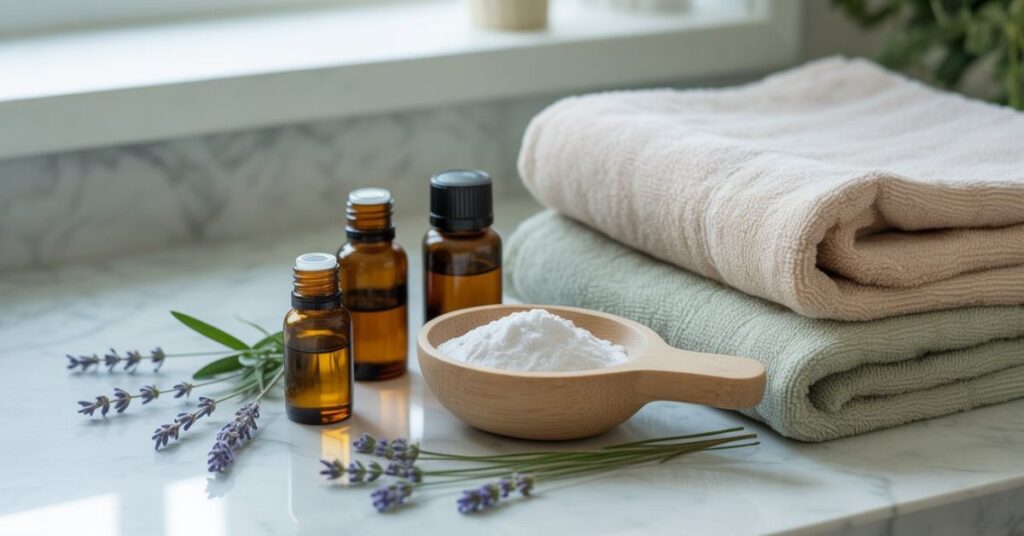
Getting the best results from essential oil laundry detergent is not only about using the right ingredients. It also depends on how you mix, store, and apply it. Small improvements in your routine can significantly increase cleaning power, fragrance, and fabric care.
If you want a truly effective system, you need to understand how to optimize your detergent recipe for different situations. The tips below will help you get stronger performance and longer-lasting freshness.
Choosing the Right Laundry Base
The first step is selecting the right base for your detergent. Not all homemade or store-bought options are the same. Some are better for heavy cleaning, while others focus on fragrance or skin safety.
For everyday use, a mild liquid detergent works best. For deep cleaning, powder-based versions with baking soda or washing soda are more effective. Always match your detergent type with your laundry needs.
Also, choose high-quality oils. Pure oils perform better and last longer compared to synthetic fragrances.
How to Blend Oils for Better Results
Blending different oils can improve both scent and performance. Instead of using one oil, combine two or three complementary scents.
For example, lavender and lemon create a fresh and calming balance. Tea tree and eucalyptus work well for strong odor removal. Peppermint adds a refreshing touch when used in small amounts.
This approach helps create a more layered and long-lasting fragrance. However, always avoid mixing too many oils, as it can become overpowering.
How to Make Fragrance Last Longer

If you want your clothes to stay fresh longer, you need to focus on how scent is applied during washing.
The best method is layering fragrance at different stages. Add oils to your detergent, then use a few drops on dryer balls or reusable cloth sheets during drying.
This technique helps lock in scent and extends freshness. It works better than adding all oils at once.
Why You Should Avoid Using Too Much Oil
One of the biggest mistakes is using too much oil. More does not mean better results.
Overuse can leave oily residue on clothes, reduce washing efficiency, and even clog washing machines over time. Always follow recommended drop counts.
Balanced usage keeps clothes clean, fabrics safe, and fragrance pleasant without side effects.
Importance of Fresh Ingredients
Fresh ingredients improve performance significantly. Old or low-quality oils lose their scent and effectiveness over time.
Always store oils in dark glass bottles and keep them away from heat and sunlight. Also, make small batches of detergent to maintain freshness.
Using fresh and properly stored ingredients ensures consistent results every time you wash clothes.
Final Thoughts
Essential oil laundry detergent is a powerful natural alternative for people who want cleaner, fresher, and safer laundry without harsh chemicals. It combines effective cleaning with natural fragrance, making it suitable for everyday use.
With the right oil recipe, proper usage, and safe oil selection, you can achieve excellent results for all types of fabrics. It is not just about cleaning clothes it is about creating a healthier and more eco-friendly lifestyle.
By using the right by ingredients and following best practices, you can enjoy long-lasting freshness, reduced chemical exposure, and a more sustainable laundry routine.
FAQs
Can essential oil laundry detergent damage machines?
No, essential oil laundry detergent does not damage washing machines when used correctly. However, overusing oils can lead to residue buildup inside the drum or pipes over time. To avoid this, always dilute oils properly and clean your machine regularly. Using balanced amounts keeps your recipe safe for both front-load and top-load machines.
Is essential oil laundry detergent safe for babies?
Yes, but only when used carefully. For baby clothes, they should be extremely mild. Lavender is usually the safest option because it is gentle and calming. Avoid strong oils like peppermint or tea tree unless advised by a professional. Always rinse clothes thoroughly to remove any residue from ingredients.
Does essential oil laundry detergent kill bacteria?
Some essential oils used in have natural antibacterial properties. Oils like tea tree, eucalyptus, and lemon can help reduce odor-causing bacteria. However, they are not a replacement for medical-grade disinfectants. They work best for everyday laundry hygiene and freshness in a laundry essential oil blend recipe.
How long does essential oil laundry detergent scent last?
The scent from they usually lasts from a few days to over a week, depending on storage and fabric type. Using dryer balls or layering oils during washing and drying helps extend fragrance. Proper storage of clothes also plays a big role in maintaining the smell of your best essential oil laundry detergent routine.
Can essential oil laundry detergent be used in cold water?
Yes, essential oil laundry detergent works well in cold water. Essential oils dissolve easily and still release fragrance even at lower temperatures. Cold water washing is also better for fabric care and energy saving. For best results, make sure oils are properly mixed into your essential oil laundry detergent recipe before use.