Introduction:
Hinoki essential oil is a highly revered natural oil derived from the leaves, wood, and roots of the Chamaecyparis obtusa tree, native to Japan. Known for its calming and refreshing aroma, hinoki essential oil has been used for centuries in traditional Japanese practices, including meditation, spiritual cleansing, and relaxation therapies. Moreover, this essential oil has gained worldwide popularity because of its unique aromatic profile, therapeutic benefits, and versatility in both personal care and wellness routines. Moreover , it is now widely incorporated into aromatherapy, skincare, and holistic wellness practices across the globe.From diffusers to massage blends, hinoki essential oil offers a serene and uplifting experience that connects body, mind, and spirit.
The history of dates back to ancient Japan, where it was extracted and used in temples, wooden architecture, and ceremonial practices. Its natural compounds provide not only a soothing fragrance but also various health-promoting properties. Its gentle yet potent scent makes it a favorite among essential oil enthusiasts, offering a perfect balance of calming and rejuvenating effects.
What is Hinoki Essential Oil?
Producers extract from the Japanese cypress tree through steam distillation, capturing the essence of its leaves, wood, and roots. This oil offers an earthy, woody, and slightly citrusy aroma, which makes it a unique addition to any essential oil collection. The oil’s natural chemical constituents, including alpha-pinene, sabinene, and limonene, contribute to its therapeutic effects, making it ideal for stress relief, relaxation, and even spiritual practices.
The uses of extend beyond aromatherapy. Many people also incorporate into skincare products because of its soothing properties. Additionally, they use it in massage oils to promote relaxation, while adding it to home diffusers helps purify and refresh their living space. Moreover, its versatility stands out, and when users combine it with other complementary essential oils, it creates harmonizing blends that further enhance its benefits.
Origin and General Uses
Native to the mountains of Japan, they comes from the Chamaecyparis obtusa tree, which people prize for its durable timber and rich aroma. Producers carefully distill the oil from the leaves, wood, and roots while preserving its natural qualities. In traditional Japanese culture, people used for its purifying effects in temples and bathing rituals. Today, many people use it for aromatherapy, meditation, relaxation, and personal care.
General uses of hinoki essential oil include promoting calmness, relieving mental stress, enhancing focus, and supporting emotional well-being. Its woodsy and slightly sweet scent makes it an excellent choice for diffusers, bath blends, massage oils, and spiritual rituals.
Quick Facts and Tidbits About Hinoki Essential Oil
| Feature | Details |
| Botanical Name | Chamaecyparis obtusa |
| Origin | Japan |
| Extraction Method | Steam distillation (Leaves, Wood, Roots) |
| Aroma | Earthy, woody, slightly citrusy |
| Primary Uses | Aromatherapy, skincare, meditation, relaxation |
| Blends Well With | Lavender, cedarwood, bergamot |
| Unique Fact | Ancient Japanese temples used it for purification and spiritual rituals |
Tidbits:
- Hinoki essential oil was traditionally used in Japanese bath rituals to promote calmness and wellness.
- Its calming aroma is often referred to as the “forest spirit” scent because it evokes deep woodland tranquility.
- When diffused, they can help reduce mental fatigue and boost focus naturally.
Botanical and Plant Information of Hinoki Essential Oil
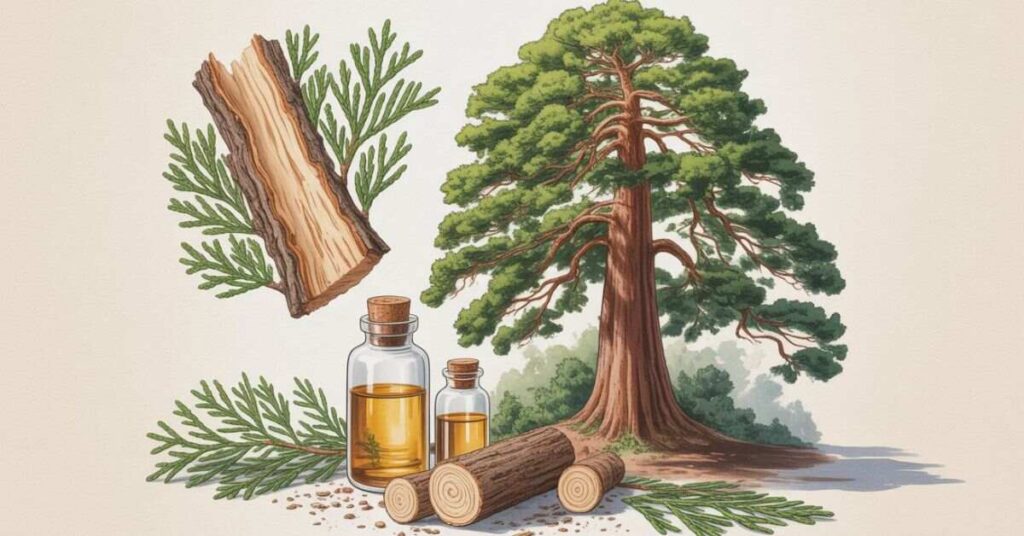
Hinoki essential oil is derived from the Chamaecyparis obtusa tree, a majestic cypress native to the mountainous regions of Japan. This section explores the botanical characteristics, plant family, parts used, extraction methods, and sustainability practices associated with , providing a thorough understanding of its origins and natural qualities. Understanding the plant source is essential for anyone who wants to maximize the benefits of this exceptional essential oil.
Botanical Name of Hinoki Essential Oil
The botanical name of is Chamaecyparis obtuse, which belongs to the cypress family, Cupressaceous. The leaves, wood, and roots of the Chamaecyparis obtuse contain different concentrations of essential oil, each offering unique aromatic and medicinal properties.
Plant Family of Hinoki Essential Oil
Hinoki essential oil belongs to the Cupressaceae family, a group of coniferous trees known for their aromatic and medicinal qualities. Members of this family often produce oils that are calming, purifying, and antimicrobial, making them popular in aromatherapy. Moreover, the Cupressaceae family includes other essential oil-yielding trees like cedarwood and juniper, but hinoki oil stands out due to its soft, woodsy, and slightly citrusy fragrance.
Plant Parts Used for Hinoki Essential Oil (Leaf, Wood, Root)
Producers use different parts of the Chamaecyparis obtusa tree to produce, and each part offers its own unique characteristics.
- Leaves (Needles): Light, fresh, and slightly citrusy aroma, often used in diffusers for relaxation.
- Wood: Rich, deep, and woody scent; commonly used in perfumery and spiritual practices.
- Roots: Earthy and grounding aroma; known for stronger therapeutic effects in massage and skincare blends.
Common Extraction Methods of Hinoki Essential Oil
The primary method of obtaining is steam distillation, which preserves its natural compounds while maintaining aromatic integrity. The process involves gently steaming the plant material (leaves, wood, or roots), condensing the vapor, and collecting the oil. Some modern distilleries also use hydrodistillation for specific parts of the tree to capture subtle differences in aroma and chemical composition.
Sustainability and Conservation of Hinoki Essential Oil
Production also emphasizes sustainable harvesting practices. However, overharvesting can threaten local populations of Chamaecyparis obtusa. Therefore, responsible suppliers follow selective harvesting methods so that the trees can regenerate naturally. In addition, many companies adopt ethical sourcing and conservation programs to maintain forest health. Furthermore, these initiatives help promote biodiversity. As a result, these efforts not only protect natural ecosystems but also ensure that the supply of hinoki essential oil remains sustainable for future generations.
Quick Botanical Facts:
| Feature | Details |
| Botanical Name | Chamaecyparis obtusa |
| Family | Cupressaceae |
| Used Parts | Leaves, Wood, Roots |
| Primary Extraction | Steam Distillation |
| Aromatic Profile | Woody, fresh, slightly citrusy |
| Sustainability | Ethical harvesting, forest conservation |
Tidbits:
- The oldest Hinoki trees in Japan can live for over 1,000 years.
- Traditional temples in Japan were often constructed from Hinoki wood for its durability and aroma.
- Leaves yield lighter oil suitable for relaxation, Moreover while roots produce a stronger therapeutic oil.
Physical and Aromatic Properties of Hinoki Essential Oil

Hinoki possesses unique physical and aromatic characteristics that make it highly sought after in aromatherapy, perfumery, and wellness applications.
Color and Consistency of Hinoki Essential Oil
Hinoki essential oil typically has a pale yellow to golden color, with a light to medium consistency that makes it easy to blend with other oils. In comparison, leaf oil is often lighter and more fluid, while wood and root oils are slightly thicker due to higher concentrations of aromatic compounds. Moreover, this consistency makes it ideal for both topical applications and diffusers.
Perfumery Note and Strength of Initial Aroma
In perfumery, how is considered a middle to base note. Its initial aroma is soft yet persistent, with subtle earthy and citrus undertones. The oil’s fragrance develops over time, revealing deeper woody and balsamic notes, making it a favorite for long-lasting aromatherapy blends. Its moderate intensity ensures that can be paired with other oils without overpowering them.
Aromatic Description of Hinoki Essential Oil
The aroma of is fresh, woody, slightly citrusy, and calming, often described as the “scent of the Japanese forest.” Leaf oil tends to be lighter and more refreshing, wood oil richer and more grounding, and root oil deeper with earthy undertones. This variety in aroma allows for versatile applications in meditation, diffusers, skincare, and massage blends.
Unique Properties of Hinoki Needle (Leaf) Essential Oil
Hinoki needle is particularly prized for its gentle, uplifting, and purifying scent. As a result, it is perfect for creating a calming environment at home or during yoga and meditation sessions.
Its light fragrance is highly compatible with other essential oils, allowing for unique blends that enhance relaxation and mental clarity.
Aroma Profile Table of Hinoki Essential Oil
| Oil Part | Aroma | Perfumery Note | Consistency | Key Benefits |
| Leaf (Needles) | Fresh, woody, citrusy | Middle | Light | Relaxation, focus, spiritual balance |
| Wood | Deep, earthy, balsamic | Base | Medium | Stress relief, meditation, perfumery |
| Root | Earthy, grounding | Base | Slightly thick | Skincare, therapeutic massage, calming |
Tidbits:
- The wood oil of is often used in Japanese temples for its long-lasting fragrance.
- Leaf oil can uplift mood and improve mental focus when diffused in the workspace.
- Aromatherapy blends using essential oil are popular for creating serene, forest-like environments indoors.
Major Chemical Constituents of Hinoki Essential Oil
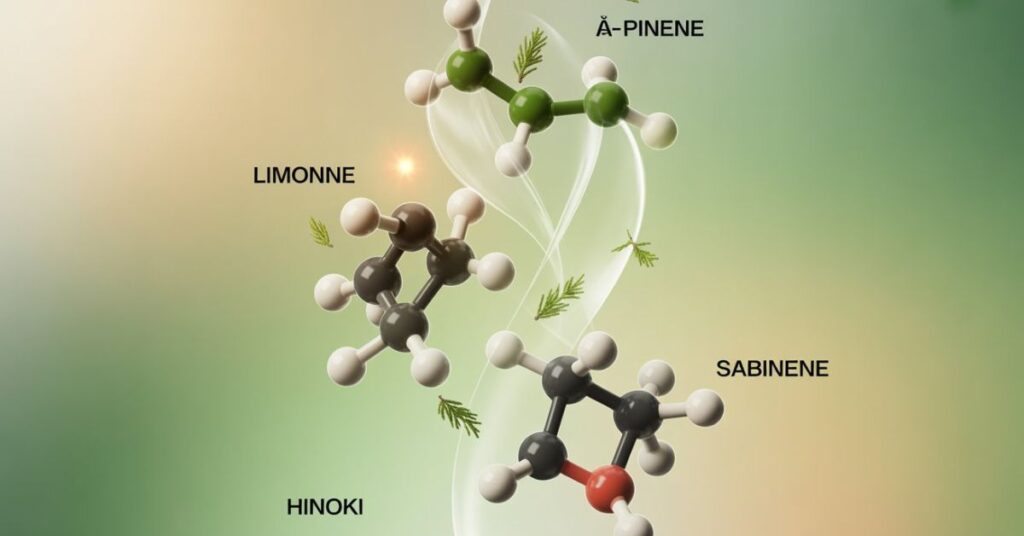
Hinoki essential oil contains a range of chemical constituents that contribute to its therapeutic, aromatic, and skincare benefits. Moreover, understanding these compounds helps users select the right oil for their wellness needs, whether for relaxation, mental clarity, or skin health. Moreover, the chemical profile varies slightly depending on whether the is extracted from leaves, wood, or roots, making each type of unique.
Leaf, Wood, and Root Oil Constituents of Hinoki Essential Oil
The main chemical constituents of hinoki essential oil include:
- Alpha-Pinene: Found in all parts of the tree, alpha-pinene provides a fresh, forest-like scent and contributes to anti-inflammatory and antibacterial properties.
- Sabinene: Common in leaf and wood oils, sabinene adds a slightly spicy, citrusy aroma and supports relaxation and respiratory health.
- Limonene: Present mainly in leaf oil, limonene gives a subtle citrus note and enhances mood while promoting mental clarity.
- Camphene and Bornyl Acetate: These compounds, more abundant in wood and root oils, provide grounding, calming effects and are valued for skincare and massage blends.
Importance of These Constituents for Therapeutic Uses
Each constituent in offers distinct therapeutic benefits:
- Alpha-pinene and sabinene help reduce stress, improve focus, and support respiratory wellness.
- Limonene lifts mood and promotes mental clarity, making it ideal for meditation or workspaces.
- Camphene and bornyl acetate offer calming and grounding effects, supporting relaxation, aromatherapy, and skin health.
This combination of compounds makes versatile, suitable for aromatherapy, massage, skincare, and spiritual practices. Understanding the chemical profile allows users to select the best part of the tree leaf, wood, or root depending on their intended use.
Chemical Constituents & Benefits Table
| Constituent | Part of Tree | Aroma / Note | Key Benefits |
| Alpha-Pinene | Leaf, Wood, Root | Fresh, pine-like | Anti-inflammatory, stress relief, respiratory support |
| Sabinene | Leaf, Wood | Spicy, citrusy | Relaxation, respiratory health, uplifting mood |
| Limonene | Leaf | Citrus | Mental clarity, mood enhancement |
| Camphene | Wood, Root | Woody, earthy | Calming, grounding, skin support |
| Bornyl Acetate | Wood, Root | Balsamic, soft | Relaxation, aromatherapy, therapeutic massage |
Tidbits:
- Leaf oil is lighter in alpha-pinene and limonene, making it more uplifting.
- Root and wood oils are richer in camphene and bornyl acetate, offering stronger calming effects.
- Aromatherapy blends often combine leaf and wood oils to balance uplifting and grounding effects.
Benefits and Uses of Hinoki Essential Oil
Hinoki essential oil is a versatile natural remedy valued for wellness, relaxation, and aromatherapy. Its unique woody-citrusy scent and chemical profile make it ideal for supporting physical and mental health. By understanding its uses, you can safely incorporate hinoki oil into your daily routine.
Health and Wellness Benefits
Hinoki essential oil offers both mental and physical benefits. Some of its most notable effects include:
Stress and Anxiety Relief: The soothing aroma reduces tension, calms the mind, and helps manage anxiety naturally.
Enhanced Mental Focus: Subtle citrus and woody notes can boost concentration and alertness.
“Moreover, respiratory support is enhanced because components such as alpha-pinene and sabinene not only help open airways but also support overall breathing. Moreover, these compounds can promote easier respiration.
Immune System Support: Regular use in aromatherapy may strengthen the body’s natural defenses.
Uses for Skin and Relaxation
Hinoki oil is not just for the senses it benefits the body directly:
Skincare: When diluted with a carrier oil, it can calm sensitive skin, reduce redness, and promote rejuvenation.
Massage Therapy: Blended into massage oils, it eases muscle tension and encourages deep relaxation.
Aromatherapy: Diffusing the oil purifies the air, reduces stress, and enhances meditation or yoga sessions.
Spiritual Practices: Traditionally used in Japanese temples, it supports mindfulness and spiritual balance.
Essential Oil Blends That Work Well with Hinoki
To amplify its benefits, hinoki essential oil blends beautifully with other oils:
- Lavender: Enhances relaxation and eases anxiety.
- Cedarwood: Complements woody undertones and grounds the mind.
- Bergamot: Adds uplifting citrus notes.
- Frankincense: Supports meditation and spiritual wellness.
- Sandalwood: Deepens calm and mental clarity.
Tips for Everyday Use:
- Mixing leaf and wood oils creates a balanced aroma for both relaxation and focus.
- Add a few drops to a warm bath to replicate a traditional Japanese spa experience.
- Use in diffusers or personal inhalers to boost daily wellness routines.
How to Use Hinoki Essential Oil Safely
Hinoki essential oil is highly versatile and beneficial, but like all oils, it must be used safely to maximize its effects and avoid potential risks. Understanding proper usage, storage, and application methods ensures that delivers its calming, aromatic, and therapeutic benefits without any adverse effects. Safety awareness is particularly important for sensitive skin, children, and individuals with medical conditions.
Safety Information and Cautions for Hinoki Essential Oil
When using hinoki essential oil, consider the following safety precautions:
- Dilution: Always dilute with a carrier (like jojoba or sweet almond) before applying to the skin to prevent irritation.
- Patch Test: Conduct a patch test on a small area of skin before regular use to check for allergic reactions.
- Avoid Sensitive Areas: Keep the oil away from eyes, mucous membranes, and broken skin.
- Pregnancy & Children: Consult a healthcare provider before using during pregnancy or on young children.
- Ingestion: Do not ingest pure oil unless under professional guidance.
Shelf Life and Storage Tips for Hinoki Essential Oil
Proper storage preserves the quality, potency, and aroma of hinoki essential oil:
- Cool, Dark Place: Store in a dark glass bottle away from sunlight and heat.
- Tightly Sealed: Keep the cap tightly closed to prevent oxidation.
- Avoid Plastic: Always use glass containers, as essential oils can react with plastic.
- Shelf Life: Typically, hinoki lasts 2–3 years when stored correctly.
Application Methods (Topical, Diffuser, Blends)
- Topical Use: Dilute 2–3 drops in 10 ml of carrier oil for massage, skincare, or localized relief.
- Diffuser: Add 3–5 drops to a diffuser to create a calming atmosphere at home or office.
- Blends: Combine with complementary oils like lavender, cedarwood, or sandalwood to enhance relaxation, focus, and spiritual practices.
- Bath: Mix 4–6 drops with a carrier oil or unscented bath gel for a soothing, spa-like experience.
Safety Checklist (Quick Reference)
- Dilute before applying to skin
- Conduct a patch test
- Avoid eyes, broken skin, and mucous membranes
- Consult healthcare provider if pregnant or for children
- Do not ingest without guidance
- Store in dark, cool, glass bottles
- Use within 2–3 years of opening
Tidbits:
- Even a small drop of hinoki essential oil in a personal inhaler can reduce stress and improve mental clarity.
- Many users find diffusing before sleep helps induce deeper, more restful sleep.
- Combining leaf and wood oils in topical blends can balance uplifting and grounding effects.
Sustainability and Ethical Considerations of Hinoki Essential Oil

Not only is hinoki valued for its therapeutic and aromatic properties, but it is also important to consider responsible sourcing. In addition, sustainable harvesting and ethical practices ensure the long-term availability of hinoki essential oil while protecting the environment and supporting local communities. As a result, being aware of these considerations helps users make informed choices when selecting premium oil products.
Ethical Harvesting and Environmental Impact of Hinoki Essential Oil
Sustainable production of hinoki emphasizes minimizing environmental damage:
- Selective Harvesting: Only a portion of leaves, wood, or roots are collected to allow trees to regenerate naturally.
- Forest Conservation: Harvesting programs often include replanting initiatives to maintain healthy Chamaecyparis obtusa populations.
- Minimized Waste: Essential oil producers aim to use every part of the plant efficiently, reducing environmental impact.
- Support Local Communities: Many ethical brands work with local Japanese communities to ensure fair wages and traditional knowledge preservation.
Conservation and Sourcing Practices
Consumers can ensure they are choosing environmentally responsible essential oil by considering:
- Certified Organic Products: Look for oils certified by recognized organic bodies to guarantee chemical-free production.
- Sustainable Brands: Companies like Young Living and do TERRA adhere to high sustainability standards for essential oil.
- Transparent Supply Chains: Ethical producers share information about harvesting, distillation, and sourcing practices.
- Wild vs. Cultivated Trees: Preference for cultivated trees reduces pressure on wild forests while maintaining oil quality.
Quick Ethical and Sustainability Checklist
- Harvest selectively, respecting tree regeneration
- Support replanting and forest conservation programs
- Choose brands with transparent sourcing and ethical labor practices
- Prefer certified organic or sustainably cultivated essential oil
- Use oil responsibly to reduce overconsumption
Tidbits:
- Some premium hinoki essential oil blends are labeled with “forest-friendly” certifications.
- Japanese temples historically managed Chamaecyparis obtusa forests sustainably, ensuring centuries of natural resource availability.
- Responsible use of today continues the tradition of environmental stewardship while supporting wellness.
Fun Facts and Historical Uses of Hinoki Essential Oil

Hinoki essential oil has been cherished in Japan for centuries, valued for its aroma, spiritual significance, and therapeutic properties. Learning about its cultural background and interesting trivia helps users actively connect with the heritage and traditions that shape this unique essential oil.
Cultural and Traditional Significance of Hinoki Essential Oil
Hinoki essential oil has long been used in Japanese culture for both spiritual and practical purposes:
- Temple and Shrine Rituals: The oil was traditionally diffused in temples to purify spaces and promote calmness during meditation.
- Bathing Practices: Japanese baths often incorporated or wood to create a relaxing, aromatic experience.
- Traditional Medicine: Historically, it was used to support mental clarity, stress relief, and mild respiratory issues.
- Woodcraft Aromatics: Beyond essential oil, Hinoki wood was used in architecture and furniture for its fragrance and antimicrobial properties.
Interesting Trivia About Hinoki Essential Oil
- “Forest Spirit” Scent: The aroma of is often called the “forest spirit” scent because it mimics the fresh, woody fragrance of Japanese forests.
- Longevity of Trees: Some Hinoki trees live over 1,000 years, making the oil a product of centuries-old growth.
- Blending Versatility: The oil pairs beautifully with lavender, cedarwood, bergamot, and frankincense for therapeutic and aromatic blends.
- Spiritual Practices: Monks historically used essential oil during meditation for focus and grounding.
- Premium Products: Today, brands like Young Living and do TERRA provide high-quality essential oil, capturing its traditional essence for modern users.
Tidbits:
- A few drops of hinoki in a diffuser can instantly create a serene “forest-like” environment indoors.
- Mixing leaf and wood oils offers a balance of uplifting and grounding effects in spiritual and relaxation practices.
- Hinoki essential oil’s calming fragrance is also used in perfumes, candles, and luxury bath products worldwide.
Popular Hinoki Essential Oil Brands and Products
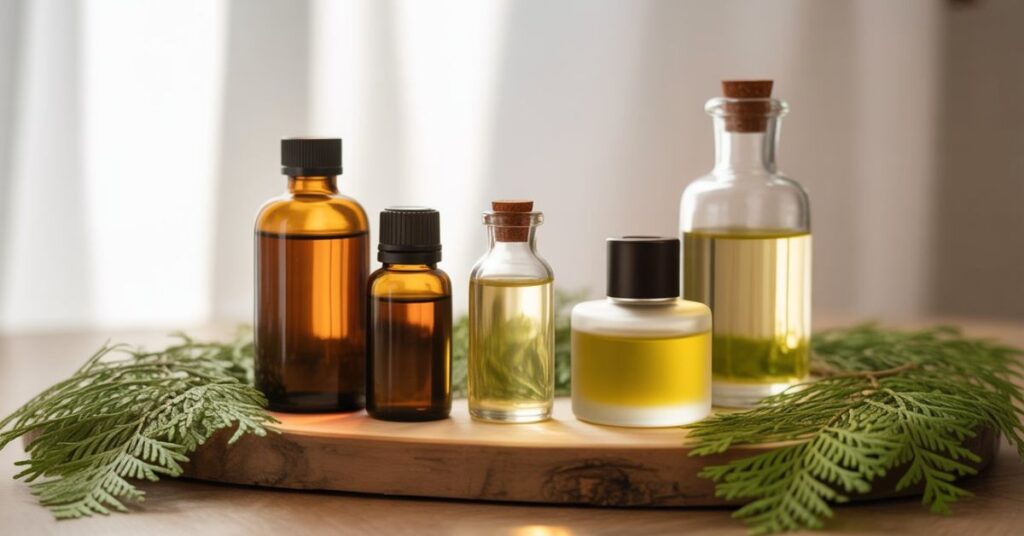
Hinoki essential oil is available from several trusted brands that prioritize quality, purity, and ethical sourcing. Choosing the right brand ensures that you experience the full benefits of essential oil, whether for aromatherapy, skincare, or spiritual practices. This section explores top products, the differences between leaf, wood, and root oils, and highlights the best brands in the market.
Top Products of Hinoki Essential Oil
- Young Living Hinoki Essential Oil: Known for high-quality, ethically sourced oil with a balanced aroma of leaf and wood.
- doTERRA Hinoki Oil: Offers a rich, grounding scent, perfect for relaxation and meditation blends.
- Plant Therapy Essential Oil: Affordable and pure, ideal for home aromatherapy and massage.
- Edens Garden Hinoki Oil: Premium oil with detailed sourcing information and full chemical profile.
- Aromatics International Essential Oil: Organic, sustainably harvested, and highly aromatic.
Differences in Leaf, Wood, and Root Oils of Hinoki Essential Oil
- Leaf Oil: Light, fresh, slightly citrusy aroma; ideal for diffusers, meditation, and mood enhancement.
- Wood Oil: Deep, woody, grounding scent; excellent for perfumery, massage blends, and spiritual rituals.
- Root Oil: Earthy, rich, and slightly stronger aroma; used for skincare, therapeutic massage, and calming effects.
Top 10 Hinoki Essential Oils by Companies
- Young Living – Essential Oil: Balanced aroma, premium quality.
- doTERRA – Hinoki Oil: Grounding, aromatic, ethically sourced.
- Plant Therapy – Hinoki Oil: Affordable, pure, versatile use.
- Edens Garden – Essential Oil: High purity, detailed sourcing.
- Aromatics International – Hinoki Oil: Organic, sustainable harvest.
- Rocky Mountain Oils – Essential Oil: Fresh aroma, high chemical integrity.
- Now Foods – Hinoki Oil: Reliable, widely available, cost-effective.
- Florihana – Essential Oil: Steam-distilled, high-quality leaf and wood oil.
- Aura Cacia – Hinoki Essential Oil: Sustainable sourcing, aromatherapy focused.
- Tisserand – Hinoki Oil: Therapeutic-grade, rich aromatic profile.
Tidbits:
- For example, leaf oil from Young Living is often preferred for meditation due to its gentle, uplifting scent.
- Wood and root oils from doTERRA are popular for massage therapy and perfumery.
- Combining leaf and wood oils from any reputable brand enhances uplifting and grounding effects.
- Ethical brands often provide detailed information about sourcing and sustainable harvesting.
Conclusion
Hinoki essential oil is a remarkable natural resource, celebrated for its therapeutic, aromatic, and spiritual benefits. From its fresh, woody aroma to its diverse applications in aromatherapy, skincare, massage, and meditation, they essential oil offers something for everyone seeking wellness and balance.
By using safely and responsibly, while also supporting sustainable and ethical sourcing practices, users ensure that this treasured oil remains available for generations to come. Moreover, whether diffused for relaxation, blended for massage, or incorporated into spiritual rituals, hinoki continues to provide a meaningful connection to nature, tradition, and holistic wellness.
By choosing high-quality brands and applying the safety guidelines outlined in this guide, users can fully experience the benefits of hinoki essential oil, enhance mental clarity, relieve stress, and enjoy the serene, forest-like fragrance that has captivated people for centuries.
FAQs
What is Hinoki Essential Oil?
- Derived from the Chamaecyparis obtusa tree native to Japan.
- Extracted from leaves, wood, and roots using steam or hydrodistillation.
- Known for a fresh, woody, slightly citrusy aroma.
- Used in aromatherapy, skincare, meditation, and perfumery.
How Do I Use Hinoki Essential Oil?
- Topical: Dilute 2–3 drops in 10 ml carrier oil for massage or skin care.
- Diffuser: Add 3–5 drops to create a calming, forest-like atmosphere.
- Bath: Mix with carrier oil for a relaxing soak.
- Blends: Combine with lavender, cedarwood, sandalwood, or bergamot for enhanced therapeutic effects.
What Essential Oils Blend Well with Hinoki Essential Oil?
- Lavender: Enhances relaxation and reduces stress.
- Cedarwood: Complements grounding and woody aroma.
- Bergamot: Adds uplifting, citrus notes.
- Frankincense: Supports meditation and spiritual balance.
- Sandalwood: Deepens calming and mental clarity effects.
Cautions and Safety Tips for Hinoki Essential Oil
- Always dilute before topical use.
- Conduct a patch test for skin sensitivity.
- Avoid eyes, broken skin, and mucous membranes.
- Consult a healthcare provider if pregnant or for children.
- Do not ingest without professional guidance.
Shelf Life Questions of Hinoki Essential Oil
- Store in a cool, dark place in glass bottles.
- Keep bottles tightly sealed to prevent oxidation.
- Avoid plastic containers.
- Typical shelf life: 2–3 years when stored correctly.
Tidbits:
- A few drops of hinoki essential oil in a personal inhaler can instantly reduce stress.
- Diffusing leaf and wood oils together balances uplifting and grounding effects.
- Ethical brands often provide detailed sourcing and sustainability information, ensuring high-quality hinoki essential oil.