Introduction:
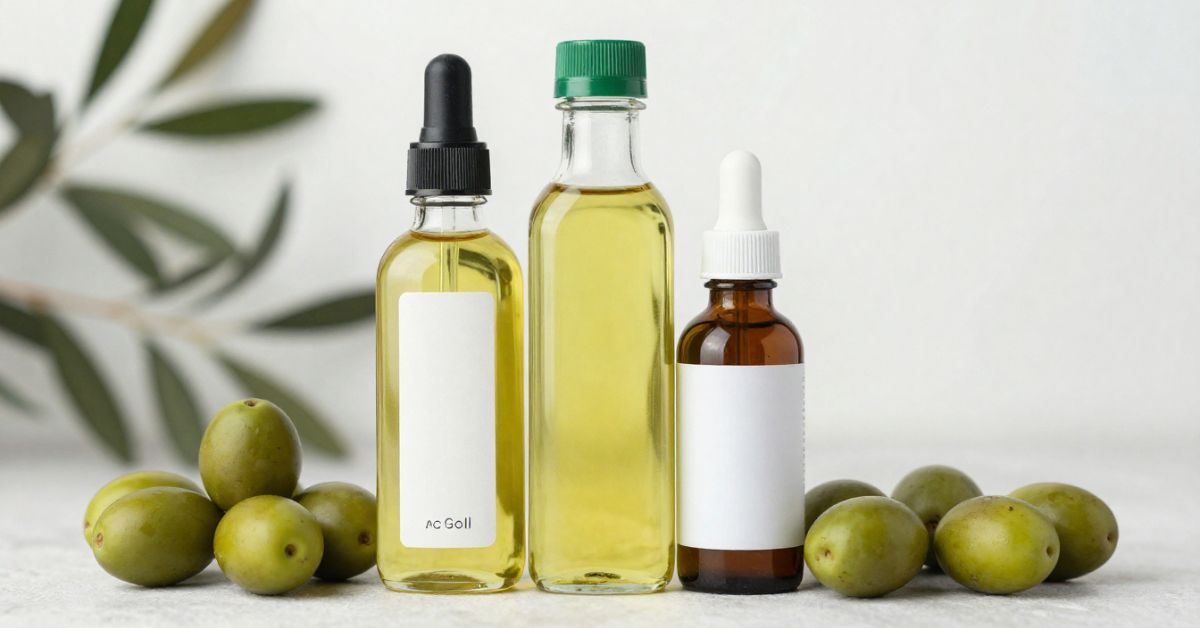
Olive oil is a staple in kitchens around the world, celebrated for its health benefits, rich flavour, and versatility. But when it comes to skincare, a common question arises: is olive oil comedogenic? Many people worry that applying olive oil directly to the skin might clog pores, cause acne, or worsen oily skin. In this guide, we will explore everything you need to know about olive oil’s effect on the skin, its comedogenic rating, and safe ways to use it without harming your complexion.
Whether you have dry skin, oily skin, or are prone to acne, understanding olive oil’s interaction with pores is crucial. We’ll separate facts from myths, provide expert dermatologist opinions, and highlight which skin types can benefit from olive oil. By the end of this article, you will have a clear answer to is olive oil comedogenic and whether it has a place in your skincare routine.
Understanding Olive Oil Comedogenic Rating and Its Importance
What Does Comedogenic Mean?
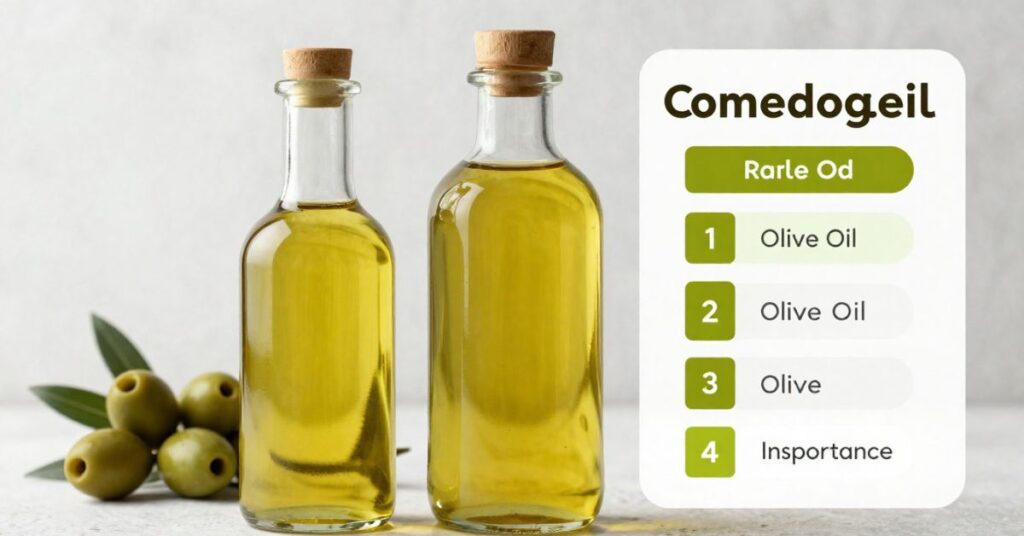
When it comes to skincare, the term comedogenic refers to an ingredient’s tendency to clog pores and cause blackheads or acne. The comedogenic rating is measured on a scale from 0 to 5 where 0 means it does not clog pores and 5 means it has a high likelihood of clogging pores. Understanding this rating helps you choose oils and skincare products more wisely.
Olive oil, like many natural oils, generally has a low to moderate comedogenic rating of around 2. This means it is unlikely to cause significant pore blockage for most people, especially those with normal or dry skin. However, factors such as skin type, product purity, and application method influence results.
How Oils Affect the Skin
Dermatologists explain that some oils clog pores because they contain fatty acids that may not absorb easily into the skin. Heavier oils can sit on the skin’s surface and trap sebum, dirt, and dead skin cells, increasing the risk of breakouts.
Lighter oils usually absorb better and provide hydration without blocking pores. Oils that contain antioxidants and healthy fats can also support the skin barrier when used appropriately.
Why Olive Oil Has a Moderate Ratin
Olive oil is rich in oleic acid, which contributes to its moisturizing properties but can also increase the risk of clogged pores in acne-prone or oily skin. Its comedogenic rating of 2 means it is generally safe for normal to dry skin but should be used cautiously on acne-prone skin.
For many users, especially those with dry or sensitive skin, the moisturizing benefits outweigh the potential risks. However, product purity matters adulterated or low-quality oils may increase irritation or pore congestion.
Oil Comparison Table
| Oil Type | Comedogenic Rating (0–5) | Skin Suitability |
|---|---|---|
| Olive Oil | 2 | Normal to dry skin |
| Coconut Oil | 4 | Use cautiously on oily/acne-prone skin |
| Jojoba Oil | 0–1 | All skin types |
| Castor Oil | 1–2 | Dry or combination skin |
| Sunflower Oil | 0–2 | Sensitive and normal skin |
| Sesame Oil | 2 | Dry skin |
| Extra Virgin Olive Oil | 2 | Normal to dry skin |
Key Takeaways
- The comedogenic rating helps determine how likely an oil is to clog pores.
- Olive oil has a moderate rating (around 2) and is suitable for many skin types.
- Dermatologists recommend monitoring your skin’s response and ensuring oil purity before use.
- Understanding your skin type is essential before adding olive oil to your skincare routine.
Does Olive Oil Clog Pores? Facts, Myths, and Research
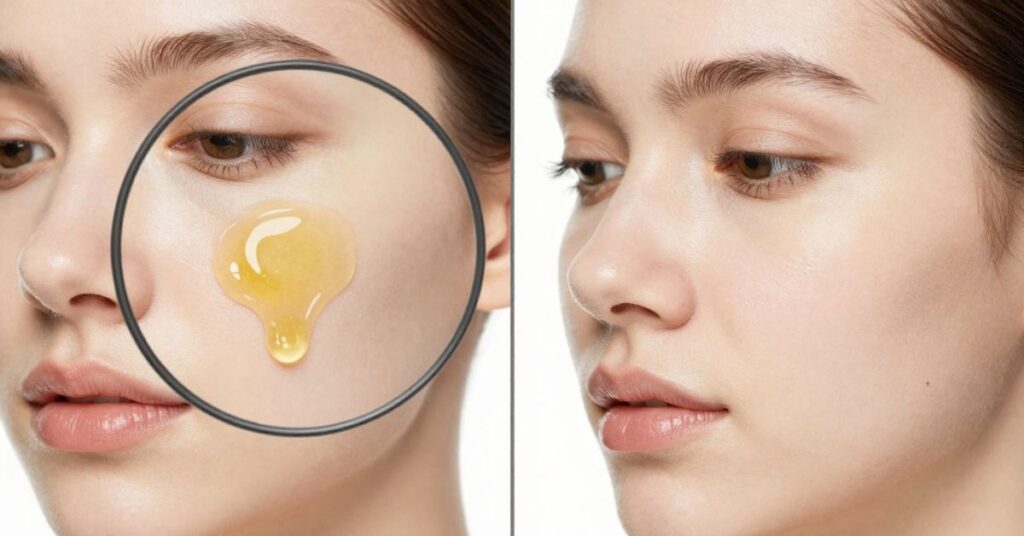
The question “does olive oil clog pores?” It is popular among both skincare enthusiasts and beginners alike. While some sources claim that olive oil is heavy and can cause acne, research and expert opinions show a more nuanced picture. Let’s break down the facts, myths, and scientific insights to understand whether is olive oil comedogenic for your skin.
Myths vs Facts About Olive Oil and Pores
Myth 1: Olive oil always clogs pores.
Fact: Olive oil has a moderate comedogenic rating (around 2). For many people, especially with dry or normal skin, it does not clog pores. Problems mainly arise if your skin is oily or acne-prone.
Myth 2: Extra virgin olive oil is more likely to cause breakouts.
Fact: Studies suggest that extra virgin olive oil comedogenic potential is similar to regular olive oil. Purity matters unrefined, high-quality olive oil is less likely to irritate or clog pores compared to low-grade, adulterated oils.
Myth 3: Using olive oil daily causes acne.
Fact: Occasional use of olive oil in moderation is generally safe. Overuse or applying thick layers on acne-prone skin may increase pore blockage, but for most users, olive oil provides hydration without causing breakouts.
Expert Opinions
Dermatologists emphasize that whether olive oil is comedogenic depends largely on your skin type and condition.
- For dry skin, olive oil can help restore moisture and improve skin texture.
- For oily or acne-prone skin, olive oil may worsen breakouts if applied in large quantities or without proper cleansing.
- Experts also note that combining olive oil with other non-comedogenic ingredients or using it in small amounts reduces the risk of clogged pores.
Skin Type Matters
Understanding your skin type is crucial. Here’s a simple guide:
| Skin Type | Olive Oil Use Recommendation |
| Dry Skin | Safe to use; enhances moisture and elasticity |
| Normal Skin | Generally safe; moderate use can improve skin barrier |
| Oily Skin | Use sparingly; avoid heavy layers |
| Acne-Prone Skin | Patch test recommended; consider alternatives like jojoba oil |
| Sensitive Skin | Use extra virgin olive oil; monitor for irritation |
Importance of Purity
One of the most overlooked factors is oil quality. Refined or adulterated olive oil may contain impurities that increase the risk of clogged pores. Using cold-pressed, extra virgin olive oil ensures you get natural antioxidants and vitamins without unnecessary additives.
Research Insights
- Studies suggest that the oleic acid content in olive oil, which gives it moisturizing properties, can be moderately comedogenic for certain skin types.
- However, for dry or mature skin, this same property helps retain moisture, reduce fine lines, and improve overall skin health.
- Research confirms that olive oil in cosmetics, when formulated correctly, is usually non-comedogenic and safe for most skin types.
Key Takeaways:
- Is olive oil comedogenic? It depends on your skin type and the quality of the oil.
- For dry and normal skin, olive oil is generally safe.
- Acne-prone or oily skin may need caution and moderation.
- Purity and type of olive oil matter more than the oil itself.
- Expert dermatologists agree that occasional use rarely leads to clogged pores.
Olive Oil Comedogenic Rating and Skin Benefits
When exploring is olive oil comedogenic, it’s equally important to understand its skin benefits. While some worry about clogged pores, olive oil offers a range of advantages that make it a favorite in skincare routines especially for those with dry or sensitive skin.
Moisturizing Properties
Olive oil is rich in oleic acid, which helps the skin retain moisture. This makes it excellent for combating dry patches, rough textures, and flakiness. Even though its comedogenic rating is moderate (around 2), many dermatologists suggest that the moisturizing benefits outweigh the minor risk of clogged pores for most users.
Applying olive oil in moderation can improve the skin’s hydration levels and restore softness, making it suitable for night-time skincare routines or as a gentle moisturizer for dry skin.
Antioxidants and Vitamins
Olive oil is packed with antioxidants, including vitamin E, polyphenols, and squalene, which help fight free radicals and environmental damage. These nutrients promote skin repair, improve elasticity, and may reduce early signs of aging.
- Vitamin E helps repair damaged skin cells and maintains moisture.
- Polyphenols protect against oxidative stress, keeping skin healthy.
- Squalene enhances skin barrier function without being overly greasy.
Even though some users may ask is olive oil comedogenic in cosmetics, these beneficial compounds make olive oil a common ingredient in natural skincare products. Its moderate comedogenic rating doesn’t negate its nourishing properties.
Why Some People Swear by Olive Oil
Many skincare enthusiasts and natural remedies advocates report that olive oil improves skin texture, softness, and glow. The key is moderation and choosing high-quality, extra virgin olive oil. Regular use can lead to:
- Smoother and softer skin
- Enhanced skin barrier function
- Protection against environmental stressors
- Reduced dryness and irritation
It’s important to note that while olive oil is beneficial for dry, mature, or sensitive skin, people with oily or acne-prone skin should test a small patch first to ensure it doesn’t trigger breakouts. This precaution addresses the main concern behind is olive oil comedogenic.
Quick Fact Box: Olive Oil Benefits vs Comedogenic Concern
| Benefit | How It Helps Skin | Comedogenic Risk |
| Moisturization | Retains hydration, softens dry skin | Low to moderate (2) |
| Antioxidants | Fights free radicals, slows aging | Low |
| Vitamins (E, K) | Supports repair and elasticity | Low |
| Skin Barrier Support | Protects against environmental damage | Moderate in oily skin |
Key Takeaways:
- Olive oil provides hydration, antioxidants, and vitamins that benefit the skin.
- Its comedogenic rating is moderate, but the risk is low for dry and normal skin types.
- Quality, moderation, and knowing your skin type are crucial to safely enjoy its benefits.
- Even cosmetic formulations of olive oil are designed to balance benefits with minimal pore clogging.
Different Types of Olive Oil and Their Comedogenic Effect
Not all olive oils are created equal, and when asking “is olive oil comedogenic”, the type of olive oil you use matters a lot. Olive oil comes in several forms, including extra virgin, virgin, refined, and pomace olive oil. Each has a slightly different composition, which can affect its interaction with the skin and pores.
Extra Virgin Olive Oil
Extra virgin olive oil is the purest form of olive oil, obtained by cold pressing without chemical processing. It retains the highest amount of antioxidants, vitamins, and beneficial compounds.
- Comedogenic rating: 2 (moderate)
- Skin suitability: Safe for dry, normal, and sensitive skin; may be patch-tested for acne-prone skin
- Benefits: Deeply moisturizing, rich in vitamin E, and protects against free radicals
Because EVOO is high in oleic acid, it may be slightly more prone to cause breakouts for oily or acne-prone skin. However, for most users, extra virgin olive oil comedogenic potential is low, making it a safe and nourishing option.
Virgin Olive Oil
Virgin olive oil is similar to extra virgin olive oil but contains slightly fewer antioxidants because of mild processing.
Comedogenic rating: 2 (moderate)
Skin suitability: Best for normal to dry skin
Benefits: It moisturizes the skin, reduces dryness, and helps strengthen the skin barrier.
This oil can be used in skincare routines, but purity is important adulterated or low-quality oils may increase the risk of clogged pores.
Refined Olive Oil
Refined olive oil undergoes processing to neutralize taste and acidity. While it is still moisturizing, it contains fewer antioxidants.
- Comedogenic rating: 2 (moderate)
- Skin suitability: Safe for most skin types but less nourishing than extra virgin
- Benefits: Mild moisturizer; good for sensitive skin if extra virgin is too rich
Olive Pomace Oil
Pomace olive oil is extracted from the leftover olive pulp after pressing. It is highly refined and often used for cooking rather than skincare.
- Comedogenic rating: 3 (slightly higher)
- Skin suitability: Not recommended for facial skincare
- Benefits: Minimal skincare benefits; better suited for body care in small amounts
Quick Comparison Table: Olive Oil Types and Comedogenic Effect
| Olive Oil Type | Comedogenic Rating | Skin Suitability | Key Notes |
| Extra Virgin Olive Oil | 2 | Dry, normal, sensitive | Rich in antioxidants and vitamins |
| Virgin Olive Oil | 2 | Normal to dry | Moderate moisturizing properties |
| Refined Olive Oil | 2 | Most skin types | Less antioxidant content |
| Olive Pomace Oil | 3 | Limited use; avoid facial application | Minimal skincare benefits |
Key Takeaways:
- The comedogenic potential of olive oil varies slightly by type, but extra virgin and virgin olive oil are generally safe for most skin types.
- Pomace olive oil is more likely to clog pores and is less beneficial for facial skincare.
- Choosing high-quality, cold-pressed olive oil ensures maximum skin benefits while minimizing the risk of pore clogging.
- When asking is olive oil comedogenic for skin, consider type, purity, and your individual skin type before use.
Non-Comedogenic Oils and Olive Oil Alternatives for Skincare
For those concerned about is, it’s helpful to know that there are non-comedogenic oils and alternatives that can nourish the skin without clogging pores. These oils are often lighter, absorb quickly, and are safe for oily or acne-prone skin.
Jojoba Oil
Jojoba oil is a favorite in skincare because its molecular structure closely resembles human sebum.
- Comedogenic rating: 0–1 (very low)
- Benefits: Balances oil production, hydrates without clogging pores, and reduces acne risk
- Usage: Ideal for all skin types, including sensitive and acne-prone skin
Evening Primrose Oil
Evening primrose oil is rich in gamma-linolenic acid (GLA), which helps repair the skin barrier and reduce inflammation.
- Comedogenic rating: 2 (moderate)
- Benefits: Soothes dry or inflamed skin, improves elasticity, supports healthy skin
- Usage: Best for dry or normal skin; patch test recommended for acne-prone skin
Coconut Oil
Coconut oil is highly moisturizing but has a higher comedogenic rating (4).
- Benefits: Excellent for dry, non-acne-prone areas or body use
- Caution: Avoid facial application for oily or acne-prone skin; check is coconut oil comedogenic if prone to breakouts
Sunflower and Sesame Oil
Sunflower oil is lightweight and contains vitamin E, making it suitable for sensitive skin. Sesame oil is slightly heavier but provides antioxidants.
| Oil Type | Comedogenic Rating | Skin Suitability | Key Benefits |
| Jojoba Oil | 0–1 | All skin types | Balances sebum, non-greasy |
| Evening Primrose | 2 | Dry/normal | Reduces inflammation, hydrates |
| Coconut Oil | 4 | Dry skin only | Deeply moisturizing |
| Sunflower Oil | 0–2 | Sensitive and normal skin | Lightweight, rich in vitamin E |
| Sesame Oil | 2 | Dry skin | Antioxidant-rich, soothing |
Carrier Oils and Oil Cleansers
Using carrier oils like grapeseed or almond oil can be a safe alternative to olive oil. These oils are low in comedogenic potential and can be used as gentle cleansers, especially in oil cleansing routines.
Tips for Using Non-Comedogenic Oils:
- Patch test any new oil on a small area before full application.
- Apply a thin layer to prevent pore congestion.
- Combine with gentle cleansers or moisturizers for optimal results.
Key Takeaways:
- If you’re worried is olive oil comedogenic, consider alternatives like jojoba oil, sunflower oil, or evening primrose oil.
- Lighter oils reduce the risk of clogged pores while providing hydration and antioxidants.
- Using carrier oils or oil cleansers is a safe method to maintain moisture without triggering acne.
- Even with olive oil, moderation and careful application can help minimize comedogenic risk.
How to Use Olive Oil Without Clogging Pores

Even if you’re concerned about is olive oil comedogenic, you can still enjoy its skin benefits safely by using the right methods. Olive oil is moisturizing, antioxidant-rich, and soothing, but misuse can increase the risk of clogged pores or breakouts, especially for oily or acne-prone skin.
Patch Testing First
Before applying olive oil to your face, always perform a patch test. Apply a small amount on your inner wrist or behind your ear and wait 24 hours. If there’s no redness, irritation, or breakout, it’s generally safe to use.
Moderation is Key
Applying too much olive oil can overwhelm the skin, trap dirt, and clog pores. Use 1–2 drops for your face or blend it with a non-comedogenic moisturizer. Even for dry skin, moderation ensures your skin receives moisture without increasing the risk of acne.
Applying Olive Oil Safely
- Cleanse first: Start with a gentle cleanser to remove dirt and excess sebum.
- Apply a thin layer: Focus on dry areas rather than the entire face.
- Massage gently: This allows better absorption and prevents oil from sitting on the skin surface.
- Night-time application: Olive oil works best overnight when your skin can absorb nutrients while you sleep.
When to Stop Using Olive Oil
If you notice breakouts, blackheads, or increased oiliness, stop using olive oil immediately. Even though its comedogenic rating is moderate, your skin may react differently depending on your skin type, pore size, and sensitivity.
Quick Tips to Minimize Clogged Pores
- Choose extra virgin olive oil for higher purity and fewer additives.
- Avoid using olive oil on already acne-prone areas.
- Mix with non-comedogenic oils like jojoba oil for a lighter application.
- Use oil cleansers to remove any residual oil from the skin.
Key Takeaways:
- You can enjoy the benefits of olive oil even if you’re worried is olive oil comedogenic by using proper techniques.
- Patch testing, moderation, and thin application layers reduce pore-clogging risk.
- Stop use immediately if your skin reacts negatively.
- Combining olive oil with non-comedogenic oils or moisturizers can provide hydration without breakouts.
Does Olive Oil Cause Acne or Clog Pores
Can Olive Oil Trigger Acne?
Many people wonder whether olive oil causes acne or clogs pores. The answer depends largely on skin type, oil quality, and application method. Olive oil is rich in antioxidants, vitamins, and moisturizing compounds, but its moderate comedogenic rating of around 2 means it may clog pores for some individuals especially those with oily or acne-prone skin.
For dry, sensitive, or normal skin, olive oil is generally safe and can help restore moisture, improve skin texture, and support overall skin health.
Expert Insights on Olive Oil and Breakouts
Dermatologists emphasize that breakouts are not caused by olive oil alone but by improper use, low-quality oil, or applying it to already congested skin. High-quality extra virgin olive oil absorbs better and leaves fewer heavy residues on the skin.
However, people with large pores or oily T-zones should apply it sparingly. Using thick layers can trap dirt, sebum, and bacteria increasing the risk of blackheads or mild acne.
Role of Oleic Acid in Skin Health
Research suggests that olive oil’s high oleic acid content improves moisturization but may increase comedogenic risk for certain skin types. While it helps soothe and repair dry or uneven skin, it can feel heavy on acne-prone skin.
If you are concerned about clogged pores, you can combine olive oil with non-comedogenic oils like jojoba oil or sunflower oil. These lighter oils help reduce pore blockage while maintaining hydration.
Final Verdict: Is Olive Oil Comedogenic?
When asking is olive oil comedogenic, the answer is nuanced. It may cause acne in some people but remains safe for many others when used correctly.
The key is to:
- Monitor your skin’s reaction
- Start with small amounts
- Avoid applying it to already congested or oily areas
- Use high-quality oil for better results
Key Takeaways
Proper application and oil quality significantly reduce the risk of breakouts.
Olive oil does not universally cause acne or clog pores.
Its moderate comedogenic rating (around 2) requires careful and controlled use.
It works best for dry and sensitive skin types.
Key Takeaways on Olive Oil Comedogenic Rating
Summary of Olive Oil and Pore Risk
After exploring all aspects of olive oil and its effect on the skin, it becomes clear that the question “Is olive oil comedogenic?” cannot be answered with a simple yes or no. Olive oil has a moderate comedogenic rating of around 2, meaning it may clog pores in some individuals particularly those with oily or acne-prone skin.
However, for most people with dry, normal, or sensitive skin, olive oil is safe, nourishing, and highly beneficial when used correctly.
Benefits and Expert Recommendations
High-quality extra virgin olive oil contains antioxidants, vitamins, and moisturizing properties that improve skin texture, elasticity, and overall skin health. These nutrients help strengthen the skin barrier and reduce dryness.
Dermatologists recommend:
- Using olive oil in moderation
- Performing a patch test before full application
- Applying thin layers to reduce the risk of clogged pores
Skin type, oil purity, and application method influence results more than the oil itself.
Safe Usage Tips to Reduce Acne Risk
If you are concerned about acne or pore blockage:
- Combine olive oil with non-comedogenic oils such as jojoba oil, sunflower oil, or evening primrose oil.
- Avoid overuse a small amount is sufficient.
- Apply only to dry or appropriate areas instead of oily or congested zones.
Following these steps helps you enjoy hydration benefits while minimizing the chance of breakouts.
FAQs
1. Is olive oil comedogenic for the face?
Olive oil has a moderate comedogenic rating of 2, which means it can clog pores in some skin types, especially oily or acne-prone skin. For dry or normal skin, it is generally safe and can provide hydration, antioxidants, and vitamins. Using extra virgin olive oil in moderation reduces the risk of clogged pores.
2. Can using olive oil cause acne?
While olive oil is nourishing, overuse or applying it to already congested areas can contribute to acne, particularly for oily or large-pore skin. For dry or sensitive skin, olive oil is unlikely to cause breakouts and may improve skin texture. Proper use and moderation are key to avoiding acne.
3. Is extra virgin olive oil comedogenic?
Extra virgin olive oil retains most of its natural antioxidants and vitamins, making it beneficial for the skin. Its comedogenic rating is moderate (around 2), so it may not be suitable for oily or acne-prone skin. Dry and normal skin types usually tolerate it well.
4. What are the best alternatives if I want non-comedogenic oils?
If you are worried about is olive oil comedogenic, non-comedogenic alternatives include jojoba oil, sunflower oil, and evening primrose oil. These oils hydrate the skin without clogging pores and are suitable for all skin types, including oily and acne-prone skin.
5. How can I safely use olive oil on my skin?
To minimize the risk of clogged pores, perform a patch test, use a small amount, apply thin layers, and avoid areas prone to breakouts. Mixing olive oil with non-comedogenic oils and applying it at night can help your skin absorb its nutrients safely. Keep an eye on your skin and watch for any negative reactions.