Introduction:
Diffusers are an easy and effective way to fill your home with the soothing aroma of essential oils. But one common question beginners ask is: how many drops of essential oil in diffuser should you use? Using too few might not give you the desired fragrance, while too many can be overwhelming or even harmful. This guide will walk you through everything from room size considerations to diffuser types, ensuring you get the perfect balance every time.
How Many Drops of Essential Oil in Diffuser Should You Use?
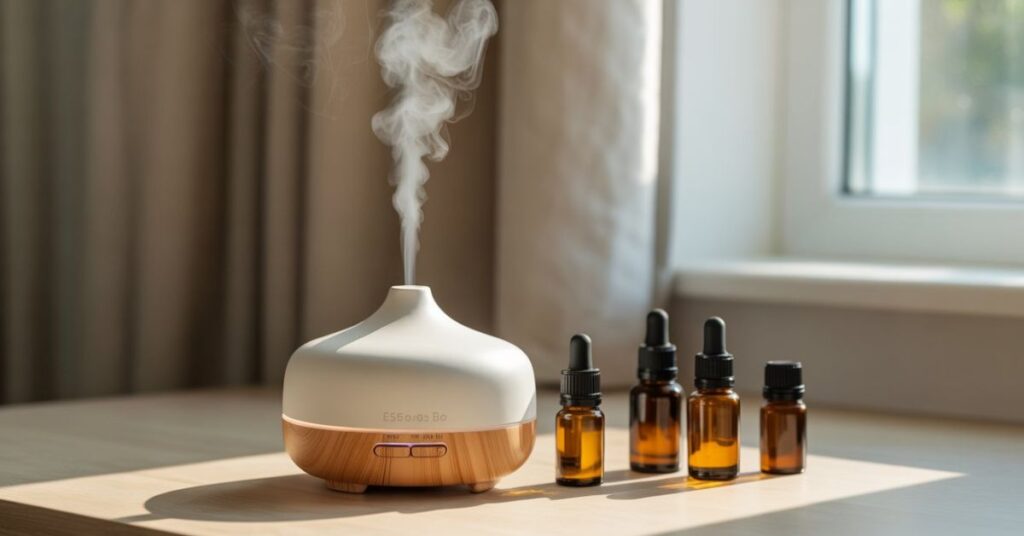
The number of essential oil drops depends on a few key factors: the size of your room, the type of diffuser, and your personal fragrance preference. Here’s a general guideline to start with:
- Small rooms (up to 150 sq. ft): 3–5 drops
- Medium rooms (150–300 sq. ft): 5–10 drops
- Large rooms (300 sq. ft+): 10–15 drops
These numbers are flexible. Some oils are more potent than others peppermint and eucalyptus, for instance, are stronger than lavender or chamomile.
How Many Drops of Essential Oil in Diffuser for Small Rooms
For small spaces such as bedrooms, bathrooms, or offices, fewer drops are usually enough. Using 3–5 drops in your diffuser ensures a gentle aroma that won’t overpower the room. This is ideal for relaxation or light fragrance throughout the day.
Tip: If you have a 100ml or 200ml diffuser, start with 3–4 drops. You can always add more gradually.
How Many Drops of Essential Oil in Diffuser for Medium Rooms
Medium-sized rooms like living rooms or kitchens need a bit more oil to fill the space effectively. Typically, 5–10 drops in a 300ml–500ml diffuser will provide a balanced scent without being too strong.
Tip: Avoid overloading the diffuser. Start with the lower end (5 drops) and adjust based on your preference.
How Many Drops of Essential Oil in Diffuser for Large Rooms
Large spaces such as open-plan areas or large lounges require more essential oil to create noticeable fragrance. Usually, 10–15 drops in a 500ml–1000ml diffuser works best.
Tip: If your diffuser has a 1000ml capacity, you can safely use up to 15 drops. Spread the scent by placing multiple diffusers in different corners for an even aroma.
Tidbit: Some essential oils are more potent, like clove, rosemary, or cinnamon. Use the lower end of the drop range for these oils to avoid overpowering the space.
Factors That Affect How Many Drops of Essential Oil in Diffuser
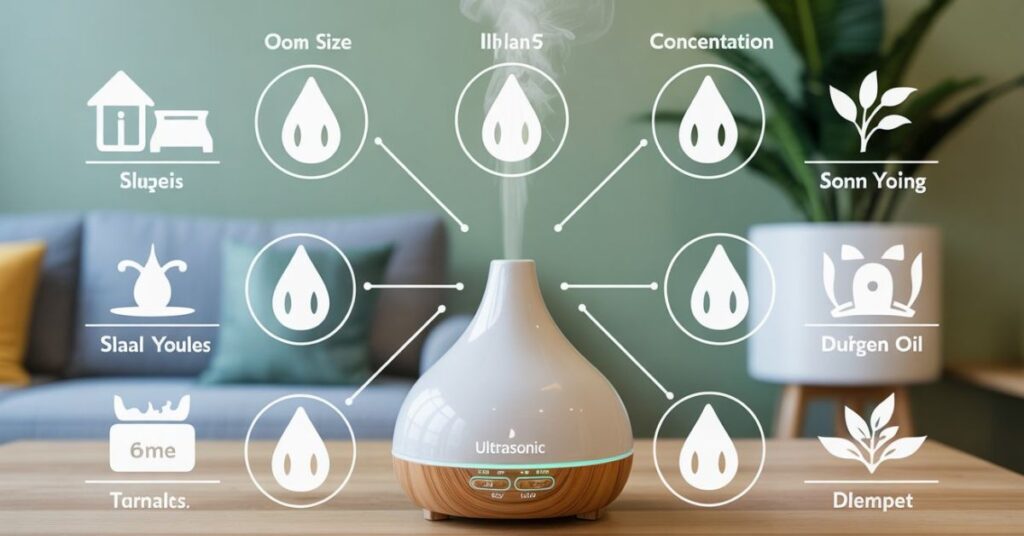
Understanding the factors that influence how many drops to use is essential for getting the perfect aroma without overwhelming your space. Several variables can affect the intensity and safety of essential oils in your diffuser.
Room Size and Air Circulation
The size of your room is the most obvious factor. Small rooms need fewer drops, while larger rooms require more. But it’s not just the square footage:
- Air circulation matters: A room with fans, vents, or open windows disperses aroma faster, requiring slightly more drops to maintain the scent.
- Closed rooms: Fewer drops are needed, as essential oils linger longer in stagnant air.
Tip: For spaces with high airflow, start with the lower end of the recommended drops and increase gradually if the scent feels weak.
Diffuser Type and Capacity
Different types of diffusers distribute essential oils in different ways:
- Ultrasonic diffusers: Use water to disperse oils as a fine mist. These are gentle, so you may need more drops for stronger scent.
- Nebulizing diffusers: These work without water and release concentrated oil directly into the air. Fewer drops are needed here.
- Heat diffusers: Heat can intensify the fragrance quickly, so always start with fewer drops.
Tip: Always check your diffuser’s maximum capacity and avoid exceeding recommended oil drops, as this can reduce the device’s lifespan.
Oil Strength and Quality
Not all essential oils are created equal. Potency and purity significantly affect how many drops you should use:
- Strong oils: Clove, cinnamon, and rosemary have intense aromas—use fewer drops.
- Mild oils: Lavender, chamomile, or orange blossom are gentler, allowing for slightly more drops.
- Quality matters: Pure, therapeutic-grade oils tend to have stronger scent than diluted or synthetic oils.
Tidbit: Mixing high-strength oils with milder ones can create a balanced aroma without overwhelming the senses.
Personal Sensitivity to Fragrance
Individual sensitivity varies. Some people are more sensitive to scents and may experience headaches or nausea if the fragrance is too strong:
- Start with fewer drops if you are new to essential oils.
- Increase gradually to find the level that is pleasant but not overpowering.
- Consider who will be in the room: children, elderly, and pets are usually more sensitive.
Tip: Always observe reactions when trying a new oil or diffuser setup.
How Many Drops of Essential Oil in Diffuser Based on Diffuser Type
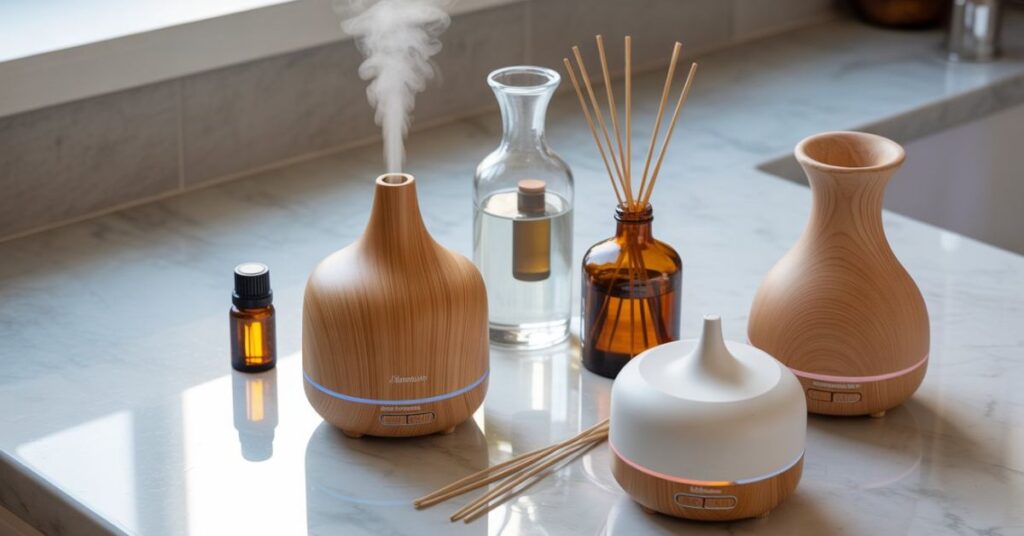
The type of diffuser you use plays a major role in determining how many drops of essential oil in diffuser you should add. Different diffusers release oils differently, so using the correct number of drops ensures optimal fragrance without wasting oil or overwhelming the space.
How Many Drops of Essential Oil in Diffuser (Ultrasonic Diffuser)
Ultrasonic diffusers are among the most popular types. They use water and ultrasonic vibrations to create a fine mist that disperses essential oils into the air.
- Small diffusers (100–200ml): 3–5 drops
- Medium diffusers (300–500ml): 5–10 drops
- Large diffusers (500–1000ml): 10–15 drops
Tips for Ultrasonic Diffusers:
- Always use room-temperature water.
- Avoid exceeding the diffuser’s maximum water level.
- Clean the diffuser regularly to prevent oil buildup.
Tidbit: Ultrasonic diffusers also add moisture to the air, making them ideal for dry climates.
How Many Drops of Essential Oil in Diffuser (Nebulizing Diffuser)
Nebulizing diffusers work without water. They atomize pure essential oil directly into the air, providing a strong, concentrated aroma. Because of their potency:
- Recommended drops per session: 5–8 drops
- Duration: Short bursts of 15–30 minutes are usually sufficient
Tips for Nebulizing Diffusers:
- Use only 100% pure essential oils—no carrier oils.
- Avoid running continuously; this can be overwhelming.
- Great for therapeutic benefits like aromatherapy and stress relief.
Tidbit: Nebulizing diffusers are perfect for large spaces because they distribute concentrated aroma quickly.
How Many Drops of Essential Oil in Diffuser (Heat Diffuser)
Heat diffusers use gentle warmth to release essential oils into the air. They are simple but can intensify fragrance quickly:
- Small heat diffusers: 2–4 drops
- Medium heat diffusers: 4–6 drops
- Large heat diffusers: 6–8 drops
Tips for Heat Diffusers:
- Use fewer drops for stronger oils like clove, cinnamon, or peppermint.
- Avoid leaving the diffuser unattended for long periods.
- Perfect for creating a cozy and aromatic environment quickly.
Tidbit: Heat diffusers are energy-efficient and often double as decorative items, making them popular for bedrooms or living areas.
How Many Drops of Essential Oil in Diffuser for Different Uses
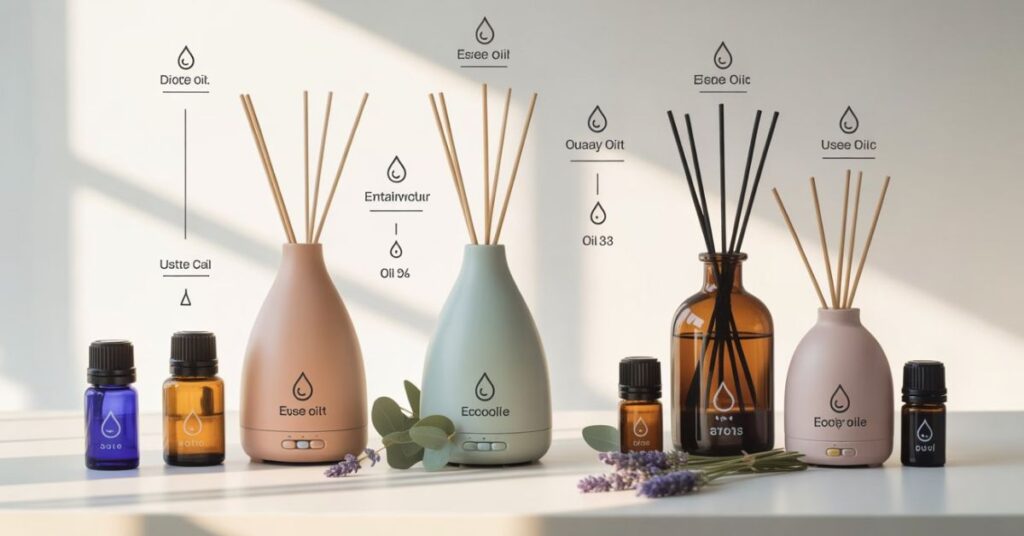
Essential oils can serve many purposes, from relaxation to boosting energy or improving sleep. The number of drops you use can influence how effective the oil is for your intended purpose. Here’s a practical guide to help you choose the right amount for each use.
How Many Drops of Essential Oil in Diffuser for Relaxation
Relaxing oils like lavender, chamomile, or bergamot are perfect for creating a calm and soothing environment.
- Recommended drops: 4–8 drops in a 300–500ml diffuser
- Tips:
- Use fewer drops for smaller rooms to avoid overpowering the space.
- Pair with soft lighting or calming music for maximum relaxation.
- Great for meditation, yoga, or winding down after a stressful day.
- Use fewer drops for smaller rooms to avoid overpowering the space.
Tidbit: Lavender is one of the most versatile oils for relaxation, providing both calming aroma and mild stress relief.
How Many Drops of Essential Oil in Diffuser for Sleep
For better sleep, gentle, calming oils help signal the body that it’s time to rest. Popular sleep-enhancing oils include lavender, cedarwood, and frankincense.
- Recommended drops: 3–6 drops in a 200–300ml diffuser
- Tips:
- Place the diffuser near your bed but not directly under your pillow.
- Use shorter diffusing sessions (30–60 minutes) before sleep.
- Avoid overly strong scents that may disturb sleep or cause headaches.
- Place the diffuser near your bed but not directly under your pillow.
Tidbit: A subtle scent is usually more effective for sleep than a strong aroma. Less is more.
How Many Drops of Essential Oil in Diffuser for Energy and Focus
Uplifting oils like peppermint, lemon, rosemary, and eucalyptus can boost alertness, focus, and energy. These are great for workspaces or study areas.
- Recommended drops: 5–10 drops in a 300–500ml diffuser
- Tips:
- Use slightly stronger scents than relaxation oils, but avoid overloading.
- Consider alternating scents depending on your mood or task.
- Lemon or peppermint can improve concentration and refresh your environment instantly.
- Use slightly stronger scents than relaxation oils, but avoid overloading.
Tidbit: Citrus-based oils are often linked with enhanced cognitive function and mood elevation.
What Happens If You Use Too Many Drops of Essential Oil in Diffuser?
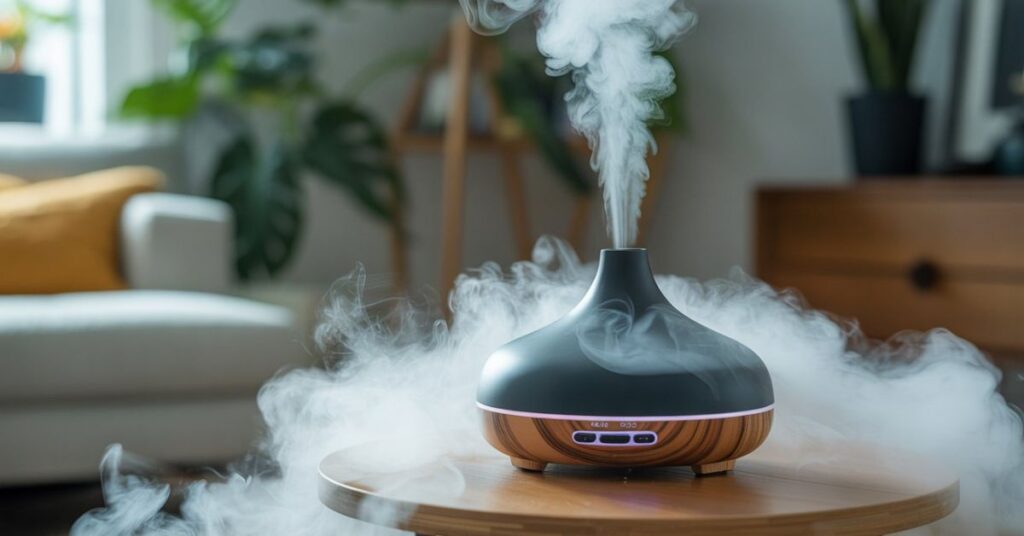
While essential oils are safe in the right amounts, using too many drops can cause unwanted effects. Understanding the risks and knowing how to fix overuse is essential for a safe and pleasant experience.
Side Effects of Using Too Much Oil
Overloading your diffuser with essential oils can lead to:
- Overpowering scent: The room may smell too strong and become uncomfortable.
- Headaches or nausea: Highly concentrated aromas can irritate the senses, causing dizziness or headaches.
- Respiratory irritation: Some potent oils (like peppermint, eucalyptus, or clove) can irritate the lungs or throat if diffused excessively.
- Damage to diffuser: Excess oil may clog or damage ultrasonic or heat diffusers over time.
Tip: Always follow recommended drops based on room size and diffuser type to avoid these issues.
How to Fix Too Many Drops in Diffuser
If you accidentally add too many drops, don’t worry you can fix it:
- Dilute with water: For ultrasonic diffusers, add more water to lower the concentration.
- Remove excess oil: If your diffuser allows, carefully remove some of the oil mixture.
- Ventilate the room: Open windows or doors to disperse excess fragrance.
- Clean the diffuser: Regular cleaning ensures oil buildup doesn’t affect future use.
Tidbit: If you notice irritation from a strong scent, leave the room for a few minutes and breathe fresh air before trying again.
How Long Should You Run a Diffuser with Essential Oil Drops?
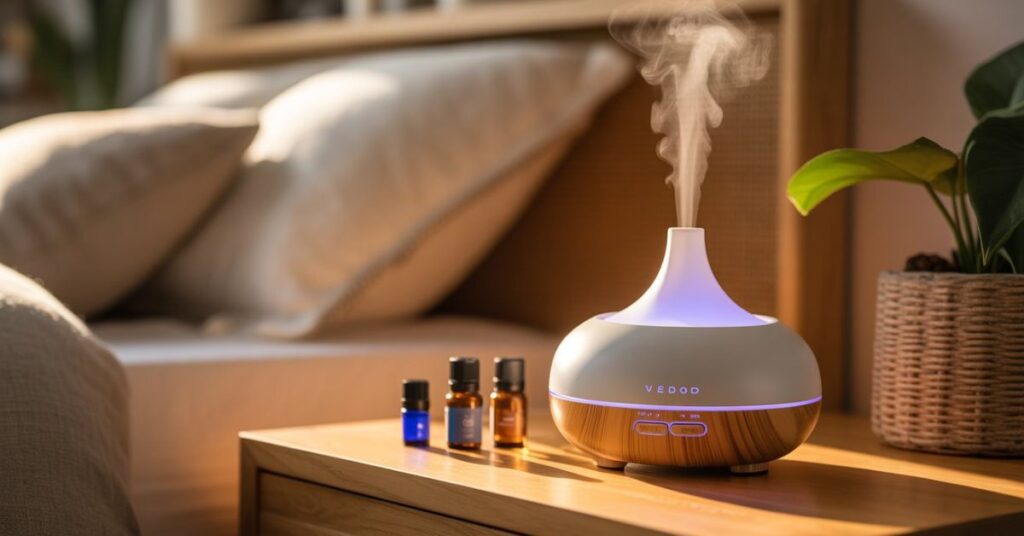
Knowing the ideal diffusing time ensures you enjoy the benefits of essential oils without overexposure or wasting oil. The duration depends on your diffuser type, room size, and the purpose of diffusion.
Ideal Diffusing Time
The recommended diffusing time generally falls between 15 minutes to 1 hour per session:
- Short sessions (15–30 minutes): Perfect for small rooms or concentrated benefits like focus or energy.
- Medium sessions (30–60 minutes): Ideal for relaxation, sleep preparation, or medium-sized rooms.
- Long sessions (1–2 hours max): Suitable for large rooms or continuous mild fragrance. Avoid exceeding 2 hours at a time.
Tip: Many ultrasonic diffusers have automatic timers—use them to prevent over-diffusion and conserve oil.
Can You Leave It Overnight?
Leaving a diffuser running overnight is not generally recommended, especially in small rooms:
- Oils can become too concentrated in a confined space, causing headaches or irritation.
- Heat or ultrasonic diffusers running all night can reduce device lifespan.
- Some oils may be too stimulating for sleep if overused.
Safe Alternatives:
- Use a diffuser with an auto-off timer set for 30–60 minutes before bed.
- Place the diffuser away from direct sleeping area but close enough for gentle scent diffusion.
- Opt for gentler oils like lavender or chamomile if diffusing before sleep.
Tidbit: A short pre-sleep session is more effective than running the diffuser all night, allowing your room to maintain a mild, relaxing fragrance.
Safety Tips When Deciding How Many Drops of Essential Oil in Diffuser
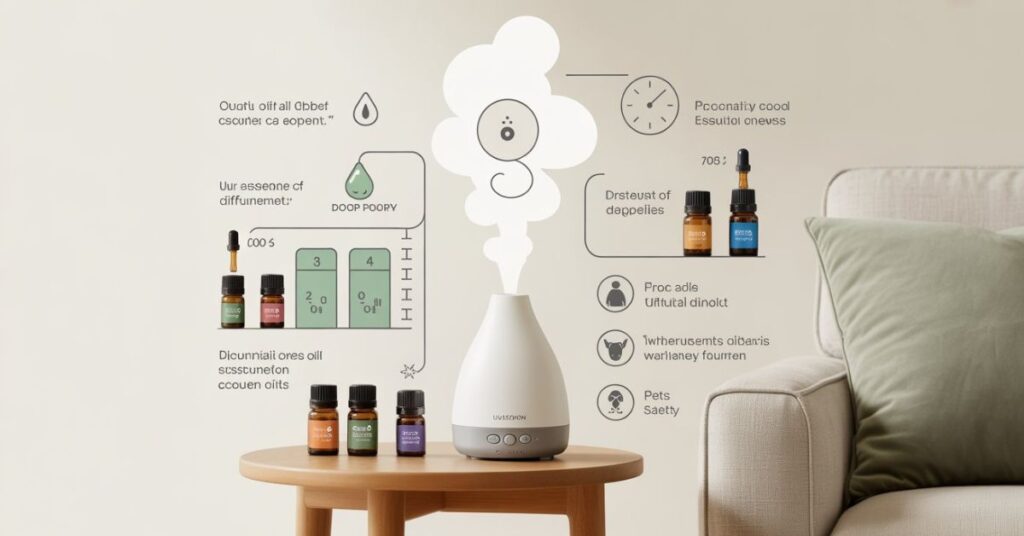
Safety is crucial when using essential oils. While they are natural, improper use can cause irritation, allergic reactions, or even harm to children and pets. Follow these guidelines to enjoy your diffuser safely.
Safe Use Around Children and Pets
Essential oils can be powerful and some are not safe for children or animals:
- Children: Use fewer drops and opt for gentle oils like lavender, chamomile, or mandarin. Avoid strong oils like eucalyptus, peppermint, or clove for young children.
- Pets: Cats and dogs are sensitive to certain oils. Keep diffusers out of reach and avoid using oils like tea tree, cinnamon, citrus, and peppermint around pets.
- Tip: Start with 2–3 drops in a small diffuser and observe reactions before increasing.
Tidbit: Always consult a pediatrician or veterinarian if unsure about specific oils for children or pets.
Avoiding Allergies and Irritation
Even for adults, essential oils can trigger reactions if overused or used improperly:
- Patch test: Before using a new oil, dab a small diluted amount on your skin to check for reactions.
- Over-diffusion: Too many drops can cause headaches, nausea, or respiratory irritation. Stick to recommended ranges.
- Sensitive individuals: If you have asthma, allergies, or respiratory conditions, consult a doctor before diffusing certain oils.
Tip: Keep rooms ventilated when diffusing oils to prevent buildup of strong fragrances.
Tips to Get the Best Results from How Many Drops of Essential Oil in Diffuser
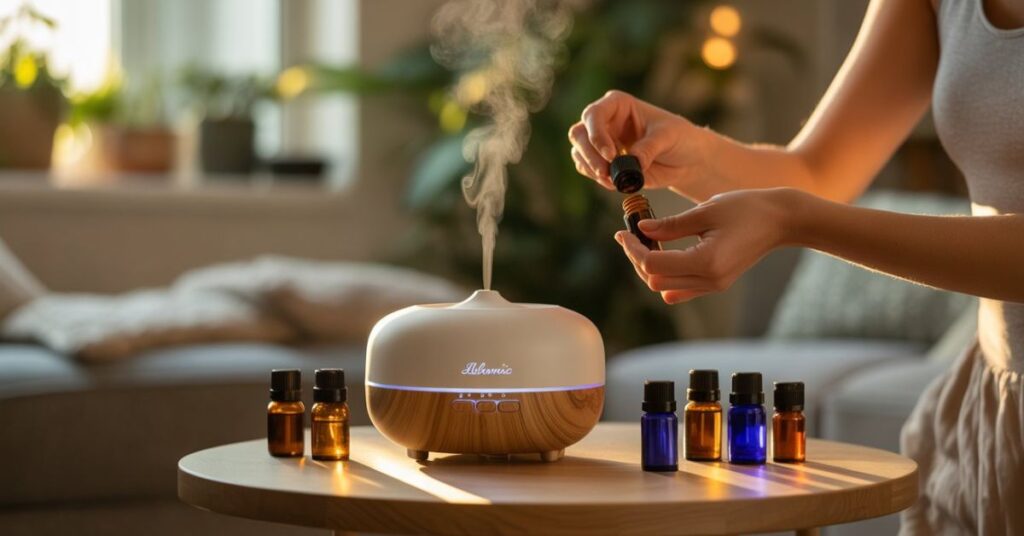
Getting the most out of your diffuser isn’t just about adding the right number of drops. Factors like water type, placement, and regular maintenance play a huge role in maximizing aroma, longevity, and overall experience.
Best Water Type to Use
The type of water you use can impact diffuser performance and scent quality:
- Filtered or distilled water: Reduces mineral buildup and ensures a consistent mist.
- Tap water: Works in most cases, but hard water can leave deposits in ultrasonic diffusers.
- Avoid scented water or additives: Only use plain water with essential oils to prevent damage and maintain pure aroma.
Tip: Using distilled water also helps prevent bacterial growth, keeping your diffuser clean and safe.
Proper Placement of Diffuser
Where you place your diffuser affects how evenly the fragrance spreads:
- Elevated surfaces: Place the diffuser on a table or shelf for better dispersion.
- Away from walls and corners: Ensures the mist circulates freely without being trapped.
- Near frequently used areas: For example, place in living rooms, bedrooms, or study areas to enjoy the aroma where you spend most time.
Tidbit: Avoid placing the diffuser near air vents or fans, as strong airflow can dissipate the scent too quickly.
Cleaning and Maintenance Tips
Regular maintenance keeps your diffuser working efficiently and prolongs its lifespan:
- Clean after every use: Empty water and wipe out residual oil.
- Deep clean weekly: Use a mixture of water and white vinegar to remove buildup.
- Check manufacturer instructions: Some diffusers have removable parts that require special care.
Tip: A clean diffuser ensures the essential oil aroma stays pure and prevents mold or bacterial growth.
Conclusion: Finding the Perfect Balance of How Many Drops of Essential Oil in Diffuser
Using essential oils in a diffuser can transform your home into a fragrant, relaxing, and therapeutic space. However, the key to maximizing benefits lies in finding the right balance of how many drops of essential oil to use in your diffuser. For instance, too few drops may produce only a faint scent, whereas too many can quickly overwhelm your senses and even cause irritation. Therefore, it’s important to adjust the amount carefully so that you enjoy the aroma safely and effectively.
Key Takeaways:
- Room size matters: Small rooms need fewer drops; large spaces require more.
- Diffuser type matters: Ultrasonic, nebulizing, and heat diffusers release oils differently, so adjust accordingly.
- Oil potency and quality: Stronger oils need fewer drops, and pure, high-quality oils provide the best aroma.
- Purpose of use: Adjust drops based on whether you want relaxation, sleep aid, energy, or focus.
- Safety first: Consider children, pets, allergies, and personal sensitivity.
- Maintenance and placement: Clean diffusers regularly and place them in areas where fragrance can circulate effectively.
By understanding these factors and using the guidelines provided in this article, you can enjoy the full benefits of essential oils safely and effectively. The ultimate goal is to create a pleasant, balanced aroma that suits your room, diffuser, and personal preferences.
Final Tip: Start with the lower end of recommended drops, observe the fragrance and effects, and adjust gradually. This ensures a perfect, safe, and enjoyable diffusion experience every time.
FAQs
How many drops are too many?
Using too many drops can overwhelm a room and cause irritation:
- General guideline: More than 15 drops in a standard diffuser (500–1000ml) is usually excessive.
- Potent oils: For oils like peppermint, clove, or cinnamon, even 5–8 drops may be enough.
- Effect: Overuse can lead to headaches, nausea, or respiratory discomfort.
Tip: Always start with fewer drops and increase gradually to your preference.
Can I mix different essential oils?
Yes! Mixing oils can create unique fragrances and therapeutic blends:
- Start with 1–2 drops of each oil in small diffusers.
- Balance strong and mild oils to avoid overpowering scents.
- Example: Mix 3 drops lavender + 2 drops lemon for a relaxing yet refreshing aroma.
Tidbit: Avoid mixing too many strong oils, as it can irritate the senses.
Does more oil give stronger scent?
Not always. While more drops can increase scent, there’s a limit:
- Saturation point: After a certain number of drops, the air cannot hold more aroma, making extra oil wasteful.
- Diffuser type matters: Nebulizing diffusers release more concentrated scent with fewer drops than ultrasonic or heat diffusers.
- Tip: Adjust based on room size, oil strength, and personal preference rather than simply adding more drops.