Introduction
Understanding essential oil vs aroma oil is essential in today’s wellness and fragrance industry. Many people confuse essential oils, aroma oils, and even fragrance oils, which can lead to the wrong choice for aromatherapy, home fragrance, or skincare. By learning the key differences between essential oil vs aroma oil, you can make informed decisions about which oil is best for your needs.
To begin with, whether you want to use a diffuser, improve your home ambiance, or experience the therapeutic benefits of oils, it is essential to know the distinction between them. This way, you can get maximum benefits from each type. Furthermore, this guide will explore the differences, uses, and benefits of both essential and aroma oils. In addition, it will provide tips for selecting the right oil, emphasizing both wellness and fragrance applications. Consequently, by understanding these differences, you can make an informed choice and fully enjoy the potential of each oil.
Essential Oil vs Aroma Oil Understanding the Basics
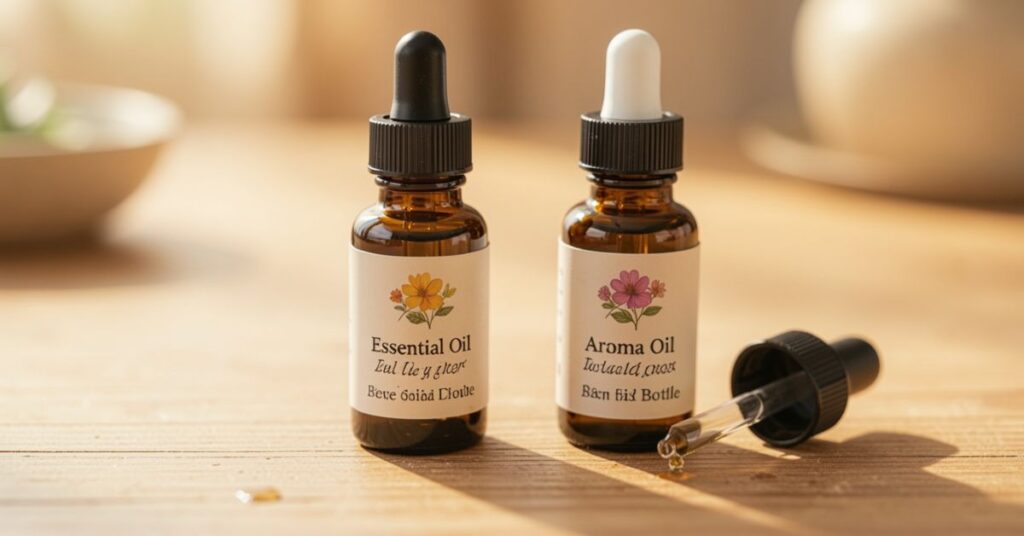
To start with, when discussing essential oil vs aroma oil, it’s important to know what each type represents. In particular, knowing this helps you understand why some oils are ideal for aromatherapy, whereas others are better suited for home fragrance or personal care products. As a result, making the right choice depends on your intended use and desired benefits.
Essential Oil vs Aroma Oil What Are Essential Oils?
Essential oils are concentrated extracts obtained directly from plants, flowers, leaves, or roots. They capture the natural fragrance and therapeutic properties of the plant. Unlike aroma oils, essential oils are highly potent; as a result, they are ideal for aromatherapy, massage, and skincare. Furthermore, their concentrated nature ensures effective results when used correctly. In addition, proper usage enhances their therapeutic benefits, while conversely, misuse can lead to skin irritation or other adverse effects. Therefore, understanding the correct application is crucial for maximizing their effectiveness.
Popular examples include lavender essential oil, peppermint, eucalyptus, and tea tree. The benefits of essential oils are extensive, including stress relief, relaxation, improved mood, and natural healing support.
Key points for essential oils:
- 100% natural plant extracts
- Strong scent and potent therapeutic effects
- The ideal diffuser for essential oils, skincare, and wellness
- Generally higher in cost due to the extraction process
Essential Oil vs Aroma Oil What Are Aroma Oils?
Aroma oils are blended oils that may contain natural extracts, synthetic fragrances, and carrier oils. Although they smell pleasant and enhance ambiance, aroma oils do not provide the same therapeutic effects as essential oils. Therefore, if your goal is wellness or aromatherapy, essential oils are the better choice.
Common uses of aroma oils include:
- Scented candles
- Reed diffusers and home fragrance products
- Bath and body products
- Light skincare and cosmetic applications
Aroma oils are often more affordable and widely available. However, when it comes to aromatherapy or wellness benefits, aroma oils are limited compared to essential oils.
Essential Oil vs Aroma Oil Composition Explained
The composition of oils is one of the biggest differences in the debate. Essential oils are pure plant extracts, while aroma oils are usually blends designed for fragrance rather than therapy.
| Feature | Essential Oils | Aroma Oils |
| Source | Pure plant extracts | Blended oils (natural + synthetic) |
| Potency | High | Moderate |
| Therapeutic Effect | Strong | Limited |
| Scent | Complex, natural | Sweet, floral, or designed |
| Cost | Expensive | Affordable |
| Common Uses | Aromatherapy, skincare, diffusers | Home fragrance, candles, reed diffusers |
From the table, you can see that the main differences between lie in purity, potency, and therapeutic effects. Choosing the right oil depends on your goal wellness or fragrance.
Essential Oil vs Aroma Oil Key Differences You Need to Know
When choosing between essential oil vs aroma oil, understanding their key differences is crucial. These differences influence effectiveness, cost, and usability, whether you are using oils for aromatherapy, home fragrance, or personal care. In this section, we will explore the main differences in purity, scent profile, cost, and market availability.
Essential Oil vs Aroma Oil Purity and Potency Comparison
The most significant difference in the debate is purity and potency. Essential oils are 100% natural plant extracts, making them highly concentrated. Aroma oils, on the other hand, are blends that may contain carrier oils, synthetic fragrances, or small amounts of natural extracts.
| Feature | Essential Oils | Aroma Oils |
| Concentration | Highly concentrated | Mild or moderate |
| Ingredients | Pure plant extracts | Mixed with synthetic fragrance or carrier oils |
| Potency for Aromatherapy | Very high | Low to moderate |
| Recommended Use | Diffusers, massage, skincare | Candles, reed diffusers, light scenting |
Tip: For therapeutic benefits such as stress relief or respiratory support, essential oils outperform aroma oils. For simply enhancing ambiance, aroma oils are sufficient.
Essential Oil vs Aroma Oil Scent Profile Differences
Another key difference between essential and aroma oils is the scent profile. Specifically, essential oils carry the true scent of the plant, often complex and subtle. In contrast, aroma oils are designed to be more appealing or stronger, and sometimes they are artificially enhanced.
- Essential oils: Natural, nuanced, often calming or therapeutic
- Aroma oils: Sweet, floral, or exotic; may lack depth or therapeutic quality
For example, lavender essential oil provides calming and relaxing benefits, while a lavender-scented aroma oil may only smell pleasant without the wellness effects.
Essential Oil vs Aroma Oil Cost and Affordability Comparison
Cost is a practical difference when comparing essential oil vs aroma oil. Essential oils are generally more expensive due to the extraction process and plant material required. Aroma oils are cheaper and mass-produced, making them accessible for daily home fragrance.
| Aspect | Essential Oils | Aroma Oils |
| Price per 10ml | $10–$25 | $2–$10 |
| Production | Labor-intensive, natural extraction | Simple blending with synthetic fragrance |
| Affordability | Less affordable | Budget-friendly |
| Best For | Therapeutic or high-quality use | Home fragrance or casual use |
Essential Oil vs Aroma Oil Availability and Market Access
Availability also differs between aroma oil. Essential oils are usually sold in specialized stores, online wellness shops, or pharmacies. Aroma oils are widely available in supermarkets, craft stores, and home fragrance sections, making them easier to purchase.
Quick Fact: Many people choose aroma oils for diffusers and reed refills because they are convenient. However, for health and aromatherapy applications, essential oils are preferred. In addition, essential oils provide therapeutic benefits that aroma oils cannot deliver.
Uses and Applications Explained
Understanding the difference between essential oils and aroma oils is not just about purity or cost. It also depends on how you use them in daily life. Both types of oils have unique applications. Choosing the right one depends on your needs. This section explores aromatherapy, home fragrance, skincare, and everyday uses.
Aromatherapy and Wellness Benefits
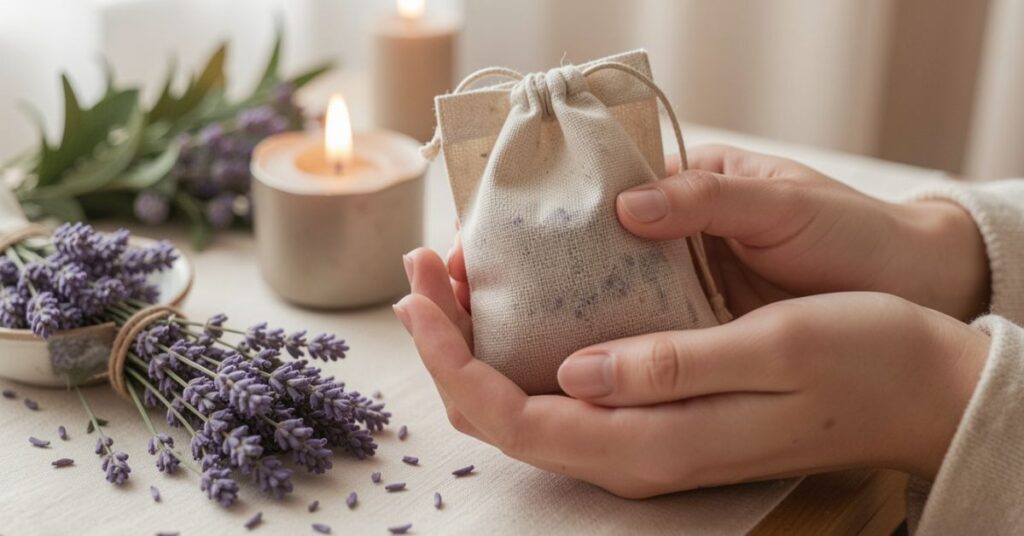
When it comes to aromatherapy, essential oils are the preferred choice. They retain natural plant compounds that provide real therapeutic effects.
These oils can help reduce stress and anxiety. They promote relaxation and better sleep. They also support respiratory health and improve mood and focus.
Popular examples include lavender oil for calming effects and peppermint oil for energy and clarity.
Aroma oils smell pleasant but do not offer the same therapeutic benefits. They are better suited for scent rather than wellness.
Pro Tip: Always use a diffuser with the correct water-to-oil ratio for safe and effective results.
Home Fragrance and Candle Uses
Both types of oils are widely used in home fragrance, but their roles are different.
Essential oils work best in diffusers. They provide a light, natural scent and create a refreshing environment.
Aroma oils are ideal for candles, reed diffusers, and oil burners. They produce a stronger and longer-lasting fragrance. They are also more affordable for decorative use.
A smart approach is to mix a few drops of essential oil with aroma oil. This improves scent while keeping some natural benefits.
Skincare and Cosmetic Applications
Essential oils are popular in skincare because of their natural properties. They offer antioxidant and antibacterial benefits. Many products include them for skin nourishment and care.
You will often find them in face serums, creams, body oils, and massage blends.
Aroma oils are mainly used for fragrance in cosmetics. They are common in soaps, bath bombs, and scented products. However, they do not provide the same skin benefits.
Quick Fact: Always dilute essential oils with a carrier oil before applying to the skin.
Everyday Uses of Aroma Oils
Aroma oils are perfect for daily use when therapeutic effects are not required. They are easy to use and budget-friendly.
People often use them in reed diffusers or aroma lamps to scent rooms. They are also popular for DIY candles and bath products. Many use them in potpourri or sachets to keep spaces fresh.
These oils are great for home décor and gifting. In contrast, essential oils are more suitable for health and wellness purposes.
Essential Oil vs Aroma Oil Benefits and Effects Compared
When evaluating aroma oil, understanding their benefits, effects, and limitations is crucial. While both oils are popular for their fragrance, essential oils provide strong therapeutic benefits, whereas aroma oils primarily enhance mood and ambiance. This section will explore health benefits, emotional effects, and practical limitations for each.
Essential Oil vs Aroma Oil Health and Therapeutic Benefits
The therapeutic properties of essential oils include:
- Stress relief and relaxation: Oils like lavender essential oil and chamomile promote calmness.
- Respiratory support: Eucalyptus and peppermint oils help clear airways and improve breathing.
- Antibacterial and antifungal properties: Tea tree and oregano oils can help cleanse the skin and support immunity.
- Pain relief: Peppermint and rosemary oils are used in massage therapy for muscle aches.
In contrast, aroma oils have limited therapeutic benefits. In fact, their primary purpose is to create a pleasant fragrance. Although they can enhance mood temporarily, they do not deliver the concentrated plant compounds found in essential oils. As a result, aroma oils are best suited for home fragrance and décor rather than wellness applications. Moreover, they are often more affordable and widely available, making them practical for everyday use.
Essential Oil vs Aroma Oil Emotional and Sensory Effects
Both essential oil influence emotions and senses, but in different ways:
- Essential oils: Their natural plant compounds can affect the limbic system, promoting relaxation, reducing anxiety, and even improving focus.
- Aroma oils: Mainly provide sensory enjoyment, enhancing ambiance or creating a welcoming environment, but without measurable emotional or physiological effects.
Pro Tip: For instance, use essential oils in a diffuser for aromatherapy sessions, because they provide therapeutic benefits. Meanwhile, aroma oils are great for enhancing home décor and casual scent enjoyment. In addition, combining both can create a balanced experience, offering both wellness and pleasant fragrance.
Essential Oil vs Aroma Oil Benefits and Limitations of Each
| Aspect | Essential Oils | Aroma Oils |
| Therapeutic Benefits | High – supports physical and mental wellness | Low – mostly fragrance |
| Emotional Effects | Calming, uplifting, energizing | Limited to pleasant mood |
| Skin Benefits | Effective when diluted | Mostly fragrance; may irritate |
| Cost | Higher | Lower |
| Practical Limitation | Requires proper handling and dilution | Less effective for health purposes |
By comparing essential oil vs aroma oil, it’s clear that essential oils excel in wellness and therapeutic use. In contrast, aroma oils are better for daily home fragrance and moreover, they offer budget-friendly applications. Therefore, choosing the right oil depends on your purpose and priorities.
Essential Oil vs Aroma Oil Safety, Skin Use, and Risks
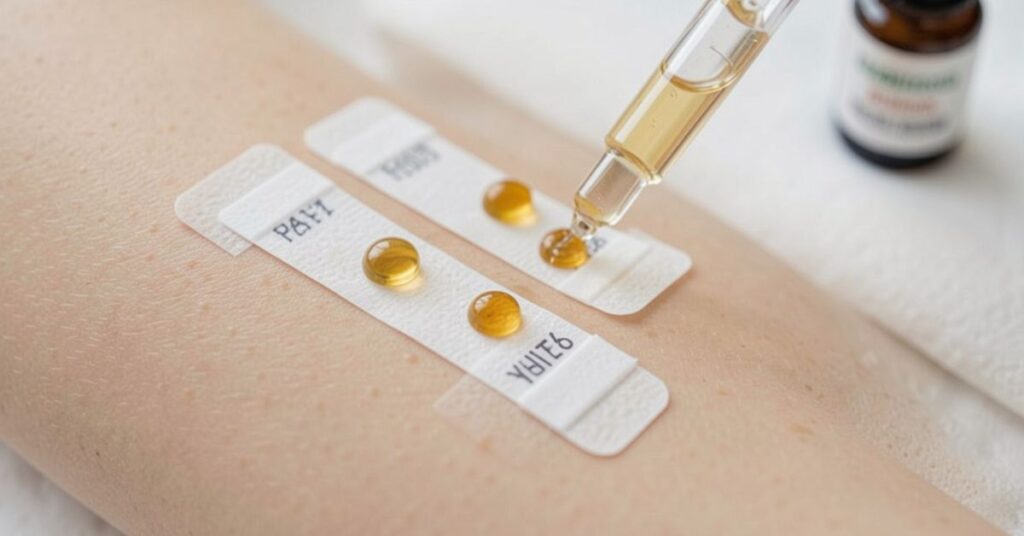
Understanding essential oil isn’t just about benefits, it’s also about safety. Using oils incorrectly can cause skin irritation, allergic reactions, or other issues. This section explains safe usage, skin compatibility, and precautions for both types of oils.
Are Essential Oils Safe for Skin?
Essential oils are highly concentrated. This makes direct application to the skin risky without proper dilution. Some oils, like lavender essential oil, are generally gentle. However, others, such as peppermint or citrus oils, may cause redness, itching, or even burns. Therefore, it’s important to dilute essential oils properly and always perform a patch test before applying them to the skin.
Safety Tips for Using Essential Oils on Skin
Always dilute essential oils with a carrier oil like jojoba, coconut, or almond oil. This reduces the risk of irritation.
Conduct a patch test before full application. Apply a small amount on your wrist or behind your ear and wait 24 hours.
Avoid applying essential oils on sensitive areas or broken skin. This includes eyes and inner areas.
Use recommended dilution ratios. For adults, a 1–3% dilution is usually safe.
Pro Tip: When using essential oils in skincare, check labels carefully. Avoid oils that cause photosensitivity, such as bergamot or lemon.
Can Aroma Oils Be Used on Skin?
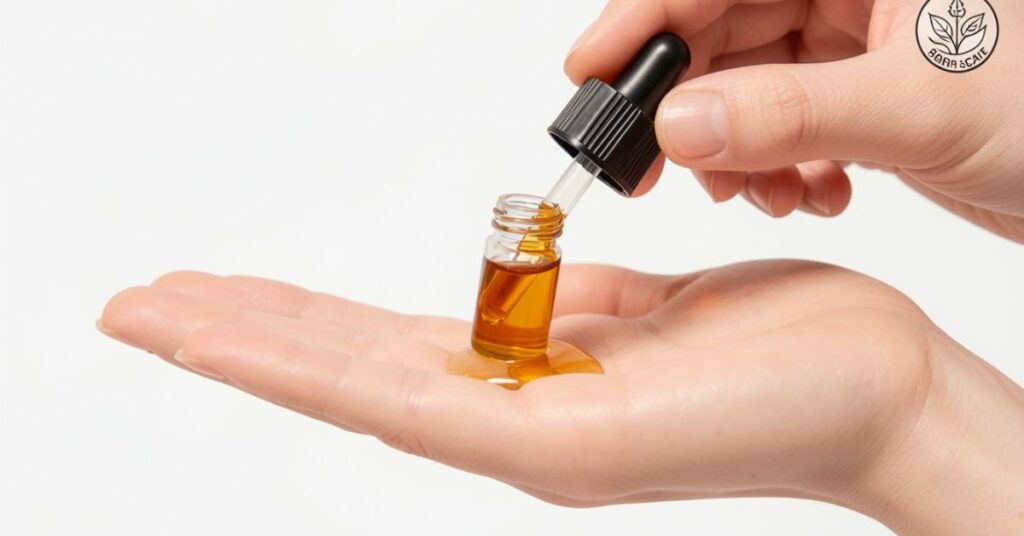
Aroma oils are mainly designed for fragrance. They are commonly used in candles, soaps, and diffusers. Many aroma oils contain synthetic ingredients, which may not be skin-friendly.
Candles and soaps with aroma oils are generally safe because they are diluted.
Avoid applying pure aroma oils directly to the skin, especially if they contain synthetic compounds.
Always read the ingredient label before using any product on your skin.
Quick Fact About Aroma Oils
Some aroma oils include small amounts of essential oils. This may give a mild scent benefit; however, it does not provide the same therapeutic effects as pure essential oils. In fact, essential oils contain concentrated plant compounds that aroma oils lack. As a result, for wellness purposes, aroma oils are not a substitute for pure essential oils.
Safety Tips and Sensitivity Issues
Both types of oils require careful handling. Misuse can lead to irritation or health risks.
Avoid ingesting oils unless they are clearly labeled as safe for internal use.
Store oils in a cool, dark place. Heat and sunlight can break down their quality.
Keep oils away from children and pets. Even small amounts can be harmful.
Watch for allergic reactions. Even gentle oils like lavender can cause sensitivity in some people.
Do not overuse oils in diffusers or baths. Strong concentrations can trigger headaches or skin issues.
Pro Tip: If irritation occurs, wash the area with mild soap and water immediately. For essential oils, applying a carrier oil can help reduce the burning sensation.
Essential Oil vs Aroma Oil Shelf Life and Storage Guide
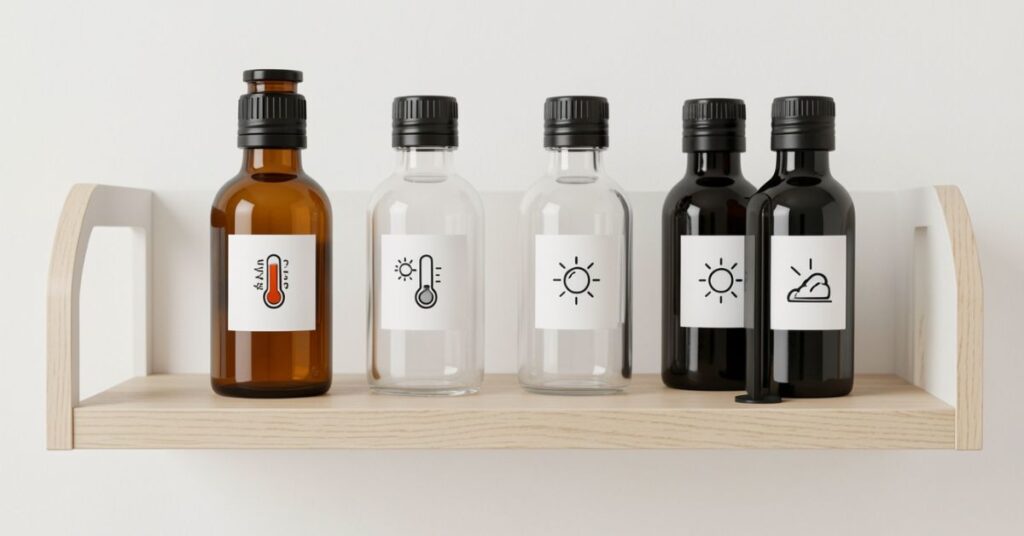
When discussing the, one of the most important yet often overlooked aspects is shelf life and proper storage. Oils that are stored incorrectly can lose their fragrance, potency, and therapeutic properties. Understanding how long oils last and how to store them is essential for maximizing both value and effectiveness.
Essential Oil vs Aroma Oil: How Long Do Oils Last?
The shelf life of oils varies depending on whether it’s an essential oil or an aroma oil. Generally, essential oils typically last 1–3 years depending on the type of plant, extraction method, and storage conditions. For example, citrus oils like lemon or orange have a shorter shelf life (around 1 year), whereas woody oils like sandalwood or cedarwood may last 3–4 years. On the other hand, aroma oils usually last 2–5 years, since they often contain stabilizers and synthetic components. However, aroma oils may lose fragrance quality over time, especially if exposed to heat or sunlight. Interestingly, some essential oils, like lavender essential oil, can even improve in aroma with proper aging if stored correctly.
Essential Oil vs Aroma Oil Best Storage Practices
Proper storage is key to extending the life of both vs aroma oil:
- Store in dark glass bottles: Amber or cobalt bottles protect oils from light degradation.
- Keep away from heat and sunlight: Avoid storing oils near windows, radiators, or stoves.
- Seal tightly after use: Oxygen exposure can reduce oil potency and fragrance.
- Store in cool, dry places: A cupboard or dedicated storage box works well.
- Avoid plastic containers: Plastic can react with essential oils and degrade them.
Pro Tip: Label each bottle with the purchase date to track freshness and replace oils that have changed color, consistency, or aroma.
Essential Oil vs Aroma Oil Labeling and Quality Standards
When comparing essential oil , understanding labels, quality grades, and regulations is crucial. Many products are marketed as “aromatherapy” or “pure oils,” but the truth often lies in the fine print. This section explains how to read labels, recognize quality standards, and be a smart buyer.
Essential Oil vs Aroma Oil Understanding Labels and Grades
Labels provide important information that distinguishes aroma oil:
- Essential oils: Look for terms like “100% pure,” “therapeutic grade,” or “organic.” Labels may also indicate the botanical name, country of origin, and extraction method (steam distillation, cold-press, etc.).
- Aroma oils: Often labeled as “fragrance oil” or “scented oil.” They may list synthetic ingredients, carrier oils, or blends but rarely mention plant species.
Quick Tip: Check for:
- Botanical name (e.g., Lavandula angustifolia for lavender)
- Extraction method
- Purity percentage
- Expiration or batch number
Recognizing these details ensures you understand whether you are getting true essential oils or aroma oils marketed for fragrance.
Essential Oil vs Aroma Oil Regulations and Buyer Awareness
Regulations around aroma oil vary by country, and quality standards are often not strictly enforced:
- Essential oils: Reputable brands follow ISO standards for purity, safety, and labeling. Look for certification from recognized bodies like USDA Organic, ISO 9235, or ECOCERT.
- Aroma oils: Regulations are looser, and products may contain synthetic compounds. Always purchase from trusted brands to avoid allergens or low-quality blends.
Pro Tip: When in doubt, ask for third-party testing or Certificates of Analysis (COA) to verify essential oil purity. This ensures you’re buying high-quality oils for wellness or aromatherapy.
Essential Oil vs Aroma Oil How to Choose the Right One
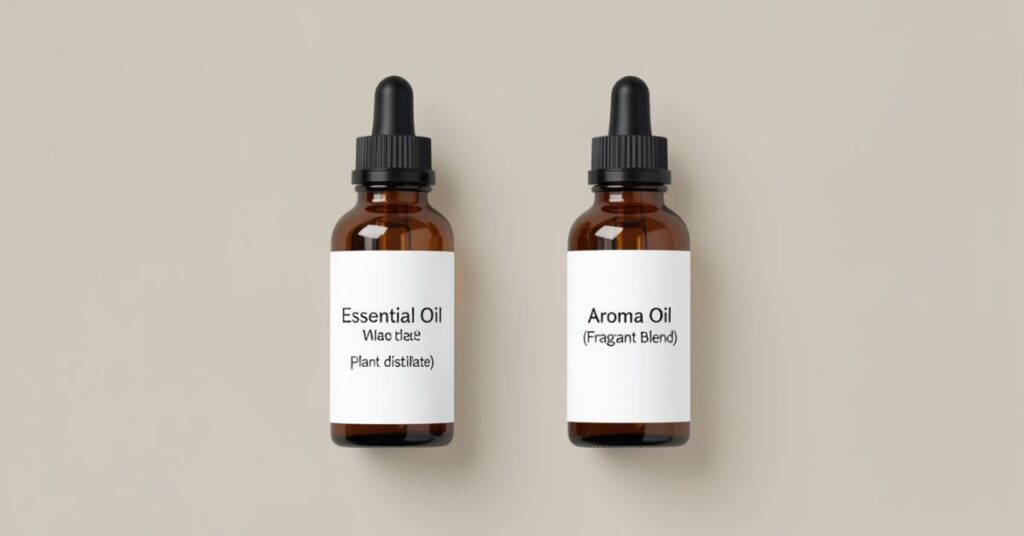
Choosing the right oil involves more than picking a fragrance. Understanding aroma oil helps you select the best option based on purpose, quality, and budget. This section provides practical tips for selecting oils, identifying high-quality products, and making informed decisions.
Essential Oil vs Aroma Oil Choosing Based on Your Needs
Essential oils versus aroma oils should be chosen based on their intended use:
- Understood! Your paragraph has good content, but it only uses one implied transition (for example), so the system flags it. We can add more transition words to connect ideas and improve flow. Here’s a revised version:
- Home Fragrance: Aroma oils are perfect for diffusers, reed refills, or candles, providing strong, long-lasting scent without the cost of pure essential oils.
- Skincare: Essential oils, when diluted, offer antioxidant and soothing properties, whereas aroma oils may only add fragrance.
Tip: Ask yourself: “Do I want therapeutic benefits, fragrance, or both?” This helps determine whether aroma oil is the right choice.
Essential Oil vs Aroma Oil Practical Buying Tips
When buying oils, keep these tips in mind:
- Check the label carefully: Ensure botanical name, extraction method, and purity are listed for essential oils.
- Smell test: Essential oils smell subtle and complex; aroma oils tend to be stronger and sweeter.
- Buy from trusted brands: Reputable brands provide certificates of analysis (COA) and adhere to quality standards.
- Consider price vs quality: Extremely cheap “essential oils” may be diluted or synthetic.
Pro Tip: For beginners, start with a small set of essential oils for wellness and pair them with a few aroma oils for home fragrance experimentation.
Essential Oil vs Aroma Oil How to Identify High-Quality Oils
Identifying high-quality oils ensures that you get authentic benefits. Here’s what to look for:
- Essential Oils: Pure, potent, natural, with correct botanical name and extraction method. Aroma should be true to the plant, not overpowering.
- Aroma Oils: Even though they are mostly synthetic, check for reputable brand, ingredient transparency, and intended use.
- Packaging: Dark glass bottles prevent degradation.Long-term storage should not be done in clear or plastic bottles.
Quick Fact: High-quality oils maintain potency longer and are safer for diffusers, skincare, and aromatherapy, making your investment worthwhile.
Tidbit: Combining essential oils and aroma oils in diffusers or candles can create a balanced experience therapeutic benefits from essential oils and stronger scent from aroma oils. This is especially useful when comparing aroma oil for multi-purpose use.
Essential Oil vs Aroma Oil Diffuser Oils vs Reed Refills vs Pure Oils
Choosing the right format of oil is crucial when comparing aroma oil. Different formats diffuser oils, reed refills, and pure oils serve distinct purposes. This section explains their differences, uses, and which option to choose.
Essential Oil vs Aroma Oil Key Differences Explained
| Feature | Diffuser Oils | Reed Refills | Pure Essential Oils |
| Composition | Often blended for scent, may contain some essential oils | Usually aroma oils with synthetic fragrance | 100% pure plant extracts |
| Purpose | Aromatherapy and mild fragrance | Home scent and decor | Therapeutic, aromatherapy, skincare |
| Usage | Electric, ultrasonic, or nebulizing diffusers | Placed in reed sticks or decorative bottles | Dilution needed for skin, direct inhalation in diffusers |
| Scent Strength | Moderate | Strong, long-lasting | Natural, subtle, potent when concentrated |
| Cost | Moderate | Low | High |
From the table, it’s clear that essential oils vs aroma oils differ not only in composition but also in usage and cost. Specifically, pure essential oils provide therapeutic effects, whereas diffuser and reed refill oils, on the other hand, focus on fragrance convenience. Moreover, essential oils often require careful handling, while aroma oils offer easy, ready-to-use options for home décor. Therefore, choosing the right oil depends on your intended use and level of experience.
Essential Oil vs Aroma Oil Which Option Should You Use?
- Diffuser Oils: Ideal for wellness-focused use. A mix of essential oils can improve mood, reduce stress, or aid relaxation. Use essential oils in diffusers to maintain potency.
- Reed Refills: Best for continuous home fragrance. Aroma oils are common here because they are affordable and long-lasting.
- Pure Essential Oils: Perfect for aromatherapy, skincare, or massage. They require careful handling and proper dilution but provide maximum benefits.
Pro Tip: You can combine formats use pure essential oils in a diffuser for wellness and aroma oils in reed diffusers for strong ambient fragrance. This way, you get the best of both worlds when comparing essential oil vs aroma oil.
Essential Oil vs Aroma Oil Which One Is Better for You?
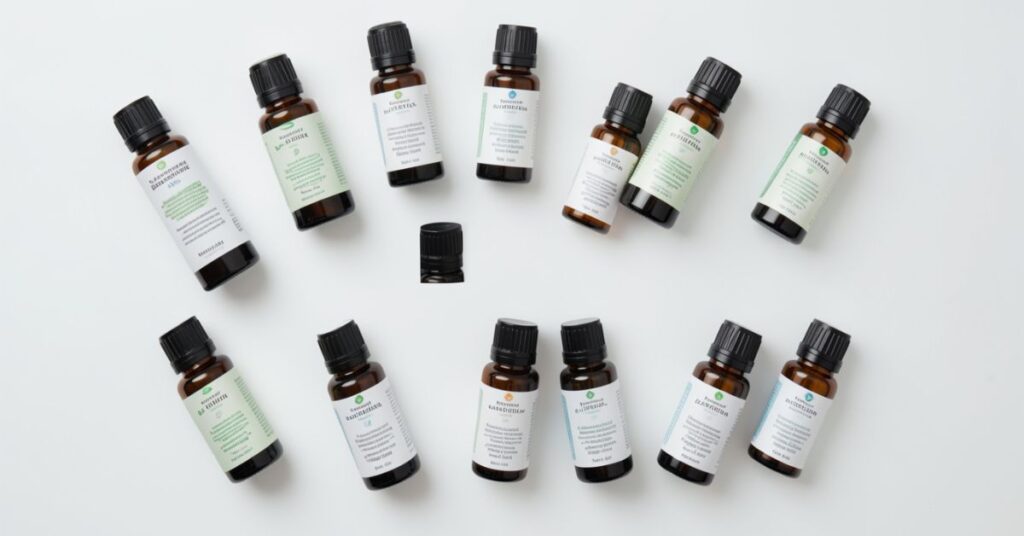
Choosing between essential oil vs aroma oil ultimately depends on your purpose, budget, and desired effects. This section compares the pros and cons and provides guidance for different uses, helping you make an informed decision.
Essential Oil vs Aroma Oil Pros and Cons Comparison
| Aspect | Essential Oils | Aroma Oils |
| Pros | Pure, therapeutic, effective for aromatherapy, natural scent | Affordable, long-lasting fragrance, easy to use, widely available |
| Cons | Expensive, requires careful handling, shorter shelf life | Limited therapeutic benefits, may contain synthetic ingredients, less natural aroma |
| Best For | Wellness, skincare, stress relief, meditation | Home fragrance, candles, reed diffusers, casual use |
| Safety | Needs dilution for skin, avoid ingestion unless certified | Generally safe for fragrance, may irritate skin if applied directly |
Key Insight: If your goal is wellness and aromatherapy, essential oils are superior. For ambient scent and decorative purposes, aroma oils are more practical.
Essential Oil vs Aroma Oil Best Choice for Different Uses
- For Relaxation and Stress Relief: Essential oils like lavender, chamomile, or eucalyptus in a diffuser are best.
- For Home Fragrance: Aroma oils in reed diffusers or candles provide strong, lasting scent.
- For Skincare or Massage: Essential oils, diluted with carrier oils, offer skin benefits and therapeutic effects.
- For Budget-Friendly Options: Aroma oils are ideal for everyday scenting without breaking the bank.
Pro Tip: You don’t have to choose one exclusively. A combination of essential oil vs aroma oil can optimize both wellness and fragrance in your home.
Essential Oil vs Aroma Oil Final Thoughts and Recommendations
Choosing between essential oil vs aroma oil depends on understanding their differences, uses, and benefits. Both have unique advantages, but knowing when and how to use each ensures you get the best value and experience.
Key Takeaways:
- Essential Oils
- Pure, concentrated plant extracts.
- Ideal for aromatherapy, skincare, and wellness.
- Higher cost but therapeutic benefits justify the price.
- Must be diluted for skin use; follow safety guidelines.
- Aroma Oils
- Primarily for fragrance and ambiance.
- Affordable and long-lasting; ideal for reed diffusers, candles, or casual scenting.
- Limited therapeutic benefits; may contain synthetic components.
- Choosing the Right Oil
- For wellness and aromatherapy, prioritize essential oils like lavender essential oil.
- For home fragrance or budget-friendly options, aroma oils are practical.
- Combining both can create a balanced experience, providing therapeutic benefits from essential oils and strong fragrance from aroma oils.
- Storage and Safety
- Store oils in dark glass bottles, away from heat and sunlight.
- Always check labels for purity, extraction method, and ingredients.
- Follow recommended dilution ratios and avoid direct skin application for undiluted oils.
- Practical Tip:
- Beginners can start with a small essential oil set for wellness (lavender, eucalyptus, peppermint) and one or two aroma oils for home fragrance. This allows experimenting while understanding essential oil vs aroma oil benefits.
FAQs
Essential Oil vs Aroma Oil Are they the same?
No, essential oil vs aroma oil are not the same. Pure plant extracts, known as essential oils, offer therapeutic benefits.In contrast, aroma oils are primarily fragrance blends and can include synthetic compounds. Meanwhile, people use essential oils for aromatherapy, skincare, and overall wellness. Furthermore, aroma oils are mainly designed for home fragrance and décor. Therefore, selecting the right oil depends on your intended purpose and personal preferences.
Essential Oil vs Aroma Oil Which is better for aromatherapy?
Essential oils are the better choice for aromatherapy. Their natural compounds interact with the nervous system to reduce stress, improve mood, and support relaxation. Aroma oils may smell pleasant but lack the concentrated therapeutic benefits needed for aromatherapy sessions.
Essential Oil vs Aroma Oil Are aroma oils safe to use?
Yes, aroma oils are generally safe for home fragrance, reed diffusers, or candles, but they should not be applied directly to the skin without checking ingredients. Some aroma oils contain synthetic components that may cause allergic reactions or irritation if used incorrectly.
Essential Oil vs Aroma Oil Why are essential oils expensive?
Essential oils are highly concentrated, requiring large amounts of plant material to produce a small bottle. For example, producing 10 ml of lavender essential oil can take hundreds of flowers, which makes them more expensive than aroma oils, which are often synthetic or blended for scent only.
Essential Oil vs Aroma Oil How to tell the difference when buying?
- Check the label: Look for botanical names, extraction method, and purity percentage.
- Smell test: Essential oils have a natural, complex scent, while aroma oils often smell strong and sweet.
- Packaging: Essential oils usually come in dark glass bottles, aroma oils may come in clear or plastic bottles.
- Price: Extremely cheap “essential oils” may be diluted or synthetic.
- Trusted brands: Always buy from reputable suppliers with certificates of analysis (COA) or verified reviews.