Introduction:
Stretch marks are a common skin concern that affects many men and women worldwide. They often appear as streaks or lines on areas such as the abdomen, thighs, hips, and breasts. While they are harmless, they can impact confidence and skin appearance. Many people turn to natural remedies, and coconut oil for stretch marks has become one of the most popular options due to its skin-healing and moisturizing properties. This article dives deep into understanding stretch marks, how coconut oil works, and its effectiveness in improving skin health.
What Are Stretch Marks and Why They Appear
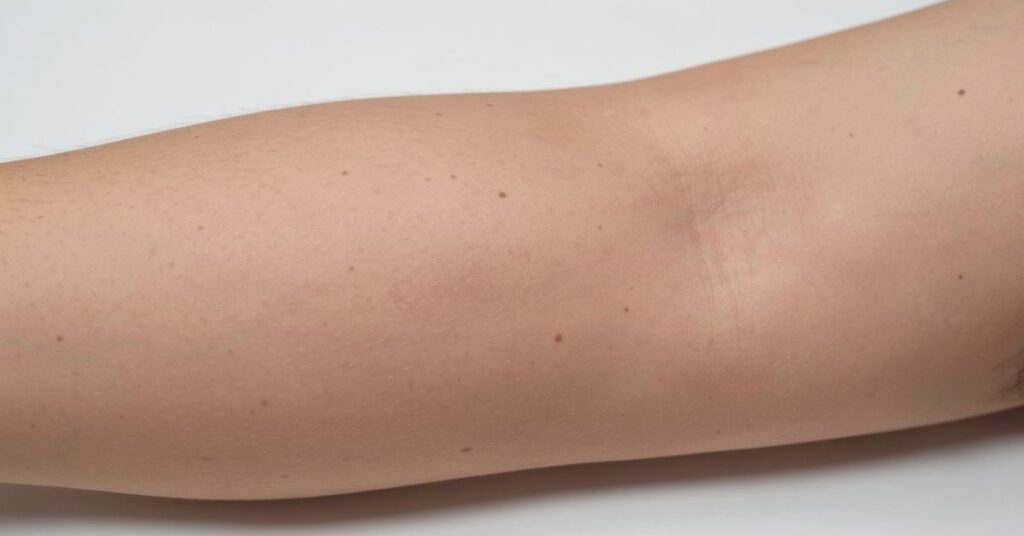
Stretch marks, or striate, are scars that appear on the skin when it stretches quickly. They typically begin as red or purple lines and gradually fade to a lighter, silvery colour. Stretch marks occur when the skin’s elastic fibbers are stretched beyond their capacity, causing tears in the dermis, the middle layer of the skin. While often associated with pregnancy, stretch marks can affect anyone experiencing rapid growth, weight gain, or hormonal changes.
Causes and Types of Stretch Marks
The formation of stretch marks can be linked to several factors:
- Pregnancy: Rapid expansion of the abdomen often leads to stretch marks on the belly and breasts.
- Rapid weight changes, such as sudden gain or loss, can stretch the skin beyond its limits.
- Puberty: Teenagers may experience stretch marks during growth spurts.
- Genetics: Some people are more prone due to family history.
- Hormonal Changes: Cortisol, a hormone that affects skin elasticity, can contribute to stretch mark formation.
There are different types of stretch marks based on their appearance:
- Striae Rubrae: Red or purple marks that are relatively new.
- Striae Albae: White or silvery marks that have matured over time.
- Striae Caerulea: Blueish marks, more common in darker skin tones.
Understanding the type of stretch mark is essential because it helps in choosing the right treatment, such as moisturizing oils or more intensive therapies.
The Science Behind Stretch Marks
The development of stretch marks involves microscopic changes in the skin. When the dermis is stretched too quickly, collagen and elastin fibers break down. These fibers are crucial for skin elasticity and firmness. As a result, small tears appear in the dermis, which eventually show through the epidermis (outer skin layer) as visible streaks.
Scientific studies show that skin hydration and elasticity play a significant role in stretch mark prevention and treatment. Oils rich in fatty acids and antioxidants, like coconut oil, can help maintain skin flexibility, reduce dryness, and potentially minimize the visibility of stretch marks over time.
What Is Coconut Oil and How It Works for Skin

Coconut oil is a natural oil obtained from the flesh of fully matured coconuts. It has been used for centuries in skincare due to its rich composition of fatty acids, antioxidants, and vitamins. Its moisturizing and healing properties make it a favorite remedy for skin concerns like dryness, scars, and stretch marks.
When applied to the skin, coconut oil penetrates deeply to nourish and hydrate, improving elasticity and overall texture. This is particularly important for areas prone to stretch marks, where skin is under tension and can easily lose moisture and flexibility. Regular use of coconut oil for stretch marks can help maintain supple skin, reduce dryness, and create an environment conducive to natural healing.
Coconut oil is versatile it can be used alone or combined with other natural ingredients for enhanced effects. Its light texture makes it suitable for daily application without leaving a heavy residue.
Nutritional and Healing Properties of Coconut Oil
Coconut oil is packed with nutrients that benefit the skin:
- Lauric Acid: Has antibacterial and anti-inflammatory properties, protecting skin from irritation and infections.
- Vitamin E: A powerful antioxidant that supports skin repair and minimizes oxidative damage.
- Medium-Chain Fatty Acids (MCFAs): Help moisturize deeply and restore the skin’s lipid barrier.
- Polyphenols: Offer protective benefits against free radical damage, which can contribute to premature aging and stretch mark formation.
These compounds collectively improve skin health by enhancing hydration, promoting collagen production, and reducing inflammation all crucial factors for maintaining skin elasticity and minimizing stretch mark formation.
How Coconut Oil Improves Skin Appearance
Using coconut oil regularly can visibly improve skin appearance. Here’s how it works:
- Hydration: Deeply moisturizes the skin, preventing dryness that can worsen stretch marks.
- Elasticity Improvement: Enhances skin flexibility, making it less prone to tearing when stretched.
- Soothing Effect: Reduces itching and irritation often associated with stretch marks, especially during pregnancy.
- Skin Tone: Long-term use may help even out discoloration caused by stretch marks.
Practical insight: For best results, apply best coconut oil for stretch marks twice daily on affected areas. Massage gently to stimulate blood flow and absorption. Over time, skin becomes softer, smoother, and more resilient, creating the ideal foundation for preventing and minimizing stretch marks.
Does Coconut Oil Really Work for Stretch Marks?

Many people wonder whether coconut oil for stretch marks is truly effective or just another beauty myth. Scientific studies and anecdotal evidence suggest that while coconut oil may not completely erase stretch marks, it can significantly improve their appearance. Its natural moisturizing and healing properties enhance skin elasticity, making stretch marks less noticeable over time.
Unlike synthetic creams that may contain harsh chemicals, coconut oil offers a gentle, safe alternative for daily use. Its ability to penetrate deeply into the skin helps repair minor damage, reduces inflammation, and keeps the skin supple.
Does Coconut Oil Help Fade Stretch Marks?
Coconut oil can help reduce the visibility of stretch marks, especially when used consistently. The key benefits include:
- Improved Hydration: Keeps skin well-moisturized, preventing the formation of new marks.
- Elasticity Support: Strengthens the dermis, reducing the depth and severity of existing stretch marks.
- Healing Assistance: Antioxidants in coconut oil support skin repair and regeneration.
While it may not remove old stretch marks completely, studies and user experiences show that marks become lighter, smoother, and less prominent with regular use. Combining coconut oil with gentle massage can further enhance these effects by stimulating blood flow and promoting collagen production.
Comparing Coconut Oil With Other Oils Like Cocoa Butter
Coconut oil is often compared with other popular natural remedies for stretch marks, such as cocoa butter, olive oil, and almond oil. Here’s a quick comparison:
| Oil | Benefits for Stretch Marks | Best Use |
| Coconut Oil | Deep hydration, skin elasticity, antioxidant support | Daily massage on affected areas |
| Cocoa Butter | Moisturization, prevents dryness, rich in fatty acids | Use for new or mild stretch marks |
| Olive Oil | Antioxidant-rich, anti-inflammatory | Best for sensitive skin areas |
| Almond Oil | Vitamin E-rich, softens skin | Effective as a daily moisturizer |
Coconut oil stands out for its rapid absorption, mild scent, and combined moisturizing and healing benefits.Many prefer it over cocoa butter for its lighter texture and versatility in combination remedies.
Benefits of Using Coconut Oil for Stretch Marks

Using coconut oil for stretch marks provides multiple benefits for skin health and appearance. Unlike many chemical-based creams, coconut oil is natural, safe, and packed with nutrients that support skin repair and elasticity. Regular use can not only improve existing stretch marks but also prevent new ones from forming.
Moisturization and Skin Elasticity Improvement
A key benefit of coconut oil is its ability to provide deep hydration to the skin. Stretch marks often occur when skin becomes dry and loses its elasticity. Coconut oil penetrates the skin layers, providing hydration that keeps the skin soft, supple, and resilient.
Enhanced skin elasticity is crucial because flexible skin is less likely to tear during rapid weight changes, pregnancy, or growth spurts. Regular application improves skin texture, making stretch marks less noticeable over time.
Pro Tip: Massage coconut oil for stretch marks after pregnancy into affected areas twice daily. The combination of moisturizing and gentle massage helps stimulate blood flow and supports natural skin repair.
Prevention of Future Stretch Marks
Coconut oil isn’t just helpful for existing stretch marks it also plays a preventive role. By keeping the skin hydrated and elastic, it reduces the likelihood of new marks forming during periods of rapid growth or stretching.
- Pregnant women can benefit significantly by applying coconut oil to the belly, hips, and breasts to minimize stretch marks.
- Individuals experiencing sudden weight gain or loss can use coconut oil as part of a daily skincare routine to maintain skin flexibility.
- Those starting an intensive fitness program can also prevent marks on muscles that expand quickly.
How to Use Coconut Oil Effectively
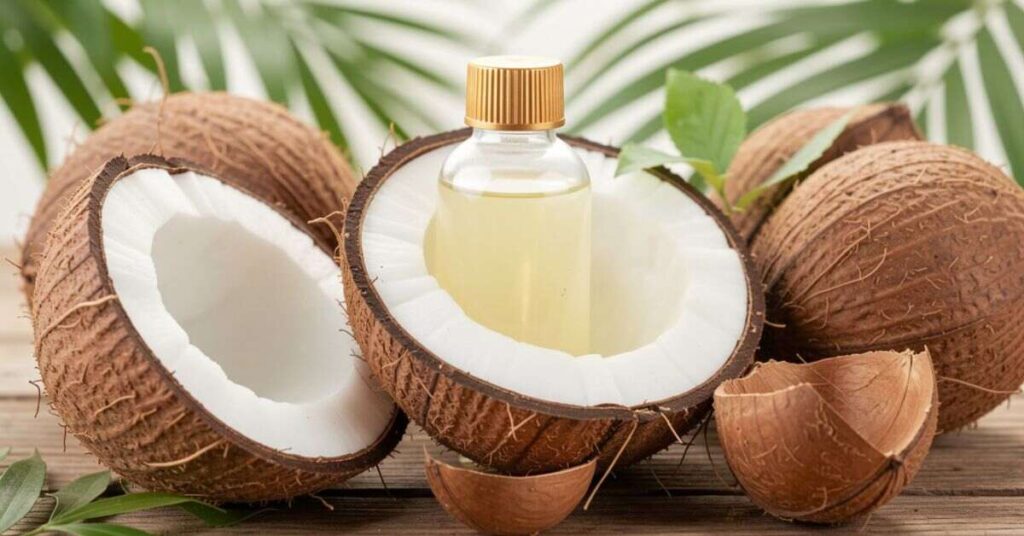
Using coconut oil for stretch marks correctly can maximize its benefits. While coconut oil is gentle and safe, applying it strategically ensures deeper hydration, improved elasticity, and better overall skin health. Incorporating it into your daily skincare routine can make a noticeable difference over time.
Simple Daily Application Methods
Applying coconut oil doesn’t have to be complicated. Here are a few practical tips for using it every day:
- Cleanse First: Wash the target area with lukewarm water to remove dirt and open pores.
- Warm the Oil: Slightly warm the coconut oil to enhance absorption into the skin.
- Gentle Massage: Apply a small amount on stretch mark-prone areas, such as the abdomen, thighs, hips, or breasts. Massage in circular motions for 5–10 minutes.
- Consistency is Key: Apply coconut oil for stretch marks during pregnancy or after weight fluctuations at least twice daily.
- Night Routine: Using coconut oil at night allows for prolonged absorption while the skin repairs itself during sleep.
Pro Tip: For maximum effect, pair coconut oil application with light stretching or movement. This encourages better blood circulation and supports skin elasticity.
Combination Remedies (Turmeric, Castor Oil, Olive Oil)
Coconut oil can also be combined with other natural ingredients to boost its effectiveness:
- Turmeric & Coconut Oil: Turmeric’s anti-inflammatory properties paired with coconut oil can reduce redness and irritation associated with new stretch marks.
- Castor Oil & Coconut Oil: When combined, castor oil’s skin-repairing properties work with coconut oil to create a powerful healing blend.
- Olive Oil & Coconut Oil: Olive oil’s antioxidants complement coconut oil’s moisturizing properties, creating a nourishing solution for dry, stretch mark-prone areas.
DIY Tip: Mix equal parts of coconut oil and your chosen oil or turmeric paste, apply to the affected area, and leave for 20–30 minutes before rinsing. This combination approach can speed up improvement in skin texture and elasticity.
Risks, Side Effects, and Safety Tips
While coconut oil for stretch marks is generally safe, it’s important to understand potential risks and how to use it properly. Being aware of side effects ensures a safe skincare routine, especially for sensitive skin or during pregnancy.
Allergic Reactions and Sensitivity
Though rare, some people may experience allergic reactions to coconut oil. Common signs include:
- Redness or rash at the application site
- Itching or irritation
- Swelling in severe cases
If you have sensitive skin, it’s best to perform a patch test before full application. Apply a small amount of coconut oil on your inner arm and wait 24 hours to check for any reaction. People with nut allergies should also consult a dermatologist before using coconut oil.
How to Safely Apply Coconut Oil
To ensure safe and effective use, follow these tips:
- Choose the Best Coconut Oil for Stretch Marks: Opt for organic, cold-pressed, virgin coconut oil for maximum nutrient content and minimal processing.
- Clean Skin: Always apply on clean, dry skin to prevent trapping dirt or bacteria.
- Moderation: Use a small amount and massage gently to avoid irritation.
- Avoid Broken Skin: Do not apply on open wounds or active skin infections.
- Consistency Over Quantity: Regular application is more effective than applying large amounts sporadically.
By following these precautions, coconut oil can be a safe and natural addition to your skincare routine, supporting hydration, elasticity, and overall skin health.
Conclusion: Does Coconut Oil Help Stretch Marks?
In summary, coconut oil for stretch marks is a natural, safe, and effective way to improve skin health and appearance. While it may not completely eliminate old stretch marks, consistent use can make them less visible, improve skin elasticity, and prevent new marks from forming.
Key takeaways include:
- Hydration & Elasticity: By deeply moisturizing the skin, coconut oil keeps it soft and supple, helping lower the risk of stretch marks.
- Nutrient-Rich Healing: Its lauric acid, vitamin E, and antioxidants support skin repair and regeneration, improving overall skin texture.
- Combination Remedies: Blending coconut oil with turmeric, castor oil, or olive oil can enhance its effectiveness.
- Safe & Gentle: When used correctly, coconut oil is gentle on sensitive skin and safe for use during pregnancy or after weight changes.
For best results, apply coconut oil for stretch marks during pregnancy or after pregnancy regularly, massage gently, and maintain healthy skincare habits. Many users have reported noticeable improvements, sharing coconut oil for stretch marks before and after experiences that highlight smoother, softer, and more resilient skin.
FAQs
1. Does coconut oil really help with stretch marks?
Yes! Coconut oil for stretch marks helps improve skin elasticity, deeply moisturizes, and can reduce the visibility of stretch marks over time. While it may not completely remove old marks, consistent use makes them less noticeable.
2. How should I use coconut oil for stretch marks?
For best results, apply coconut oil to clean, dry skin twice daily. Massage gently into stretch mark-prone areas, such as the abdomen, hips, thighs, or breasts. You can also combine it with turmeric, castor oil, or olive oil for enhanced benefits.
3. Can I use coconut oil during pregnancy?
Absolutely! Using coconut oil for stretch marks during pregnancy is safe for most women. Regular application helps maintain skin hydration and elasticity, reducing the likelihood of new stretch marks forming.
4. How long does coconut oil take to remove stretch marks?
The time varies depending on skin type, age of the stretch marks, and consistency of use. Many people notice improvements in skin texture and mark visibility within 4–8 weeks of regular application.
5. Is coconut oil better than other oils for stretch marks?
Coconut oil is highly effective due to its moisturizing and healing properties, but it can be combined with other natural oils like cocoa butter, olive oil, or almond oil for enhanced results. Many users report significant improvement when using a combination of oils.
6. Can coconut oil prevent stretch marks after pregnancy?
Yes! Applying coconut oil after pregnancy helps maintain skin hydration and elasticity, making it less prone to new stretch marks as the body adjusts. Daily use combined with gentle massage is recommended for best results.