Introduction:
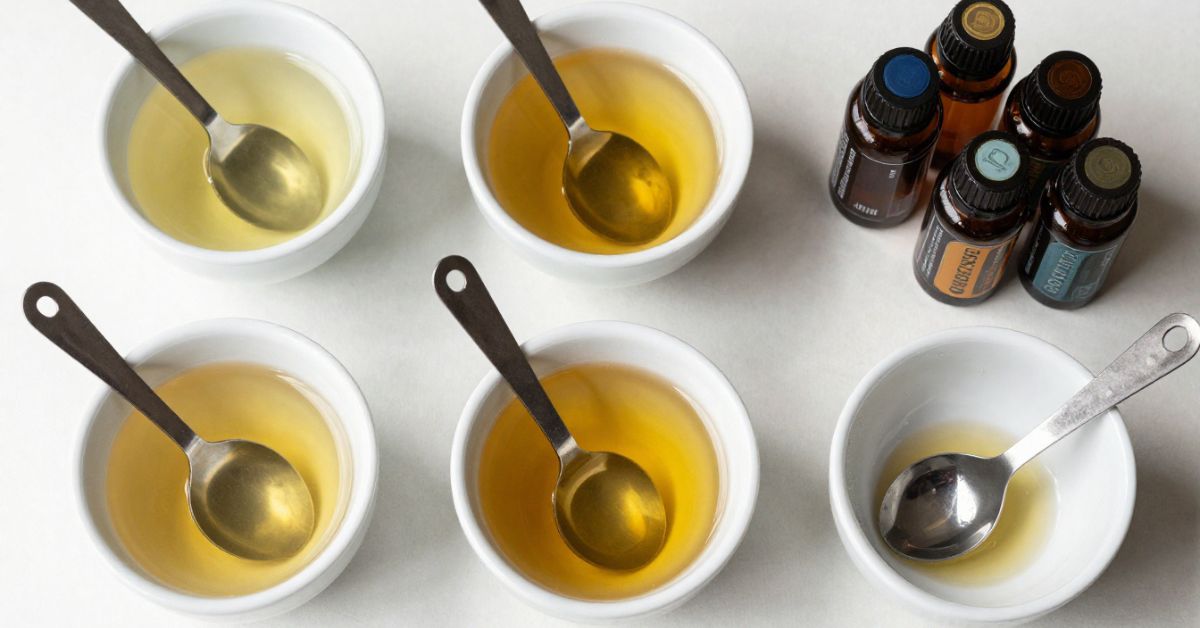
Essential oils are powerful plant extracts, but they should never be used alone on the skin without proper dilution. This is where carrier oils for essential oils become essential. Carrier oils act as a protective base that dilutes concentrated essential oils, making them safe for topical use while improving absorption and effectiveness. Without a carrier oil, essential oils can evaporate quickly or cause skin irritation due to their high potency.
Carrier oils are extracted from the fatty portions of plants, including their seeds, nuts, and kernels.
Unlike essential oils, they are non-volatile, mild in scent, and rich in skin-nourishing fatty acids like oleic and linoleic acid. These nutrients help moisturize, protect, and support the skin barrier while delivering the therapeutic properties of essential oils deeper into the skin.
In this expert guide, you will discover what carrier oils are, why dilution matters, how to choose the best carrier oil for your skin or hair type, proper mixing ratios, safety precautions, and a detailed list of the most effective carrier oils used in professional aromatherapy.
Understanding the Science: What are Carrier Oils?
In the sophisticated world of aromatherapy, carrier oils for essential oils act as the indispensable foundation for every topical application. While essential oils are highly volatile, aromatic compounds distilled from the delicate parts of plants, carrier oils are stable, fixed oils derived from the fatty portions of nuts, seeds, or kernels. These oils do not evaporate at room temperature and do not possess the concentrated “sting” of an essential oil. Instead, they provide a smooth, lubricating medium that allows the potent botanical extracts to be spread evenly across the skin without causing cellular trauma or irritation.
The biological synergy between these two types of oils is fascinating. Because our skin is semi-permeable, it cannot always handle the raw intensity of a pure essential oil. Carrier oils for essential oils function as a protective barrier and a delivery vehicle simultaneously. They consist of complex fatty acids such as oleic, linoleic, and palmitic acids which mirror the natural sebum produced by human skin. This chemical similarity allows the carrier oil to “marry” with our skin’s natural oils, effectively pulling the therapeutic molecules of the essential oil deeper into the dermis rather than letting them evaporate into the air.
Why Dilution Matters: The Role of Carriers in Aromatherapy
Dilution is often misunderstood as a way to “weaken” a recipe, but in reality, it is a professional technique to maximize the carrier oils for essential oils benefits. When you apply a drop of pure essential oil to your skin, up to 50% of it can evaporate within seconds due to its volatile nature. However, when mixed with a heavy carrier, the essential oil molecules are “trapped” within the fatty matrix of the carrier oil. This slows down the evaporation process significantly, ensuring that your skin absorbs a much higher percentage of the active botanical compounds.
Beyond absorption, the primary role of a carrier is safety. Essential oils are 50 to 100 times more concentrated than the original plant material. Without the protective buffering of carrier oils for essential oils, users often experience “sensitization” , a condition where the immune system develops a permanent allergic reaction to a specific oil. Proper dilution prevents this by lowering the concentration to a level that the skin can process safely while still reaping the full anti-inflammatory, antimicrobial, or calming rewards of the plant essence.
Understanding How to Select the Perfect Carrier for Your Needs
Selecting the right base goes beyond scent. It requires an understanding of dermatological science and skin compatibility. Many beginners ask, “Which carrier oil is best for blending with essential oils?”
It depends on both your skin type and your specific skincare goals.
Different oils have different molecular weights. This affects how they behave on the skin. A heavy oil may work well for deep-tissue massage but cause breakouts on acne-prone skin. A lightweight oil may absorb quickly and suit daily skincare.
When learning how to use carrier oils for essential oils, you must evaluate texture, absorption speed, and skin compatibility. These factors determine whether your blend feels luxurious or uncomfortable.
Matching Carrier Oils to Your Aromatic Goals
The scent profile of your blend depends heavily on the carrier oil. Some carriers have strong natural aromas. Unrefined Cocoa Butter and Virgin Coconut Oil carry noticeable scents that may overpower delicate floral oils like Jasmine or Rose.
If you want the essential oil to remain the star of the blend, choose neutral carriers. Fractionated Coconut Oil and Sweet Almond Oil offer mild or nearly scentless bases. They support the aroma rather than compete with it.
Always test the blend before final use. Aroma harmony plays a key role in creating professional-quality formulations.
Texture, Slip, and Absorption Rates
Texture affects both comfort and performance. In aromatherapy, professionals classify oils by “slip” and “penetration.”
High-slip oils stay on the skin longer. They provide lubrication that supports massage therapy. These oils reduce friction and allow hands to glide smoothly across the body.
Fast-absorbing oils, often called “dry oils,” penetrate the stratum corneum quickly. They leave little to no greasy residue. This makes them ideal for facial serums or daytime body oils.
If you want carrier oils for essential oils benefits without staining clothes or feeling oily, choose fast-absorbing options. Grapeseed, hemp seed, and argan oils perform well in daily skincare routines.
The Comedogenic Factor: Choosing Based on Skin Type
One critical yet often ignored factor is the Comedogenic Rating. This scale ranges from 0 to 5. It measures how likely an oil is to clog pores and cause blackheads or whiteheads.
Understanding this system helps you formulate safe DIY facial oils and body butters.
Non-Comedogenic Oils (Rating 0–1)
Oils such as Argan, Hemp Seed, and Grapeseed fall in this category. Their small molecular structures allow them to pass through pores without clogging them. These oils suit oily and acne-prone skin.
Moderately Comedogenic Oils (Rating 2–3)
Sweet Almond Oil and Jojoba Oil fall into this range. They are ideal for normal to dry skin types.
Most people tolerate them without issues.
Highly Comedogenic Oils (Rating 4–5)
Coconut Oil and Cocoa Butter rank high. They offer deep moisture while safeguarding the skin barrier.
However, their large molecules sit on top of pores. People prone to breakouts should avoid using them on the face. Instead, use them on dry areas like elbows, knees, or cracked heels.
Quality Matters: Cold-Pressed vs. Refined Oils
The extraction method affects the oil’s nutritional value. Many supermarket oils undergo high-heat processing or chemical solvent extraction. This method lowers cost but damages vitamins and essential fatty acids.
Cold-Pressed or Expeller-Pressed oils retain their natural nutrients. Mechanical pressure extracts them at controlled temperatures. This preserves Vitamin E, Vitamin A, and beneficial fatty acids.
Choosing Organic oils adds another layer of safety. Organic certification reduces exposure to pesticide residues. Since carrier oils enhance absorption, using a clean base prevents unwanted chemicals from penetrating deeper into the skin.
If you want professional results, always prioritize cold-pressed and organic option
The Essential Carrier Oil Directory
The world of carrier oils is vast, ranging from common kitchen staples to exotic botanical extracts sourced from the most remote corners of the globe. Each oil possesses a unique chemical fingerprint, consisting of varying ratios of saturated, monounsaturated, and polyunsaturated fats. Understanding this directory is the key to knowing how to mix carrier oil with essential oil for specific therapeutic goals, whether you are targeting chronic inflammation, skin hydration, or hair vitality.
The All-Stars: Jojoba, Coconut, and Sweet Almond
These three oils form the “Big Three” of aromatherapy and are often the answer when people ask, “What is the best carrier oil to mix with essential oils?”
- Jojoba Oil: Technically a liquid wax rather than an oil, Jojoba’s chemical structure is almost identical to human sebum. This makes it a “biomimetic” carrier that the skin accepts readily. It is shelf-stable, non-greasy, and perfect for all skin types, especially those dealing with hormonal imbalances.
- Fractionated Coconut Oil (FCO): Unlike raw coconut oil, FCO remains liquid at room temperature. It is odorless, colorless, and has an almost indefinite shelf life. It is widely considered the best carrier oil for essential oils in a diffuser or for roller bottles because it never clogs the mechanism and absorbs rapidly without staining clothes.
- Sweet Almond Oil: Rich in Vitamin E and potassium, this oil has a medium consistency and excellent “slip,” making it the gold standard for full-body massages. It is deeply nourishing but should be avoided by those with nut allergies.
Advanced Healing: Argan, Rosehip, and Sea Buckthorn
When you move into specialized skincare, you transition to carrier oils for essential oils for skin that offer regenerative properties.
- Argan oil, often referred to as “liquid gold,” is rich in saponins and vitamin E.
- It is a premier choice for hair serums and anti-aging face oils.
- Rosehip Seed Oil: Famous for its high concentration of Retinol (Vitamin A) and Vitamin C, Rosehip is a “dry” oil that targets scarring, hyperpigmentation, and fine lines.
- Sea Buckthorn Oil: This deep orange oil is a powerhouse of Omega-7. It is used in clinical aromatherapy for tissue regeneration and treating severe skin distress, though it must be diluted heavily to avoid staining the skin orange.
Therapeutic Specialists: Castor, Black Seed, and Neem Oil
These oils are chosen not for their texture, but for their pharmacological “punch.”
- Castor Oil: A very thick, viscous oil containing ricinoleic acid. It is the primary recommendation for carrier oils for essential oils for hair growth, as it stimulates blood flow to the follicles.
- Black Seed Oil (Kalyanji): Known for its potent anti-inflammatory and antioxidant properties, it is often mixed with Oregano or Thyme essential oils for immune support or joint pain.
- Neem Oil: While it has a pungent, garlic-like aroma, Neem is an unbeatable antifungal and insecticidal carrier, often used in natural “first aid” blends.
Rare Finds: Blueberry Seed and Plum Oil for Sensitive Skin
For the true connoisseur, rare oils offer luxury and specialized protection.
- Blueberry Seed Oil: One of nature’s most potent antioxidants, it acts as a natural shield against blue light (HEV) damage from screens, making it a perfect modern facial carrier.
- Plum Kernel Oil: This luxurious, marzipan-scented oil is incredibly rich in oleic acid and is tolerated by even the most hypersensitive skin types. It provides a silk-like finish that few other oils can match.
Specialized Uses for Maximum Benefit
To truly unlock the carrier oils for essential oils benefits, one must match the oil’s biological properties to the desired outcome. While a general-purpose oil like Fractionated Coconut Oil is great for basic hydration, specialized concerns like thinning hair or deep wrinkles require a more targeted fatty acid profile. By understanding the “why” behind each application, you can create professional-grade blends that rival expensive commercial products.
Top 5 Oils for Rapid Hair Growth and Scalp Health
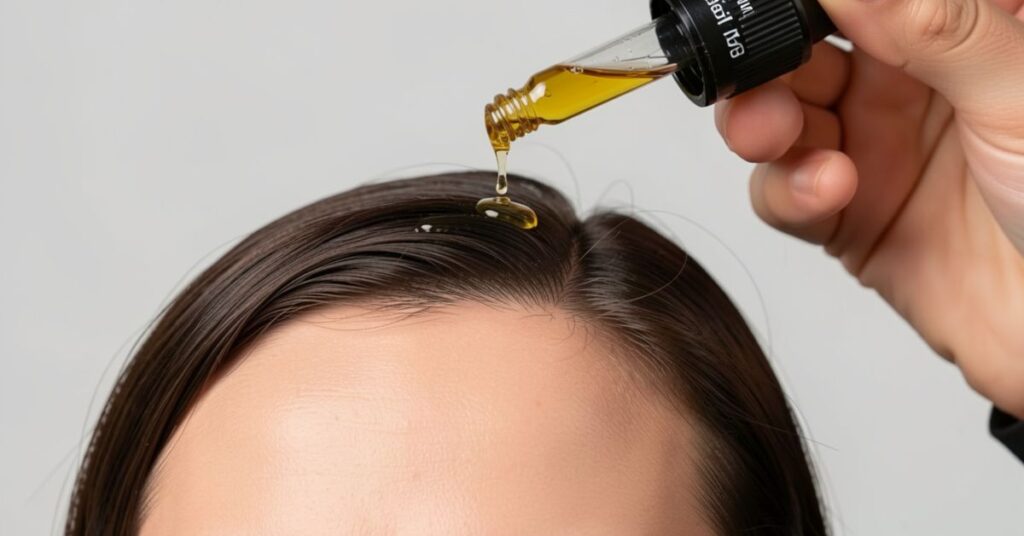
When selecting carrier oils for essential oils for hair, the goal is to penetrate the hair shaft and stimulate the dermal papilla (the root). Not all oils can do this; some simply sit on top of the hair, leading to buildup without benefit.
Castor Oil: Boosting Scalp Circulation
Its ricinoleic acid content increases blood flow to the scalp, making it the king of hair growth bases.
Pumpkin Seed Oil: Blocking Hair Loss Hormones
Scientific studies suggest this oil can block DHT, the hormone responsible for male and female pattern hair loss.
Argon Oil: Repairing and Shining Hair
Known as “liquid gold,” it mends split ends and provides a non-greasy shine.
Black Seed Oil: Fighting Dandruff and Inflammation
A potent antifungal, it eliminates dandruff and scalp inflammation.
Jojoba Oil: Mimicking Natural Sebum
Because it mimics sebum, it dissolves scalp blockages that might be hindering new hair growth.
Anti-Aging Powerhouses: Reducing Fine Lines Naturally
The key to anti-aging is “Skin Cell Turnover.” Using the right carrier oils for essential oils for skin can provide the vitamins necessary to boost collagen production.
Rosehip Seed Oil: Nature’s Retinol
It contains Trans-Retinoic Acid, which directly signals the skin to repair damaged tissues and fade “crow’s feet.”
Pomegranate Seed Oil: Strengthening Skin Elasticity
Rare and potent, it contains Punicic Acid (Omega-5), which thickens the epidermis and improves skin elasticity.
Evening Primrose Oil: Hormonal Skin Saviour
Rich in GLA (Gamma-Linolenic Acid), it helps firm the jawline and neck area while supporting hormonal balance.
By adding these subheadings, your text becomes easier to scan and improves readability. Each subheading also makes it simpler for readers (and search engines) to find the key points quickly.olatile essences can perform their therapeutic work without compromising the skin’s integrity.
Step-by-Step Guide: How to Mix Carrier Oils with Essential Oils
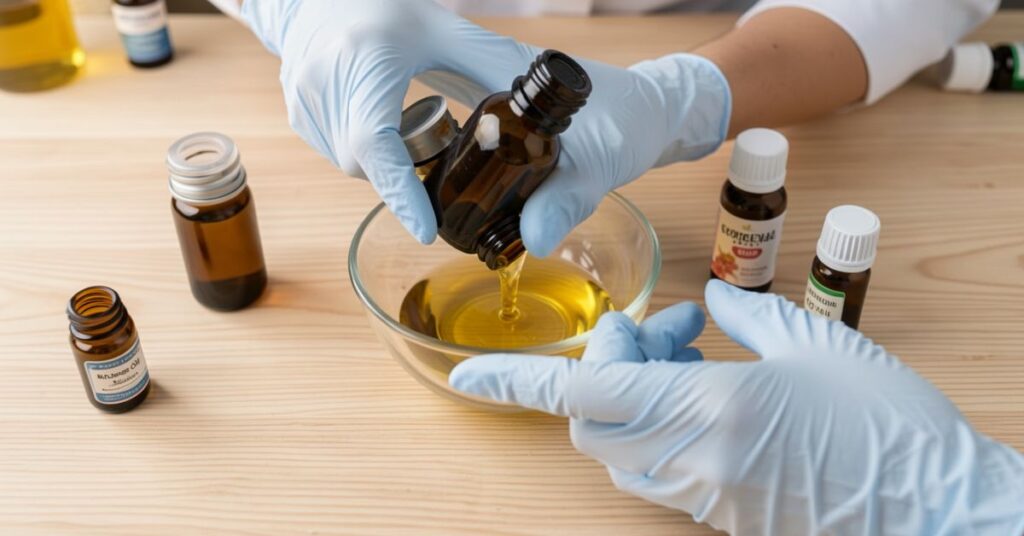
The foundation of safe and effective aromatherapy is the dilution ratio. For most healthy adults, a 2% dilution is standard for daily body care. This ensures you enjoy the benefits of carrier oils and essential oils without causing skin irritation. Proper mixing allows the oils to work synergistically for relaxation, mood support, or targeted relief.
Choosing the Right Vessel
Always use glass bottles, preferably amber or cobalt blue. Glass prevents reactions that can occur when essential oils touch plastic, preserving the integrity of your blend. Make sure your vessel is clean and dry before starting.
Measuring Your Carrier Oil
Pour your chosen carrier oil into the bottle. Common options include Jojoba, Sweet Almond, or Fractionated Coconut Oil. These carriers not only dilute essential oils safely but also provide skin nourishment. Measure accurately for consistent results.
Adding Essential Oils
Carefully drip essential oils into the carrier. Follow the dilution guidelines to ensure safety. Avoid touching the bottle opening with your fingers to prevent contamination.
The Synergy Shake
Instead of shaking the bottle vigorously, roll it gently between your palms for 30 seconds. This allows the molecules of the carrier and essential oils to “marry” without causing bubbles or oxidation.
Dilution Cheat Sheet (30ml / 1oz Carrier Oil)
- 1% Dilution (6 drops): Sensitive skin, facial use, or daily maintenance
- 2% Dilution (12 drops): Standard body care and massage
- 3% Dilution (18 drops): Localized issues like sore muscles
Blending Examples for Mood, Stress, and Physical Relief
Here are a few professional recipes to help you get started:
| Goal | Carrier Oil Base | Essential Oil Synergy | Why it Works |
|---|---|---|---|
| Stress Relief | 30ml Sweet Almond Oil | 6 drops Lavender + 6 drops Bergamot | Almond oil’s Vitamin E heals the skin, while scents lower cortisol. |
| Muscle Recovery | 30ml Arnica Infused Oil | 8 drops Peppermint + 4 drops Rosemary | Arnica targets bruising and deep tissue pain. |
| Sleep Support | 30ml Fractionated Coconut Oil | 10 drops Cedarwood + 2 drops Valerian | FCO is lightweight and ideal for bedtime rubs or diffusers. |
Safety Tip for Accidental Undiluted Application
If essential oil touches the skin undiluted and causes burning, do not use water. Water can push the oil deeper into your skin. Instead, pour a plain carrier oil, even kitchen olive oil, over the area to dilute it instantly.
Safety, Storage, and Precautions

Understanding the “longevity” of your ingredients is a hallmark of a professional aromatherapist. Unlike essential oils, which can last for several years, carrier oils are prone to “going bad.” When you invest in carrier oils for essential oils benefits, you must treat them as “living” products. Proper handling not only saves you money but also protects your skin from the irritation caused by oxidized lipids.
Shelf Life and Rancidity: How to Store Your Oils
The term “Rancidity” refers to the chemical decomposition of fats. When an oil is exposed to oxygen, light, or heat, its molecular structure breaks down, creating a sour smell and a sticky texture. Using rancid carrier oils for essential oils can actually introduce free radicals to your skin, the very thing you are likely trying to avoid!
Storage Best Practices:
- Keep it Cool: Ideally, store your oils in a cool, dark cupboard. For fragile oils like Rosehip or Evening Primrose, storing them in the refrigerator can double their shelf life.
- The Amber Glass Advantage: Always use dark-tinted glass bottles. UV light penetrates clear plastic and glass, accelerating the oxidation process.
- Minimize “Headspace”: Oxygen is the enemy of fat. If you have a large bottle that is nearly empty, transfer the remaining oil to a smaller bottle to reduce the amount of air sitting inside the container.
Average Shelf Life Expectancy:
- Short (6–12 months): Rosehip, Borage, Evening Primrose, and Flaxseed.
- Medium (1–2 years): Sweet Almond, Grapeseed, Apricot Kernel, and Argan.
- Long (2+ years): Jojoba (actually a wax) and Fractionated Coconut Oil (the best carrier oil for essential oils in a diffuser due to its extreme stability).
Important Precautions for Sensitive Groups
While carrier oils are generally safe, they are not “one size fits all.” It is critical to consider the biological background of the user:
- Nut Allergies: This is the most significant safety concern. Oils like Sweet Almond, Walnut, and Macadamia are derived from tree nuts. For individuals with severe allergies, even topical application can trigger a reaction. In these cases, seed-based oils like Sunflower, Grapeseed, or Jojoba are the safest alternatives.
- The Patch Test: Before applying a new carrier oil for essential oils for skin to a large area, always perform a patch test. Apply a small amount to the inner forearm and wait 24 hours to see if any redness, itching, or irritation develops.
3.Pregnancy and Infants: While the carrier oils themselves are usually safe, the essential oils they carry may not be. Always consult a healthcare professional before using therapeutic blends on infants or during pregnancy, and stick to a much lower dilution ratio (0.5% to 1%).
Final Verdict: The Bottom Line on Choosing Your Base
The world of aromatherapy is only as effective as the foundation you build it upon. As we have explored throughout this guide, carrier oils for essential oils are far more than just “fillers.” They are bioactive substances that determine how deeply a treatment penetrates, how safely it interacts with your skin, and how long the aromatic experience lasts. Whether you are searching for the best carrier oil to mix with essential oils for a relaxing evening massage or looking for a high-performance carrier oil for essential oils for hair growth, the key lies in matching the oil’s fatty acid profile to your specific physiological needs.
To make the most of your journey into natural wellness, remember these three core pillars:
- Prioritize Quality: Always look for cold-pressed, organic labels to ensure you aren’t introducing chemicals into your therapeutic blends.
- Dilute with Intention: Use the 2% rule for the body and the 1% rule for the face to maintain safety and prevent long-term sensitization.
- Respect the Shelf Life: Keep your oils away from the “Big Three” enemies: heat, light, and oxygen.
By integrating the list of carrier oils and their benefits provided in this guide, you are no longer just a casual user; you are an informed practitioner. You now have the knowledge to navigate the aisles of your local store or the pages of an Orange Essential Oil Amazon search with total confidence.
How to use carrier oils for essential oils effectively is an art form—one that rewards patience, quality ingredients, and a deep respect for the science of nature. Now that you have the “Expert’s Toolkit,” it is time to start blending. Your skin, your hair, and your well-being will thank you for the extra care you’ve taken to choose the perfect base.
FAQs
General Questions About Carrier Oils
Q1: What is the best carrier oil to mix with essential oils for general use?
Most experts recommend Fractionated Coconut Oil (FCO) or Jojoba Oil as the best all-around options. FCO is odorless and has a long shelf life, which makes it perfect for roll-ons. Jojoba oil closely resembles the natural oils produced by the skin.
This quality makes it ideal for both face and body treatments. Both oils blend well with essential oils and suit most skin types.
Q2: Can I use regular vegetable oil from my kitchen as a carrier oil?
You can use food-grade oils like olive or sunflower oil. However, they feel much heavier and have a stronger scent than therapeutic-grade carrier oils. Kitchen oils may go rancid faster. They can also clog pores, especially if you apply them to the face. For skincare, choose high-quality carrier oils made specifically for cosmetic use.
Carrier Oils and Diffuser Use
Q3: What is the best carrier oil for essential oils in a diffuser?
You do not usually need a carrier oil for a standard ultrasonic water-based diffuser. These diffusers mix essential oils directly with water. However, if you use a nebulizing diffuser or make a reed diffuser, choose Fractionated Coconut Oil or Grapeseed Oil. These oils have a thin consistency. They will not clog the device and allow smooth diffusion.
Dilution and Measurement Guidelines
Q4: How many drops of essential oil should I add to a carrier oil?
For a standard 2% dilution, which is safe for most adults, add about 10 to 12 drops of essential oil to every 30 ml (1 ounce) of carrier oil. For facial use, reduce the ratio to 1%. This means adding 5 to 6 drops per 30 ml. Always measure carefully to avoid skin irritation.
Carrier Oils for Hair Care
Q5: Which carrier oils are best for hair growth?
Castor oil works best for improving hair thickness because it contains ricinoleic acid. It supports scalp health and strengthens hair roots. If you prefer a lighter option, use argan oil or pumpkin seed oil. These oils nourish the scalp, improve shine, and reduce dryness without leaving excessive greasiness.
Shelf Life and Expiration
Q6: Do carrier oils expire?
Yes, carrier oils do expire. Unlike essential oils, carrier oils contain fatty acids that oxidize over time. Most carrier oils last between 6 months and 2 years, depending on storage conditions. Store them in a cool, dark place to extend shelf life. If the oil develops a sharp, sour, or crayon-like smell, it has gone bad and you should discard it.