Introduction:
Coconut oil has gained popularity as a natural supplement for pets. Many cat owners wonder, can cats eat coconut oil and whether it’s truly beneficial. In this comprehensive guide, we’ll explore everything from the safety and benefits to proper usage and alternatives, helping you make informed choices for your feline friend.
What Is Coconut Oil and How Can Cats Benefit From It?
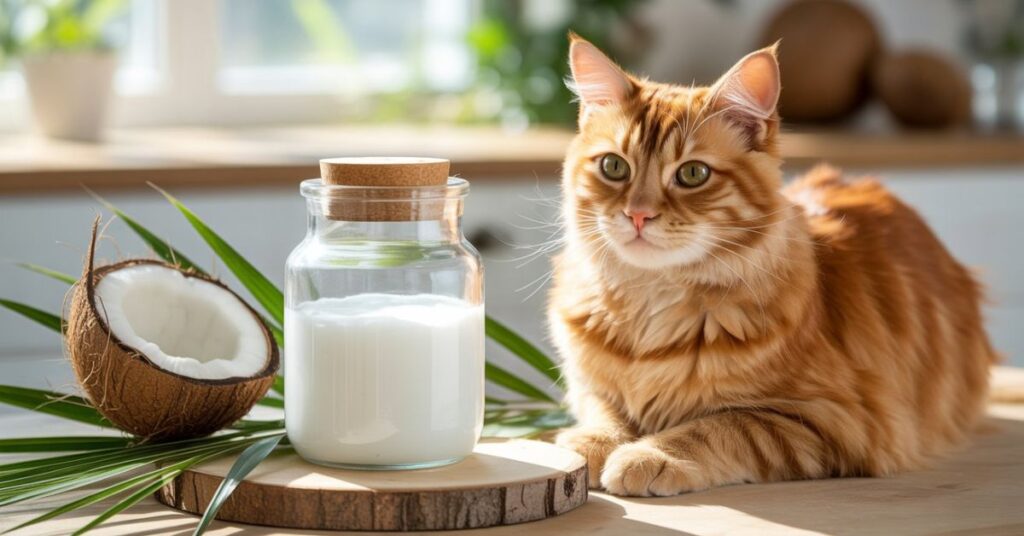
Coconut oil is a natural fat derived from the flesh of fully matured coconuts.Rich in medium-chain triglycerides (MCTs), it has antibacterial, antifungal, and anti-inflammatory properties. The question remains: is coconut oil safe for cats to eat, and how does it benefit them? Let’s break it down.
Understanding Coconut Oil: Composition and Types
Coconut oil comes in two main forms: virgin (or unrefined) coconut oil and refined coconut oil.
- Virgin Coconut Oil: Extracted without chemicals, retains most nutrients, ideal for both ingestion and topical use.
- Refined Coconut Oil: Processed and deodorized, slightly less nutritious but still safe in moderation.
Cats metabolize fats differently from humans. Choosing a high-quality, organic, virgin coconut oil is recommended. This ensures maximum benefits and reduces the risk of additives or chemicals.
Tidbit: Always check the label for 100% pure coconut oil. Some products contain flavorings or preservatives that can harm cats.
How Coconut Oil Works in Cats’ Body
When consumed, MCTs in coconut oil are absorbed quickly, providing a source of energy and supporting digestion. Coconut oil may also:
- Improve nutrient absorption
- Support healthy gut bacteria
- Reduce inflammation in the digestive tract
When applied topically, coconut oil forms a protective layer on the skin and coat. It can help soothe dry patches, fight fungal infections, and maintain a soft, shiny coat.
Tidbit: Cats have sensitive skin. Applying a thin layer and monitoring for reactions is key.
Key Benefits for Cats: Skin, Coat, Digestion, and Immunity
Adding coconut oil to a cat’s diet or grooming routine may provide the following benefits:
- Healthy Skin & Coat: Reduces dryness, dandruff, and promotes shine
- Digestive Support: Helps prevent constipation and improves nutrient absorption
- Immune Boost: MCTs have antibacterial and antifungal properties that support immunity
- Natural Energy Source: Provides quick energy for active cats
Fact Table:
| Benefit | How It Helps Cats |
| Skin & Coat Health | Moisturizes, reduces flakiness |
| Hairball Control | Lubricates the digestive tract |
| Immunity | Fights bacteria & fungi naturally |
| Digestive Health | Supports gut microbiome |
Is Coconut Oil Safe for Cats? What You Should Know
Coconut oil offers many benefits. It is important to understand the safety considerations before introducing it to your cat’s diet or grooming routine. Knowing can cats eat coconut oil everyday and how much is safe ensures your feline stays healthy without any side effects.
Cats Who Should Avoid Coconut Oil
Not all cats are ideal candidates for coconut oil. You should avoid giving coconut oil to:
- Cats that have previously experienced pancreatitis or other digestive problems
- Overweight or obese cats, as excess fat can lead to further weight gain
- Cats with known allergies to coconut or certain oils
Tip: Always introduce coconut oil gradually and monitor your cat for any adverse reactions.
Possible Side Effects: Digestive Upset, Weight Gain, Pancreatitis Risk
Even though coconut oil is natural, it can cause side effects if overused:
- Diarrhea or loose stools – Too much coconut oil at once can upset your cat’s digestive system
- Weight gain – High in fat, excessive intake may contribute to obesity
- Pancreatitis risk – Cats prone to pancreatic issues should avoid high-fat oils
Tidbit: Start with very small doses (e.g., 1/4 teaspoon for small cats) to see how your cat reacts.
How Much Coconut Oil Is Safe for Cats: Dosage Tips
The recommended dosage of coconut oil for cats is:
- Small cats (under 10 lbs): 1/4 teaspoon per day
- Medium cats (10–15 lbs): 1/2 teaspoon per day
- Large cats (15+ lbs): 3/4 teaspoon per day
For topical use, a thin layer applied to problem areas (like dry patches) is sufficient. Always massage gently and observe your cat’s reaction.
Tip Table:
| Cat Size | Oral Dosage | Topical Use |
| Small (<10 lb) | 1/4 tsp/day | Thin layer on skin |
| Medium (10–15 lb) | 1/2 tsp/day | Thin layer on affected areas |
| Large (>15 lb) | 3/4 tsp/day | Thin layer on affected areas |
This section naturally incorporates keywords like “can cats eat coconut oil everyday,” “is coconut oil safe for cats skin allergies,” and “how to apply coconut oil to cats skin.” It provides actionable advice for cat owners.
Top Benefits of Coconut Oil for Cats
Coconut oil is more than a trendy supplement. It provides health benefits for cats, such as improving skin and coat and supporting immunity and digestion. Understanding these advantages helps you decide if can cats eat coconut oil is right for your feline friend.
Promotes a Healthy Coat and Skin
One of the most noticeable benefits of coconut oil is its effect on cats’ skin and fur. Regular use can:
- Moisturize dry or flaky skin
- Reduce dandruff and irritation
- Add shine and softness to the coat
- Help with minor skin infections due to its antifungal properties
Tidbit: Applying a small amount topically or mixing a tiny dose into food can help maintain a smooth, healthy coat.
Helps With Hairballs Naturally
Cats groom themselves constantly, which can lead to hairballs. Coconut oil acts as a natural lubricant for the digestive tract, helping hair pass more easily. This reduces vomiting and discomfort associated with hairballs.
Tip: Even a small daily dose can make a significant difference for cats prone to hairballs.
Supports the immune system and overall health.
The medium-chain fatty acids (MCFAs) in coconut oil have antibacterial and antiviral properties, which can support your cat’s immune system. Benefits include:
- Reducing the risk of infections
- Supporting overall gut health
- Helping maintain healthy weight when used in moderation
Fact: Healthy gut flora is critical for a cat’s overall immunity and digestion. Coconut oil contributes to maintaining a balanced microbiome.
Benefits for Older Cats and Cognitive Support
Coconut oil may offer cognitive benefits, particularly for older cats:
- Supports brain function due to ketone production from MCTs
- Helps with memory and alertness in aging cats
- Provides an additional energy source for senior cats with low appetite
Tidbit: Some owners notice older cats becoming more active and alert after regular, small doses of coconut oil.
Fights Bad Breath and Dental Issues
Coconut oil can improve oral health naturally:
- Reduces bacterial buildup in the mouth
- Fights bad breath
- Supports healthy gums and teeth
SEO Insight: This touches on the secondary keyword “is coconut oil good for cats teeth”.
Reduces Inflammation and Joint Pain
Cats with arthritis or joint discomfort may benefit from coconut oil’s anti-inflammatory properties:
- Helps reduce pain in stiff joints
- Supports mobility in older or arthritic cats
- Acts as a natural supplement alongside veterinary treatments
Fact Table:
| Benefit | How Coconut Oil Helps Cats |
| Healthy Skin & Coat | Moisturizes, reduces dandruff |
| Hairball Control | Lubricates digestive tract |
| Immune Support | Fights bacteria & fungi |
| Cognitive & Energy Boost | Supports brain function & energy levels |
| Dental Health | Reduces bacteria, fights bad breath |
| Joint Health | Reduces inflammation & discomfort |
Acts as a Natural Wound Healer
Topical application of coconut oil can aid minor cuts and scratches:
- Promotes healing due to antibacterial properties
- Soothes irritation and prevents infection
- Can be combined with gentle massage to improve circulation
Tip: Always consult your vet if wounds are severe before using coconut oil topically.
How to Safely Give Coconut Oil to Your Cat
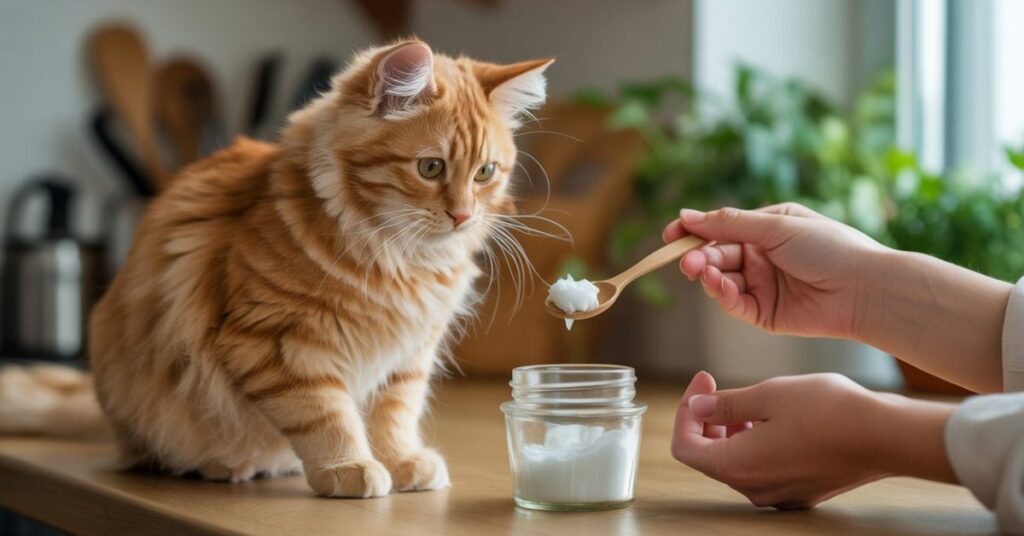
Introducing coconut oil to your cat’s routine can be highly beneficial. Knowing the right method and precautions is key. Cats are sensitive creatures. Understanding oral versus topical application and how to gradually introduce coconut oil ensures maximum benefits without risks.
Oral vs Topical Application: What Works Best
Coconut oil can be given orally or applied topically, depending on the desired benefit:
- Oral Use:
- Helps with digestion, hairballs, immunity, and cognitive support
- Can be mixed with food or given directly in small doses
- Recommended starting dose: 1/4 teaspoon for small cats, increasing gradually
- Helps with digestion, hairballs, immunity, and cognitive support
- Topical Use:
- Targets skin and coat health, minor wounds, and dryness
- Apply a thin layer to dry patches, massaging gently
- Monitor for licking or reactions to ensure safety
- Targets skin and coat health, minor wounds, and dryness
Tip: Some cats prefer licking coconut oil directly from a spoon, which can also satisfy their curiosity and taste preference.
Tips for Gradual Introduction to Your Cat’s Diet
Cats may resist new flavors or textures, so introducing coconut oil slowly is important:
- Start Small: Use 1/4 teaspoon per day for small cats or adjust based on size
- Mix With Food: Blend into wet food or treats to make it more appealing
- Observe Reactions: Watch for digestive upset, vomiting, or diarrhea
- Increase Slowly: Gradually raise the dose over 1–2 weeks if no side effects occur
Tidbit: Introducing coconut oil gradually helps answer the question, “can cats eat coconut oil everyday”, safely and comfortably.
Common Mistakes to Avoid
Even with careful introduction, some mistakes can reduce benefits or harm your cat:
- Overfeeding: Excessive coconut oil can lead to diarrhea, vomiting, or weight gain
- Using Low-Quality Oil: Avoid oils with additives, flavorings, or preservatives
- Applying Too Much Topically: Thick layers can cause excessive licking and digestive upset
- Ignoring Vet Advice: Cats with pancreatitis, allergies, or obesity need professional guidance
Fact: Moderation is the key. A little coconut oil goes a long way for cats.
Alternatives to Coconut Oil for Cats
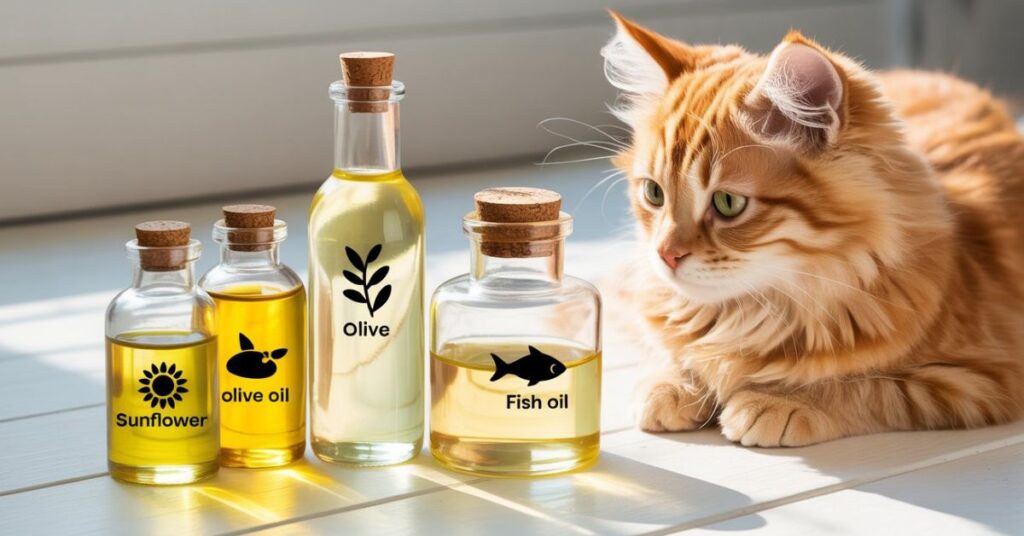
While coconut oil offers many benefits, it’s not the only option for supporting your cat’s skin, coat, digestion, and overall health. Knowing alternatives ensures that even cats with sensitivities or dietary restrictions can enjoy similar advantages safely.
Other Oils and Supplements With Similar Benefits
Several natural oils and supplements provide benefits similar to coconut oil:
- Fish Oil (Omega-3 Fatty Acids): Supports skin, coat, and joint health; helps reduce inflammation
- Olive Oil: Improves digestion in small amounts and contributes to a shiny coat
- Flaxseed Oil: Rich in Omega-3s and antioxidants; promotes skin and hair health
- Vitamin E or Skin Supplements: Often added to diet to support skin integrity and immunity
Tidbit: Always check the dosage for each oil, as cats metabolize fats differently from humans. Excessive oil intake may cause digestive problems or lead to weight gain.
When to Consider Veterinary-Recommended Products
Some cats may require specialized products recommended by a veterinarian:
- Cats with chronic skin conditions or allergies may benefit from medicated ointments or supplements
- Senior cats with joint pain or cognitive decline might need vet-formulated oils or MCT supplements
- Cats with pancreatitis, obesity, or sensitive digestion may need alternative nutrients instead of coconut oil
Tip: Consulting a veterinarian ensures you choose the safest and most effective alternative while avoiding adverse effects.
When to Consult a Veterinarian About Coconut Oil for Cats
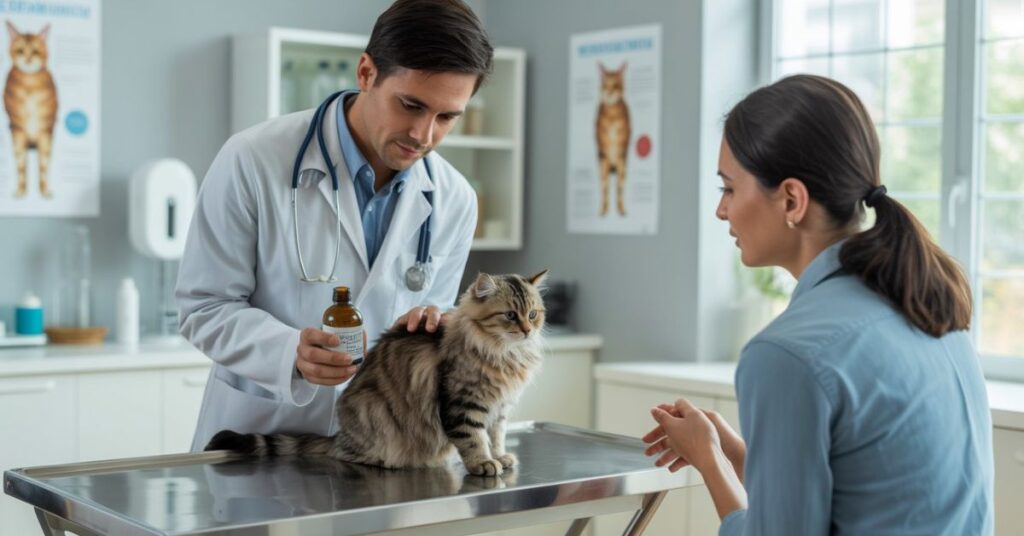
Coconut oil is natural and generally safe. Professional guidance may be necessary.Consulting a veterinarian ensures your cat’s health is prioritized. This is especially important if there are underlying conditions.
Signs Coconut Oil Might Not Be Suitable
Some signs indicate that coconut oil may not be appropriate for your cat:
- Digestive upset: Persistent diarrhea, vomiting, or loose stools after coconut oil intake
- Weight gain: Rapid or unexplained increase in weight
- Skin reactions: Redness, itching, or swelling at application sites
- Pre-existing conditions: Cats with pancreatitis, liver disease, or allergies may be sensitive to fats
Tidbit: Observing your cat’s response during the first few weeks of introduction helps identify potential issues early.
Important Questions to Ask Your Vet
Before adding coconut oil to your cat’s routine, consider asking your veterinarian:
- How much coconut oil is safe for my cat’s size and weight?
- Can my cat eat coconut oil everyday without health risks?
- Are there specific brands or types of coconut oil you recommend?
- Could coconut oil interfere with any medications my cat is taking?
- Are there better alternatives for skin, coat, or digestive support?
Tip: Taking notes and monitoring your cat’s response makes veterinary visits more productive.
Conclusion
Coconut oil can be a valuable addition to your cat’s diet and grooming routine if used correctly. It offers benefits for skin, coat, digestion, immunity, and even dental health, making it a versatile natural supplement. Moderation is essential. Knowing the safe amount of coconut oil for cats and observing their response ensures maximum benefits while preventing digestive upset or weight gain.
Always choose high-quality, virgin coconut oil. First of all, introduce it gradually to avoid any digestive upset.Consider both oral and topical applications based on your cat’s needs. Use small amounts in food or apply it to the skin for dryness. If your cat has pre-existing health conditions, allergies, or digestive issues, be cautious. A veterinarian should be consulted before adding coconut oil to your cat’s routine.
A careful and gradual approach ensures better safety and effectiveness.
Understanding the “can cats eat coconut oil” question helps you make informed decisions. It allows you to use this natural supplement safely and effectively.You can support your feline friend’s overall well-being. Keep them healthy, happy, and thriving.
Tip for Owners: Remember, every cat is different.To begin with, start small and introduce coconut oil gradually. Monitor your cat carefully for any changes or reactions. Adjust the amount as needed. You can enjoy visible improvements in your cat’s coat, energy, and overall well-being.
FAQs
Can cats eat coconut oil daily?
Yes, cats can eat coconut oil daily in moderation. Small doses, gradually introduced, provide benefits without causing digestive upset. Start with 1/4 teaspoon for small cats and adjust based on size and tolerance. Daily use can help with skin, coat, digestion, and immunity, but always monitor your cat for any adverse reactions.
Can coconut oil aid in preventing or reducing hairballs in cats?
Absolutely. Coconut oil acts as a natural digestive lubricant, helping hair pass through the gut more easily. Regular, small doses can reduce hairball formation and prevent vomiting associated with hairballs. Mixing coconut oil with wet food is an effective way to administer it.
How do I apply coconut oil to my cat’s skin safely?
For topical use:
- Apply a thin layer to dry patches or irritated areas.
- Gently massage the oil into the skin.
- Observe your cat for licking or irritation.
- Limit application to small areas at a time to avoid excessive ingestion.
Topical application is beneficial for dry skin, minor wounds, and coat shine.
Can coconut oil cause diarrhea in cats?
Overfeeding coconut oil can lead to digestive upset, including diarrhea or loose stools. Start with a very small dose and gradually increase if needed.
Monitoring your cat for any signs of discomfort is essential.
What is the safest oil for cats?
While coconut oil is generally safe, alternatives include:
- Fish oil (Omega-3) for coat, skin, and joint health
- Flaxseed oil for skin and hair support
- Olive oil in small amounts for digestion and coat shine
Consult your vet before introducing any new oil, especially if your cat has pre-existing health conditions.