Introduction
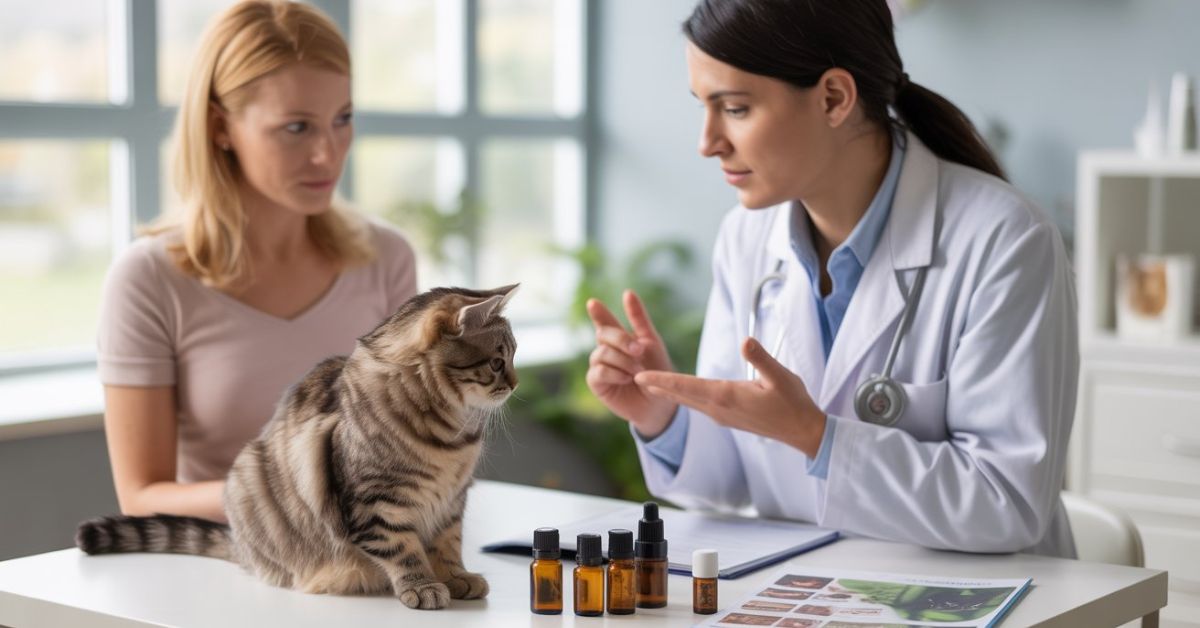
Essential oils have become a staple in many homes for their calming scents, cleaning properties, and therapeutic benefits. From lavender to lemon, these oils are often marketed as natural and safe for humans. But if you’re a cat owner, the question arises: are essential oils safe for cats?
Cats are unique creatures with sensitive bodies and livers that cannot process certain compounds found in essential oils. Even a small amount of exposure whether through skin contact, inhalation, or ingestion can be dangerous. With more cat owners using diffusers and topical oils at home, understanding the risks, toxic oils, and safe usage practices is crucial.
In this comprehensive guide, we will cover everything you need to know about essential oils and cats. From toxic oils to avoid, to safe alternatives, and practical tips on diffuser use and dilution, this article will help you make informed decisions and keep your feline friends safe.
By the end, you’ll not only know exactly which oils to avoid but also how to recognize the signs of poisoning and understand the steps to safely use essential oils around your cats; moreover, you can keep your home both aromatic and healthy without any risk.
What Are Essential Oils and How Are They Used Around Pets?
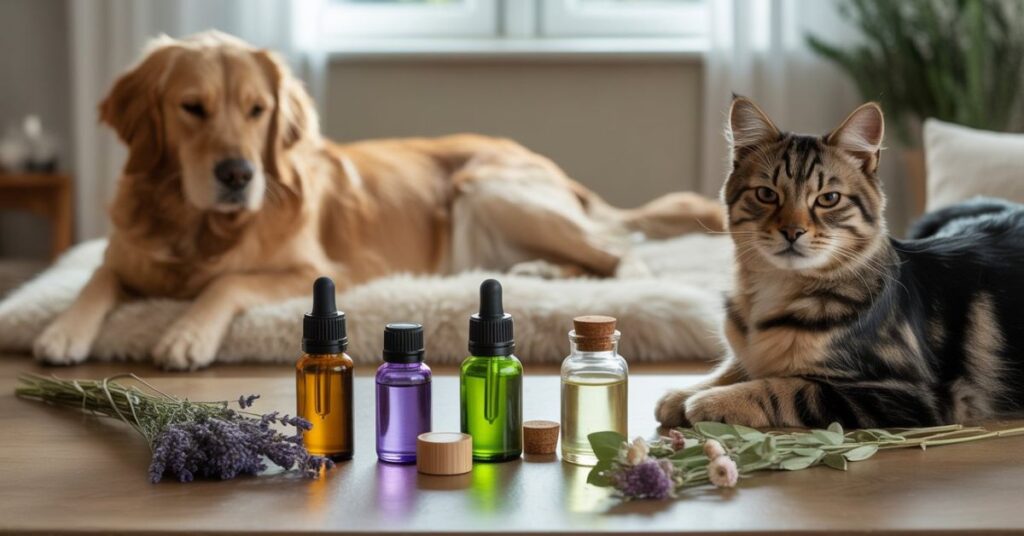
Essential oils are highly concentrated plant extracts prized for their aromatic scents and potential therapeutic benefits. They are obtained from leaves, flowers, bark, and fruits using methods like steam distillation or cold pressing. Common examples include lavender, lemon, peppermint, and tea tree oil. While often considered natural and safe for humans, these oils can affect pets very differently especially cats.
Many pet owners use essential oils in daily life in several ways:
Common Essential Oil Uses in Homes
Diffusers: Adding a few drops of essential oil to a diffuser fills the room with fragrance.
Topical Applications: Oils are sometimes mixed into lotions, creams, or carrier oils for massage or skin care.
Cleaning Products: Essential oils are used in DIY cleaning solutions for antibacterial or antimicrobial effects.
Aromatherapy: Oils can create a calming environment, reduce stress, or improve sleep for humans.
How Cats Are Exposed to Essential Oils
Cats can accidentally encounter essential oils in all the above scenarios. Unlike humans, cats lack certain liver enzymes that break down chemical compounds in many essential oils. This makes even small exposures potentially toxic.
Key Points to Remember:
- Small amounts matter: A single drop of tea tree or peppermint oil on a cat’s fur can be dangerous.
- Self-grooming risk: Cats ingest oils while grooming, increasing toxicity.
- Inhalation hazard: Diffusers can irritate a cat’s sensitive respiratory system, even with mild oils.
Essential Oils at Home: Benefits for Humans vs. Risks for Cats
| Essential Oil Use | Typical Human Benefit | Risk to Cats |
|---|---|---|
| Diffuser (lavender) | Calming scent | Mild respiratory irritation if concentrated |
| Lemon oil in cleaner | Fresh scent, antibacterial | Toxic if ingested or inhaled |
| Tea tree oil on skin | Acne or skin issues | Highly toxic, even in small amounts |
| Orange oil for cleaning | Antimicrobial | Can cause liver damage in cats |
Understanding how essential oils are used and the risks they pose to pets is the first step toward safe use. In the following sections, we’ll begin by discussing which oils are most hazardous; next, we’ll explore which oils may be safer if used with strict precautions. After that, we’ll highlight the best practices for keeping pets safe around essential oils. Moreover, we’ll provide practical tips to ensure your home remains fragrant while simultaneously protecting your furry friends. Finally, you’ll have a clear roadmap to use essential oils responsibly and safely.
Are Essential Oils Safe or Toxic for Cats?
When it comes to cats, the question “are essential oils safe for cats?” It’s not only about whether they can handle the scent.Cats are extremely sensitive to essential oils, and even oils that seem harmless to humans can cause serious health issues. Understanding safety vs toxicity is key to protecting your feline friend.
Why Some Oils Are Safe for Humans but Toxic to Cats
Cats lack specific liver enzymes called glucuronyl transferases, which help break down certain compounds in essential oils. This means chemicals like phenols, ketones, and aldehydes can accumulate in their system, leading to poisoning.
Exposure can happen in three main ways:
- Inhalation: Breathing in diffused oils or strong scents.
- Skin contact: Oils applied to the fur or skin can be absorbed.
- Ingestion: Cats may lick oils off their fur during grooming.
Key Factors Affecting Toxicity
- Type of essential oil: Some oils are highly toxic (tea tree, citrus, cinnamon), while others are considered safer under strict guidelines.
- Concentration and duration: Higher concentrations or prolonged exposure increase risk.
- Cat’s age and health: Kittens, senior cats, or cats with liver issues are more vulnerable.
Safe vs Toxic Oils: Quick Overview
| Oil Type | Safety Level | Notes |
| Tea Tree Oil | Highly toxic | Even 0.1 mL can be fatal |
| Lemon & Orange Oil | Toxic | Can cause vomiting and liver damage |
| Lavender Oil | Mildly toxic | Can irritate skin or lungs |
| Rose Oil | Generally safer | Only in very diluted forms |
Reddit Insights: Many cat owners on forums like Reddit ask, “are essential oils safe for cats to smell?” The consensus among veterinarians is caution: even diffused scents can trigger respiratory issues or subtle toxicity over time.
Tidbits for Cat Owners
- Always read labels carefully “natural” does not mean safe.
- Keep oils out of reach of cats, especially bottles and diffuser trays.
- Even if a cat seems fine, chronic low-level exposure can affect their liver long-term.
In short, while humans enjoy essential oils for their aroma and therapeutic benefits, cats require a much higher safety standard. The next section dives deeper into why essential oils are dangerous for cats and explains the mechanisms behind their toxicity.
Why Are Essential Oils Dangerous for Cats? Understanding the Risks
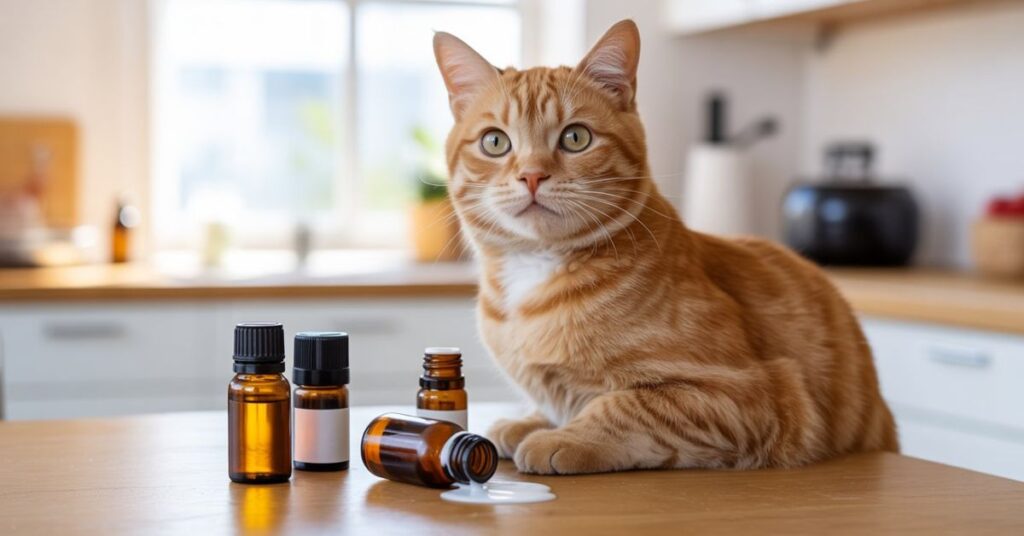
Essential oils may smell pleasant to humans, but for cats, they can be extremely hazardous. Understanding the mechanisms of toxicity is crucial to protecting your feline companion.
How Essential Oils Affect Cats
Cats metabolize substances differently than humans. For example, their livers lack certain enzymes needed to safely process compounds such as phenols, terpenes, and ketones, which are common in essential oils. Consequently, when these compounds enter a cat’s system through inhalation, skin contact, or ingestion, they can rapidly accumulate to toxic levels, thereby causing serious health problems. Therefore, it is essential to handle essential oils with extreme caution around cats.
Types of Risks
- Liver Toxicity: Many essential oils, especially citrus, clove, and tea tree oils, can cause liver damage, sometimes permanently.
- Respiratory Irritation: Diffusers and strong scents may irritate the lungs and nasal passages, leading to coughing, sneezing, or difficulty breathing.
- Gastrointestinal Issues: Licking oils off fur or ingesting them can cause vomiting, diarrhea, and drooling.
- Neurological Effects: Some oils, like peppermint and pine, can affect the nervous system, leading to tremors, weakness, or even seizures.
How Exposure Happens
| Exposure Type | Example | Risk Level |
| Inhalation | Diffuser in a small room | Moderate to high |
| Skin Contact | Massage or topical oil | High |
| Ingestion | Licking oil from fur or floor | Very high |
Tidbit: Cats are fastidious groomers, so even a tiny drop of oil on their fur can quickly turn into internal exposure.
Quick Safety Tip
- Essential oils should never be applied directly to a cat.
- Keep diffusers in well-ventilated areas away from the cat’s usual spots.
- Monitor your cat for any signs of distress if essential oils are in use.
In conclusion, essential oils are dangerous for cats because of their unique physiology and sensitivity. Knowing the risks is the first step to keeping your cat safe at home.
Which Essential Oils Are Toxic to Cats? Full List to Avoid
Many essential oils that are safe for humans can be highly toxic to cats. Even a small exposure through inhalation, skin contact, or ingestion can result in serious health complications, including liver damage, respiratory distress, and neurological issues.
Here is a comprehensive list of essential oils toxic to cats:
| Essential Oil | Common Uses | Risk to Cats |
| Tea Tree Oil | Skincare, acne, antimicrobial | Extremely toxic; can cause tremors, lethargy, and liver failure |
| Cinnamon Oil | Baking scent, aromatherapy | Can cause liver toxicity, low blood sugar, and vomiting |
| Citrus Oils (Lemon, Orange, Lime) | Cleaning, diffusers | Can cause vomiting, depression, and photosensitivity |
| Peppermint Oil | Aromatherapy, flavoring | Can irritate lungs and cause tremors or low blood pressure |
| Eucalyptus Oil | Cough remedies, diffusers | Can cause salivation, vomiting, and respiratory distress |
| Pine Oil | Cleaning, air fresheners | Can cause liver damage, vomiting, and weakness |
| Wintergreen Oil | Pain relief, topical | Toxic; may affect heart and nervous system |
| Clove Oil | Dental care, topical | Can cause liver toxicity and vomiting |
| Ylang Ylang | Perfumes, aromatherapy | Can lead to vomiting, drooling, and respiratory issues |
| Oregano Oil | Cooking, antimicrobial | Can cause gastrointestinal upset and liver toxicity |
Special Warning: Tea Tree Oil and Why It’s Extremely Dangerous
Tea tree oil is one of the most hazardous essential oils for cats. Even a single drop applied to the skin or ingested can be life-threatening. Symptoms of tea tree oil poisoning include:
- Tremors or seizures
- Weakness or uncoordinated movements
- Vomiting or diarrhea
- Drooling and lethargy
- Difficulty breathing
Important Tidbit: Many cat owners on Reddit ask “is tea tree oil safe for cats”. Veterinary experts strongly advise avoiding it completely, including diluted forms or products containing tea tree oil.
Quick Safety Tips:
- Never use tea tree oil around cats, even in diffusers.
- Check labels of commercial products; many cleaning or skincare items contain tea tree oil.
- If exposure occurs, contact a veterinarian immediately (more on emergency steps in later sections).
Understanding which oils are toxic is crucial for preventing accidental poisoning. In the next section, we’ll explore whether any essential oils can be safe for cats debunking myths and providing realistic guidance.
Are Any Essential Oils Safe for Cats?
Many cat owners wonder if there are any essential oils safe for cats. The truth is nuanced. While some oils are less toxic than others, no essential oil is 100% risk-free for cats. Safety depends on dilution, exposure method, and the cat’s health.
Understanding the Myth
A common misconception is that “natural” or plant-based oils are automatically safe. This is not true for cats. Even oils like lavender or rose can cause irritation or toxicity if used incorrectly.
- Lavender oil: Often marketed as calming, but can irritate lungs and skin if inhaled or applied directly.
- Rose oil: Generally milder, but still risky for direct contact or high concentrations.
- Chamomile oil: Low risk, but ingestion can cause mild gastrointestinal upset.
Guidelines for Safer Use
- Diffusers over direct contact: Diffusing oils in well-ventilated spaces reduces exposure risk.
- Low concentrations only: Less than 0.5% essential oil in a carrier or diffuser is safer.
- Limit exposure time: Avoid continuous diffusion in the cat’s environment.
Tidbit: Reddit Insights
Cat owners on Reddit frequently ask about “cat safe essential oils for diffuser”. The consensus from veterinarians is to always prioritize ventilation and minimal concentration, even for oils considered “safer.”
Quick Reference Table: Mildly Safer Oils for Cats
| Essential Oil | Recommended Use | Notes |
| Rose Oil | Diffused, minimal concentration | Mild respiratory irritation possible |
| Chamomile Oil | Diffused or diluted | Monitor for stomach upset |
| Frankincense Oil | Very low concentration only | Can calm some cats but use sparingly |
| Helichrysum Oil | Extremely diluted | Limited exposure only |
Important Reminder: Even “safer” essential oils are never 100% safe. Always monitor your cat for changes in behavior, appetite, or breathing when oils are in use.
In short, some essential oils may be used cautiously, but the primary rule is less is more. Direct application to skin or ingestion is always too risky.
Essential Oil Exposure in Cats: Diffusers, Skin Contact, and Ingestion Risks
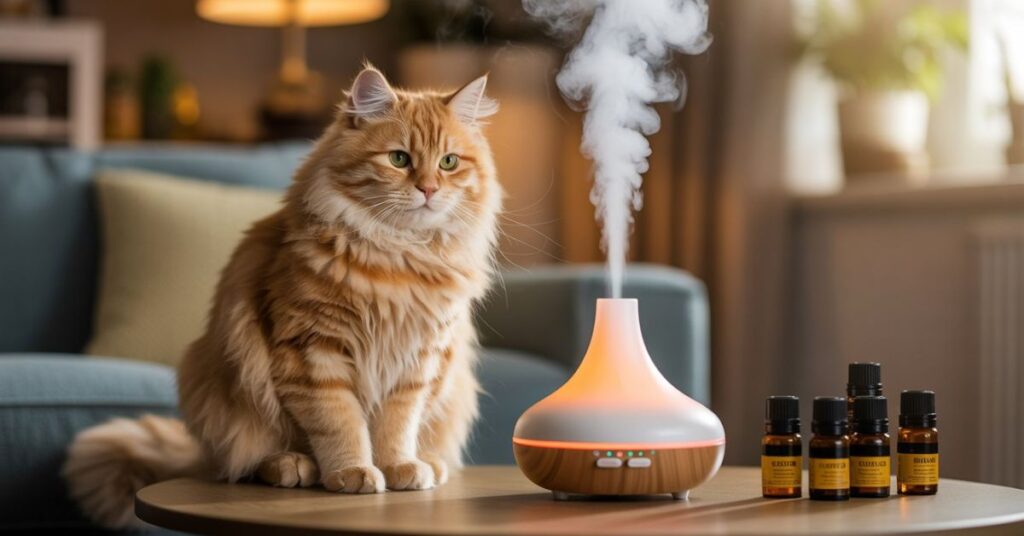
Understanding essential oil exposure in cats is crucial to prevent accidental cat poisoning from essential oils. Cats can encounter essential oils in multiple ways, and each exposure type carries its own health risks.
Diffuser Exposure: Respiratory Risks from Essential Oils in Cats
Diffusers are often used to disperse essential oils in a room. However, cats’ sensitive respiratory systems make them highly vulnerable to inhaled oils. Even mild oils like lavender or rose can trigger coughing, sneezing, or lethargy if the concentration is too strong.
Safety Tips:
- Use diffusers in a well-ventilated area.
- Place the diffuser out of reach of your cat.
- Limit diffusion to 10–15 minutes at a time and closely monitor your cat’s reaction.
Skin Contact: How Essential Oils Can Harm Cats Through Absorption
Topical application of essential oils to your cat or surfaces they touch is extremely dangerous. Oils can be absorbed through the skin and enter the bloodstream, potentially causing liver toxicity or neurological problems.
Tidbit: Even diluted essential oils can be risky if cats groom themselves afterward, ingesting oils from their fur.
Ingestion: The Most Dangerous Form of Essential Oil Exposure in Cats
Cats may ingest essential oils in several ways:
- Licking oil directly from a bottle or diffuser tray.
- Grooming fur that has been exposed to oils.
- Accidental ingestion from cleaning products or scented lotions.
Symptoms can include vomiting, diarrhea, drooling, tremors, or lethargy. Ingested oils are the most dangerous form of cat exposure to toxic essential oils.
Quick Reference Table: Cat Health Risks from Essential Oil Exposure
| Exposure Type | Common Scenario | Risk Level | Safety Tips |
|---|---|---|---|
| Inhalation | Diffuser in small room | Moderate | Use short periods, ventilate the room |
| Skin Contact | Topical application or spill | High | Never apply oils to your cat; clean surfaces immediately |
| Ingestion | Licking or grooming | Very High | Store oils securely; clean spills promptly |
Key Takeaway: By understanding these three main routes of essential oil exposure in cats, owners can take practical steps to reduce the risk of toxic essential oils harming cats at home.
Signs of Essential Oil Poisoning in Cats: Early Warning Symptoms
Recognizing essential oil toxicity in cats early can make a huge difference in their health. Cats are highly sensitive to essential oils, and symptoms may appear within minutes to hours after exposure.
Common Signs of Essential Oil Poisoning in Cats
Respiratory Issues from Toxic Essential Oils
Cats may experience sneezing, coughing, wheezing, or labored breathing. Strong scents or diffused oils can irritate a cat’s lungs and cause respiratory distress.
Gastrointestinal Upset in Cats Exposed to Essential Oils
Ingestion or grooming off the fur can lead to vomiting, diarrhea, drooling, or reduced appetite. Gastrointestinal symptoms are common with toxic essential oils for cats.
Neurological Symptoms from Essential Oil Exposure
Some essential oils, like tea tree, peppermint, or eucalyptus, can trigger tremors, uncoordinated movements, weakness, or seizures in cats.
Skin and Eye Irritation Caused by Essential Oils
Direct contact can cause redness, itching, or burns on the skin, while eyes may become watery or irritated.
Behavioral Changes as a Sign of Essential Oil Toxicity
Cats may display lethargy, hiding, or unusual aggression, signaling distress after exposure.
Tidbit: Watch for Subtle Signs of Essential Oil Toxicity in Cats
Not all cats show dramatic symptoms immediately. Subtle changes like reduced grooming, increased hiding, or mild drooling could indicate early exposure to essential oils dangerous for cats.
Quick Reference Table: Essential Oil Poisoning Symptoms in Cats
| Symptom Type | Common Signs | Likely Exposure Route |
|---|---|---|
| Respiratory | Sneezing, coughing, wheezing | Inhalation |
| Gastrointestinal | Vomiting, diarrhea, drooling | Ingestion |
| Neurological | Tremors, weakness, seizures | Skin absorption / ingestion |
| Skin & Eyes | Redness, irritation | Skin contact |
| Behavioral | Lethargy, hiding, irritability | Any route |
Key Takeaway: Early recognition of essential oil poisoning in cats is vital. If your cat shows any combination of these symptoms after exposure, act immediately to prevent serious harm.
What to Do If Your Cat Is Exposed to Essential Oils
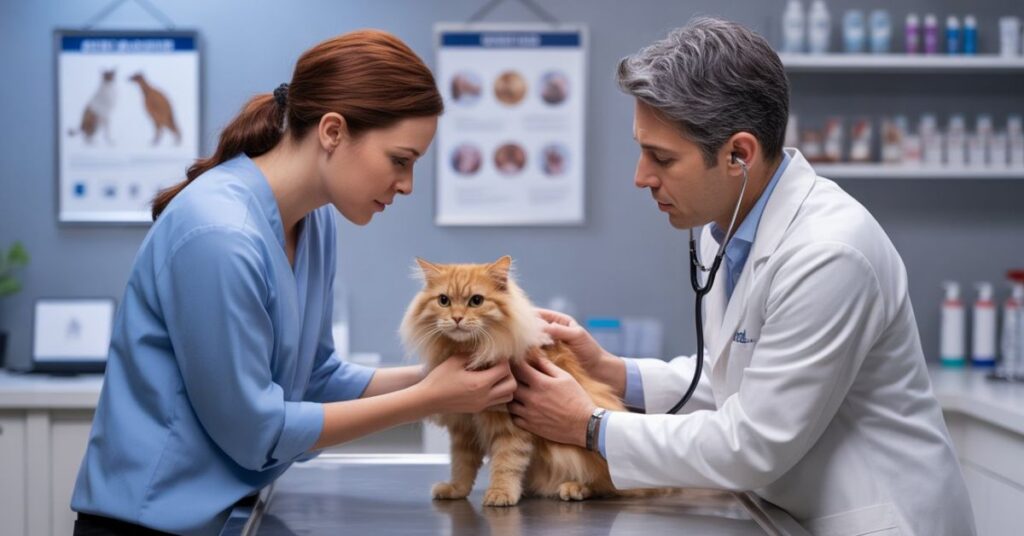
If your cat encounters essential oils, prompt action can prevent serious harm. The response depends on whether exposure was through inhalation, skin contact, or ingestion, but contacting a veterinarian immediately is always critical.
Immediate Steps for Essential Oils Exposure in Cats
Remove the Source: Take your cat away from the affected area. Remove diffusers, bottles, or any spilled oils to prevent further exposure.
Clean the Cat’s Fur (If Contacted): Gently wipe or bathe your cat with mild soap and lukewarm water if oils touch the skin or fur. Avoid harsh scrubbing and wear gloves for protection.
Ventilate the Area: Open windows and use fans to disperse lingering essential oil fumes.
Monitor Symptoms: Watch for vomiting, drooling, lethargy, tremors, or respiratory issues. Observe your cat for several hours after exposure.
Contact Your Veterinarian: Even mild symptoms require professional advice. Early intervention can prevent severe complications.
When to Call a Veterinarian Immediately
Some exposures are life-threatening. Seek urgent veterinary care if your cat shows:
- Seizures or severe tremors
- Difficulty breathing or wheezing
- Extreme lethargy or unresponsiveness
- Continuous vomiting or diarrhea
- Excessive drooling or foaming at the mouth
Tidbit: Have your cat’s age, weight, and medical history ready. This helps the vet determine proper treatment, including activated charcoal, IV fluids, or supportive care.
How to Safely Use Essential Oils Around Cats
Although avoiding essential oils around cats is safest, you can minimize risks if you take precautions. Responsible use focuses on ventilation, dilution, and careful monitoring.
Practical Safety Tips for Using Essential Oils Around Cats
Limit Diffuser Use: Keep diffusers in well-ventilated areas away from your cat’s favorite spaces. Diffuse oils only for short periods (10–15 minutes).
Use Dilution Wisely: Never apply undiluted oils on surfaces or near cats. A low concentration (under 0.5%) in carrier oils or diffuser water is safest.
Monitor Your Cat: Watch for sneezing, coughing, or behavioral changes. Stop use immediately if discomfort appears.
Secure Storage: Store oils out of reach, ideally in locked cabinets or high shelves. Even minor spills can be harmful.
Avoid Direct Contact: Never put essential oils on your cat’s skin or fur, even oils labeled “pet-safe.”
Using Essential Oils Personally Without Harming Cats
- Personal Diffusers Only: Place diffusers in rooms your cat rarely visits.
- Careful Application: Apply oils to clothing or skin and let them absorb before contact with cats.
- Portable Aromatherapy: Use personal inhalers or rollers, avoiding shared spaces.
Tidbit: Online communities such as Reddit emphasize that minimal exposure and constant monitoring are key. Cats should never be directly exposed to diffused oils.
How to Dilute Essential Oils Safely in a Household With Cats
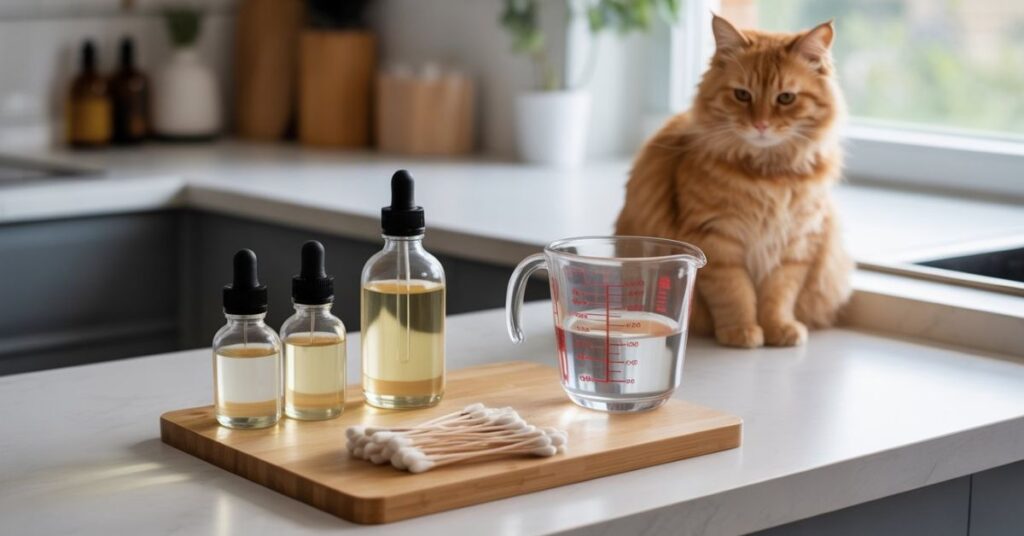
Proper dilution is essential to reduce toxicity risks. Even “mild” oils can be dangerous at high concentrations.
Guidelines for Safe Dilution
Choose a Safe Carrier Oil: Use neutral carriers like coconut, jojoba, or sweet almond oil to dilute essential oils.
Recommended Dilution Ratio:
- 0.25%–0.5% is safest in areas where cats may be present.
- Example: 1 drop of essential oil in 1 teaspoon (5 ml) of carrier oil ≈ 0.5%.
Mix Thoroughly: Ensure oils are fully blended to avoid concentrated pockets.
Test in Isolated Areas: Diffuse briefly in rooms your cat rarely visits and observe for discomfort.
Never Apply Directly: Even diluted oils should never touch your cat’s skin or fur due to ingestion risk.
Quick Dilution Reference Table
| Essential Oil | Safe Dilution % | Example for 5 ml Carrier Oil | Notes |
|---|---|---|---|
| Lavender | 0.25%–0.5% | 1 drop | Diffuse sparingly, avoid direct contact |
| Rose | 0.25%–0.5% | 1 drop | Minimal exposure only |
| Chamomile | 0.25%–0.5% | 1 drop | Diffuse in short intervals |
| Frankincense | 0.25%–0.5% | 1 drop | Use only in ventilated spaces |
Tidbit: Cats react differently depending on age, health, and breed. Begin with minimal exposure and monitor closely.
Essential Oils to Avoid for Cats vs Dogs
Cats are more sensitive than dogs due to missing liver enzymes that metabolize essential oils. Understanding species-specific risks is crucial in multi-pet households.
Why Cats Are More Sensitive Than Dogs
- Dogs can tolerate low amounts of certain oils like lavender or chamomile.
- Cats may experience liver damage, skin irritation, or respiratory distress from the same oils.
Oils Unsafe for Both Cats and Dogs
| Essential Oil | Risk to Cats | Risk to Dogs |
|---|---|---|
| Tea Tree Oil | Liver failure, tremors | Toxic in high doses, skin irritation |
| Cinnamon Oil | Liver toxicity, vomiting | Irritation, gastrointestinal upset |
| Citrus Oils | Vomiting, depression, photosensitivity | Mild gastrointestinal upset |
| Peppermint Oil | Tremors, low blood pressure | Digestive upset, mild respiratory irritation |
| Pine Oil | Liver damage, vomiting | Mild to moderate toxicity |
Oils Safer for Dogs But Risky for Cats
- Lavender Oil: Low diffused amounts safe for dogs; cats may develop respiratory or skin issues.
- Chamomile Oil: Minimal diffusion safe for dogs; cats still sensitive to direct contact or high concentrations.
- Rose Oil: Mild for dogs; strict monitoring required for cats.
Tidbit: “Dog-safe” oils are not automatically safe for cats. Always check species-specific safety before use.
Key Takeaway: In households with cats and dogs, never assume cross-species safety. Keep separate spaces and strictly limit cat exposure to essential oils.
Common Mistakes Cat Owners Make with Essential Oils
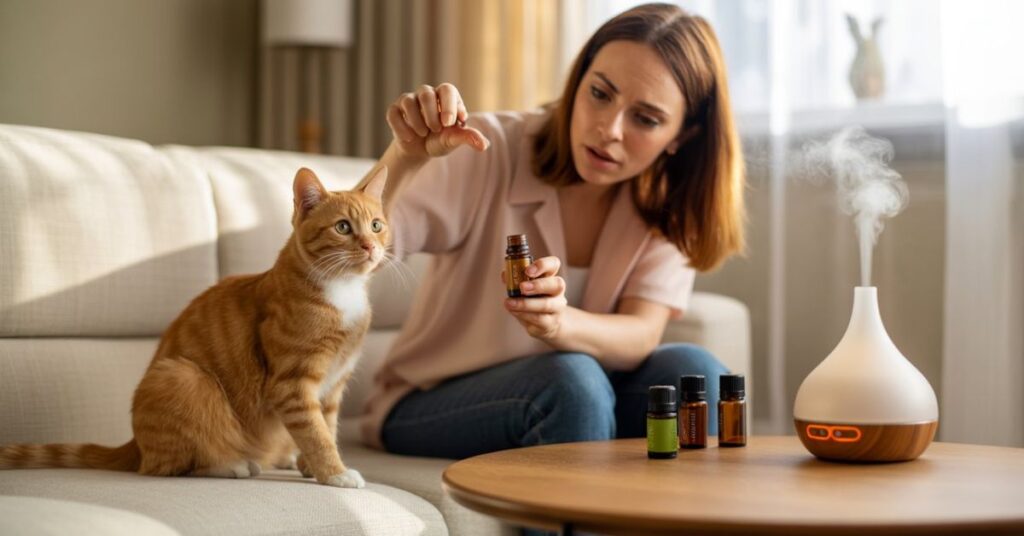
Even well-intentioned cat owners can inadvertently put their pets at risk when using essential oils. Awareness of these common mistakes is the first step toward a safer home environment.
1. Assuming “Natural” Means Safe
Many believe that because essential oils are natural, they are safe for cats. This is false. Oils like tea tree, lemon, or peppermint are natural but can be highly toxic.
2. Using Diffusers Without Ventilation
Leaving diffusers running continuously in a small room where a cat spends time can lead to respiratory irritation, lethargy, or poisoning. Always diffuse in well-ventilated spaces and for short periods.
3. Applying Oils Directly to Skin or Fur
Some owners think topical application is harmless, but cats groom themselves, ingesting the oil and risking severe toxicity. Direct contact should always be avoided.
4. Storing Oils Within Reach
Unsecured bottles can be knocked over or chewed by curious cats, leading to inadvertent ingestion. Always store essential oils high and out of reach.
5. Ignoring Early Warning Signs
Subtle symptoms like drooling, hiding, or mild lethargy are often overlooked. Early detection is critical any unusual behavior after exposure should prompt veterinary consultation.
Quick Reference Table: Mistake vs Risk
| Common Mistake | Risk to Cat | Prevention Tip |
| Assuming natural oils are safe | Liver damage, vomiting | Research each oil before use |
| Continuous diffusion | Respiratory irritation, lethargy | Diffuse short periods in ventilated areas |
| Direct skin/fur application | Ingestion and systemic toxicity | Never apply oils to cats |
| Accessible storage | Accidental ingestion | Store oils securely out of reach |
| Ignoring subtle signs | Delayed treatment, worsened outcomes | Monitor behavior closely |
Tidbit: Even oils labeled “safe for pets” should be approached with caution. Cats are more sensitive than dogs, so species-specific guidance is essential.
Key Takeaway: Avoiding these mistakes significantly reduces the risk of essential oil poisoning. Prevention is always better than treatment when it comes to your cat’s safety.
Final Thoughts: Ensuring Essential Oils Safety for Cats
Essential oils can enhance your home with soothing scents and therapeutic benefits, but when it comes to cats, caution is critical. Understanding toxic oils for cats, safe alternatives, and exposure risks is essential to protect your feline companions.
Key Takeaways for Cat Owners: Using Essential Oils Around Cats
Not All Oils Are Safe – Even natural oils like tea tree, citrus, or peppermint can be highly toxic to cats.
Exposure Matters – Inhalation, skin contact, and ingestion all pose serious dangers. Diffusers, topical applications, and accidental ingestion should be carefully managed or avoided entirely.
Watch for Symptoms – Early signs of poisoning include vomiting, drooling, lethargy, tremors, respiratory issues, or sudden behavioral changes. Quick recognition and action can prevent severe outcomes.
Dilution and Ventilation – If using oils, always dilute them properly and ensure well-ventilated areas that are far from your cat’s living space.
Separate Pet Safety Considerations – Oils considered safe for dogs may still be harmful to cats. Always account for species-specific differences to avoid shared exposure.
Final Safety Tips for Using Essential Oils Around Cats
- Store all essential oils out of reach of your cat.
- Never apply oils directly to your cat’s skin or fur.
- Place diffusers in ventilated, low-traffic areas away from your cat.
- Monitor your cat closely after any exposure and consult a veterinarian immediately if symptoms appear.
By following these guidelines, you can enjoy the benefits of essential oils at home without compromising your cat’s health. The question isn’t just “are essential oils safe for cats?” It’s about responsible use of essential oils around cats. With careful management, you can create a fragrant, therapeutic, and safe environment for both you and your feline friend.
FAQs:
1. Are essential oils safe for cats?
No, most essential oils are not safe for cats. Cats are highly sensitive due to their unique metabolism. Even oils that are safe for humans, like tea tree, citrus, or peppermint, can cause liver damage, respiratory issues, or neurological problems. Always use caution and avoid direct contact, ingestion, or prolonged inhalation.
2. Are essential oils safe for cats to smell?
Cats can be affected by diffused oils. Inhaling essential oils—even in small amounts—can irritate their lungs, cause coughing, or lead to poisoning over time. If you diffuse oils, do so in well-ventilated areas away from your cat and monitor for any signs of discomfort.
3. Are essential oils safe for cats’ skin?
No, applying essential oils directly to a cat’s skin is extremely dangerous. Cats groom themselves, which can lead to ingestion of toxic oils. Even diluted oils can cause irritation, liver damage, or neurological issues. Avoid topical use entirely.
4. Which essential oils are safe to use around cats?
Some oils may be used cautiously in very low concentrations, such as rose, chamomile, or frankincense, primarily in diffused form. However, no essential oil is completely risk-free for cats. Always monitor your cat and ensure proper ventilation.
5. What should I do if my cat is exposed to essential oils?
If exposure occurs, remove your cat from the area, wash any skin contact gently with soap and water, ventilate the room, and contact a veterinarian immediately. Watch for symptoms like vomiting, drooling, lethargy, tremors, or respiratory distress. Quick action can prevent serious harm.