Introduction to Coconut Oil for Baby Skin Care
Why Pure Coconut Oil for Baby Skin is Gaining Popularity
Parents today are actively steering away from petroleum-heavy and synthetic-fragrance commercial baby products, looking instead toward pure botanical alternatives. Pure coconut oil for baby skin has surged in popularity because modern caregivers want minimalist, transparent routines that ditch harsh chemical additives. As an expert in botanical formulations and natural wellness publishing, I always emphasize that what goes onto a baby’s skin goes directly into their system due to their highly permeable epidermis. Parents love this tropical oil because it offers a single-ingredient solution that feels luxurious, smells naturally comforting, and provides straightforward nourishment without hidden fillers, parabens, or phthalates.
Understanding the Unique Barrier of Infant Skin
An infant’s skin is structurally different from adult skin—it is roughly 30% thinner, absorbs topical substances much faster, and loses moisture at an accelerated rate. Because the lipid barrier is still maturing during the first year of life, babies are significantly more prone to environmental irritants, moisture loss, and microbial invasion. Coconut oil for baby skin works exceptionally well here because its medium-chain fatty acids, particularly lauric acid, match the natural lipids found in vernix caseosa the protective coating present at birth. By reinforcing this fragile barrier, the oil helps shield the infant from external allergens while locking in vital hydration.
Is Coconut Oil for Baby Skin Better Than Commercial Lotions?
Most conventional baby lotions rely heavily on water bases, requiring synthetic preservatives like parabens, formaldehyde releasers, and artificial fragrances to prevent microbial growth. These additives frequently trigger contact dermatitis, redness, and chronic dryness in sensitive newborns. In contrast, pure, cold-pressed plant oils provide active nourishment without chemical stabilizers.
- Water-Based Commercial Lotions: Often contain up to 70% water, requiring heavy emulsifiers, artificial perfumes, and chemical preservatives that can strip natural oils.
- Pure Plant Oils: Contain 100% active, nutrient-dense lipids that feed the skin barrier directly without the need for synthetic shelf-life extenders.
- Penetration and Protection: While lotions sit on the surface and evaporate quickly, unrefined fats melt at skin temperature, creating a breathable, semi-occlusive shield.
Expert Insight: Always check the ingredient label of any commercial product claiming to contain “coconut extract.” True nourishment requires virgin or extra-virgin, cold-pressed oil rather than refined derivatives stripped of natural antioxidants.
The Core Benefits of Coconut Oil for Baby Skin

Understanding Natural Infant Emollients
An infant’s delicate outer layer loses hydration rapidly, leading to dry, flaky patches that cause discomfort. Pure coconut oil for baby skin functions as an exceptional emollient and semi-occlusive moisturizer, melting smoothly upon contact with body heat to glide effortlessly across tiny limbs. Rich in saturated fatty acids like lauric and caprylic acid, it fills microscopic gaps between skin cells, instantly softening rough areas. Furthermore, learning how to use these natural lipids correctly such as applying a thin layer immediately after a warm bath allows the plant fractions to lock in residual water droplets, maintaining continuous hydration throughout the day without clogging pores.
Exploring Gentle Daily Cleansing Routines
Beyond moisture retention, this versatile botanical marvel serves as a remarkably gentle, chemical-free cleanser for daily infant routines. Instead of using harsh bubble baths or sulfate-laden washes that strip away protective natural oils, caregivers can use a small amount of oil to dissolve stubborn impurities, milk residue, and cradle cap flakes. Its natural amphiphilic properties help lift away oil-soluble dirt safely without disrupting the natural pH balance. This makes it an ideal option for soothing diaper changes, where it safely cleanses delicate creases without causing friction or irritation.
Examining Microbial Defense Mechanisms
The natural defense mechanisms of a newborn are still developing, leaving them vulnerable to common microbial threats and yeast-related rashes. More than 50% of the fat content consists of lauric acid, which converts into monolaurin when interacting with skin enzymes. Monolaurin is scientifically recognized for its powerful antimicrobial, antibacterial, and antifungal capabilities. By establishing this microbial shield, the plant lipids actively discourage harmful pathogens from colonizing broken or irritated skin folds.
Understanding Dermal Barrier Fortification
Nature features beneficial formulas where plant lipids share a remarkable biochemical synergy with human biology. The primary fatty acid found in this tropical oil is also one of the principal components of human breast milk, prized for its protective qualities. When applied topically, coconut oil for baby skin provides structural building blocks that closely mimic natural vernix lipids, actively supporting immune defenses within superficial skin layers and accelerating cellular repair for a resilient dermal barrier.
Exploring Complexion Clarity and Brightening
Caregivers frequently look for gentle ways to maintain a clear, radiant complexion as an infant grows out of newborn blotchiness or mild postpartum variations. While the substance does not alter natural genetic pigmentation, it helps maintain a luminous, even tone by deeply nourishing cellular layers. Rich antioxidant compounds like vitamin E and natural polyphenols neutralize oxidative stress, fading minor dry spots, hyperpigmentation from cradle cap healing, and minor environmental discolorations naturally.
Managing Overnight Moisture Retention
Nighttime is when cellular regeneration and moisture loss peak, making overnight hydration crucial for babies prone to restless sleep caused by dryness. Applying a breathable, protective blanket prevents transepidermal water loss for hours. By massaging a light layer onto the infant before bedtime, parents ensure that the skin stays deeply conditioned, soft, and supple until morning, significantly reducing nighttime waking due to physical discomfort.
Dermatological Benefits Overview
- Lipid Replenishment: Fills intercellular gaps and seals in essential hydration using natural caprylic and capric triglycerides.
- Microbial Defense: Neutralizes harmful bacteria and yeast via lauric acid conversion into active monolaurin.
- Barrier Protection: Mimics natural vernix lipids to shield against everyday environmental irritants.
- Tone Clarity: Reduces dullness, oxidative stress, and dry patches with vitamin E and nourishing polyphenols.
Read More: coconut oil on leather || cannabis coconut oil || coconut oil popcorn || essential oils to repel spiders
Healing Skin Conditions Using Coconut Oil for Baby Skin
Treating Diaper Rash Naturally with Coconut Oil for Baby Skin
Diaper rash is a distressing challenge during an infant’s first few years. Specifically, it is often triggered by moisture friction and bacterial or yeast overgrowth. Fortunately, coconut oil for baby skin provides a soothing, chemical-free remedy. In addition, it creates a breathable barrier against wetness while actively neutralizing pathogens. Unlike heavy zinc oxide pastes that feel chalky in sensitive creases, this natural emollient melts smoothly. Consequently, it eases redness and prevents chafing effectively.Applying a thin layer at every diaper change helps isolate the skin from irritants, accelerating natural healing without clogging pores.
Managing Eczema and Dry Skin Patches Using Coconut Oil for Baby Skin
Infant eczema causes intensely itchy, inflamed, and flaky patches that leave babies restless and uncomfortable. Because commercial steroid creams or synthetic lotions can sometimes exacerbate sensitivity, many dermatologists and parents turn to botanical alternatives for daily maintenance. Coconut oil for baby skin penetrates deeply into dry layers, soothing inflammation and restoring the compromised lipid barrier. Regular application softens stubborn scaly patches, reduces the urge to scratch, and provides lasting relief during seasonal dry spells.
Soothing Cradle Cap Safely with Coconut Oil for Baby Skin
Cradle cap, medically known as infantile seborrheic dermatitis, manifests as thick, crusty, or greasy scales on a baby’s scalp. Picking at these flakes can cause bleeding or infection, making a gentle softening approach essential. Coconut oil for baby skin works wonders as a scalp treatment because its rich fatty acids loosen stubborn scales effortlessly. Massaging a small amount onto the scalp, letting it sit for 15 minutes, and gently brushing it out with a soft-bristle baby brush removes buildup safely without irritating the underlying skin.
Improving Skin Elasticity and Softness with Coconut Oil for Baby Skin
A baby’s skin undergoes rapid stretching and environmental adjustments as they grow from a newborn into an active toddler. Maintaining suppleness requires deep intercellular nourishment rather than surface-level coating. Coconut oil for baby skin benefits include enhancing overall skin elasticity by delivering essential nutrients directly to developing dermal layers. Routine, gentle massages improve blood circulation, ensuring that tiny limbs remain velvety-soft, resilient, and fully protected against daily environmental friction.
How to Choose the Right Product for Coconut Oil for Baby Skin

Refined vs. Unrefined Options for Coconut Oil for Baby Skin
When shopping for infant care supplies, navigating processing labels can feel overwhelming. Refined coconut oil undergoes bleaching and deodorizing via high heat. Furthermore, this process strips away much of its natural scent, color, and antioxidant content. In contrast, unrefined they (often labeled virgin or extra-virgin) is extracted from fresh coconut meat. Thus, it avoids high heat or chemical solvents. Consequently, cold-pressed variants are vastly superior for delicate infant care. Therefore, they retain the highest concentration of protective antioxidants, vitamin E, and pure lauric acid for therapeutic nourishment.
What to Look For When Buying Organic Coconut Oil for Baby Skin
An infant’s thin epidermis absorbs topical substances rapidly, making purity non-negotiable. When selecting the best coconut oil for baby skin, parents must prioritize products that carry certified organic seals, ensuring the coconuts were grown without synthetic pesticides, chemical fertilizers, or GMOs. Always check the ingredient label to confirm it reads 100% pure coconut oil with zero added fragrances, mineral oils, or synthetic preservatives. Glass packaging or BPA-free containers are also preferred to prevent chemical leaching from plastics into the oil.
Comparing Alternative Carrier Oils and Lotions for Infant Care
While coconut oil is a powerhouse for most babies, every infant’s skin profile is unique. Understanding how it compares to alternative botanical options helps parents tailor their moisturizing routine effectively.
| Oil / Lotion Type | Best Used For | Primary Benefit | Potential Drawback |
| Unrefined Coconut Oil | Daily moisture, diaper rash, cradle cap | High lauric acid, antimicrobial defense | Can be mildly comedogenic for eczema-prone babies |
| Sweet Almond Oil | Gentle infant massage | Rich in Vitamin D and E, easily absorbed | Must avoid if the family has tree nut allergies |
| Jojoba Oil | Scalp care and balancing oil production | Closely mimics natural human sebum | Generally more expensive per ounce |
| Commercial Baby Lotion | Quick daytime hydration | Lightweight and non-greasy | Often contains synthetic fragrances and parabens |
Step-by-Step Guide on How to Use Coconut Oil for Baby Skin
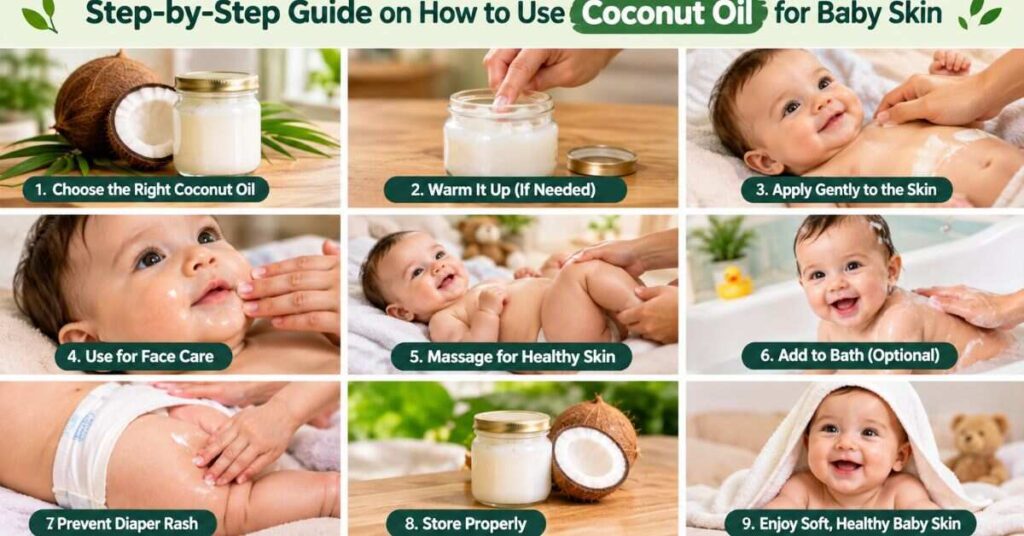
Performing a Safe Patch Test Before Applying Coconut Oil for Baby Skin
Even the most natural botanical products can occasionally trigger unexpected sensitivities in a newborn’s hypersensitive immune system. Before slathering your infant in tropical goodness, learning how to use safely begins with a simple allergy patch test. Take a pea-sized amount of unrefined, organic oil and dab it onto a small, discreet area such as the inner forearm or the back of the calf. Dress the baby normally and monitor that specific spot for 24 hours. If you notice any redness, tiny bumps, or signs of irritation, discontinue use immediately. If the skin remains clear, calm, and velvety-soft, you are ready to introduce it into their regular care routine.
Best Massage Techniques Using Coconut Oil for Baby Skin
Infant massage is a wonderful bonding ritual that promotes relaxation, improves sleep quality, and supports healthy neurological development. To perform a soothing massage, warm a nickel-sized amount of oil between your palms until it melts completely into a silky liquid. Use gentle, sweeping upward strokes starting from the legs and moving toward the chest, always applying minimal pressure. Incorporating coconut oil for baby skin benefits through massage allows the nourishing fatty acids to penetrate deep into skin creases while keeping your hands gliding smoothly without causing friction or tugging on delicate limbs.
Best Time of Day to Apply Coconut Oil for Baby Skin Post-Bath
Timing is everything when it comes to sealing in maximum moisture. The absolute best time to apply the oil is within three minutes of taking your baby out of a warm bath, while their skin is still slightly damp. Pat the baby down gently with a soft towel, leaving microscopic water droplets clinging to the skin. Massaging a thin layer of the oil over the damp skin traps that vital water inside the epidermis, creating a powerful, breathable barrier against dryness that lasts all day long.
Seasonal Adjustments: Using Coconut Oil for Baby Skin in Summer vs. Winter
An infant’s skincare needs fluctuate drastically depending on the weather and indoor climate control. During harsh winter months, indoor heating and cold outdoor winds strip moisture rapidly, requiring a slightly thicker layer of oil applied after baths and before bedtime to combat windburn and flakiness. Conversely, during hot and humid summer days, heavy application can trap sweat and lead to heat rash or prickly heat. In warmer weather, use only a microscopic amount, focusing strictly on dry folds or diaper areas, or opt for lighter daytime application.
Hot vs. Cold Application Methods for Coconut Oil for Baby Skin
The physical state in which you apply the oil can change the sensory experience for your baby. At room temperature, the oil is semi-solid, melting instantly upon skin contact.
- Cold (Room Temperature) Application: Direct from the jar, it provides a refreshing, cooling effect that is wonderful for soothing overheated skin during summer afternoons or calming minor inflammation.
- Warm Application: Scooping a small amount into a small glass bowl and setting it inside a warm water bath for a minute creates a comforting, spa-like warmth. This method is exceptionally relaxing during bedtime routines, helping to calm fussy babies before sleep.
5 Creative Ways to Integrate Coconut Oil for Baby Skin into Your Daily Pampering Routine
Transitioning this versatile botanical into your daily schedule makes baby care effortless and enjoyable. Try these five creative integration ideas:
- Diaper Bag Travel Stick: Melt and pour a small amount into a clean, travel-sized twist-up container for mess-free diaper rash protection on the go.
- Bathwater Booster: Stir a half teaspoon of warm oil directly into the baby bathwater for an all-over conditioning soak (exercise caution as the tub will become slippery).
- Teething Cheek Protector: Dab a thin shield around the mouth area before a drooly teething session to protect delicate skin from chapping and irritation.
- Eyelash and Brow Softener: Gently swipe a tiny speck over dry, flaky baby brows to loosen cradle cap or soften dry skin around the eyes safely.
- Overnight Sleep Sock Treatment: Apply a rich layer to little baby feet before slipping on cotton socks to lock in deep moisture overnight.
Safety Measures and Risks of Coconut Oil for Baby Skin
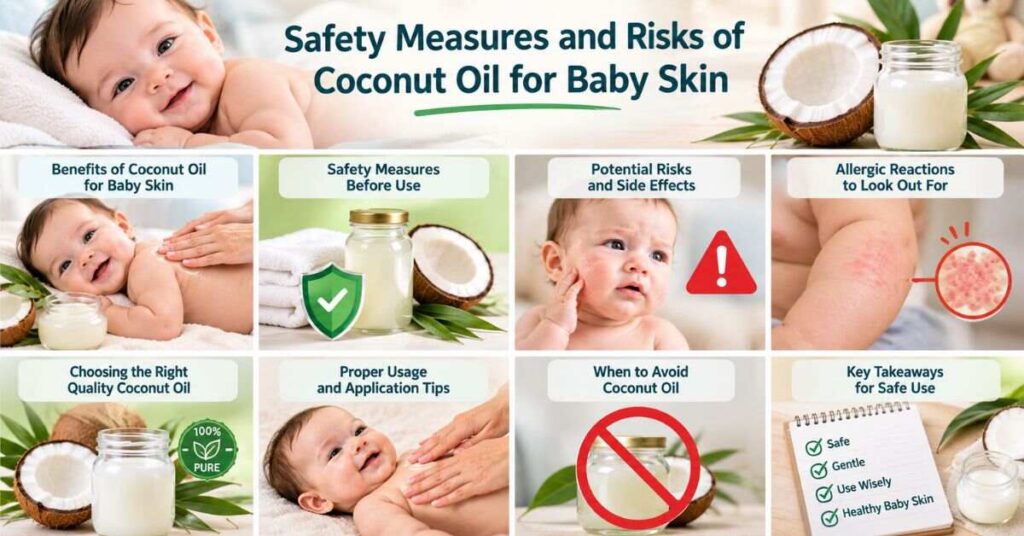
Are There Any Hidden Risks of Using Coconut Oil for Baby Skin?
While pure botanical fats are generally celebrated for their gentle nature, parents must remain aware of potential drawbacks before making them a nursery staple. One common issue is comedogenicity; coconut oil sits relatively high on the pore-clogging scale. For babies prone to baby acne, milia, or stubborn eczema flare-ups, heavy application can trap sebum and sweat beneath the surface, occasionally worsening breakouts or heat rash. Furthermore, using unrefined products that have been contaminated or stored in humid bathroom environments can introduce mold or bacteria. Always use clean fingers or a sanitized wooden spoon to scoop the product from its jar.
Precautions When Using Essential Oils Alongside Coconut Oil for Baby Skin
Many DIY skincare recipes recommend blending essential oils like lavender or chamomile into carrier oils to enhance relaxation or scent. However, dermatologists and pediatricians strongly advise against adding essential oils to any topical mixture for infants under six months of age and exercise extreme caution even beyond that. Essential oils are exceptionally potent botanical extracts that can easily trigger severe contact dermatitis, respiratory irritation, or systemic toxicity in a baby’s developing liver and kidneys. When utilizing coconut oil for baby skin, always keep it 100% pure and fragrance-free.
When to Avoid Coconut Oil for Baby Skin Due to Medical Conditions (e.g., Central Lines)
In clinical or neonatal intensive care settings, certain traditional skincare practices are strictly restricted. Specifically, premature infants or babies requiring medical hardware should avoid topical treatments. For instance, devices like central venous lines, percutaneous lines, or continuous monitors demand strict caution. Therefore, avoid using coconut oil for baby skin unless explicitly cleared by a neonatologist. Studies indicate that applying plant oils to compromised barriers of extremely premature infants alters skin flora. Consequently, this practice increases the risk of localized cutaneous infections. Always consult your pediatrician if your infant has underlying dermatological disorders, severe genetic skin conditions, or compromised immunity.
Expert Warning: Watch for persistent weeping rashes or signs of a bacterial infection. Specifically, look out for pus or yellow crusting. Furthermore, monitor for any spreading allergic reaction. Therefore, discontinue home treatments immediately. Consequently, always seek professional medical guidance when using coconut oil for baby skin if severe symptoms arise.
Conclusion:
Choosing natural care options like pure, unrefined, and organic oils is a simple choice. Therefore, parents can nourish their little ones without harsh chemical additives or synthetic fragrances. Furthermore, users understand its unique ability to lock in moisture and calm diaper irritation. In addition, it shields delicate barriers using natural lauric acid. Consequently, families establish a safe and comforting daily routine. Always prioritize a patch test. Moreover, choose cold-pressed quality. Ultimately, observe how the skin responds to ensure long-lasting softness and protection.
About the Author
Noor Fatima | SEO Expert & Natural Oils Specialist
Credentials:
As an SEO expert and the driving force behind Pure Oils Hub (pureoilshub.com), I combine over 8 years of digital strategy and search optimization with a deep, lifelong passion for organic aromatherapy and plant-based living.
First-Hand Experience:
“Navigating the digital landscape for more than 8 years while researching pure botanical and carrier oils has shown me that creating a truly helpful website takes more than just technical SEO. It requires a genuine commitment to cutting through the noise of commercial, synthetic products to deliver honest, thoroughly researched, and practical guides. My goal is to make natural wellness accessible to everyone, helping you discover the simple, powerful ways pure oils can transform your daily self-care routine.”
FAQs:
Is pure coconut oil for baby skin safe for everyday use?
Yes, pure, unrefined, and organic coconut oil is generally safe for daily use on a baby’s skin, provided the child does not have a rare allergy or severe eczema flare-up that reacts negatively to heavier plant fats. Because it is free from synthetic chemicals, parabens, and artificial fragrances, it makes a wonderful, minimalist daily moisturizer. However, because it is moderately comedogenic, parents should monitor how the infant’s skin responds during the first week of daily application, scaling back frequency if any tiny bumps or milia appear.
How do I apply coconut oil for baby skin without clogging pores?
To prevent clogged pores and minor breakouts, the key is moderation and correct application technique. Avoid slathering on a thick, heavy layer. Instead, take a tiny pea-sized amount of coconut oil for baby skin. Next, warm it thoroughly between your palms until it transforms into a liquid. Consequently, you can massage a thin, breathable film over the skin. Furthermore, applying it immediately after a warm bath helps the oil spread evenly. Therefore, it absorbs quickly while locking in moisture without leaving a suffocating residue on the epidermis.
Which type of coconut oil for baby skin brightens and nourishes best?
Extra-virgin, cold-pressed, and unrefined organic coconut oil offers the highest level of nourishment and skin-clarifying benefits. Refined alternatives undergo high-heat processing and chemical bleaching. Furthermore, this aggressive manufacturing strips away vital natural antioxidants and vitamins. In contrast, unrefined they preserves rich concentrations of vitamin E, polyphenols, and lauric acid. As a result, selecting pure cold-pressed options delivers superior nourishment for developing infant skin. These natural compounds neutralize oxidative stress, soothe dry patches, and support a luminous, healthy-looking complexion as your baby grows.
Can newborn babies safely use coconut oil for baby skin treatments?
Newborn skin is exceptionally thin, highly permeable, and still developing its natural barrier during the first month of life.Many pediatricians and parents successfully use to manage cradle cap or mild dryness. However, it remains wise to perform a twenty-four-hour patch test first. Consequently, premature infants or newborns with diagnosed conditions like severe eczema require extra care. Therefore, always consult your pediatrician before introducing any new topical botanical product to a fragile newborn.
Does Coconut Oil for Baby Skin Stain Clothes and How to Wash It Out?
Because plant oils are lipid-based, they can leave translucent spots on baby clothes, sleepsuits, and crib sheets if applied right before dressing. To prevent this staining, allow the oil five to ten minutes to fully absorb into the skin before putting clothes on. Alternatively, place a lightweight cotton towel underneath the baby during massage time.
If clothes do become stained, treat them before washing. Rub a small drop of liquid dish soap or grease-fighting laundry detergent directly onto the spot. Let it sit for ten minutes, then wash the fabric on the hottest recommended water temperature. Proper timing and quick pre-treatment ensure your baby’s garments stay fresh and clean.