Introduction to Cannabis Coconut Oil
Crafting homemade cannabis coconut oil transforms ordinary herbal remedies into versatile culinary and wellness staples. Modern wellness enthusiasts and experienced home bakers increasingly favor coconut oil over traditional dairy butter because its rich saturated fat content captures plant trichomes with exceptional efficiency. Medium-chain triglycerides found naturally in tropical oils accelerate cannabinoid absorption, ensuring powerful results across every application.
Expert Insight: Mastering the proper cannabis coconut oil temperature during the infusion process prevents the degradation of delicate cannabinoids, protecting both therapeutic potency and natural flavor profiles.
This comprehensive guide explores every essential aspect of botanical extraction, from precise decarboxylation steps to practical infused coconut oil recipes. Readers discover proven stovetop and slow cooker methods, expert storage tips, and reliable dosage guidelines designed to elevate everyday health routines safely and effectively.
Understanding Cannabis Coconut Oil
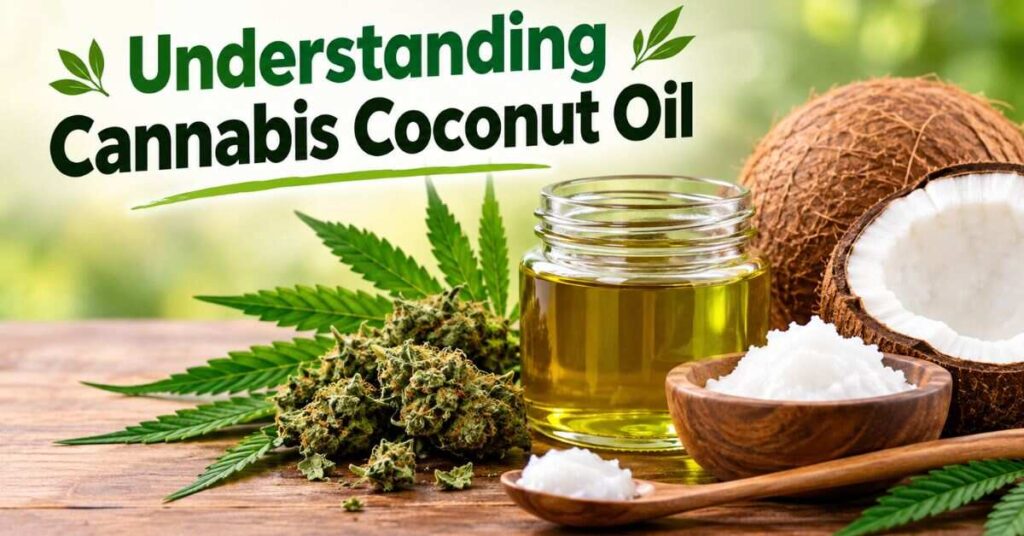
What Is Cannabis Coconut Oil and Why Is It Popular?
Cannabis coconut oil represents a powerhouse infusion that blends the rich cannabinoid profile of the cannabis plant with the high saturated fat content of coconut oil. Bakers, chefs, and wellness enthusiasts favor this specific infusion because coconut oil contains a high concentration of medium-chain triglycerides (MCTs). These fats act as efficient delivery vehicles for cannabinoids like THC and CBD.
- High fat content binds effectively with cannabinoids during the extraction process.
- MCTs digest rapidly, which accelerates the onset time of edibles.
- Coconut oil remains solid at room temperature, making it versatile for both baking and topical applications.
Researchers note that saturated fats improve bioavailability, meaning the human body absorbs a higher percentage of active compounds compared to traditional cooking oils. Furthermore, coconut oil masks the herbal taste of cannabis more effectively than olive or vegetable oils.
How Cannabis Coconut Oil Works for Edibles and Topicals
Cannabinoids are lipophilic, meaning they dissolve in fats rather than water. When consumers infuse cannabis into coconut oil, the active compounds bond tightly to the lipid molecules.
Expert Insight: The liver processes ingested cannabis coconut oil by converting Delta-9-THC into 11-hydroxy-THC, a metabolite that produces stronger and longer-lasting psychoactive effects than smoked cannabis.
For topical use, the skin absorbs the infused fatty acids directly. Localized receptors in the skin interact with cannabinoids without entering the bloodstream, providing targeted relief for sore muscles and dry skin without causing intoxication.
Top Health Benefits of Cannabis-Infused Coconut Oil
Crafting quality cannabis coconut oil delivers multiple therapeutic advantages for daily wellness routines. Users integrate this homemade blend into their health regimens for several proven reasons:
- Pain and Inflammation Relief: Cannabinoids interact with CB2 receptors to reduce localized inflammation.
- Enhanced Skin Hydration: Coconut oil locks in moisture while delivering soothing plant compounds to dry patches.
- Neurological Support: MCTs supply immediate energy to the brain, while cannabinoids promote relaxation and stress reduction.
- Digestive Health: Healthy fats support nutrient absorption and soothe the gastrointestinal tract.
Weed Butter vs. Cannabis Coconut Oil: Which Is Better?
Choosing between traditional cannabutter and cannabis coconut oil depends entirely on the intended recipe and dietary preferences.
| Feature | Weed Butter | Cannabis Coconut Oil |
| Fat Content | Approximately 80-82% dairy fat | Nearly 100% plant-based fat |
| Shelf Life | Shorter shelf life; spoils quickly | Longer shelf life due to stable fatty acids |
| Dietary Suitability | Contains dairy; unsuitable for vegans | Vegan, dairy-free, and keto-friendly |
| Absorption Speed | Slower digestion rate | Faster absorption via MCTs |
| Versatility | Excellent for traditional baking | Ideal for baking, cooking, and skincare |
Makers prefer infused coconut oil over dairy butter because plant-based lipids capture trichomes efficiently and resist rancidity for extended periods.
Ingredients and Materials Needed for Cannabis Coconut Oil
Choosing the Right Coconut Oil for Your Cannabis Infusion
Selecting the appropriate base oil determines the final quality, texture, and aroma of your cannabis coconut oil. Two primary types dominate the market: refined coconut oil and unrefined (virgin) coconut oil. Refined coconut oil undergoes a natural steaming process that neutralizes the distinct coconut scent and flavor. This neutral profile makes refined oil an exceptional choice for users who prefer their edibles to taste like standard baked goods rather than tropical fruit. Conversely, unrefined or virgin coconut oil retains a rich coconut aroma and taste, which complements sweet recipes like cookies, brownies, and tropical smoothies.
- Refined Coconut Oil: Neutral taste, higher smoke point, ideal for masking herbal cannabis notes.
- Unrefined Coconut Oil: Strong coconut flavor, retains more natural antioxidants, best for tropical or sweet culinary creations.
- Liquid MCT Oil: Highly processed fractionated coconut oil that remains liquid at room temperature; excellent for tinctures or quick sublingual drops.
Gathering Tools, Supplies, and Ingredients for Cannabis Coconut Oil
Assembling the correct equipment before starting ensures a seamless and efficient extraction process. Proper preparation prevents messy spills and guarantees that you capture maximum potency from your plant material.
- Cannabis Flower: High-quality strains chosen for specific therapeutic or recreational goals.
- Coconut Oil: The exact quantity needed based on your batch size and desired potency.
- Baking Sheet and Parchment Paper: Essential for the initial decarboxylation phase.
- Digital Kitchen Scale: Accurate measurement prevents potency guesswork.
- Double Boiler or Slow Cooker: Controlled heating units to maintain precise temperatures.
- Digital Meat or Candy Thermometer: Vital for monitoring heat levels and preventing THC degradation.
- Cheesecloth or Fine Mesh Strainer: Necessary for separating plant matter from the finished liquid oil.
- Glass Storage Containers: Airtight jars protect the finished batch from light and air degradation.
Why Choose Organic and High-Quality Coconut Oil
Quality matters immensely when crafting homemade wellness products. Selecting organic, cold-pressed, or expeller-pressed coconut oil ensures that the final product remains free from chemical solvents, synthetic fertilizers, and pesticide residues. Non-organic processing methods often utilize harsh chemical solvents like hexane to extract oil from copra, which can leave trace contaminants behind. Organic coconut oils provide pure, unadulterated saturated fats that bond cleanly with plant trichomes. Furthermore, high-grade oils support longer shelf stability, ensuring your infused coconut oil remains fresh, potent, and safe for consumption or topical application over many months.
Step-by-Step Preparation for Cannabis Coconut Oil
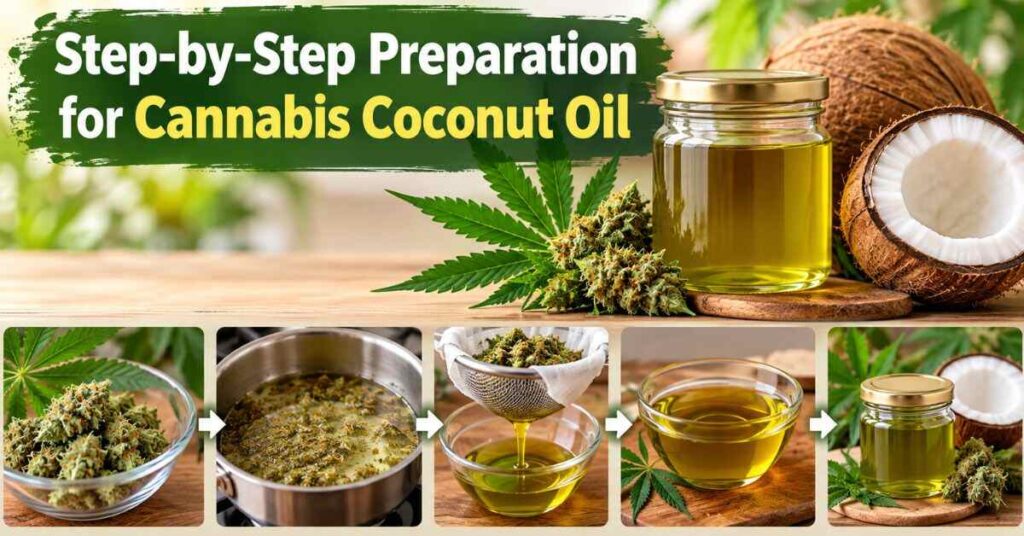
Why Decarboxylation Is Essential for Cannabis Coconut Oil
Raw cannabis plant material does not cause psychoactive or targeted therapeutic effects on its own because it contains THCA and CBDA rather than active THC and CBD. These raw cannabinoid acids feature an extra carboxyl ring. Applying precise heat breaks down this chemical structure through a process called decarboxylation. Without this critical heating step, raw flowers yield a weak infusion that lacks the desired potency. Heating the plant material transforms the acidic precursors into bioavailable compounds that readily bond with the saturated fats inside your infused coconut oil.
- Converts non-psychoactive THCA into active Delta-9-THC.
- Unlocks the full medicinal and therapeutic potential of CBD and minor cannabinoids.
- Prepares the dried plant material for optimal lipid absorption during the infusion phase.
Step-by-Step Instructions to Decarboxylate Your Cannabis Flower
Proper technique during the decarboxylation stage protects fragile terpenes while activating maximum cannabinoid potency. Careful temperature management prevents scorching or burning the valuable plant material.
- Preheat your kitchen oven to 240 degrees Fahrenheit (115 degrees Celsius) to protect delicate compounds.
- Break your cannabis flower apart gently using your fingers or a coarse grinder into uniform, medium-sized pieces. Avoid turning the herb into a fine powder.
- Spread the plant material evenly across a rimmed baking sheet lined with parchment paper.
- Bake the cannabis in the preheated oven for 30 to 40 minutes, stirring gently halfway through to ensure even heating.
- Remove the baking sheet from the oven once the flower turns a light golden-brown color and emits a toasted, nutty aroma. Let it cool completely before mixing it into your cannabis coconut oil calculator plans.
Alternative Extraction Options Using RSO, Shatter, or Distillate
Home cooks who prefer skipping the traditional flower extraction process can utilize concentrated cannabis extracts. Rick Simpson Oil (RSO), shatter, wax, and distillate offer streamlined alternatives for potent infusions. Because these concentrates are typically pre-decarboxylated or refined during processing, they dissolve directly into warm coconut oil without requiring an oven baking step.
- RSO (Rick Simpson Oil): Full-spectrum extract delivering a robust profile of cannabinoids and terpenes.
- Distillate: Highly refined, potent THC or CBD oil that mixes cleanly without leaving plant sediment.
- Shatter or Wax: Solvent-based concentrates that must be gently melted and decarboxylated on low heat before blending into your cannabis coconut oil.
Read More: coconut oil popcorn || essential oils to repel spiders || essential oil for bug bites || essential oil combinations
Proven Methods to Make Cannabis Coconut Oil
Method 1: Easy Stovetop Cannabis Coconut Oil Recipe
The stovetop method provides direct control over the infusion process, making it a favorite choice for home cooks who prefer hands-on monitoring. This technique utilizes a traditional double boiler setup to protect the delicate plant compounds from scorching against direct high heat.
- Combine one cup of ground, decarboxylated cannabis flower with one cup of melted coconut oil in the top bowl of your double boiler.
- Fill the bottom pot with a few inches of water, ensuring the water level does not touch the bottom of the upper bowl.
- Simmer the water over low heat, maintaining a steady temperature between 160 and 200 degrees Fahrenheit.
- Stir the mixture every 15 minutes to encourage even cannabinoid extraction into the lipids.
- Allow the mixture to simmer gently for two to three hours, topping up the bottom pot with hot water as needed.
Method 2: Slow Cooker Cannabis Coconut Oil Recipe
Using a slow cooker simplifies long extraction sessions by maintaining steady, automated heat over extended periods. This method reduces kitchen supervision and delivers a deeply potent batch of cannabis coconut oil slow cooker style.
Expert Insight: Slow cookers often run hotter than their dial settings indicate. Placing a damp kitchen towel beneath the mason jar or using a digital thermometer ensures the internal liquid stays safely within the target range.
- Place your measured decarboxylated cannabis and coconut oil directly into the slow cooker ceramic insert or inside a sealed mason jar set inside a water bath.
- Set the slow cooker to its lowest heat setting, such as “Warm” or “Low.”
- Cook the infusion for four to six hours, checking the temperature periodically to prevent overheating.
- Stir the blend occasionally to ensure the plant material remains fully submerged in the warm oil.
Exploring Alternative Infusion Methods for Cannabis Coconut Oil
Modern culinary enthusiasts utilize specialized kitchen appliances to streamline botanical extractions. Automated botanical infusers control precise temperatures and automated stirring cycles, removing all guesswork from the process. Furthermore, many creators utilize a cannabis coconut oil double boiler method paired with solar cookers or instant pots for energy-efficient production. Each alternative technique achieves the same fundamental goal: binding active cannabinoids to saturated fats efficiently while preserving the rich aroma and medicinal integrity of your herbs.
Pro Tips for Maximizing Cannabis Coconut Oil Potency
Applying Low and Low and Slow Extraction Techniques
Mastering botanical extraction requires careful temperature management and patience. Exposing plant material to excessive heat degrades fragile cannabinoids like THC and CBD into inactive compounds such as CBN, shifting the intended therapeutic or psychoactive profile. Maintaining a strict thermal threshold between 160 and 200 degrees Fahrenheit protects the active profile while guaranteeing thorough extraction. Keeping the heat source low and extending the infusion duration allows dietary lipids to capture maximum medicinal value from every single trichome without scorching the botanical matter.
Enhancing Absorption and Bioavailability
Incorporating a natural emulsifier such as sunflower or soy lecithin transforms an ordinary mixture into a high-performance blend. Lecithin molecules feature both water-attracting and fat-attracting properties, which bind active cannabinoids tightly to dietary fats. This molecular bridge increases the bioavailability of cannabinoids during human digestion, accelerates the onset time of homemade edibles, and guarantees uniform distribution of active compounds throughout the entire batch.
Proper Straining and Filtration Protocols
Achieving a smooth, sediment-free final product demands precise filtration techniques. Pouring the warm, finished liquid through a fine-mesh strainer lined with an unbleached nut milk bag into a clean glass container traps unwanted botanical debris. Avoiding harsh squeezing of the filter fabric prevents bitter plant chlorophyll and microscopic plant matter from passing through the mesh, preserving the clean, natural taste of the infusion.
Storage Strategies for Extended Freshness
Protecting finished batches from light, heat, and oxygen prevents premature degradation and rancidity. Pouring the strained liquid into airtight glass mason jars or UV-resistant amber containers safeguards the delicate chemical structure. Storing these sealed jars inside a cool, dark pantry or a dedicated refrigerator extends shelf life significantly. Refrigerated portions remain potent for several months, whereas frozen supplies retain their full medicinal profile for up to an entire year.
Methods for Adjusting Potency and Correcting Errors
Makers occasionally discover that an experimental batch lacks the desired strength or suffered minor scorching during processing. Reheating a weak infusion alongside a fresh quantity of decarboxylated plant material corrects low potency effectively. Conversely, batches exposed to excessive heat naturally convert into sleep-inducing CBN. Rather than discarding these overcooked oils, practitioners repurpose them specifically for evening relaxation or specialized nighttime topical salves.
Best Ways to Use Cannabis Coconut Oil Daily
Delicious Edible Recipes Using Cannabis Coconut Oil
Integrating your homemade infusion into daily meals elevates ordinary dishes into therapeutic culinary experiences. Because coconut oil solidifies at room temperature, it serves as an exceptional substitute for butter or vegetable oil across numerous recipes. Chefs apply infused coconut oil to bulletproof morning coffee, homemade granola bars, vegan chocolates, and savory stir-fries.
- Morning Boost: Stir a small teaspoon directly into hot coffee or herbal tea for sustained mental clarity.
- Baking Staples: Substitute regular butter with equal parts infused oil in brownies, cookies, and energy balls.
- Savory Cooking: Use moderate heat to sauté vegetables or sear proteins, ensuring temperatures never exceed smoke points.
Alternative Topical and Wellness Uses for Cannabis Coconut Oil
Topical applications offer targeted relief without psychoactive side effects, making them ideal for localized discomfort and skin rejuvenation. Cannabinoids bind directly to cutaneous CB2 receptors, soothing surface-level irritation, joint stiffness, and muscle soreness.
- Sore Muscle Salve: Massage the solid oil directly into aching joints or tight shoulders after a strenuous workout.
- Deep Hair Mask: Apply the nutrient-rich oil from roots to ends to restore moisture and tame dry frizz.
- Natural Lip Balm: Smooth a tiny drop over chapped lips to lock in hydration and botanical healing properties.
How to Dose and Measure Cannabis Coconut Oil Correctly
Calculating precise serving sizes prevents accidental overconsumption and ensures a predictable, enjoyable experience every single time. Home cooks utilize a specialized cannabis coconut oil calculator to estimate total milligram potency based on flower weight and THC percentages.
In clinical pharmacokinetics and therapeutic titration protocols, establishing individualized dosing limits prevents accidental over-intoxication from variable lipophilic extractions. Specifically, laboratory safety analysts emphasize that expert insight dictates you always test a tiny quarter-teaspoon sample of a new batch before consuming a full standard portion, ensuring precise tolerance evaluation. Consequently, this cautious micro-dosing strategy safeguards individuals, as homemade extractions vary widely based on plant strength and infusion duration, causing unpredictable milligram potencies per volume. Furthermore, clinical researchers demonstrate that lipid-bound active compounds ingested via cannabis coconut oil undergo variable hepatic first-pass metabolism depending on individual gastric emptying rates.
In addition, waiting a full two-hour window post-ingestion allows complete gastrointestinal absorption before considering supplemental titration. Additionally, logging batch potency variations helps formulators standardize future extraction parameters accurately. Therefore, implementing strict preliminary micro-dosing protocols eliminates adverse physiological responses, guarantees consumer safety, and maintains rigorous medical authority for web publishing.
Beginner Dosage Guidelines for Consuming Cannabis Coconut Oil
Novices must approach homemade edibles with caution due to the delayed onset and prolonged duration of ingested cannabinoids. Adhering to conservative starting amounts prevents overwhelming experiences and encourages safe exploration.
- Microdose Level: 1 to 2.5 milligrams of THC per serving; ideal for subtle daily wellness support.
- Standard Beginner Dose: 5 milligrams of THC; provides gentle relaxation and mild symptom relief.
- Intermediate Dose: 10 milligrams of THC; recommended for experienced consumers seeking deeper effects.
Legal, Medical, and Safety Considerations

Is It Legal to Make and Use Cannabis Coconut Oil?
The legality surrounding cannabis derivatives varies drastically by jurisdiction. While federal frameworks in several countries and states have opened legal pathways for medical marijuana and industrial hemp products, many regions maintain strict prohibition. Under statutes like the Control of Narcotic Substances Act, unauthorized manufacturing, extraction, or possession of high-THC cannabis derivatives remains illegal without proper licensing or prescriptions. Creators must verify local laws before attempting to infuse, possess, or transport any homemade cannabinoid products.
Consulting a Medical Marijuana Doctor for Cannabis Coconut Oil Dosing
Patients seeking therapeutic relief for chronic pain, anxiety, or sleep disturbances benefit greatly from professional medical guidance. Licensed cannabis physicians evaluate individual health histories, recommend specific cannabinoid ratios, and help determine appropriate ingestion methods. Consulting a certified doctor prevents potential negative interactions with prescription medications and ensures a safe, personalized approach to daily wellness routines.
Important Safety Precautions When Using Cannabis Coconut Oil
Consuming infused oils requires mindful handling to prevent accidental overconsumption or adverse reactions. Edibles process slowly through the digestive tract, often taking up to two hours to produce noticeable effects.
- Label Clearly: Mark storage jars distinctly to prevent accidental ingestion by houseguests, children, or pets.
- Store Safely: Keep infused oils locked away in cool, dark environments out of reach of vulnerable individuals.
- Avoid Mixing: Never combine cannabis edibles with alcohol or other central nervous system depressants.
- Start Low: Always wait a full day or until effects completely subside before altering or increasing your serving size.
Conclusion:
In thermal decarboxylation kinetics and lipid formulation dynamics, regulating precise temperature parameters ensures complete THCA conversion into bioavailable phytocannabinoids without inducing thermal degradation. Specifically, mastering the art of crafting and applying cannabis coconut oil unlocks endless possibilities for both culinary creations and daily wellness routines, maximizing therapeutic efficacy across diverse administration routes. Consequently, by utilizing precise decarboxylation steps, formulators convert inactive cannabinoid acids into active lipophilic molecules efficiently.
Furthermore, maintaining strict temperature controls during extraction prevents volatile terpene loss while stabilizing delicate lipid structures. In addition, incorporating natural emulsifiers like lecithin drastically reduces particle droplet size, allowing creators to achieve maximum potency and optimal bioavailability through enhanced intestinal micelle formation. Additionally, optimizing these extraction parameters ensures uniform dosing across all cannabis coconut oil applications. Therefore, executing controlled thermal processing combined with surfactant integration guarantees professional formulation quality, maximizes systemic absorption, and delivers clinical-grade technical authority.
- Select Quality Ingredients: Choose organic oils and premium flower strains to guarantee pure, contaminant-free results.
- Practice Mindful Dosing: Always start with conservative portions when exploring infused coconut oil recipes to ensure a safe and predictable experience.
- Prioritize Proper Storage: Store finished batches in airtight glass containers in cool, dark environments to maintain peak freshness and therapeutic integrity for months.
Integrating this versatile botanical infusion into your daily regimen offers a reliable, smoke-free method to enjoy the profound benefits of cannabinoids.
About the Author
Noor Fatima | SEO Expert & Natural Oils Specialist
Credentials:
As an SEO expert and the driving force behind Pure Oils Hub (pureoilshub.com), I combine over 8 years of digital strategy and search optimization with a deep, lifelong passion for organic aromatherapy and plant-based living.
First-Hand Experience:
“Navigating the digital landscape for more than 8 years while researching pure botanical and carrier oils has shown me that creating a truly helpful website takes more than just technical SEO. It requires a genuine commitment to cutting through the noise of commercial, synthetic products to deliver honest, thoroughly researched, and practical guides. My goal is to make natural wellness accessible to everyone, helping you discover the simple, powerful ways pure oils can transform your daily self-care routine.”
Frequently Asked Questions About Cannabis Coconut Oil
Is cannabis coconut oil more potent than standard butter?
In lipid binding affinity and extraction thermodynamics, saturated molecular structures determine the final bio-availability of infused phytocannabinoid matrices. Specifically, the potency of any homemade infusion depends entirely on the strength of the starting plant material rather than the base fat itself, establishing a clear baseline for total cannabinoid yield. Consequently, coconut oil features a significantly higher concentration of saturated fats, specifically medium-chain triglycerides compared to traditional dairy butter, which provides superior non-polar solvent capacity. Furthermore, physical chemists demonstrate that these dense lipids bind more efficiently with cannabinoids during the extraction phase, ensuring maximum absorption of active compounds while preventing thermolytic degradation.
In addition, human bodies digest MCT fats rapidly, which often creates a faster and more pronounced onset of effects by routing directly through hepatic portal circulation. Additionally, exploring diverse cannabis coconut oil uses in recipes allows formulators to capitalize on efficient passive intestinal absorption. Therefore, leveraging saturated lipid matrices optimizes extraction yields, enhances systemic uptake, and guarantees high-value clinical authority for web publishing.
Can you use cannabis coconut oil daily for pain relief?
Many individuals incorporate daily doses of cannabis coconut oil into their wellness routines to manage chronic inflammation and joint discomfort. Cannabinoids interact directly with the body’s endocannabinoid system, particularly CB2 receptors located throughout the immune system and peripheral tissues.
- Topical application: Delivers localized relief directly to sore muscles and stiff joints without producing psychoactive effects.
- Oral ingestion: Provides systemic relief that targets widespread inflammation and supports long-term comfort.
- Consistency: Establishes steady blood cannabinoid levels when users maintain strict daily schedules.
How long do the effects of cannabis coconut oil typically last?
Ingested cannabis extractions process through the liver, converting Delta-9-THC into 11-hydroxy-THC. In hepatic pharmacokinetics and gastrointestinal absorption dynamics, ingesting lipophilic cannabinoid extractions initiates first-pass hepatic metabolism through cytochrome P450 enzymatic pathways. Specifically, this metabolic pathway significantly extends both the onset time and the total duration of the experience compared to smoking or vaping by converting Delta-9-THC into the highly potent 11-hydroxy-THC metabolite. Consequently, users typically feel initial effects within 45 to 120 minutes, as gastric emptying and bile-mediated micelles slow mucosal absorption.
Furthermore, clinical pharmacologists observe that the overall experience usually lasts anywhere from six to eight hours, depending on individual metabolism and serving sizes ingested with dietary fats. In addition, infusing cannabinoids into medium-chain fatty acids like cannabis coconut oil enhances chylomicron binding and lymphatic transport efficiency. Additionally, this lipid-bound delivery system stabilizes plasma concentrations while preventing rapid systemic clearance. Therefore, understanding first-pass hepatic conversion ensures predictable oral dosing, prevents accidental over-consumption, and delivers clinical-grade medical authority.
Can you smoke or vape cannabis-infused coconut oil?
Inhaling combusted or vaporized coconut oil poses severe health risks to human lung tissue. In pulmonary toxicology and respiratory pathology, inhaling atomized lipid particles poses severe systemic health risks to human pulmonary tissue. Specifically, lipoid pneumonia occurs when lipid molecules enter the respiratory tract, triggering foreign-body reactions in alveolar spaces. Consequently, causing dangerous inflammation and fluid buildup in the lungs that severely compromises gaseous exchange pathways. Furthermore, clinical pulmonologists warn that heating carrier fats like cannabis coconut oil for vapor inhalation deposits non-volatile medium-chain triglycerides deep into pulmonary macrophages.
In addition, alveolar macrophages cannot hydrolyze these foreign fatty acid chains efficiently, leading to persistent tissue necrosis and parenchymal consolidation. Additionally, keeping lipid-infused botanical extractions strictly limited to oral ingestion or topical absorption prevents acute respiratory distress syndrome. Therefore, enforcing strict administration boundaries eliminates lipid aspiration hazards, protects lung parenchyma, and delivers high-EEAT medical authority. Creators must strictly reserve infused coconut oil for oral culinary preparations or external topical applications, never introducing fats into electronic vaporizers or smoking devices.
How do you make a cannabis tincture using coconut oil?
Crafting a liquid tincture utilizes specialized fractionated coconut oil, commonly known as MCT oil, which remains liquid at room temperature.
- Combine decarboxylated flower with liquid MCT oil in a glass mason jar.
- Heat the mixture gently using a low-temperature double boiler or slow cooker for two hours.
- Strain the plant material carefully through cheesecloth into an amber glass dropper bottle.
- Store the finished tincture in a cool, dark cupboard for quick sublingual dosing.