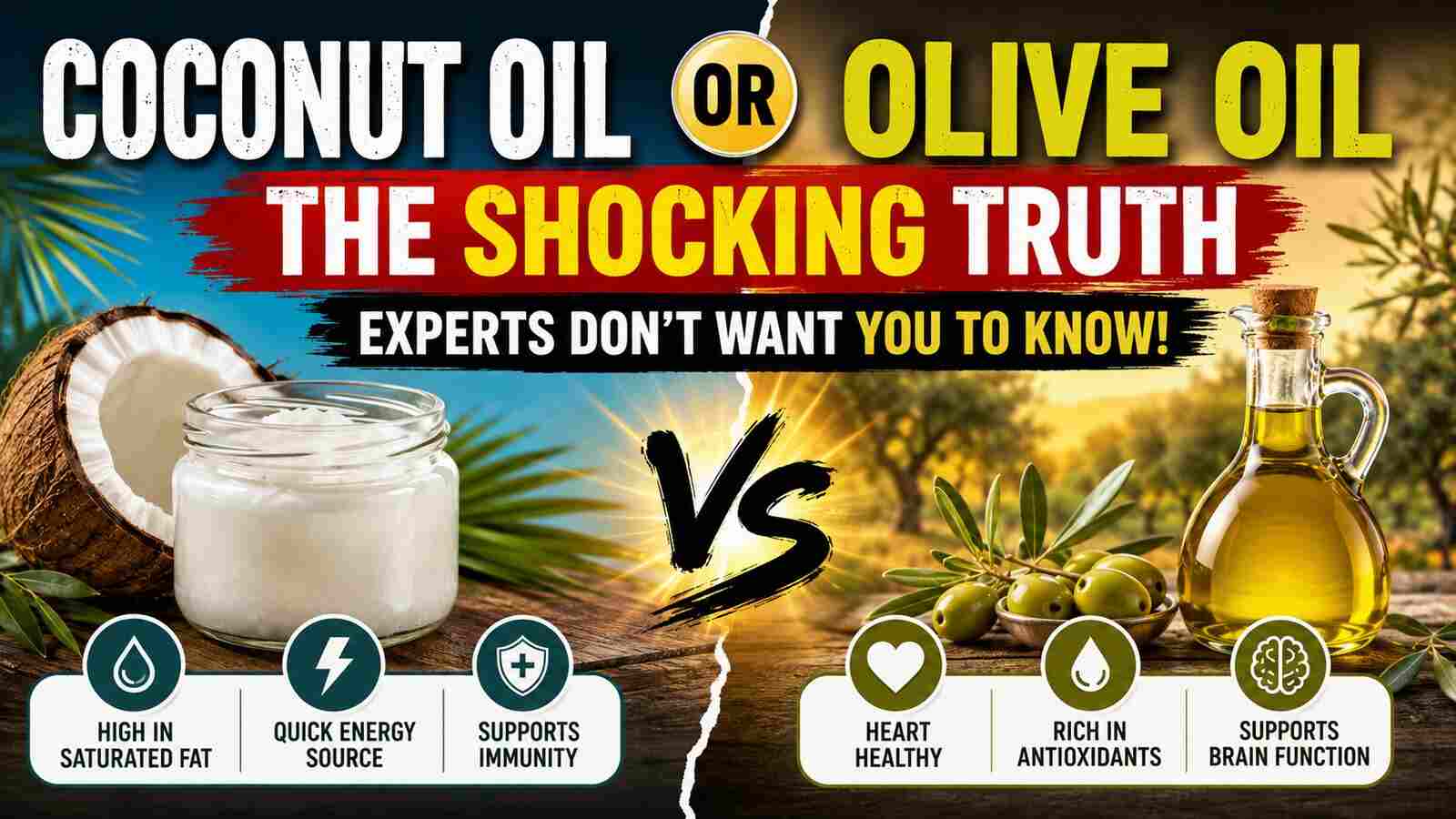
Introduction: The Ultimate Kitchen and Beauty Debate
The battle between coconut oil or olive oil has remained a fierce topic of debate in modern households, health clinics, and beauty spaces alike. Both natural oils possess a dedicated following, yet they offer completely different molecular structures, culinary applications, and cosmetic properties. When you walk down the supermarket aisle or browse online wellness forums, choosing the right jar or bottle can feel overwhelmingly confusing.
To make an informed choice, you must look past marketing hype and evaluate how each oil interacts with your metabolism, cooking temperatures, and skin barrier. Whether you are aiming to heart-protect your diet, cure dry winter skin, or tame frizzy hair, understanding the distinct biological advantages of coconut oil or olive oil is essential. This comprehensive guide breaks down everything you need to know, section by section, ensuring you can make the absolute best choice for your personal wellness journey.
Why Choosing Between Coconut Oil or Olive Oil Matters for Your Lifestyle
Your choice of daily dietary fats and cosmetic ingredients directly influences your long-term health metrics, energy levels, and external appearance. Incorporating coconut oil or olive oil into your routine affects everything from your cholesterol profile to your skin’s tendency toward breakouts.
Because modern diets often feature processed fats, swapping them out for high-quality botanical oils can dramatically reduce systemic inflammation. However, because their chemical compositions vary wildly—coconut oil being predominantly saturated and olive oil being rich in monounsaturated fats using the wrong oil for the wrong task can lead to unwanted health or aesthetic outcomes. Aligning your usage with the actual biochemical properties of coconut oil or olive oil ensures optimal benefits across your kitchen and bathroom shelf.
Quick Verdict: When to Reach for Which Oil Instantly
If you need an immediate takeaway before diving into the detailed science, here is a quick cheat sheet to guide your daily decisions:
- Reach for Olive Oil When: You are cooking at medium-to-high heat, creating salad dressings, prioritizing cardiovascular health, or seeking lightweight, anti-aging facial care.
- Reach for Coconut Oil When: You are baking vegan treats requiring solid fats, seeking a rapid source of ketone energy, treating extremely dry hair shafts, or moisturizing thick body skin.
Clearing Up Health Forum Confusion Regarding Coconut Oil or Olive Oil
Internet health forums are notorious for spreading conflicting advice about coconut oil or olive oil, leaving many consumers scratching their heads. One forum thread might praise coconut oil as a miraculous cure-all for weight loss, while another labels it a cardiovascular hazard due to its high saturated fat content.
Similarly, olive oil is sometimes wrongfully accused of being unsafe for any form of cooking, despite scientific evidence proving its remarkable stability under standard culinary temperatures. Navigating this noise requires relying on clinical consensus and nutritional science rather than viral trends. By cutting through the digital confusion, you can utilize coconut oil or olive oil safely, effectively, and with absolute confidence.
Nutritional Profile: Understanding the Fats Inside Coconut Oil or Olive Oil
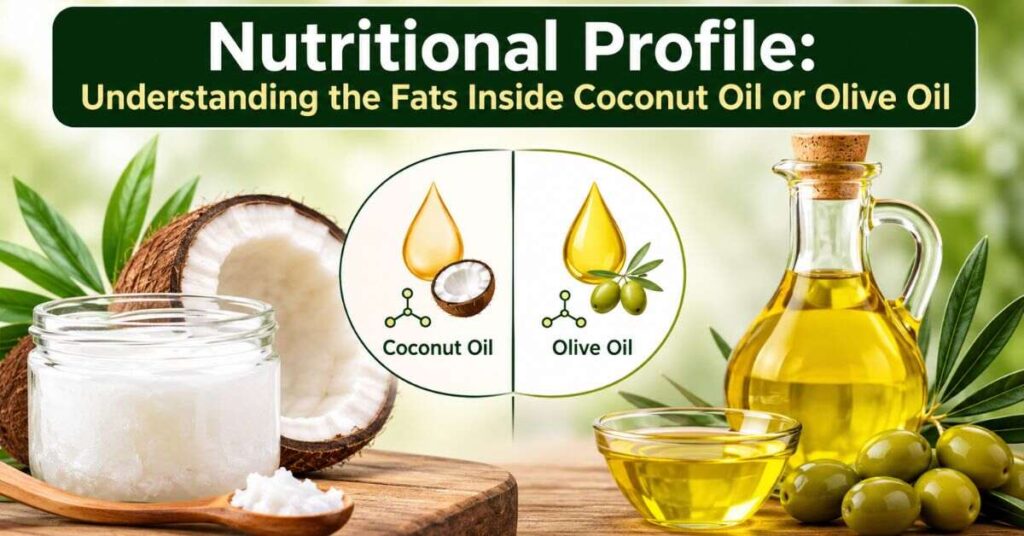
Evaluating the nutritional value of coconut oil or olive oil requires a close look at their fundamental lipid structures. Although both options provide roughly 120 calories per tablespoon, their internal fatty acid profiles behave entirely differently once ingested. Recognizing these biochemical distinctions allows you to manage your daily caloric intake while protecting your metabolic health.
Furthermore, how your body processes these fats dictates your long-term wellness markers, making a side-by-side comparison critical for anyone balancing a clean diet.
Saturated vs. Unsaturated: The Core Difference in Fat Content
The single biggest differentiator between coconut oil or olive oil lies in their saturation levels. Coconut oil is composed of roughly 90% saturated fats, heavily dominated by medium-chain triglycerides (MCTs) such as lauric acid. These shorter-chain molecules are metabolized rapidly by the liver, converting quickly into usable energy rather than storing as adipose tissue.
Conversely, olive oil is celebrated for being a powerhouse of monounsaturated fatty acids (MUFAs), primarily oleic acid, which accounts for up to 73% of its total composition. This distinct molecular arrangement gives olive oil its stellar reputation for protecting vascular networks, whereas coconut oil requires more measured consumption due to its heavy saturated fat load.
Calorie Counts and Nutritional Breakdown
When tracking macros, a standard tablespoon of either coconut oil or olive oil registers right around 119 to 120 calories and contains zero protein, carbohydrates, or fiber. However, their micronutrient density sets them apart significantly:
| Nutritional Metric | Extra Virgin Olive Oil (1 tbsp) | Pure Coconut Oil (1 tbsp) |
| Total Calories | 119 kcal | 121 kcal |
| Total Fat | 13.5 g | 13.5 g |
| Saturated Fat | 1.9 g | 11.8 g |
| Monounsaturated Fat | 9.9 g | 0.8 g |
| Polyunsaturated Fat | 1.4 g | 0.2 g |
| Vitamin E & K | High amounts present | Negligible traces |
While both oils supply dense calories, olive oil packs beneficial antioxidants like vitamin E and vitamin K, whereas coconut oil relies entirely on its unique MCT structure to deliver functional health perks.
Which Option Is Healthier for Your Heart Overall?
Cardiologists and nutritional scientists generally lean toward olive oil when evaluating long-term heart health markers. The rich monounsaturated oleic acid profile in olive oil actively helps maintain healthy HDL cholesterol levels while keeping LDL cholesterol oxidation at bay.
On the other hand, because coconut oil raises total blood cholesterol levels including protective HDL as well as LDL particles, individuals with pre-existing cardiovascular concerns are often advised to moderate its use. Therefore, for daily systemic heart protection, olive oil consistently takes the crown in medical guidelines, making it the safer staple for lifelong cardiovascular maintenance.
Culinary Showdown: Cooking With Coconut Oil or Olive Oil
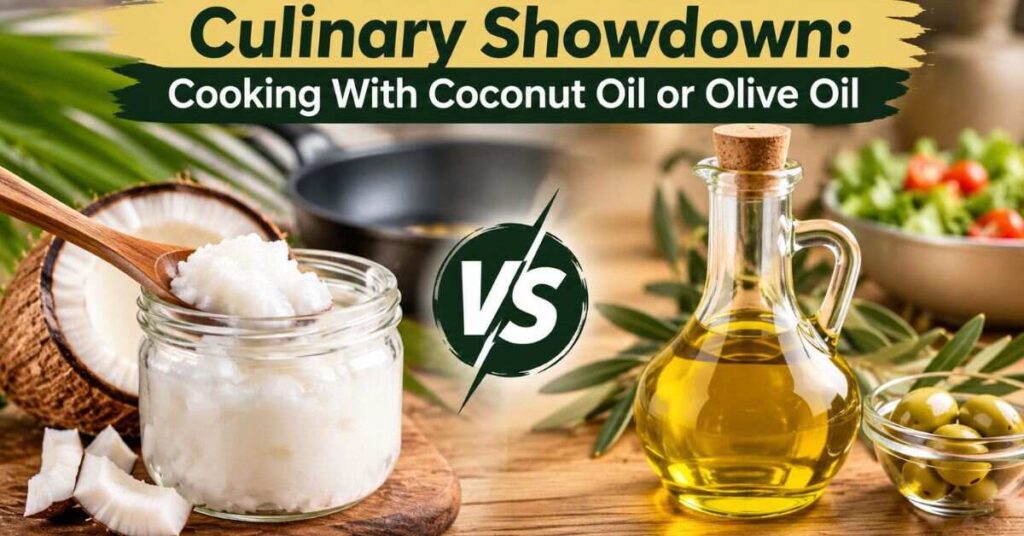
Bringing coconut oil or olive oil into your kitchen transforms the flavor, texture, and nutritional profile of your homemade meals. Each fat reacts uniquely to thermal stress, flavor pairing, and baking chemistry, meaning that choosing the right jar or bottle depends heavily on the recipe at hand.
Mastering how these oils perform under different cooking conditions ensures your dishes taste incredible while preserving their nutritional integrity, preventing the oil from degrading into harmful free radicals.
Smoke Points Compared: Can You Fry With Coconut Oil or Olive Oil?
When subjecting coconut oil or olive oil to high-heat cooking, monitoring the smoke point is critical to avoid burning and nutrient degradation. Unrefined coconut oil boasts a smoke point around 350°F (177°C), while refined variants reach up to 400°F (204°C), making them stable for moderate frying and sautéing.
Meanwhile, high-quality extra virgin olive oil has a smoke point hovering around 375°F to 410°F (190°C to 210°C), proving surprisingly resilient for everyday stovetop cooking, roasting, and searing.
- Refined Coconut Oil: Ideal for high-heat tropical stir-fries and searing without imparting a heavy coconut taste.
- Extra Virgin Olive Oil: Perfect for medium-heat roasting, pan-sautéing vegetables, and finishing dressings.
Flavor Profiles: Why Olive Oil Wins on Everyday Versatility
The sensory experience of using coconut oil or olive oil shapes how well an ingredient integrates into diverse culinary cultures. Olive oil delivers a spectrum of flavors ranging from robust, peppery, and grassy to smooth and buttery, elevating Mediterranean dishes, pasta, marinades, and dipping sauces.
Coconut oil carries a distinct, sweet, and tropical aroma that enhances curries, baked goods, and Asian-inspired cuisine, but its pronounced taste can easily overpower savory dishes like Italian or traditional American comfort foods. This flavor dominance restricts coconut oil to specific culinary lanes, whereas olive oil adapts seamlessly across almost every global cuisine.
Baking Substitutions: Can You Swap Coconut Oil for Olive Oil in Recipes?
Adapting baked goods when utilizing coconut oil or olive oil requires understanding how fats interact with flour structures during baking. Coconut oil shares a physical property with butter—it solidifies at room temperature—making it an exceptional 1:1 substitute in vegan cakes, pie crusts, and cookies where a flaky or firm texture is required.
Olive oil remains liquid at room temperature, making it fantastic for moist quick breads, muffins, and brownies, but it cannot mimic the creaming texture needed for frostings.
- Use Coconut Oil For: Vegan baking, pie crusts, and recipes requiring solid fat binding.
- Use Olive Oil For: Olive oil cakes, dense brownies, focaccia bread, and moist fruit muffins.
Portion Control: How Much Coconut Oil or Olive Oil Should You Consume Daily?
Because every tablespoon of coconut oil or olive oil packs roughly 120 dense calories, mindful consumption is vital to prevent unintended weight gain. Dietary guidelines generally recommend keeping total daily fat intake balanced, allocating roughly 2 to 3 tablespoons of healthy plant oils across your meals.
Overindulging in coconut oil can quickly saturate your daily caloric limit with heavy saturated fats, whereas moderate use of olive oil supports steady metabolism and satiety without overburdening your cardiovascular system. Balancing your intake ensures you reap the medicinal perks of both oils without tipping your daily energy balance into surplus.
Health Benefits: Is Coconut Oil or Olive Oil Better for Inflammation and Brain Health?
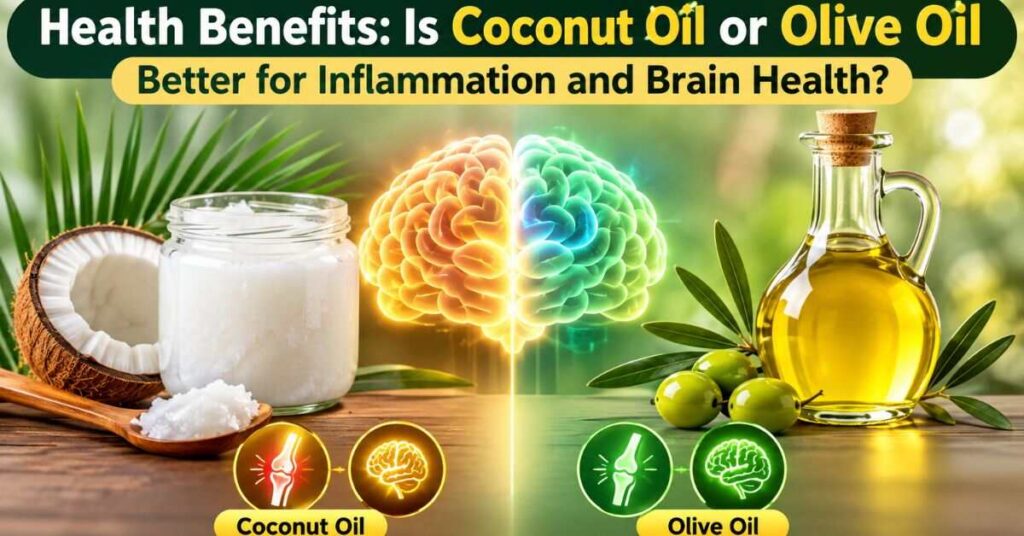
Beyond the kitchen counter, coconut oil or olive oil serve as functional foods that actively influence cellular inflammation, metabolic speed, and neurological performance. Both oils contain bioactive compounds that interact directly with human biochemistry, offering unique therapeutic pathways.
Evaluating how these compounds impact your internal systems helps you determine which oil aligns best with your specific wellness goals, whether you are fighting chronic fatigue or supporting long-term brain vitality.
The Powerful Antioxidant Properties of Olive Oil
Extra virgin olive oil is celebrated globally as a cornerstone of the anti-inflammatory Mediterranean diet, largely due to its staggering array of polyphenols and antioxidants. Compounds like oleocanthal and hydroxytyrosol work at a molecular level to neutralize oxidative stress, scavenge free radicals, and protect cellular membranes from premature damage.
Clinical research demonstrates that regular consumption of olive oil significantly suppresses inflammatory markers like C-reactive protein (CRP), lowering the biological triggers behind chronic illnesses, heart disease, and metabolic syndrome.
Where Coconut Oil Is Actually Useful: MCTs and Quick Energy
While olive oil wins on general antioxidants, coconut oil shines through its unique biochemical delivery of medium-chain triglycerides (MCTs). Unlike long-chain fats that require complex lymphatic transport, MCTs bypass normal digestion and travel straight from the gut to the liver.
In the liver, these fats are rapidly converted into ketone bodies, providing an immediate, accessible source of cellular energy for both muscles and the brain. This rapid metabolic conversion makes coconut oil exceptionally useful for individuals following ketogenic regimens, athletes seeking quick stamina boosts, or those managing specific metabolic sluggishness.
Which Is More Anti-Inflammatory: Coconut Oil or Olive Oil?
When comparing the systemic anti-inflammatory capacity of coconut oil or olive oil, scientific consensus consistently favors olive oil. Its rich concentration of monounsaturated fats and specialized phenolic antioxidants directly inhibits inflammatory pathways similar to over-the-counter anti-inflammatory agents.
Coconut oil contains lauric acid, which exhibits powerful antimicrobial and antifungal properties in the gut, but its heavy saturated fat content can trigger temporary inflammatory responses in certain individuals if consumed in excess.
- Olive Oil Strengths: Superior for systemic cardiovascular health, reducing joint inflammation, and fighting long-term oxidative stress.
- Coconut Oil Strengths: Superior for localized gut microbiome support, fighting candida, and delivering rapid metabolic energy spikes.
Cognitive Benefits: Which Is Better for Brain Function?
Brain health relies heavily on healthy lipid intake, and both coconut oil or olive oil offer distinct neurological advantages. Olive oil protects cognitive function through its potent antioxidant network, shielding brain cells from neuroinflammation and age-related cognitive decline.
Conversely, coconut oil enhances neurological performance via ketone generation, which bypasses insulin resistance in aging brain cells and provides an alternative fuel source that supports sharper mental clarity and sustained focus.
Read More: essential oil roller || skin safe essential oils || coconut oil for massage || essential oils as perfume
The Beauty Battle: Coconut Oil or Olive Oil for Hair Care
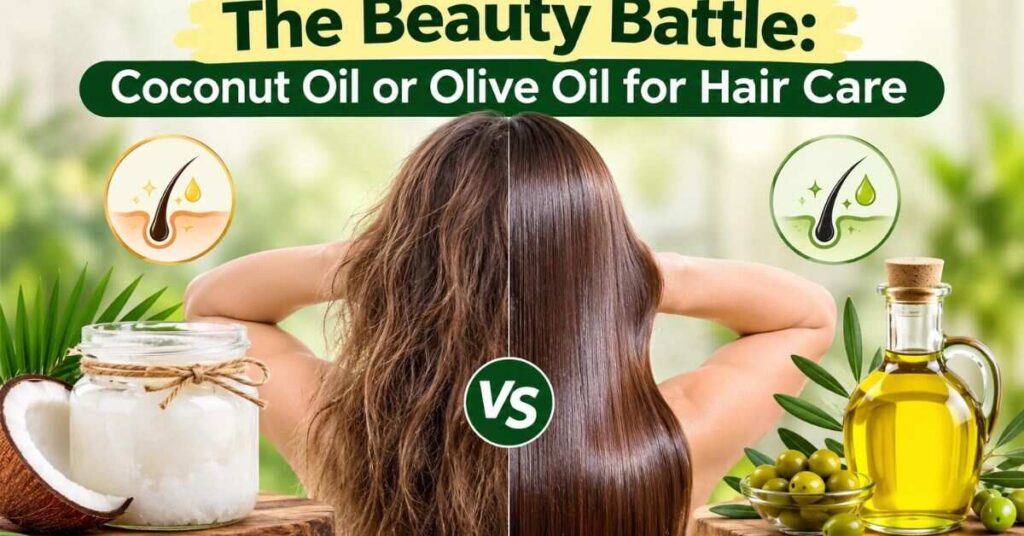
Transitioning from internal health to external maintenance, using coconut oil or olive oil on your hair can completely revolutionize your cosmetic routine. Both botanical oils penetrate the hair shaft differently, offering targeted solutions for dryness, frizz, and structural damage.
Understanding how their unique molecular weights interact with hair cuticles ensures you achieve maximum shine and manageability without weighing your locks down.
Deep Conditioning: Which Works Best for Dry and Damaged Hair?
When treating brittle, heat-damaged, or chemically treated strands with coconut oil or olive oil, molecular size dictates performance. Coconut oil features a remarkably low molecular weight and a straight-chain structure rich in lauric acid, allowing it to penetrate deep into the hair cortex rather than just sitting on top. This deep penetration prevents protein loss during washing, making coconut oil the ultimate heavy-duty conditioner for coarse or high-porosity hair.
Olive oil coats the hair shaft effectively, smoothing the cuticle and sealing in moisture, which works wonderfully for dry, thick, or unruly textures.
- Coconut Oil: Best for structural protein retention and deep cortex repair in thick hair.
- Olive Oil: Best for surface-level frizz control, softness, and instant surface shine.
Scalp Health: Fighting Flakes With Coconut Oil or Olive Oil
Maintaining a healthy scalp microbiome is essential for optimal hair growth, and both coconut oil or olive oil offer powerful antimicrobial properties to combat flaking. Coconut oil contains natural lauric and caprylic acids that exhibit potent antifungal action, helping to soothe microbial imbalances associated with dandruff.
Olive oil acts as a gentle emollient that loosens stubborn cradle cap or dry scalp buildup when massaged gently into the roots before shampooing.
- Antimicrobial Action: Coconut oil actively targets yeast-like fungi linked to chronic flaking.
- Moisture Barrier: Olive oil nourishes tight, dry scalps prone to winter irritation.
Hair Growth and Shine: Comparing Results
Achieving glossy, cascading locks often depends on how well you seal hydration into your hair ends. While neither oil directly stimulates follicular stem cells, using coconut oil or olive oil as pre-shampoo treatments or lightweight finishing serums dramatically enhances overall manageability.
Coconut oil provides long-lasting structural strength that minimizes breakage over time, helping hair retain its length. Meanwhile, olive oil imparts an immediate, high-gloss shine that revives dull hair strands instantly, making it a favorite for quick styling touch-ups.
Skincare Face-Off: Coconut Oil or Olive Oil for Your Face and Body
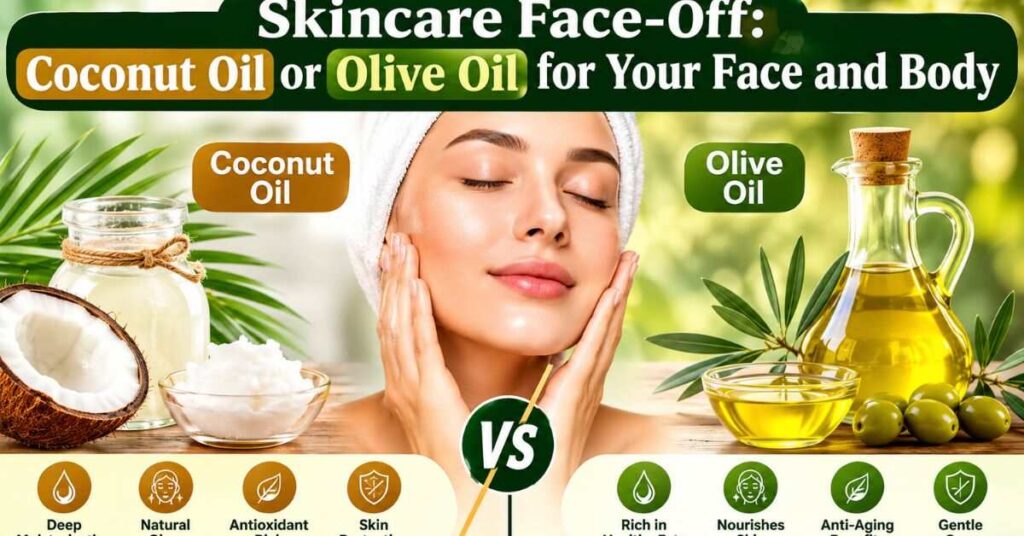
Applying coconut oil or olive oil to your skin introduces deeply nourishing plant lipids directly to your epidermal barrier. While both natural oils boast intense emollient properties, their interactions with human sebum and pore structures vary drastically.
Navigating their unique cosmetic profiles ensures you reap maximum anti-aging and moisturizing benefits without triggering unwanted skin congestion or breakouts.
The Intense Moisturizing Effects of Coconut Oil
For individuals battling severely dry, cracked, or flaky body skin, coconut oil acts as an exceptional occlusive moisturizer. By forming a protective lipid barrier over the skin’s surface, coconut oil dramatically locks in environmental hydration and prevents transepidermal water loss.
This makes it exceptionally effective for soothing rough elbows, knees, heels, and chapped winter skin, leaving the skin texture soft, supple, and deeply conditioned.
The Hidden Risks of Coconut Oil on Acne-Prone Skin
Coconut oil boasts a stellar reputation for body hydration. Nevertheless, applying it to facial skin requires extreme caution due to its high comedogenic rating.
Specifically, coconut oil ranks four out of five on the scale. Consequently, it possesses a high probability of clogging pores, trapping bacteria, and triggering severe breakouts.
Therefore, individuals struggling with hormonal acne or blackheads should avoid facial applications. Instead, selecting safe non-comedogenic alternatives prevents unwanted skin congestion.
The Antioxidant and Anti-Aging Power of Olive Oil for Wrinkles
Olive oil serves as an incredible anti-aging facial treatment. This benefit stems from its dense concentration of squalene, vitamin E, and repairing polyphenols.
Consequently, these powerful antioxidants neutralize free radicals caused by UV exposure and pollution. These environmental factors drive premature skin aging and fine lines.
Therefore, massaging a few drops of extra virgin olive oil into damp skin helps. As a result, you maintain elasticity, smooth wrinkles, and preserve a youthful glowing complexion.
The Drawbacks of Olive Oil’s Heavy Texture on Skin
While olive oil packs remarkable anti-aging benefits, its heavy, viscous texture can present challenges for certain skin types. Olive oil absorbs relatively slowly compared to lighter cosmetic serums. Therefore, applying it in excess leaves a greasy surface residue.
Furthermore, olive oil carries a moderate comedogenic rating around two, similar to coconut oil. Consequently, individuals with oily skin must use it sparingly. Hence, you prevent trapping unwanted debris on your face.
Tailoring to Your Body Type

Finding the right botanical oil requires understanding that human skin and hair do not respond uniformly to every natural ingredient. Tailor your use of coconut oil or olive oil to your unique genetic makeup. Furthermore, consider your lipid barrier strength and daily moisture requirements. Consequently, this targeted approach prevents adverse reactions. Therefore, you maximize both cosmetic outcomes and overall health results.
Recognizing your specific structural needs ensures that whichever oil you choose integrates harmoniously into your daily self-care regimen.
How Sensitive Skin Reacts to Coconut Oil or Olive Oil
Sensitive skin types demand meticulous care because their protective lipid barriers are easily disrupted by heavy botanical molecules. Always perform a patch test before applying coconut oil or olive oil to reactive skin. Therefore, you easily check for localized irritation or redness.
Furthermore, pure extra virgin olive oil contains soothing squalene to calm minor irritations. However, its heavier molecules can sometimes suffocate sensitive epidermal layers.
Conversely, the high lauric acid content in coconut oil can trigger stinging. Consequently, individuals with compromised skin barriers or eczema must exercise caution.
Finding the Right Balance for Your Unique Skin Type
Achieving a healthy, glowing complexion relies entirely on matching your skin’s natural sebum production with the correct emollient weight:
- Dry to Normal Skin: Thrives under the rich occlusive barrier of coconut oil for body hydration and olive oil for facial anti-aging.
- Oily, Combination, or Acne-Prone Skin: Should avoid heavy topical application of both oils on the face, opting instead for lightweight, non-comedogenic serums.
- Coarse or Curly Hair Textures: Benefit immensely from the deep structural penetration of coconut oil, whereas fine hair responds better to lightweight olive oil finishing mists.
Can You Create the Perfect Blend of Both Oils?
Avoid viewing coconut oil or olive oil as an exclusive choice. Instead, many DIY beauty enthusiasts blend them together. Consequently, you capture the absolute best of both natural oils. Combining equal parts liquid extra virgin olive oil with melted coconut oil creates a custom multi-purpose balm.
This hybrid blend balances the deep protein-binding capacity of coconut oil. Furthermore, it matches the antioxidant-rich moisture sealing of olive oil. Therefore, it provides a versatile treatment for dry winter hands, DIY hair masks, and rough body patches.
Expert Verdict and Final Takeaways
Deciding between oils ultimately depends on your personal lifestyle, health priorities, and specific beauty needs. Neither oil is universally superior; rather, each shines in completely different environments. Olive oil remains the undisputed champion for daily cardiovascular health, systemic anti-inflammatory support, and lightweight facial anti-aging care. Meanwhile, coconut oil claims dominance in rapid metabolic energy production, heavy-duty hair cortex conditioning, and intense body moisturization.
Understand distinct chemical properties, smoke points, and comedogenic ratings. Therefore, you can strategically stock both items in your pantry and bathroom cabinet. Furthermore, utilizing each carrier oil for specific strengths maximizes therapeutic benefits. Consequently, you successfully avoid common pitfalls like skin congestion or dietary excess.
Summary Checklist: Making Your Final Choice
To simplify your purchasing choices, apply a quick reference checklist. Consequently, you can easily determine when to select coconut oil or olive oil for daily applications.
- Choose Olive Oil For:
- Heart-healthy cooking, salad dressings, and medium-heat sautéing.
- Fighting systemic inflammation and lowering oxidative stress.
- Daily anti-aging facial serums and smoothing surface frizz.
- Choose Coconut Oil For:
- Baking vegan treats, high-heat tropical stir-fries, and rapid energy.
- Deep conditioning coarse, damaged, or high-porosity hair strands.
- Deeply moisturizing dry body skin on elbows, knees, and heels.
FAQs
Is olive oil healthier than coconut oil for daily cooking?
Yes, for general daily cooking and long-term cardiovascular health, extra virgin olive oil is widely considered the healthier option. Its high concentration of monounsaturated fats (oleic acid) actively supports healthy cholesterol levels and reduces systemic inflammation. Coconut oil serves specific culinary uses wonderfully. Nevertheless, it contains a very high percentage of saturated fats. Consequently, individuals should consume it in moderation. Furthermore, this practice prevents unwanted increases in blood cholesterol markers over time.
Which is better for weight loss: coconut oil or olive oil?
Neither coconut oil nor olive oil acts as a magic solution for weight loss. Both options pack roughly 120 dense calories per single tablespoon. Therefore, mindful caloric intake remains vital for every dietary plan. However, coconut oil contains medium-chain triglycerides (MCTs), which convert rapidly into ketone bodies and provide quick metabolic energy. Recent studies indicate medium-chain triglycerides can slightly boost fat burning and satiety. However, both oils possess a high caloric density. Therefore, strict portion control remains essential for successful weight management.
Can I use coconut oil on my face every single day?
Using coconut oil on your facial skin daily is generally discouraged if you have combination, oily, or acne-prone skin. Coconut oil carries a high comedogenic rating of four out of five. Consequently, it easily clogs pores, traps bacteria, and triggers breakouts.
Furthermore, individuals with exceptionally dry or mature skin might tolerate small amounts. However, non-comedogenic oils or lighter facial serums prove much safer for daily facial use.
What is the absolute healthiest oil to cook with overall?
Both coconut oil and olive oil offer fantastic attributes. Furthermore, extra virgin olive oil consistently ranks as a premier cooking oil. This status stems from its powerful polyphenol antioxidants and heart-protective fatty acids.
Meanwhile, avocado oil serves as an excellent alternative for high-heat searing due to its elevated smoke point. Nevertheless, extra virgin olive oil remains the absolute gold standard for daily nutritional benefits.
Does coconut oil or olive oil clog pores faster?
Coconut oil clogs pores significantly faster and more severely than olive oil. With a comedogenic rating of 4, coconut oil readily traps dead skin cells and sebum inside hair follicles. Olive oil features a moderate comedogenic rating of about two. Therefore, it may still trigger pore congestion in sensitive skin types. However, it remains significantly less pore-clogging than heavy coconut oil. Consequently, individuals with acne-prone complexions should exercise caution during application.