Introduction
Cedarwood essential oil benefits have made this natural extract a popular choice in wellness routines because it offers a wide range of practical uses. People often choose cedarwood essential oil to support healthier-looking skin, improve scalp care, create a calming bedtime routine, freshen indoor spaces, and naturally repel insects. Its warm, woody aroma also makes it one of the most popular essential oils for aromatherapy and relaxation.
Many of the cedarwood essential oil benefits come from naturally occurring plant compounds that have been studied for their antimicrobial, antioxidant, anti-inflammatory, and calming properties. While cedarwood essential oil is not a medicine or a cure for medical conditions, research suggests that it may support overall wellness when used correctly alongside a healthy lifestyle.
In this complete guide, you’ll learn what cedarwood essential oil is, how it works, the different types available, and the science behind its potential benefits. You’ll also discover the cedarwood essential oil benefits for hair, cedarwood essential oil benefits for skin, its role in sleep and relaxation, proper usage methods, possible risks, and expert safety tips so you can use it with confidence.
What Are the Cedarwood Essential Oil Benefits?
Cedarwood essential oil has become one of the most valued essential oils in natural wellness because of its rich woody aroma, versatile uses, and long history in traditional practices. Extracted from different cedar and cedar-like trees, this essential oil is commonly used in aromatherapy, skincare, haircare, massage blends, and natural home products.
The main cedarwood essential oil benefits come from its naturally occurring compounds, including cedrol, cedrene, and other sesquiterpenes. These plant compounds contribute to cedarwood’s calming fragrance and its potential antioxidant, antimicrobial, and soothing properties. While cedarwood essential oil cannot replace medical treatments, it may support a balanced wellness routine when used correctly.
People often choose cedarwood essential oil for different reasons. Moreover, some people use it to create a relaxing environment before sleep, while others, additionally, add it to their skincare or haircare routines. Furthermore, its grounding scent also makes it popular in meditation, yoga, and mindfulness practices. In addition, many users prefer cedarwood essential oil because it can easily become part of a calming daily wellness routine. Similarly, it is often included in relaxation practices and self-care habits due to its warm and comforting aroma. As a result, cedarwood essential oil continues to gain popularity among people looking for natural ways to support relaxation, personal care, and overall well-being.
What Is Cedarwood Essential Oil?
Cedarwood essential oil is a concentrated aromatic extract obtained from the wood of specific evergreen trees. Despite the name, however, not every “cedarwood” oil comes from the same tree family. In fact, different varieties, such as Atlas cedarwood, Virginian cedarwood, Texas cedarwood, and Himalayan cedarwood, come from different botanical species. Moreover, each variety has its own unique chemical profile and, therefore, may offer different aromatic properties and uses. Additionally, because these cedarwood oils come from separate plant sources, their scent, composition, and potential benefits can vary significantly. As a result, it is important to understand the differences between each type before choosing a specific cedarwood essential oil. Furthermore, by learning about these variations, users can make a more informed decision based on their personal needs and preferences.
The oil is produced by extracting natural aromatic compounds from the plant material. These compounds create cedarwood’s signature warm, earthy, and slightly sweet scent that many people associate with forests and nature.
Common uses of cedarwood essential oil include:
| Use Area | How Cedarwood Essential Oil Is Commonly Used |
| Aromatherapy | Creates a calming and grounding atmosphere. |
| Hair care | Added to scalp oils and hair blends. |
| Skin care | Used in diluted facial and body products. |
| Home products | Added to candles, soaps, and natural sprays. |
| Massage | Combined with carrier oils for relaxation routines. |
Unlike fragrance oils, pure cedarwood essential oil contains naturally occurring plant compounds rather than only synthetic scent ingredients. This makes it popular among people who prefer botanical-based products.
How Cedarwood Essential Oil Is Made
The quality of cedarwood essential oil depends heavily on the extraction method. Most high-quality oils are produced through steam distillation, a process that carefully captures the plant’s volatile aromatic compounds.
First of all, during the steam distillation process, steam passes through cedarwood material and, as a result, releases tiny aromatic molecules. After that, the steam carries these aromatic compounds and, eventually, moves into a cooling chamber. Furthermore, once the steam cools down, it separates into water and essential oil. In addition, this separation process allows the valuable cedarwood essential oil compounds to be collected and used. Therefore, through this careful extraction method, cedarwood essential oil maintains its natural aroma and beneficial plant properties. Moreover, because steam distillation uses controlled heat, it helps preserve the quality of the final oil while removing unwanted plant materials.
The collected oil contains the concentrated compounds responsible for cedarwood’s aroma and potential properties.
The general production process includes:
- Harvesting cedarwood material from suitable tree species.
- Preparing the wood by cutting it into smaller pieces.
- Steam distilling the plant material to release aromatic compounds.
- Separating and filtering the essential oil for final use.
A quality cedarwood essential oil should clearly mention its botanical name, extraction method, and ingredients. Oils with unclear labels may contain synthetic fragrances or unnecessary additives.
How Cedarwood Essential Oil Works
Cedarwood essential oil works mainly through two pathways: aromatic inhalation and topical application.
When inhaled, cedarwood’s aromatic molecules interact with smell receptors connected to the brain’s limbic system. This area influences emotions, memories, and relaxation responses. This explains why many people use cedarwood in evening routines, meditation, and diffuser blends.
When applied to the skin after proper dilution, cedarwood compounds interact with the outer skin layers. This is why it appears in many skincare and scalp-care products designed to support a balanced and comfortable skin environment.
Cedarwood may support wellness by:
- Creating a calming sensory experience through aromatherapy.
- Supporting scalp care routines when properly diluted.
- Adding antioxidant compounds to botanical skincare formulas.
- Providing a natural woody aroma for personal and household products.
However, results can vary from person to person. Essential oils work differently depending on individual skin type, lifestyle, product quality, and method of use.
Active Compounds That Give Cedarwood Essential Oil Its Benefits
The unique properties of cedarwood essential oil come from its natural chemical composition. Several compounds work together to create its aroma and potential wellness effects.
| Compound | Potential Role in Cedarwood Essential Oil |
| Cedrol | Associated with cedarwood’s calming and relaxing aroma. |
| α-Cedrene | Contributes to the oil’s woody fragrance and natural properties. |
| β-Cedrene | Supports the characteristic scent profile of cedarwood. |
| Thujopsene | Studied for possible antimicrobial activity. |
| Sesquiterpenes | May contribute to antioxidant and soothing effects. |
These compounds are the reason cedarwood essential oil continues to attract attention in aromatherapy and natural product research. Instead of relying on one single ingredient to create its effects, cedarwood essential oil, moreover, provides a combination of plant-based compounds that work together. In addition, these natural compounds may contribute to its wide range of traditional uses and potential benefits. Furthermore, current research shows promising results; however, scientists continue to study cedarwood essential oil to better understand its effects on human health. For this reason, it is important to use cedarwood essential oil carefully and, therefore, consider it a supportive addition to a healthy lifestyle rather than a replacement for professional healthcare.
Overall, cedarwood essential oil stands out because of its versatility, traditional value, and wide range of applications. Moreover, whether used for relaxation, personal care, or home fragrance, it continues to remain one of the most popular essential oils for people seeking natural wellness solutions. Additionally, because of its warm aroma and multiple uses, cedarwood essential oil has gained popularity among individuals who prefer natural approaches. As a result, it remains a valuable choice for those looking to include plant-based options in their daily routines.
Types of Cedarwood Essential Oil and Their Benefits
Not all cedarwood essential oils are created equal. Different tree species produce oils with distinct chemical profiles, aromatic notes, and targeted wellness uses. While they share overlapping qualities such as grounding aromas and purifying properties, it is important to understand that, however, their botanical differences can significantly affect their uses. Moreover, by recognizing these unique characteristics, you can better identify the right cedarwood essential oil for your specific needs. Furthermore, each variety offers its own chemical profile and, therefore, may provide different aromatic experiences and applications. In addition, understanding these variations allows you to make a more informed choice when selecting cedarwood essential oil. As a result, learning about botanical differences is essential because it helps ensure you choose the exact oil that matches your personal preferences and wellness goals.
1. Atlas Cedarwood Essential Oil (Cedrus atlantica)
Native to the Atlas Mountains of Morocco, Atlas cedarwood is considered the gold standard in classic aromatherapy. It features a rich, warm, woody scent with subtle sweet balsamic undertones.
- Primary Active Compounds: High in cedrol and α-cedrene, which are heavily studied for their calming and skin-soothing properties.
- Best Uses:
- Hair & Scalp Health: Highly favored in hair growth and anti-dandruff formulations.
- Sleep & Stress: Promotes restful sleep when diffused at bedtime.
- Complexion Support: Clarifies oily or blemish-prone skin when diluted in carrier oil.
- Aroma Profile: Deep, balsamic, and warm-woody.
2. Virginian Cedarwood Essential Oil (Juniperus virginiana)
Despite its common name, Virginian cedarwood actually belongs to the Cypress/Juniper family. Native to eastern North America, its fragrance closely resembles a freshly sharpened pencil or a cedar chest.
- Primary Active Compounds: Rich in thujopsene and cedrol, giving it powerful natural deodorizing and purifying qualities.
- Best Uses:
- Natural Insect Repellent: Highly effective at repelling moths, mosquitoes, and closet pests.
- Home Deodorizer: Neutralizes stubborn indoor odors in natural room sprays.
- Beard & Grooming Products: A favorite staple in men’s cologne and beard oil blends.
- Aroma Profile: Dry, earthy, pencil-wood scent.
3. Texas Cedarwood Essential Oil (Juniperus ashei)
Initially, distilled from the hardy mountain cedar native to the southern United States and Mexico, Texas cedarwood offers a bolder and slightly smoky aroma compared to other varieties. Moreover, this unique aroma profile makes Texas cedarwood stand out among different cedarwood essential oil types. Additionally, because it comes from a distinct botanical source, it contains a different chemical composition and, therefore, provides a unique scent experience. Furthermore, unlike some softer cedarwood varieties, Texas cedarwood is often preferred for its deeper, warmer, and more robust fragrance. As a result, it has become a popular choice for aromatherapy, personal care products, and natural fragrance applications. In addition, understanding these differences can help users select the right cedarwood essential oil based on their specific preferences and needs.
- Primary Active Compounds: High concentrations of cedrol and thujopsene, making it an industrial favorite for pest control and perfumery.
- Best Uses:
- Outdoor & Garden Sprays: Excellent for creating non-toxic pest barrier sprays.
- Deep Tissue Massage: Adds a warming, relaxing note to carrier oils for sore muscles.
- DIY Crafting: Ideal for homemade candles, cold-process soaps, and solid colognes.
- Aroma Profile: Earthy, smoky, and resinous.
4. Himalayan Cedarwood Essential Oil (Cedrus deodara)
Himalayan cedarwood comes from the sacred Deodar tree grown in the high-altitude Himalayan region. In Sanskrit, Deodar translates to “Timber of the Gods,” reflecting its deep roots in traditional Ayurvedic practice.
- Primary Active Compounds: Contains high levels of himachalene and cedrol, known for comforting and grounding the senses.
- Best Uses:
- Meditation & Mindfulness: Widely used during yoga and breathing exercises to encourage focus.
- Emotional Balance: Calms nervous tension and racing thoughts during stressful days.
- Skin Comfort: Soothes dry, irritated skin patches when properly diluted.
- Aroma Profile: Soft, rich, woody, and slightly sweet.
Comparison: Which Cedarwood Essential Oil Should You Choose?
Use this quick selection guide to match the oil variety with your primary wellness goal:
| Cedarwood Variety | Botanical Name | Best Used For | Key Chemical Marker | Scent Intensity |
| Atlas | Cedrus atlantica | Scalp care, sleep, skincare | High Cedrol | Medium-Rich |
| Virginian | Juniperus virginiana | Odor control, insect repellent, beard oil | High Thujopsene | Dry-Woody |
| Texas | Juniperus ashei | Outdoor protection, candles, massage | Cedrol / Thujopsene | Strong-Smoky |
| Himalayan | Cedrus deodara | Meditation, stress relief, Ayurveda | Himachalenes | Soft-Balsamic |
Pro Tip for Buyers: Always check the bottle label for the exact Botanical Name (e.g., Cedrus atlantica vs. Juniperus virginiana). Synthetic fragrance oils are often labeled simply as “Cedarwood Scent,” which lacks the beneficial botanical compounds of pure essential oils.
Cedarwood Essential Oil Benefits for Skin
Healthy skin relies on a strong skin barrier, balanced oil production, and deep cellular hydration. While essential oils cannot replace a daily core skincare routine, cedarwood essential oil has earned a solid reputation in botanical dermatology. In particular, its active compounds specifically cedrol, cedrene, and sesquiterpenes provide natural antimicrobial, antioxidant, and anti-inflammatory properties.
As a result, these compounds help reduce the buildup of impurities and support healthier-looking skin. Additionally, they help soothe irritation and protect the skin from environmental stressors. Consequently, regular and proper use may help maintain a clearer, more comfortable, and radiant complexion. However, it should always be diluted with a suitable carrier oil before topical application to minimize the risk of irritation.
1. Naturally Regulates Oily & Combination Skin
Excess sebum production often causes unwanted shine, clogged pores, and uneven skin texture. Cedarwood essential oil acts as a natural astringent, helping to regulate sebum output without stripping the skin of its essential moisture.
Unlike harsh chemical cleansers that cause rebound oil production, cedarwood balances the skin’s natural lipid profile.
- Best Carrier Oil Partner: Jojoba oil (matches human natural sebum).
- Daily Balancing Serum Recipe:
- 2 drops Cedarwood Essential Oil
- 1 tablespoon Jojoba Oil
- How to use: Apply 3-4 drops to freshly cleansed, slightly damp skin every evening.
2. Soothes Blemishes and Acne-Prone Skin
First of all, acne occurs when hair follicles become blocked by excess oil, dead skin cells, and bacteria. Moreover, when these impurities build up, they can contribute to clogged pores and visible skin concerns. Additionally, research indicates that cedarwood’s natural antibacterial properties may help inhibit blemish-causing bacteria while, at the same time, supporting healthier-looking skin. Furthermore, because cedarwood contains naturally occurring compounds, it may also help reduce the appearance of redness and inflammation.
In addition, these properties make cedarwood essential oil a popular choice among people who prefer natural skincare approaches. However, it is important to remember that cedarwood essential oil should be used carefully and, therefore, should not replace professional acne treatments. As a result, cedarwood may serve as a supportive addition to a balanced skincare routine when used properly.
- Targeted Blemish Spot Treatment:
- 1 drop Cedarwood Essential Oil
- 1 drop Tea Tree Oil
- 1 tablespoon Rosehip Seed Oil
- How to use: Gently dab onto active breakout areas using a clean cotton swab after cleansing.
3. Strengthens Skin Barrier & Deeply Calms Dryness
A compromised skin barrier leads to flaking, tightness, and heightened sensitivity against environmental stressors like pollution and dry weather. Cedarwood oil soothes irritated skin patches by supporting the outer epidermal barrier when combined with rich moisturizing lipids.
- First of all, for a moisture-lock routine, always apply your water-based hydrating serums first. Then, afterward, seal everything in with your cedarwood-infused facial oil blend to lock in moisture overnight. Moreover, by following this layered skincare method, you can help your skin retain hydration more effectively. Additionally, this approach allows each product to work properly because lightweight serums absorb first, while richer oils create a protective barrier afterward.
- Furthermore, as a result, your cedarwood-infused facial oil blend can become a valuable final step in your nighttime skincare routine. In addition, by consistently using this technique, you may support smoother, softer, and more hydrated-looking skin. Therefore, combining hydration with proper oil application can help create a balanced and nourishing skincare experience.
Skin Usage Protocol: Safety & Proper Dilution
Essential oils are highly concentrated plant extracts. Direct, undiluted application can cause contact dermatitis, redness, or skin irritation. Always adhere to these golden safety rules:
| Care Standard | Practical Guideline | Why It Matters |
| Safe Dilution Rate | 1% Dilution (3-6 drops per 30ml carrier oil) | Protects the delicate skin barrier from irritation. |
| Mandatory Patch Test | Apply 1 drop diluted oil on inner forearm for 24 hours | Prevents widespread allergic reactions. |
| Application Timing | Best used in evening routines | Allows skin recovery without daily sun/sunscreen interference. |
Cedarwood Essential Oil Benefits for Hair & Scalp
Strong, lustrous hair begins at the root. In particular, cedarwood essential oil is widely celebrated in trichology and scalp care because it helps cleanse clogged hair follicles, stimulates healthy microcirculation, and balances the scalp microbiome. As a result, it creates a healthier scalp environment for hair growth. Additionally, its natural antimicrobial and anti-inflammatory properties help reduce scalp irritation and excess oil. Furthermore, improved scalp health may support stronger-looking hair over time. Therefore, many people include cedarwood essential oil as part of a consistent hair care routine. However, it should always be diluted with a suitable carrier oil before applying it to the scalp.
1. Promotes Hair Growth and Density
Follicle health directly impacts hair volume and growth cycles. Cedarwood essential oil supports circulation around the hair roots, ensuring that follicles receive optimal oxygen and nutrients needed for healthy growth.
Moreover, a landmark clinical trial on alopecia patients demonstrated that, when used consistently, a daily scalp massage using a combination of cedarwood, rosemary, lavender, and thyme significantly improved hair density compared to carrier oil alone. Furthermore, the study suggested that this natural approach may support healthier hair growth by improving scalp stimulation and overall hair follicle function. As a result, these essential oil blends have gained attention as a potential supportive option for people experiencing hair thinning.
- Hair Growth Booster Blend:
- 3 drops Cedarwood Essential Oil
- 3 drops Rosemary Essential Oil
- 2 tablespoons Pumpkin Seed Oil or Castor Oil
- Method: Warm the blend between palms, massage into the scalp for 5 to 10 minutes, let it penetrate for 45 minutes, then wash with a mild shampoo.
2. Eliminates Scalp Dryness, Flaking, and Dandruff
Dandruff and scalp flaking often stem from dry conditions or an overgrowth of scalp yeasts (like Malassezia). Cedarwood’s natural purifying and antifungal properties help clear buildup, relieve stubborn itching, and restore a clean, comfortable scalp environment.
- Scalp Purifying Scrub: Mix 3 drops of cedarwood oil with 1 tablespoon of melted coconut oil and 1 teaspoon of fine sea salt. Gently rub onto the scalp before shampooing to exfoliate dead skin cells.
3. Balances Greasy Roots and Strengthens Hair Strands
First of all, for people suffering from an oily scalp but dry ends, cedarwood oil can provide a balanced haircare approach. Moreover, it helps cleanse excess oil buildup at the roots while, at the same time, avoiding unnecessary dryness throughout the lengths of your hair. Additionally, because cedarwood oil works gently on the scalp, it may support a cleaner and fresher feel without affecting the natural moisture of the hair strands.
Furthermore, by maintaining this balance, cedarwood oil can become a useful addition to routines designed for combination hair types. In addition, when used properly and consistently, it may help create healthier-looking hair by addressing both oily roots and dry ends. Therefore, cedarwood oil is often considered a versatile option for people who want to manage scalp oil while preserving hair softness.
This creates a clean foundation that prevents hair from looking flat or limp.
Matching Hair Concerns with Cedarwood Solutions
| Scalp / Hair Concern | Primary Botanical Action | Recommended Carrier Oil |
| Thinning Hair & Hair Fall | Boosts root circulation and follicle vitality | Pumpkin Seed or Castor Oil |
| Dry, Itchy, Flaky Scalp | Soothes inflammation and reduces yeast buildup | Argan or Sweet Almond Oil |
| Excessively Oily Scalp | Purifies follicles and balances oil glands | Fractionated Coconut Oil |
| Dull, Brittle Strands | Seals cuticles and protects against breakage | Rosehip or Jojoba Oil |
Pro Tip for Maximum Results: Consistency yields better results than heavy volume. Applying a properly diluted cedarwood hair blend 2 to 3 times per week consistently over 8–12 weeks builds a noticeably healthier scalp foundation.
Read More:https://pureoilshub.com/pet-safe-essential-oils/
Cedarwood Essential Oil Benefits for Sleep and Relaxation
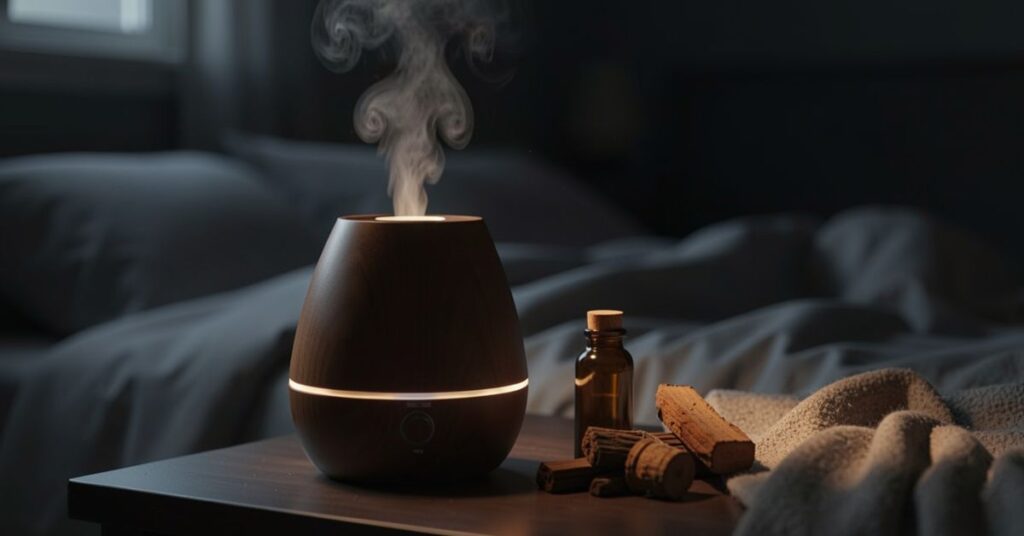
A peaceful environment plays an important role in mental and emotional wellbeing. Many people use essential oils as part of their nighttime routine because certain aromas can create a calming atmosphere and encourage relaxation. Among these oils, cedarwood is widely appreciated for its warm, grounding, and comforting scent.
Moreover, the cedarwood essential oil benefits for sleep and relaxation are mainly connected to its aromatic compounds, especially cedrol, which has been studied for its calming effects. Additionally, these natural compounds may help create a peaceful atmosphere and, therefore, support a more comfortable bedtime routine. However, cedarwood essential oil does not treat sleep disorders; instead, it may work as a supportive option when combined with healthy sleep habits. Furthermore, by using cedarwood essential oil as part of a consistent nighttime routine, many people find it easier to create a relaxing environment. As a result, cedarwood essential oil may contribute to overall relaxation and improved sleep quality when used appropriately.
Using cedarwood through diffusion, inhalation, or a diluted massage blend can help create a peaceful sensory experience. Many users enjoy its deep woody fragrance because it feels natural, soothing, and connected to the outdoors.
Promotes Better Sleep
A relaxing bedtime routine can help prepare the mind and body for rest. Cedarwood essential oil is commonly used before sleep because its earthy aroma may encourage feelings of calmness and comfort.
Research has explored how certain aromatic compounds in cedarwood may influence relaxation. Cedrol, one of the key components found in cedarwood oil, has shown potential calming effects in studies involving aromatic exposure. However, more human research is still needed to fully understand its impact on sleep quality.
People often use cedarwood essential oil before bedtime by:
- Adding a few drops to a diffuser for a gentle nighttime aroma.
- Creating a diluted massage oil for shoulders or feet.
- Combining it with relaxing oils like lavender or sandalwood.
- Adding it to a personal relaxation routine.
First of all, for better sleep support, cedarwood essential oil should be used alongside healthy habits. Moreover, by combining cedarwood with a consistent bedtime routine, reducing screen exposure before sleep, and keeping the bedroom comfortable, you can create a more relaxing sleep environment. Additionally, these healthy practices can work together to support overall rest and relaxation.
Furthermore, when cedarwood is included as part of a balanced nighttime routine, it may help promote a calming atmosphere. In addition, maintaining good sleep habits is important because essential oils alone cannot replace proper sleep hygiene. Therefore, by following these steps consistently, people can create a more peaceful and comfortable bedtime experience. As a result, cedarwood essential oil can serve as a supportive addition to a healthy sleep routine.
Helps Reduce Stress and Anxiety
First of all, daily stress can affect mood, concentration, and overall wellbeing. Moreover, when stress continues over time, it may influence daily routines and emotional balance. Additionally, aromatherapy is often used as a natural way to create a more relaxing environment. Furthermore, cedarwood essential oil is a popular choice because of its grounding fragrance and calming aroma.
In addition, many people use cedarwood essential oil as part of their relaxation practices to support a peaceful atmosphere. Therefore, by including soothing scents in a self-care routine, individuals may create a more comfortable and balanced environment. As a result, cedarwood essential oil remains a widely preferred option for those looking for natural ways to enhance relaxation and mindfulness.
The warm scent of cedarwood may help promote emotional balance by engaging the brain’s smell receptors, which connect closely with areas involved in emotions and memories. Many people find its aroma comforting during meditation, breathing exercises, or quiet evening activities.
Cedarwood may support relaxation by:
- Creating a calming atmosphere during stressful moments.
- Helping reduce feelings of mental tiredness.
- Supporting mindfulness practices.
- Providing a soothing scent during relaxation exercises.
It is important to remember that essential oils affect people differently. While many users report a calming experience, cedarwood should not replace professional support for anxiety disorders or ongoing mental health concerns.
Supports Relaxation Through Aromatherapy
Aromatherapy uses natural plant aromas to support mood, comfort, and relaxation. Cedarwood essential oil works especially well in aromatherapy because of its long-lasting woody scent and ability to blend with many other essential oils.
The cedarwood essential oil benefits in diffuser use come from its ability to transform a room into a more peaceful space. A few drops can create a warm atmosphere that many people associate with relaxation and comfort.
Popular relaxation blends include:
| Blend | Purpose |
| Cedarwood + Lavender | Creates a calming nighttime aroma. |
| Cedarwood + Frankincense | Supports meditation and mindfulness. |
| Cedarwood + Bergamot | Adds a fresh and uplifting touch. |
| Cedarwood + Sweet Orange | Creates a warm, balanced fragrance. |
When using cedarwood in a diffuser, avoid excessive amounts. A stronger scent does not always provide better results and may become overwhelming for some people.
First of all, a good approach is to begin with a small amount and, gradually, allow the aroma to spread naturally. Moreover, you can adjust the amount according to your personal preference and, therefore, create a more comfortable experience. Additionally, by starting slowly, you can better understand how the scent fits into your relaxation routine. Furthermore, this careful approach allows you to enjoy cedarwood essential oil without overwhelming the senses.
Overall, cedarwood essential oil can be a valuable addition to relaxation routines because of its comforting scent and potential calming properties. Moreover, whether used in a diffuser, massage blend, or evening self-care ritual, it may help create a peaceful environment that supports rest and emotional wellbeing. In addition, many people include cedarwood essential oil in their daily wellness habits due to its warm and grounding aroma. Furthermore, when combined with healthy relaxation practices, it can become a supportive part of a calming routine.
More Cedarwood Essential Oil Benefits for Health and Wellness
Beyond skincare, haircare, and relaxation, cedarwood essential oil is valued for several additional wellness applications.Moreover, its natural aromatic compounds have attracted scientific interest because they may offer antimicrobial, anti-inflammatory, and soothing properties. Additionally, these naturally occurring compounds continue to gain attention as researchers further explore their potential roles in supporting overall wellness. Furthermore, because cedarwood contains various plant-based components, it remains an important subject of ongoing scientific study.
In addition, many traditional uses of cedarwood come from its long history in herbal practices, while modern research continues to explore how its chemical components may support everyday wellness. However, it is important to remember that cedarwood essential oil should always be considered a complementary product rather than a replacement for medical treatment. Therefore, users should combine its use with healthy lifestyle choices and professional guidance when needed.
When used correctly, cedarwood can become a versatile addition to personal care routines, home environments, and natural wellness practices. Moreover, by incorporating cedarwood thoughtfully into daily habits, people can enjoy its comforting aroma and potential benefits. As a result, cedarwood essential oil continues to remain a popular choice for individuals seeking natural wellness solutions.
May Improve Focus and Mental Clarity
Mental fatigue and difficulty concentrating can affect productivity and daily performance. Many people use woody essential oils like cedarwood during work, study, or meditation because their grounding aroma may help create a focused environment.
The deep scent of cedarwood is often described as calming and stabilising. Aromatherapy users commonly choose it when they want a more organised and peaceful atmosphere without the sharp stimulation associated with some energising scents.
Cedarwood may support focus by:
- Creating a calm workspace environment
- Helping reduce distractions through aromatherapy
- Supporting mindfulness and breathing exercises
- Providing a grounding scent during stressful tasks
Some people combine cedarwood with rosemary or peppermint essential oil for a more refreshing diffuser blend. However, individual responses vary, and more research is needed to confirm specific effects on concentration and cognitive performance.
Helps Relieve Cough and Congestion
First of all, cedarwood essential oil has traditionally been used in respiratory-focused aromatherapy because of its strong, woody aroma. Moreover, throughout history, many people have included cedarwood in aromatic practices due to its distinctive scent and comforting qualities. Additionally, this warm fragrance is often used to create a calming atmosphere, especially during seasonal changes.
Furthermore, some people inhale its scent during seasonal discomfort because it may create a feeling of easier breathing. However, cedarwood essential oil should be viewed as a supportive aromatherapy option and not as a replacement for medical care. Therefore, when used appropriately, cedarwood may become a helpful addition to relaxation and wellness routines.
Its natural compounds have been studied for antimicrobial and soothing properties, which may explain why cedarwood appears in some traditional chest rubs and respiratory blends.
Common methods include:
- Using a diffuser to spread a gentle aroma.
- Combining cedarwood with other respiratory oils.
- Adding diluted blends to massage oils.
However, cedarwood essential oil does not cure respiratory infections or replace medical care. Anyone experiencing severe breathing problems, persistent coughing, or chest discomfort should seek professional advice.
May Ease Joint and Muscle Discomfort
Muscle tension can develop after exercise, physical work, or daily stress. Many people use essential oils in massage routines because the aroma and massage process itself can promote relaxation.
Cedarwood essential oil may support muscle comfort through its potential anti-inflammatory properties. When diluted with a carrier oil, it can be used as part of a relaxing massage blend for areas that feel tense or tired.
A simple massage blend may include:
| Ingredient | Purpose |
| Cedarwood essential oil | Adds a calming woody aroma. |
| Jojoba oil | Provides a lightweight carrier base. |
| Sweet almond oil | Helps moisturise the skin. |
| Lavender oil | Adds additional relaxation benefits. |
Massage should always be gentle, and essential oils should never be applied directly to painful areas without proper dilution.
Helps Fight Fungal Infections
Certain laboratory studies have examined cedarwood essential oil for its potential antifungal activity. Its natural compounds may help slow the growth of some fungi in controlled environments.
Because of this research, cedarwood is sometimes included in natural foot care products, scalp treatments, and cleansing blends. However, laboratory results do not always produce the same effects in humans.
For safe use:
- Dilute cedarwood oil before topical application.
- Avoid applying it to damaged skin.
- Do not use it as a substitute for prescribed antifungal medication.
- Consult a healthcare professional for persistent fungal problems.
Cedarwood may support a healthy hygiene routine, but proper diagnosis remains important.
Works as a Natural Insect Repellent
One of the most recognised household uses of cedarwood is insect control. The strong woody aroma contains compounds that many insects find unpleasant, making cedarwood a common ingredient in natural insect-repelling products.
People often use cedarwood in:
- Homemade sprays
- Closet sachets
- Outdoor blends
- Diffuser mixtures
The effectiveness can vary depending on the insect species, concentration, and application method. Cedarwood may help discourage certain pests, but it does not guarantee complete protection.
For outdoor activities, combine natural repellents with other protective measures such as appropriate clothing and physical barriers.
Acts as a Natural Deodoriser
Unpleasant smells often develop from bacteria, moisture, and trapped odours. Cedarwood essential oil is frequently used in home products because its long-lasting woody scent can help create a cleaner-smelling environment.
Unlike synthetic fragrances that only mask smells, cedarwood is valued for its natural aroma and potential antimicrobial properties.
Common uses include:
- Adding it to homemade cleaning products.
- Using it in candles and wax melts.
- Mixing it into room sprays.
- Freshening wardrobes and storage areas.
Always test homemade products on a small area first, especially when using them around fabrics or surfaces.
May Support Healthy Fluid Balance
Some traditional wellness practices associate cedarwood essential oil with supporting the body’s natural fluid balance. These uses are often connected to historical herbal traditions rather than strong modern clinical evidence.
The body naturally regulates fluid levels through the kidneys, hormones, and other biological systems. Cedarwood essential oil should not be used as a replacement for medical approaches related to swelling, fluid retention, or circulation concerns.
Instead, it may be used as part of a relaxing self-care routine through aromatherapy or diluted massage.
Overall, the additional cedarwood essential oil benefits make it a popular choice for people interested in natural wellness. From supporting relaxation and home freshness to complementing massage and personal care routines, cedarwood offers many practical uses. Still, safe application, realistic expectations, and proper dilution are essential for getting the best experience from this powerful essential oil.
Cedarwood Essential Oil Benefits Backed by Science
First of all, while cedarwood oil has been valued for centuries in traditional Egyptian, Ayurvedic, and Native American practices, it has also continued to gain attention in modern research. Moreover, throughout history, different cultures have used cedarwood oil for various traditional purposes. Additionally, as scientific studies have expanded, modern pharmacology has begun validating many of its therapeutic claims.
Furthermore, researchers are now exploring how cedarwood’s natural compounds may contribute to its traditional uses and potential benefits. In addition, this connection between ancient practices and modern science highlights the growing interest in cedarwood oil. Therefore, by combining historical knowledge with current research, cedarwood oil remains an important subject in natural wellness discussions. As a result, its traditional value and scientific exploration continue to increase its popularity.
The biological benefits of cedarwood stem directly from its dominant sesquiterpenes: Cedrol, $\alpha$-Cedrene, $\beta$-Cedrene, and Thujopsene. These compounds pass through cell membranes easily, exerting antioxidant, anti-inflammatory, and antimicrobial actions.
1. Anti-Inflammatory Properties
Inflammation is a root cause of skin redness, joint discomfort, and cellular aging. Research indicates that cedarwood’s sesquiterpenes inhibit specific pro-inflammatory pathways in skin cells.
- Clinical Application: When diluted in a topical carrier oil, cedarwood helps soothe irritated skin conditions (such as mild eczema or post-shave burns) and provides warming relief for sore muscles when used in massage therapy.
2. Powerful Antioxidant Defense
Free radicals generated by UV radiation and environmental pollution cause oxidative stress, leading to premature aging and skin damage.
- Scientific Insight: In vitro assays demonstrate that active compounds in cedarwood essential oil effectively neutralize reactive oxygen species (ROS). Adding cedarwood to antioxidant-rich carrier oils (like Rosehip or Argan) creates a natural defense shield against daily environmental damage.
3. Broad-Spectrum Antimicrobial Activity
Maintaining a healthy microbial balance is essential for preventing acne breakouts, scalp dandruff, and indoor bacterial buildup.
- First of all, research findings show that laboratory studies have demonstrated cedarwood oil’s marked antibacterial and antifungal activity against common pathogens. Moreover, these studies indicate that cedarwood oil may help target microorganisms such as Staphylococcus aureus, which is often involved in skin infections. Additionally, researchers have also examined its effects against Malassezia yeasts, which are commonly associated with scalp flaking and dandruff.
- Furthermore, because these findings come from laboratory research, they provide valuable insights into cedarwood oil’s potential properties. In addition, ongoing studies continue to explore how cedarwood’s natural compounds may contribute to skin and scalp care. Therefore, while more research is still needed, cedarwood oil remains an interesting option in natural wellness and personal care discussions. As a result, its antibacterial and antifungal potential continues to attract scientific attention.
Scientific Evidence Overview
| Research Area | Key Bioactive Compound | Clinical Evidence Level | Primary Health Application |
| Anti-Inflammatory | Cedrol & $\alpha$-Cedrene | In vitro & animal studies | Calming skin inflammation & muscle soreness |
| Antioxidant | Sesquiterpene hydrocarbons | Cell culture models | Protecting skin barrier from environmental damage |
| Antimicrobial | Thujopsene & Cedrol | In vitro laboratory assays | Treating acne, scalp dandruff, and home odor |
| Anxiolytic (Calming) | Cedrol | Pre-clinical human trials | Lowering heart rate and promoting deep sleep |
Medical Disclaimer: Essential oils contain potent plant extracts. While scientific research is encouraging, cedarwood oil is meant to support daily wellness and should never replace prescribed medical treatments.
How to Use Cedarwood Essential Oil Safely: Complete Guide
First of all, because pure essential oils are highly concentrated botanical extracts, they should always be used with proper care and attention. Moreover, when used incorrectly, these powerful extracts can cause contact dermatitis, skin sensitization, or respiratory irritation. Additionally, improper application may reduce the positive experience and create unnecessary discomfort. Furthermore, by following precise safety and dilution protocols, users can enjoy cedarwood essential oil more effectively. In addition, careful usage helps maintain a balanced approach while supporting safer aromatherapy practices. Therefore, it is important to understand proper guidelines before applying essential oils to the skin or using them around the body. As a result, responsible use allows people to experience the potential benefits of cedarwood essential oil while minimizing possible risks.
Essential Oil Dilution Guid
Never apply pure cedarwood oil directly to raw skin. Use this reference chart to mix cedarwood safely with your favorite carrier oil (Jojoba, Argan, Almond, or Coconut):
| Target Use | Carrier Oil Volume | Drops of Cedarwood Oil | Total Concentration |
| Facial Care / Sensitive Skin | 1 oz (30 ml) | 3 to 6 drops | 0.5% – 1.0% |
| Body Massage & Scalp Treatments | 1 oz (30 ml) | 12 drops | 2.0% |
| Targeted Spot Relief / DIY Products | 1 oz (30 ml) | 18 drops | 3.0% |
1. Aromatherapy & Diffusion
Inhaling cedarwood’s aromatic molecules stimulates the olfactory system, signaling the brain’s limbic center to lower stress levels.
- Bedtime Sleep Diffuser Blend:
- 3 drops Cedarwood Essential Oil
- 3 drops Lavender Essential Oil
- 2 drops Sweet Orange Essential Oil
- Best Practice: Diffuse for 30–60 minutes in a well-ventilated room before sleeping. Avoid continuous, all-day diffusion.
2. Topical Skincare Application
Incorporating cedarwood into your nightly facial routine helps balance oil production and firm skin texture.
- How to Apply: Mix 1–2 drops of cedarwood oil with 1 teaspoon of Jojoba oil. Massage gently onto a clean face using upward circular motions.
3. Scalp Therapy & Hair Masks
To combat hair thinning and stubborn flaking, perform a weekly targeted scalp massage.
- Scalp Revival Treatment:
- 4 drops Cedarwood Essential Oil
- 4 drops Rosemary Essential Oil
- 2 tablespoons Pumpkin Seed or Castor Oil
- Method: Massage firmly into dry scalp for 5–10 minutes. Leave on for 30–45 minutes, then wash out thoroughly with a clarifying shampoo.
4. Soothing Aromatherapy Bath
Because essential oils do not dissolve in water, dropping pure cedarwood oil straight into bathwater can cause intense skin stinging.
- Safe Bath Technique: Mix 5 drops of cedarwood oil into 1 cup of Epsom salts or 1 tablespoon of liquid carrier oil before pouring it into warm running bathwater.
Universal Safety & Precautions
- Mandatory Patch Test: Mix 1 drop of cedarwood oil with 1 teaspoon of carrier oil. Apply to your inner forearm and monitor for 24 hours. Discontinue immediately if redness, itching, or burning occurs.
- Pregnancy & Children: Consult a qualified healthcare professional or certified aromatherapist before using essential oils around infants or during pregnancy.
- Pet Safety: Ensure rooms are well-ventilated when diffusing essential oils around domestic pets (especially cats and dogs), as their respiratory systems are highly sensitive.
Best Essential Oils to Blend with Cedarwood Essential Oil
Cedarwood essential oil has a deep, warm, and woody aroma that works beautifully as a base note in essential oil blends. Its grounding scent helps balance lighter oils and creates a more complex fragrance profile. Because cedarwood blends well with both floral and citrus oils, it is commonly used in aromatherapy, skincare, haircare, and natural home products.
Combining cedarwood with other essential oils can enhance the overall experience while allowing you to target different wellness goals. For example, floral oils may create a more relaxing blend, while citrus oils can add freshness and brightness.
When creating blends, always remember that essential oils are concentrated. Start with small amounts, maintain proper dilution, and choose combinations based on your personal preferences and intended use.
1. Lavender
Lavender is one of the most popular essential oils to combine with cedarwood. Both oils are known for their calming aromas, making them a favourite choice for bedtime routines, relaxation, and stress management.
The soft floral scent of lavender balances cedarwood’s deeper woody fragrance, creating a smooth and comforting blend.
Benefits of a cedarwood and lavender blend:
- Supports relaxation after a stressful day.
- Creates a peaceful bedtime atmosphere.
- Works well in diffuser blends.
- Adds a soothing scent to massage oils.
A simple diffuser combination:
| Oil | Amount |
| Cedarwood essential oil | 3 drops |
| Lavender essential oil | 3 drops |
This blend is especially popular among people who enjoy calming aromatherapy routines.
2. Frankincense
Frankincense and cedarwood create a rich, earthy combination often used during meditation, mindfulness practices, and relaxation sessions.
Both oils have traditionally been valued for their grounding aromas. Many people interested in cedarwood essential oil spiritual benefits combine cedarwood with frankincense because the blend creates a peaceful and reflective environment.
Common uses include:
- Meditation spaces.
- Yoga sessions.
- Evening relaxation.
- Personal fragrance blends.
The combination offers a warm, resinous aroma that feels natural and balanced.
3. Rosemary
Rosemary essential oil adds a fresh herbal note to cedarwood’s warm woody scent. This combination is especially popular in haircare routines because both oils are commonly used in scalp-focused products.
Many people use cedarwood and rosemary blends because they may complement routines designed for healthier-looking hair.
Possible uses include:
- Scalp massage oils.
- Hair treatments.
- Refreshing diffuser blends.
- Homemade hair products.
A simple hair blend:
- 2 tablespoons carrier oil
- 2 drops cedarwood essential oil
- 2 drops rosemary essential oil
Always dilute essential oils before applying them to the scalp.
4. Bergamot
Bergamot essential oil brings a fresh citrus aroma that softens cedarwood’s heavier scent. Together, they create a balanced fragrance that feels both uplifting and relaxing.
This combination works well for people who want a calming environment without an overly sweet or floral aroma.
Popular uses include:
- Office diffuser blends.
- Room sprays.
- Relaxation routines.
- Natural perfumes.
Because bergamot can increase sun sensitivity when used on the skin in certain forms, always check whether your bergamot oil is bergapten-free (FCF) before topical application.
5. Tea Tree
Tea tree essential oil has a fresh, medicinal aroma that combines well with cedarwood’s earthy scent. This pairing is often used in natural skincare and scalp-care products.
Both oils have been studied for their antimicrobial properties, which explains why they appear in cleansing formulations.
A cedarwood and tea tree blend may be used for:
- Scalp care routines.
- Foot care products.
- Natural cleansing blends.
- Personal care products.
However, both oils require proper dilution because concentrated application may irritate sensitive skin.
6. Sandalwood
Sandalwood and cedarwood create one of the most luxurious woody essential oil combinations. Both oils have rich, calming aromas that work well in meditation, perfumes, and relaxation blends.
This combination is often chosen because it creates a warm, sophisticated fragrance with a natural forest-like feel.
Benefits of this blend include:
- Promotes a relaxing atmosphere.
- Supports mindfulness practices.
- Creates a long-lasting aroma.
- Works well in personal fragrances.
Because sandalwood is often more expensive, cedarwood can provide a similar woody depth while making blends more affordable.
7. Sweet Orange
Sweet orange essential oil adds a bright, cheerful citrus note to cedarwood’s deep aroma. This creates a balanced blend that feels warm, fresh, and inviting.
The combination is especially popular for home fragrance because it creates a welcoming environment.
Common uses include:
- Homemade candles.
- Room sprays.
- Diffuser blends.
- Natural cleaning products.
A simple diffuser recipe:
| Essential Oil | Drops |
| Cedarwood | 3 drops |
| Sweet orange | 4 drops |
| Lavender | 2 drops |
The citrus aroma lifts the woody scent while keeping the blend comfortable and relaxing.
Choosing the Right Cedarwood Essential Oil Blend
The best blend depends on your personal goal:
| Goal | Best Cedarwood Combination |
| Better relaxation | Cedarwood + Lavender |
| Meditation and grounding | Cedarwood + Frankincense |
| Hair care support | Cedarwood + Rosemary |
| Fresh home aroma | Cedarwood + Sweet Orange |
| Woody perfume blends | Cedarwood + Sandalwood |
| Skin and scalp care | Cedarwood + Tea Tree |
Experimenting with different combinations allows you to discover the cedarwood blend that fits your lifestyle. Always start with a small amount, follow safe dilution practices, and choose high-quality essential oils for the best experience.
Cedarwood Essential Oil Safety, Risks and Side Effects
Cedarwood essential oil offers many potential benefits for aromatherapy, skincare, haircare, and natural wellness routines, but safe use is just as important as understanding its advantages. Like all essential oils, cedarwood is a highly concentrated plant extract, meaning improper use can lead to unwanted reactions.
The cedarwood essential oil side effects usually occur because of excessive application, poor-quality products, direct skin use, or individual sensitivity. When used correctly with proper dilution and responsible handling, many adults can enjoy cedarwood essential oil as part of a balanced self-care routine.
However, essential oils are not suitable for everyone. Children, pregnant individuals, people with sensitive skin, and pet owners should take extra precautions before using cedarwood oil.
1. Possible Side Effects
Cedarwood essential oil is generally considered suitable for many adults when properly diluted. However, some individuals may experience sensitivity because everyone’s skin, immune system, and tolerance levels are different.
Possible side effects may include:
- Skin irritation: Undiluted cedarwood oil may cause redness, itching, burning, or discomfort.
- Allergic reactions: Some people may develop sensitivity to aromatic compounds found in essential oils.
- Headache or nausea: Strong aromas may feel overwhelming, especially in poorly ventilated rooms.
- Respiratory irritation: Sensitive individuals may experience coughing or discomfort from strong essential oil exposure.
- Eye irritation: Accidental contact with eyes can cause burning and irritation.
Before regular topical use, perform a patch test:
- Dilute cedarwood essential oil with a carrier oil.
- Apply a small amount to a small area of skin.
- Wait 24 hours to check for a reaction.
- Stop use if redness, swelling, or irritation appears.
Using a smaller amount does not reduce effectiveness. In fact, essential oils often work better when used carefully because their compounds are extremely concentrated.
2. Proper Dilution Guidelines
Proper dilution is one of the most important safety steps when using cedarwood essential oil on the skin. Applying pure essential oil directly to the body can increase the risk of irritation and sensitivity.
A carrier oil helps reduce the concentration while allowing the essential oil to spread evenly across the skin.
Common carrier oils include:
- Jojoba oil for lightweight facial and scalp blends.
- Sweet almond oil for nourishing body applications.
- Fractionated coconut oil for a smooth, non-greasy texture.
- Argan oil for hair and skin routines.
General dilution guidelines:
| Use Case | Recommended Dilution |
| Adults (general skincare) | Around 1–2% dilution |
| Sensitive skin | Lower dilution is recommended |
| Facial application | Use very small amounts |
| Children | Professional guidance is recommended |
For example, a 1% dilution usually means adding approximately 1 drop of essential oil per teaspoon of carrier oil. Always follow product instructions because different formulations may vary.
3. Risks of Using Cedarwood Essential Oil Incorrectly
Many essential oil problems happen because users assume that natural products cannot cause harm. Cedarwood essential oil is natural, but it is still a powerful concentrated substance.
Common mistakes include:
- Applying undiluted oil directly to the skin.
- Using large amounts in a diffuser.
- Taking cedarwood essential oil internally without expert guidance.
- Using expired or poor-quality products.
- Applying it near sensitive areas such as eyes and mucous membranes.
The dangers of cedar oil are usually linked to misuse rather than normal, careful application. Responsible use, proper storage, and choosing a reputable brand significantly reduce potential risks.
4. Who Should Avoid Cedarwood Essential Oil?
Although many adults can use cedarwood essential oil safely, some people should consult a healthcare professional before using it.
Extra caution is recommended for:
- People with a history of essential oil allergies.
- Individuals with very sensitive skin.
- People with chronic respiratory conditions.
- Individuals taking medications or undergoing medical treatment.
- Anyone planning long-term or frequent use.
Avoid applying cedarwood essential oil:
- On open wounds.
- On severely irritated skin.
- Inside the mouth or nose.
- Near the eyes.
- On areas affected by unknown skin conditions.
If you experience unusual symptoms after using cedarwood oil, discontinue use and seek professional advice if needed.
5. Is Cedarwood Essential Oil Safe for Children?
Children are more sensitive to essential oils because their skin and body systems are still developing. Therefore, cedarwood essential oil should be used with extra care around young children.
Safety recommendations include:
- Avoid using cedarwood essential oil on babies.
- Use very low dilutions for older children only when appropriate.
- Keep bottles stored away from children’s reach.
- Avoid applying essential oils near a child’s face.
Parents should avoid assuming that an essential oil is automatically safe because it comes from a plant. Professional guidance is the best option when using essential oils around children.
6. Is Cedarwood Essential Oil Safe During Pregnancy?
Pregnancy requires additional caution because essential oils contain concentrated aromatic compounds that may affect individuals differently.
Research on the safety of many essential oils during pregnancy remains limited. Therefore, pregnant individuals should speak with a qualified healthcare professional before using cedarwood essential oil.
Important precautions include:
- Avoid internal use.
- Avoid high concentrations.
- Use only approved applications.
- Stop immediately if discomfort occurs.
A healthcare provider can consider personal health factors and provide better recommendations based on individual circumstances.
7. Is Cedarwood Essential Oil Safe for Pets?
Pet owners should be especially careful when using essential oils because animals process aromatic compounds differently from humans.
The cedarwood essential oil benefits for dogs are often discussed in natural pet care, particularly for calming environments and insect control. However, safety depends on the animal’s species, size, health condition, and method of exposure.
Important pet safety rules:
- Never apply cedarwood essential oil directly to pets without veterinary guidance.
- Do not allow pets to lick essential oil products.
- Avoid using strong diffuser concentrations around animals.
- Keep essential oils stored safely away from pets.
Cats require additional caution because they have limited ability to process certain compounds found in essential oils. What may be tolerated by humans or some dogs may not be safe for cats.
Signs of possible essential oil exposure in pets may include:
- Drooling
- Vomiting
- Weakness
- Unusual behaviour
- Breathing difficulties
If accidental exposure occurs, contact a veterinarian for guidance.
8. Cedarwood Essential Oil Diffuser Safety
Using cedarwood essential oil in a diffuser is one of the most popular ways to enjoy its aroma. However, safe diffuser practices are important, especially in homes with children, pets, or sensitive individuals.
Follow these diffuser guidelines:
- Use only a few drops at a time.
- Keep rooms properly ventilated.
- Avoid continuous diffusion for many hours.
- Stop use if anyone experiences discomfort.
- Avoid placing diffusers where children or pets can reach them.
A pleasant aroma does not require a strong concentration. A lighter scent is often enough to create a comfortable environment.
9. How to Use Cedarwood Essential Oil Safely
To enjoy cedarwood essential oil with fewer risks:
Choose a pure, high-quality oil from a trusted source.
Follow recommended dilution guidelines.
Perform a patch test before topical use.
Store the bottle properly away from heat and sunlight.
Avoid internal use unless guided by a qualified professional.
Consider individual health conditions before regular use.
Cedarwood essential oil can be a valuable addition to wellness routines when used responsibly. Understanding its possible risks, proper application methods, and safety limitations allows you to enjoy its aromatic and traditional benefits while protecting your skin, health, family, and pets.
How to Choose the Best Cedarwood Essential Oil
Choosing a high-quality cedarwood essential oil requires more than selecting the first product you find. The quality, purity, extraction method, and sourcing practices can greatly influence the aroma, performance, and overall experience of the oil.
With many products available in the market, some oils may contain synthetic fragrances, additives, or unclear ingredients. A carefully selected cedarwood essential oil provides a cleaner aroma and better confidence when using it for aromatherapy, skincare, haircare, or household purposes.
The best choice depends on your intended use, but certain quality factors apply to almost every cedarwood essential oil purchase.
1. How to Identify Pure Cedarwood Essential Oil
Pure cedarwood essential oil should contain only the natural extract from cedarwood without unnecessary additives, fillers, or artificial fragrances. Checking the product label is the first step toward finding a reliable oil.
Look for these quality indicators:
- 100% pure cedarwood essential oil clearly listed on the label.
- The botanical name of the plant source.
- The extraction method, such as steam distillation.
- Country of origin information.
- Third-party testing or quality reports.
A trustworthy product usually mentions the exact species because different varieties create different aromas and chemical profiles.
Common botanical names include:
| Cedarwood Type | Botanical Name |
| Atlas Cedarwood | Cedrus atlantica |
| Virginian Cedarwood | Juniperus virginiana |
| Texas Cedarwood | Juniperus ashei |
| Himalayan Cedarwood | Cedrus deodara |
Avoid products that only say “cedar fragrance oil” because fragrance oils are not the same as pure essential oils.
A simple quality checklist:
Dark glass bottle
Clear ingredient list
No artificial perfume added
Proper botanical identification
Reputable manufacturing practices
2. Organic vs Conventional Cedarwood Essential Oil
When choosing cedarwood essential oil, many buyers wonder whether organic oil is better than conventional oil. Both options can be suitable, but they differ in farming and production methods.
Organic cedarwood essential oil comes from trees grown according to organic agricultural standards. These oils are produced with stricter limits on certain farming chemicals and often appeal to people who prefer environmentally conscious products.
Conventional cedarwood essential oil can still be high quality if the manufacturer follows good production practices and provides proper testing information.
The main differences include:
| Feature | Organic Cedarwood Oil | Conventional Cedarwood Oil |
| Farming practices | Follows organic standards | Uses standard agricultural methods |
| Price | Usually higher | Often more affordable |
| Availability | May be limited | Widely available |
| Quality | Depends on processing | Depends on processing |
The organic label alone does not guarantee superior quality. Extraction method, purity testing, and ethical sourcing are equally important.
3. Sustainability and Ethical Sourcing
Responsible sourcing has become an important factor when buying essential oils. Cedarwood trees grow slowly, so sustainable harvesting helps protect natural forests and maintain future availability.
A responsible brand should consider:
- Sustainable harvesting practices
- Protection of natural habitats
- Ethical relationships with suppliers
- Responsible use of tree resources
High-quality companies often provide information about where their cedarwood comes from and how they support environmental responsibility.
Choosing sustainably sourced cedarwood supports both product quality and long-term conservation efforts.
4. Storage Tips to Maintain Quality
Proper storage helps preserve the aroma, freshness, and chemical stability of cedarwood essential oil. Even a high-quality oil can lose its characteristics when exposed to heat, sunlight, or oxygen for long periods.
Follow these storage tips:
- Keep the bottle in a cool, dark place.
- Store it away from direct sunlight.
- Close the cap tightly after every use.
- Avoid storing it near heat sources.
- Keep it away from moisture.
Dark glass bottles are preferred because they help protect the oil from light exposure.
Signs that cedarwood essential oil may have lost quality include:
- A noticeably changed smell.
- A weaker aroma.
- Cloudiness or unusual appearance.
- Changes in texture.
Although cedarwood essential oil generally has good stability compared with some citrus oils, proper storage can help maintain its quality for a longer time.
5. Choosing Cedarwood Essential Oil Based on Your Goal
Different cedarwood oils may suit different purposes. Selecting the right variety can improve your overall experience.
| Purpose | Recommended Cedarwood Type |
| Relaxation and sleep routines | Atlas cedarwood |
| Meditation and spiritual practices | Himalayan cedarwood |
| Natural insect control | Virginian or Texas cedarwood |
| Hair and skincare blends | Atlas cedarwood |
| Home fragrance | Virginian cedarwood |
If you are new to essential oils, Atlas cedarwood is often a practical starting choice because of its balanced aroma and versatility.
Before purchasing, always research the brand, check the ingredients, and choose an oil that matches your intended use. A carefully selected cedarwood essential oil allows you to enjoy its natural aroma and potential wellness benefits while maintaining safety, quality, and effectiveness.
Conclusion
Cedarwood essential oil has remained popular for generations because of its warm aroma, versatile uses, and wide range of traditional wellness applications. From aromatherapy and relaxation routines to skincare, haircare, and natural home products, this essential oil offers many practical ways to support everyday self-care.
The most valuable cedarwood essential oil benefits come from its natural compounds, including cedrol, cedrene, and other aromatic components that have been studied for their calming, antioxidant, antimicrobial, and soothing properties. While research continues to explore its full potential, current evidence supports many of its traditional uses when applied safely.
For those interested in personal care, cedarwood essential oil benefits for hair may include supporting scalp balance, reducing dryness, and complementing healthy hair routines. Likewise, cedarwood essential oil benefits for skin make it a popular ingredient in diluted skincare blends designed to support balanced and comfortable-looking skin.
Cedarwood also plays an important role in relaxation practices. Many people use it in diffusers, massage oils, and meditation routines because its deep woody scent creates a peaceful and grounding atmosphere. The cedarwood essential oil benefits in diffuser use make it especially popular for bedrooms, workspaces, and calming evening rituals.
However, safe use remains essential. Always dilute cedarwood essential oil before topical application, choose a high-quality product, and consider individual sensitivities. Pregnant individuals, children, and pet owners should take extra precautions and seek professional guidance when necessary. Understanding the cedarwood essential oil side effects and safety guidelines helps ensure a better experience.
Overall, cedarwood essential oil is a versatile botanical product that can fit into many wellness routines when used responsibly. Whether you enjoy its natural fragrance, include it in your skincare routine, or use it as part of aromatherapy, cedarwood offers a timeless connection between traditional plant wisdom and modern self-care practices.
FAQs:
What Are the Main Cedarwood Essential Oil Benefits?
The main cedarwood essential oil benefits include supporting relaxation, promoting a calming atmosphere, maintaining healthy-looking skin, supporting scalp care, and adding a natural woody aroma to personal and home environments.
Cedarwood essential oil is commonly used for:
- Aromatherapy and relaxation
- Hair and scalp care
- Skin-supporting routines
- Natural deodorising
- Home fragrance
- Insect-repelling blends
Its natural compounds, including cedrol and other sesquiterpenes, contribute to its unique properties. However, cedarwood essential oil should be viewed as a supportive wellness product rather than a treatment for medical conditions.
Is Cedarwood Essential Oil Good for Hair Growth?
Cedarwood essential oil may support a healthy scalp environment, which can contribute to better-looking hair. Some research has explored essential oil blends containing cedarwood, rosemary, lavender, and thyme for hair growth support.
However, evidence does not prove that cedarwood essential oil alone can regrow hair or cure hair loss. Hair growth depends on many factors, including genetics, hormones, nutrition, and overall health.
The cedarwood essential oil benefits for hair may include:
- Supporting scalp balance.
- Reducing dryness and discomfort.
- Complementing scalp massage routines.
- Adding botanical support to haircare products.
For safe use, always dilute cedarwood essential oil with a carrier oil before applying it to the scalp.
Can Cedarwood Essential Oil Help with Acne?
Cedarwood essential oil may support acne-prone skin because some studies suggest it has antimicrobial and anti-inflammatory properties. These qualities may help maintain a balanced skin environment.
However, cedarwood is not a guaranteed acne treatment. Acne can develop due to several causes, including hormones, bacteria, clogged pores, and genetics.
If you want to include cedarwood in a skincare routine:
- Always dilute it before applying.
- Perform a patch test first.
- Avoid applying it to broken skin.
- Use it alongside a gentle skincare routine.
For persistent or severe acne, professional dermatological advice is recommended.
Does Cedarwood Essential Oil Improve Sleep?
Cedarwood essential oil may help create a relaxing environment that supports a better bedtime routine. Its warm, woody aroma is commonly used in diffusers, massage blends, and relaxation practices.
The compound cedrol has been studied for its potential calming effects, although more human research is needed to confirm specific sleep benefits.
Many people use cedarwood before bed by:
- Diffusing a few drops in the evening.
- Combine it with lavender oil.
- Using a diluted massage blend.
- Adding it to relaxation rituals.
Cedarwood may support relaxation, but it should not replace medical treatment for insomnia or sleep disorders.
Can You Apply Cedarwood Essential Oil Directly to the Skin?
No, applying undiluted cedarwood essential oil directly to the skin is generally not recommended. Essential oils are highly concentrated and may cause irritation, redness, burning, or allergic reactions.
For topical use:
- Mix cedarwood with a carrier oil.
- Use a suitable dilution level.
- Perform a patch test before regular application.
Common carrier oils include:
- Jojoba oil
- Sweet almond oil
- Fractionated coconut oil
- Argan oil
Proper dilution helps you enjoy the benefits while reducing the risk of skin sensitivity.
Which Cedarwood Essential Oil Is Best?
The best cedarwood essential oil depends on your intended use because each variety has different characteristics.
| Cedarwood Type | Best Known For |
| Atlas Cedarwood | Relaxation, skincare, haircare |
| Virginian Cedarwood | Home fragrance and insect-repelling blends |
| Texas Cedarwood | Strong woody aroma and household uses |
| Himalayan Cedarwood | Meditation and calming routines |
For beginners, Atlas cedarwood is often a popular choice because it offers a balanced aroma and works well in many applications.
Can Cedarwood Essential Oil Repel Bugs?
Yes, cedarwood essential oil is commonly used in natural insect-repelling products. Its woody aroma contains compounds that some insects find unpleasant.
People often use cedarwood in:
- Closet sachets.
- Outdoor sprays.
- Diffuser blends.
- Homemade insect-repelling products.
However, effectiveness depends on the insect species, concentration, and application method. Cedarwood may help discourage insects, but it should not be considered a complete replacement for professional pest control.
Does Cedarwood Essential Oil Expire?
Yes, cedarwood essential oil can lose quality over time, although it usually has a longer shelf life than many citrus-based essential oils.
When stored properly, cedarwood essential oil can often remain usable for several years.
To maintain quality:
- Keep it in a dark glass bottle.
- Store it away from heat and sunlight.
- Close the cap tightly after use.
- Avoid exposure to moisture.
Signs that the oil may have degraded include:
- A changed aroma.
- Reduced fragrance strength.
- Unusual appearance.
- Altered texture.
Proper storage helps preserve the natural compounds and keeps the oil suitable for aromatherapy and personal care use.