Introduction:
Burns can cause pain, redness, swelling, and skin damage that requires careful attention. Many people search for a natural option like essential oil for burns because certain plant extracts contain compounds that may support skin comfort and recovery. However, essential oils are not a replacement for proper burn care, especially for serious injuries.
Minor burns often happen from hot surfaces, steam, sunlight, or accidental contact with heat sources. The right approach depends on the burn type, severity, and healing stage. Some essential oils may provide soothing effects when used correctly, while others can irritate damaged skin.
This complete guide explains the potential benefits, safest oils, proper application methods, risks, and other treatments that can support burn recovery. It also explains when professional medical care becomes necessary.
What Is Essential Oil for Burns?
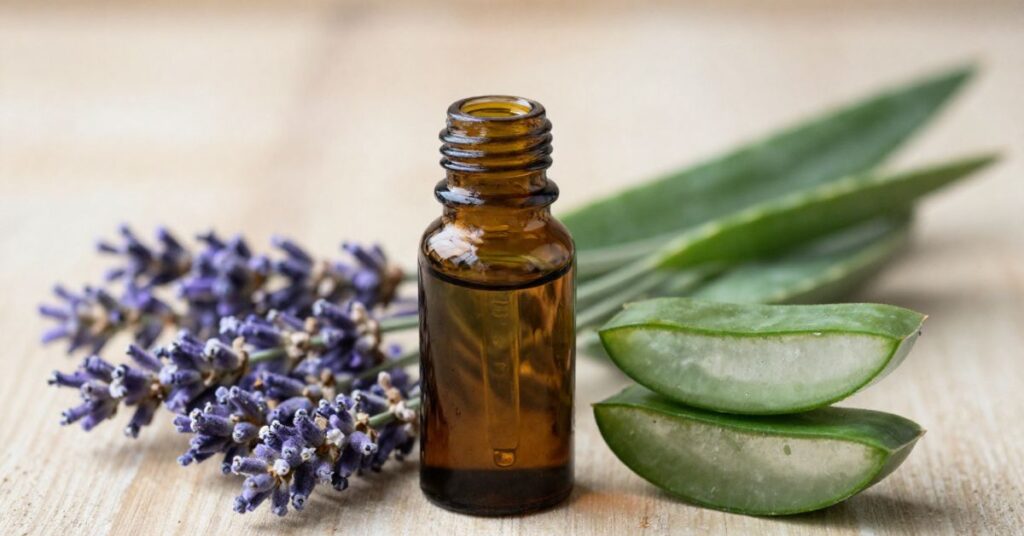
An essential oil for burns refers to a concentrated plant extract that people may use as part of natural skin care routines after a minor burn. These oils contain aromatic compounds derived from flowers, leaves, roots, or other plant parts. Many essential oils are known for their calming, antioxidant, or skin-supporting properties.
Common examples include lavender essential oil, chamomile oil, frankincense oil, and tea tree oil. These oils are often studied for their relationship with skin health because they contain natural compounds that may help maintain skin comfort.
However, burns create a sensitive skin condition. Fresh burns can have damaged skin barriers, which means applying concentrated oils directly may cause irritation or slow recovery. Proper dilution and timing play an important role in safe use.
Essential oils may be more suitable during the recovery stage rather than immediately after a fresh injury. Before using any oil, it is important to understand the burn severity and choose an approach that protects the healing skin.
Can Essential Oils Help Treat Burns?
Essential oils may help soothe minor burns and improve comfort, but they cannot replace proper burn care or serve as a complete treatment. Some oils contain compounds that researchers have studied for their potential soothing, antimicrobial, and antioxidant effects.
Lavender essential oil for burns is widely discussed because lavender contains linalool and linalyl acetate, natural compounds that may create calming effects. Research suggests that lavender may help support the skin’s natural repair process, but scientists still need more studies to understand how effectively it works for burns.
Essential oils may help with:
- Reducing feelings of discomfort during recovery
- Supporting a calming skincare routine
- Providing moisturizing benefits when mixed with suitable carrier oils
- Supporting the appearance of healed skin
However, fresh burns need immediate basic care first. Cooling the affected area with clean running water, protecting the skin, and preventing infection remain the most important steps.
People should avoid applying undiluted essential oils to newly burned skin because concentrated plant extracts can increase irritation. A safe approach focuses on gentle care and proper guidance.
What Does Research Say About Essential Oils for Burns?
Research on essential oils and burns shows promising results, but scientists still need more large-scale human studies. Laboratory and animal research has explored how certain plant compounds may influence inflammation, bacteria, and wound recovery.
Some studies have examined lavender oil, which contains compounds that may support wound healing processes. Research also suggests that certain essential oils have antimicrobial properties that could help protect skin from harmful microorganisms.
Despite these findings, evidence does not prove that essential oils can replace medical burn treatments. Severe burns require professional evaluation because they can involve deeper tissue damage and infection risks.
Current research suggests that essential oils may work best as a complementary option during proper skin care routines. Their benefits depend on the oil type, concentration, application method, and individual skin response.
A careful approach helps people gain possible benefits while reducing the chance of irritation or complications.
Benefits of Essential Oils for Burns
When people search for an essential oil for burns, they usually want to know whether natural oils can reduce discomfort, support healing, or improve the appearance of damaged skin. Essential oils may offer supportive benefits because many contain plant-based compounds with antioxidant, soothing, and skin-conditioning properties.
However, it is important to understand that essential oils are not a replacement for medical burn treatment. Their possible benefits depend on the type of burn, healing stage, oil quality, and how safely the oil is applied.
For minor burns that have already cooled and started healing, certain essential oils may become part of a gentle skincare routine. They may help maintain skin comfort, support hydration, and improve the appearance of recovering skin.
The potential benefits of essential oils for burns include:
- Supporting skin comfort during recovery
- Helping maintain a healthy skin barrier
- Providing antioxidant support
- Reducing feelings of dryness and irritation
- Supporting the appearance of healed skin
The effectiveness of each oil depends on its natural compounds and how the body responds. A safe approach always focuses on proper dilution, suitable timing, and avoiding application on fresh or severe burns.
May Help Relieve Pain and Discomfort
Burns often cause uncomfortable symptoms such as pain, heat, tenderness, and sensitivity. During the early recovery stage, many people look for gentle options that may make the skin feel calmer.
Some essential oils contain aromatic compounds that may create a soothing effect. Lavender essential oil is one of the most researched essential oils in skincare because it contains compounds such as linalool and linalyl acetate, which have been studied for their calming properties.
When properly diluted, lavender oil may help:
- Create a relaxing sensation around irritated skin
- Support comfort during the healing period
- Reduce the feeling of dryness
- Provide a gentle skincare experience
Chamomile essential oil is another option commonly used in sensitive skin products because of its calming characteristics. It contains natural compounds that researchers have studied for their relationship with skin soothing.
However, essential oils do not work like pain medication. They cannot remove burn pain instantly or repair damaged tissue. Their role is mainly supportive after proper burn care has already started.
May Help Soothe Redness and Inflammation
Redness and swelling are normal responses after a burn because the body activates its natural repair process. During this stage, the skin becomes more sensitive and requires gentle care.
Certain essential oils contain plant compounds that have been studied for their potential anti-inflammatory and antioxidant effects. These properties may help support a balanced skin environment during recovery.
Examples include:
| Essential Oil | Potential Skin Benefit |
| Lavender Essential Oil | May support calm and comfortable skin |
| Chamomile Essential Oil | Traditionally used for sensitive and irritated skin |
| Frankincense Essential Oil | Commonly used in skin-supporting routines |
| Helichrysum Essential Oil | Popular in natural skincare practices |
These oils should always be diluted because concentrated essential oils may increase redness instead of reducing it.
It is also important to remember that some inflammation is part of normal healing. The goal is not to completely remove the body’s natural response but to support recovery without causing additional irritation.
May Support Skin Healing
After a burn begins to improve, the skin enters a repair phase where new cells gradually rebuild the damaged area. During this stage, maintaining moisture and protecting the skin barrier become important.
Some essential oils may support skin recovery because they contain antioxidants and natural compounds associated with healthy skin maintenance.
Frankincense essential oil is frequently used in skincare because it may help support smoother-looking skin and maintain moisture balance. Helichrysum essential oil is also popular among people who prefer natural approaches for supporting the appearance of recovering skin.
Possible supportive benefits include:
- Helping reduce the feeling of dry skin
- Supporting a healthy skin barrier
- Improving the appearance of uneven skin texture
- Adding soothing properties to recovery routines
The healing process depends on many factors, including burn depth, age, nutrition, hydration, and overall health. An essential oil can support skincare, but it cannot speed up healing beyond the body’s natural repair process.
For best results, essential oils should only be considered after the burn has properly healed and the skin surface is closed.
May Help Reduce the Appearance of Burn Scars
Burn scars develop when the skin produces collagen while repairing damaged tissue. The final appearance of a scar depends on several factors, including the severity of the burn, healing time, genetics, and aftercare.
Many people search for the best oil for burn scars because they want to improve the look and texture of healed skin. Some essential oils are commonly included in scar-care routines because they may support hydration and skin appearance.
Popular choices include:
Lavender Essential Oil
Lavender oil is often used in skin recovery routines because it may support a smoother and more comfortable skin feel.
Frankincense Essential Oil
Frankincense oil is traditionally valued in skincare because it may help maintain healthy-looking skin and improve moisture balance.
Helichrysum Essential Oil
Helichrysum oil is commonly used in natural scar-care products because of its association with skin repair routines.
Although these oils may support the appearance of scars, they cannot completely remove burn marks or replace professional scar treatments.
To support better scar outcomes:
- Keep healed skin moisturized
- Protect scars from excessive sun exposure
- Avoid scratching or damaging healing skin
- Follow medical advice for deeper burns
Essential oils may be a useful addition to a recovery routine, but realistic expectations are important.
Best Essential Oils for Burns
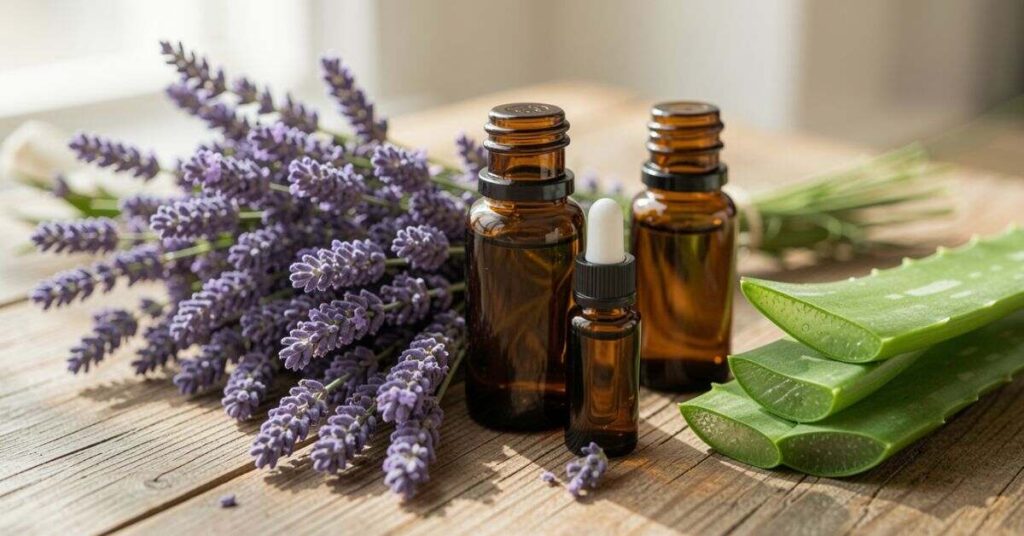
Choosing the best essential oil for burns depends on several factors, including the type of burn, healing stage, skin sensitivity, and the purpose of use. Some essential oils contain natural compounds that researchers have studied for their potential soothing, antioxidant, and skin-supporting properties.
However, essential oils are not suitable for every burn situation. Fresh burns, open wounds, severe injuries, and infected areas require proper medical care instead of home treatments. Essential oils are generally considered a supportive option during the recovery stage when the skin has started healing.
The quality of the oil, correct dilution, and application method also play an important role. A highly concentrated essential oil may irritate damaged skin, while a properly diluted oil may provide a more comfortable skincare experience.
People often search for products such as essential oil for burns doterra or essential oils for burns Young Living because these brands are popular in aromatherapy. However, the most important factors are purity, safe usage, and whether the oil is appropriate for the individual’s skin condition.
Below are some commonly used essential oils that people consider for minor burn support and skin recovery.
Lavender Essential Oil for Burns
Lavender essential oil for burns is one of the most widely discussed options because of its gentle nature and long history in skincare practices. This essential oil contains natural compounds such as linalool and linalyl acetate, which researchers have studied for their calming and skin-supporting properties.
Many people choose lavender oil during burn recovery because it may help:
- Support skin comfort
- Reduce feelings of irritation
- Maintain moisture in recovering skin
- Create a soothing skincare routine
Lavender oil is often considered one of the milder essential oils, but it should still be diluted before use. Applying pure lavender oil directly to damaged skin may increase sensitivity.
Some research has explored lavender’s possible role in wound healing, but it does not mean lavender can replace proper burn treatment. Cooling the burn, protecting the skin, and preventing infection remain the first priorities.
For people interested in lavender oil for burns Mayo Clinic information, medical sources generally emphasize evidence-based burn care first. Lavender may be considered a complementary skincare option after proper healing begins.
Chamomile Essential Oil for Burns
Chamomile essential oil is popular in natural skincare because of its gentle and calming properties. It contains plant compounds that have been studied for their relationship with irritated and sensitive skin.
Chamomile oil may support burn recovery by helping:
- Maintain a comfortable skin feeling
- Soothe temporary redness
- Support a gentle skincare routine
- Provide antioxidant benefits
Roman chamomile is often preferred in skincare because it is considered softer compared with some stronger essential oils.
However, people with allergies to plants in the daisy family should use caution. Skin reactions can occur even with natural products, especially when the skin barrier is weakened after a burn.
Chamomile oil should always be diluted and used only when the skin is suitable for topical care.
Tea Tree Essential Oil for Burns
Tea tree essential oil contains terpinen-4-ol, a compound that researchers study for its antimicrobial properties. This oil is also well known for its natural cleansing effects.
Some people consider tea tree oil during burn recovery because maintaining clean skin is important while the area heals. However, tea tree oil can be irritating when applied incorrectly.
Tea tree oil should only be considered when:
- The burn is no longer fresh
- The skin surface has healed
- The oil is properly diluted
- No irritation occurs during testing
It should not be applied directly to open burns because concentrated tea tree oil may cause discomfort or sensitivity.
For damaged skin, gentle care is usually more beneficial than using strong essential oils.
Peppermint Essential Oil for Burns
Peppermint essential oil contains menthol, which creates a cooling sensation on the skin. Because of this refreshing effect, some people consider peppermint oil for burn discomfort.
However, the cooling feeling does not mean the burn is healing faster. Peppermint oil is a strong essential oil and may irritate sensitive or damaged skin.
Potential uses may include:
- Supporting a refreshing skincare experience
- Adding a cooling sensation when properly diluted
- Providing aromatic benefits
Avoid using peppermint oil on:
- Fresh burns
- Open wounds
- Broken skin
- Sensitive areas
A cooling sensation should not be confused with actual treatment of burn damage.
Eucalyptus Essential Oil for Burns
Eucalyptus essential oil is recognized for its strong aroma and contains eucalyptol, a compound studied for various biological effects.
Although eucalyptus oil is popular in wellness products, it is not usually the first choice for burned skin because of its strength. Some people may experience irritation, especially when applying it to sensitive areas.
Eucalyptus oil requires extra caution because:
- It can feel intense on skin
- It may trigger sensitivity
- It is unsuitable for many fresh injuries
Children and pets should also be protected from accidental exposure because eucalyptus oil can create health risks if misused.
Frankincense Essential Oil for Burns
Frankincense essential oil is commonly used in natural skincare because of its connection with healthy-looking skin. It contains aromatic compounds that may support skin comfort and appearance.
During the recovery stage, diluted frankincense oil may help:
- Maintain skin softness
- Support hydration
- Improve the appearance of recovering skin
Many people include frankincense in routines focused on mature skin, dryness, and uneven texture.
However, frankincense oil cannot remove burn damage or completely prevent scars. It works best as part of a broader skincare approach after the skin has healed.
Helichrysum Essential Oil for Burns
Helichrysum essential oil is a popular choice among people interested in natural scar and skin care. It contains plant compounds that may provide antioxidant support.
People often use helichrysum oil because they believe it may help:
- Support smoother-looking skin
- Maintain skin hydration
- Improve the appearance of marks after healing
Research specifically on helichrysum oil for burns remains limited, so expectations should remain realistic.
It may support general skincare, but it cannot replace medical treatments for serious burns or deep scars.
Juniper Essential Oil for Burns
Juniper essential oil has a fresh herbal aroma and is traditionally used in wellness practices. It contains natural compounds that have been studied for antioxidant and cleansing properties.
Although juniper oil may have general skincare uses, it is not among the most commonly recommended essential oils for burns.
If used during recovery, it should be:
- Properly diluted
- Tested before wider application
- Avoided on sensitive or damaged skin
People with allergies or highly reactive skin should be especially careful.
Oregano Essential Oil for Burns
Oregano essential oil is one of the strongest essential oils because it contains compounds such as carvacrol and thymol. These compounds are known for powerful antimicrobial activity.
Despite its popularity in natural health, oregano oil is usually too harsh for burned skin. It can cause:
- Burning sensations
- Redness
- Skin irritation
- Allergic reactions
Oregano oil should not be applied to fresh burns or open wounds.
Gentler options are generally more suitable when caring for sensitive recovering skin.
Geranium Essential Oil for Burns
Geranium essential oil is commonly used in skincare because of its floral aroma and balancing properties. It may help support a healthy-looking skin barrier when properly diluted.
Potential skincare benefits include:
- Supporting moisture balance
- Helping maintain soft skin texture
- Adding antioxidant compounds to skincare routines
Geranium oil may be suitable for some people during recovery, but patch testing remains important because individual reactions vary.
Manuka Essential Oil for Burns
Manuka essential oil comes from the New Zealand manuka plant and has gained attention because of its potential antimicrobial properties.
Some people consider manuka oil for skin support because it may help maintain a cleaner skin environment during recovery.
However, it should only be used:
- After proper healing begins
- In diluted form
- On suitable skin areas
Manuka oil is not a replacement for professional wound care, especially for serious burns.
Quick Comparison of Essential Oils for Burns
| Essential Oil | Common Reason People Use It | Safety Consideration |
| Lavender | Skin comfort and calming support | Dilute before use |
| Chamomile | Gentle skincare support | Avoid if allergic |
| Tea Tree | Cleansing properties | Avoid on open burns |
| Peppermint | Cooling sensation | May irritate sensitive skin |
| Frankincense | Skin appearance support | Use only during recovery |
| Helichrysum | Scar-care routines | Evidence is limited |
| Oregano | Strong antimicrobial properties | Usually too harsh for burns |
How to Use Essential Oils for Burns Safely
Using an essential oil for burns requires careful attention because burned skin is more delicate than normal skin. A burn damages the protective outer layer of the skin, which means it can react more strongly to concentrated ingredients. Even natural products can cause irritation when they are applied incorrectly.
The safest way to use essential oils depends on the burn stage, skin condition, and type of oil selected. Fresh burns need immediate first aid, while essential oils may only be considered during later recovery when the skin has started repairing itself.
Essential oils should always be treated as a supportive skincare option, not a replacement for proper burn treatment. Cooling the burn, preventing infection, protecting the wound, and following medical advice remain the most important steps.
A safe approach includes choosing a suitable oil, using correct dilution, performing a patch test, and avoiding application on open or severe burns.
Using Essential Oils for Fresh Burns
Fresh burns require immediate care rather than essential oil application. The first few minutes after a burn are important because reducing heat exposure can help limit further skin damage.
The recommended first steps for a fresh minor burn include:
- Place the affected area under cool running water
- Continue cooling for around 20 minutes
- Remove tight items such as rings or jewelry near the burned area
- Protect the skin with a clean covering if needed
Applying essential oils immediately after a burn is not recommended because concentrated plant compounds may irritate damaged skin. Oils can also interfere with the cooling process by creating a barrier over the skin.
Many people search for the best oil for burns after an injury, but the first priority should always be proper first aid. Natural oils are more suitable during the recovery stage rather than the emergency stage.
Essential oils such as lavender or chamomile may be considered later when:
- The skin surface has closed
- The area is no longer hot
- No infection signs are present
- The burn is healing normally
Fresh burns, blistered areas, and open wounds should not be treated with essential oils without professional guidance.
Using Essential Oils During Burn Recovery
The recovery stage is when some people consider adding essential oils to their skincare routine. During this phase, the main goal is supporting skin comfort, maintaining moisture, and protecting newly healed skin.
A recovering burn may experience:
- Dryness
- Tightness
- Mild sensitivity
- Uneven skin texture
Properly diluted essential oils may help create a soothing skincare routine. Oils commonly used during recovery include lavender, frankincense, and helichrysum because they are traditionally associated with skin support.
During recovery:
- Apply only diluted oils
- Use a small amount first
- Avoid rubbing healing skin aggressively
- Stop use if irritation develops
Essential oils may support the appearance and comfort of healed skin, but they cannot rebuild damaged tissue or guarantee scar prevention.
The healing process depends on factors such as burn depth, nutrition, hydration, age, and overall health. A gentle approach gives the skin the best chance to recover naturally.
How to Dilute Essential Oils Properly
Proper dilution is one of the most important safety steps when using essential oils on the skin. Essential oils are highly concentrated extracts, and applying them directly may increase the risk of irritation, especially on sensitive areas.
A diluted mixture combines a small amount of essential oil with a carrier oil. This reduces concentration while allowing the skin to receive the aromatic and skincare properties of the oil.
General dilution guidelines:
| Skin Sensitivity | Recommended Dilution |
| Very sensitive or recovering skin | Around 1% dilution |
| Normal adult skin | Around 1–2% dilution |
| Strong essential oils | Lower dilution recommended |
For sensitive burn recovery, a lower concentration is usually a safer choice.
Examples:
- 1 drop essential oil mixed with 1 teaspoon carrier oil
- 2 drops essential oil mixed with 1 tablespoon carrier oil
Strong oils such as oregano, cinnamon, peppermint, and clove require extra caution because they can cause discomfort even at low concentrations.
Always prepare a small amount first and test the mixture before regular use.
Best Carrier Oils for Burns
Carrier oils help dilute essential oils and provide additional moisture to the skin. Choosing a gentle carrier oil is important because recovering skin often needs hydration without unnecessary irritation.
Common carrier oils include:
| Carrier Oil | Potential Benefits |
| Jojoba Oil | Lightweight and suitable for many skin types |
| Coconut Oil | Helps soften dry skin and maintain moisture |
| Sweet Almond Oil | Provides gentle nourishment |
| Rosehip Oil | Commonly used in scar-care routines |
| Castor Oil | Thick moisturizing oil used in traditional skincare |
Many people search for castor oil for burns because of its rich texture. However, it should not be applied to fresh burns, open wounds, or actively irritated skin.
Similarly, coconut oil for burns is frequently discussed online because of its moisturizing properties. However, immediate burn care should focus on cooling first. Heavy oils should only be considered after the skin has recovered and no signs of irritation remain.
The best carrier oil is one that feels comfortable on the skin and does not cause sensitivity.
DIY Essential Oil Blend for Burns
A gentle essential oil blend may be used during the later recovery stage when the burn has completely healed. The purpose of a blend should be supporting skin comfort rather than treating the burn itself.
Gentle Skin Recovery Blend
Ingredients:
- 1 tablespoon jojoba oil
- 1 drop lavender essential oil
- 1 drop frankincense essential oil
Method:
- Mix the oils in a clean glass container.
- Apply a small amount to healed skin.
- Massage gently without pressure.
- Stop immediately if irritation occurs.
This blend may help support:
- Skin moisture
- Comfortable skin texture
- A calming skincare routine
Avoid applying this mixture to:
- Fresh burns
- Open wounds
- Infected areas
- Severe burns
A careful application method helps reduce risks and allows essential oils to remain a supportive part of a safe recovery routine.
Read More:https://pureoilshub.com/essential-oils-for-weight-loss/
Types of Burns and When Essential Oils May Help
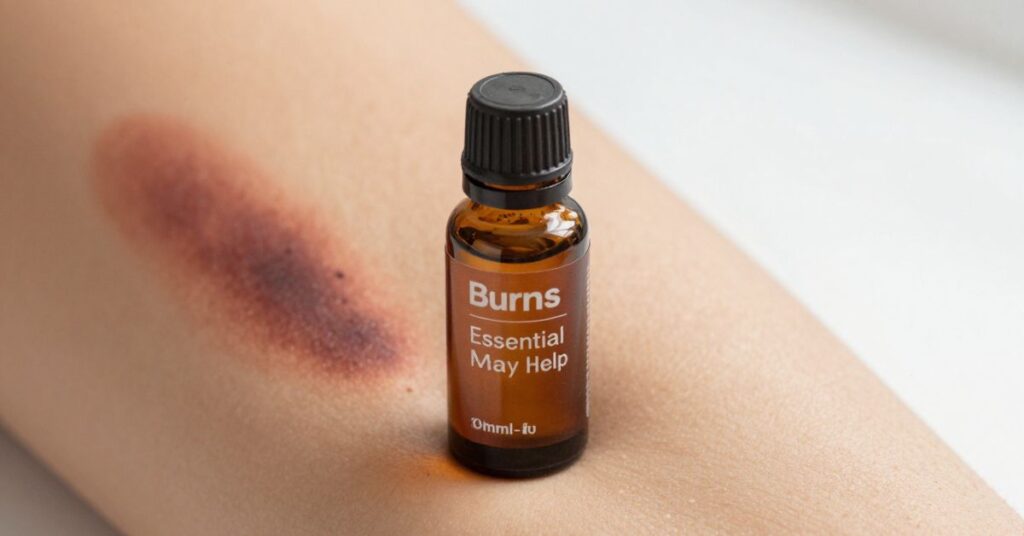
Understanding the type of burn is one of the most important steps before considering an essential oil for burns. Not all burns affect the skin in the same way. Some injuries only damage the outer layer of skin, while others can affect deeper tissues and require professional treatment.
Burn classification usually depends on the depth of skin damage, the size of the affected area, and the symptoms that appear. A mild burn may recover with proper first aid and gentle aftercare, while a serious burn can become dangerous without medical attention.
Essential oils may have a supportive role only in specific situations, mainly during the later stages of minor burn recovery. They should never delay emergency care or replace proven treatments.
Knowing when essential oils may help and when they should be avoided allows people to make safer decisions for their skin.
First-Degree Burns
First-degree burns are the mildest type of burn because they usually affect only the outer layer of the skin, known as the epidermis. These burns often happen after brief exposure to hot objects, mild sunburn, or small heat-related accidents.
Common signs of first-degree burns include:
- Redness on the affected area
- Mild swelling
- Tenderness or sensitivity
- A warm feeling on the skin
- No open wounds or deep tissue damage
Most first-degree burns improve within several days with proper care. The first step involves cooling the skin with clean running water and avoiding products that may trap heat.
During the recovery stage, some people may consider a diluted essential oil for burns to support skin comfort. Oils such as lavender or chamomile are commonly used because they are associated with soothing skincare benefits.
However, essential oils should only be applied when:
- The skin surface is intact
- The burn is no longer hot or actively irritated
- No signs of infection are present
Gentle moisturization and protection remain more important than adding extra products.
Second-Degree Burns
Second-degree burns are more serious because they damage both the outer skin layer and part of the underlying skin tissue. These burns often require more careful monitoring because they can take longer to heal.
Common symptoms include:
- Blisters on the skin
- Strong pain or sensitivity
- Swelling
- Bright redness
- Moist or damaged skin appearance
Second-degree burns are divided into different levels depending on how deeply the injury affects the skin. Some minor cases may heal with proper medical guidance, while deeper burns may require specialized treatment.
People should avoid applying essential oils directly to second-degree burns, especially when blisters are present. Concentrated oils may irritate exposed tissue and increase discomfort.
During recovery, a healthcare professional may recommend suitable wound care products. Once the skin has completely healed, gentle skincare options may be considered for dryness or scar appearance.
The priority with second-degree burns is protecting the wound, preventing infection, and supporting proper healing.
Burns That Require Medical Treatment
Some burns are too severe for home care and require immediate medical attention. In these situations, using an essential oil for burns can create unnecessary risks because serious injuries need professional evaluation.
Medical treatment may be necessary for burns that:
- Cover a large area of the body
- Affect deep layers of skin
- Cause white, black, or charred skin
- Create severe swelling or intense pain
- Occur on sensitive body areas
A person should seek urgent medical help for burns involving the:
- Face
- Hands
- Feet
- Genitals
- Major joints
Chemical and electrical burns also require professional care because the damage may extend beyond what is visible on the skin surface.
Warning signs that need medical attention include:
- Increasing redness around the burn
- Pus or unusual discharge
- Fever
- Worsening pain
- Red streaks spreading from the injury
Essential oils may be useful as part of general skincare after proper healing, but they cannot repair severe tissue damage or treat serious complications.
Risks and Safety Tips for Using Essential Oils on Burns
Although many people explore an essential oil for burns because of its natural origin and potential skin benefits, safety should always come first. Burned skin is more fragile than normal skin, and applying the wrong product can increase irritation, delay healing, or trigger an unwanted reaction.
Essential oils contain highly concentrated plant compounds. Even oils that are considered gentle may cause problems when they are applied incorrectly, used in high amounts, or placed on damaged skin.
The safest approach involves choosing suitable oils, using proper dilution, avoiding fresh wounds, and understanding personal skin sensitivity. A natural product does not automatically mean it is safe for every person or every type of burn.
Before using any essential oil, consider the burn stage, the individual’s health condition, and possible risks.
Possible Side Effects
Essential oils can cause skin reactions, especially when they are used on sensitive or healing areas. Burned skin may absorb ingredients differently because the protective barrier has already been weakened.
Possible side effects include:
- Skin irritation
- Burning or stinging sensations
- Redness or increased sensitivity
- Itching
- Dryness
- Allergic reactions
Some essential oils contain strong compounds that may be too harsh for damaged skin. For example, oregano, cinnamon, peppermint, and eucalyptus oils can feel intense and may increase discomfort when used incorrectly.
A person’s reaction can also depend on:
- Skin type
- Oil concentration
- Application method
- Frequency of use
- Existing allergies
If irritation appears after applying an essential oil, stop using it immediately and gently clean the area if needed.
Using a lower concentration and selecting mild oils may reduce the chance of unwanted reactions.
Essential Oils to Avoid on Open Burns
Open burns need special care because damaged skin loses its natural protection and becomes more sensitive to irritation and infection. Experts generally advise people to avoid applying concentrated essential oils directly to open wounds.
Certain essential oils are especially unsuitable for fresh or open burns because they can create strong sensations or irritation.
Essential oils to avoid on open burns include:
- Oregano essential oil – Very concentrated and potentially irritating
- Cinnamon essential oil – Can cause strong skin reactions
- Peppermint essential oil – May create intense cooling or burning sensations
- Eucalyptus essential oil – May irritate sensitive tissue
- Clove essential oil – Contains powerful compounds that may cause sensitivity
Even popular options like lavender oil should not be applied directly to a fresh burn without proper dilution and guidance.
The safest approach is to allow the wound to heal properly before considering essential oils as part of a skincare routine.
How to Perform a Patch Test
A patch test helps determine whether your skin reacts negatively to an essential oil before using it on a larger area. This step is especially important for people with sensitive skin or a history of allergies.
Follow these steps:
- Dilute the essential oil with a suitable carrier oil.
- Apply a small amount to an unaffected skin area.
- Wait at least 24 hours to check for reactions.
- Avoid using the oil if redness, itching, swelling, or irritation appears.
A patch test does not guarantee complete safety, but it can reduce the risk of unexpected skin reactions.
People should be especially careful when trying a new oil after a burn because healing skin may react differently compared with normal skin.
Safety for Children and Pregnant Women
Extra caution is necessary when using essential oils around children and during pregnancy. Essential oils are highly concentrated, and some oils may not be suitable for young children or pregnant individuals.
For children, the risks are higher because:
- Their skin is more sensitive
- Their bodies process substances differently
- Accidental ingestion can be dangerous
Pregnant women should also avoid using certain essential oils without professional guidance because some oils may not be recommended during pregnancy.
Before using an essential oil for burns, parents and pregnant individuals should consider:
- The person’s age
- The essential oil type
- The dilution level
- Medical advice when needed
Gentle burn care methods, such as cooling the area and protecting the skin, remain the safest first steps.
Who Should Avoid Essential Oils for Burns?
While some people may tolerate diluted essential oils well, others should avoid them completely or consult a healthcare professional before use.
Certain groups have a higher risk of irritation or complications.
Children and Babies
Babies and young children have delicate skin that can react more strongly to concentrated plant extracts. Many essential oils that are acceptable for adults may not be appropriate for infants.
Avoid applying essential oils to:
- Baby skin
- Children’s burns
- Areas near the nose or mouth
- Large skin surfaces
If a child experiences a burn, proper first aid and medical guidance should come before using any natural remedy.
Pregnant or Breastfeeding Women
Pregnancy and breastfeeding require additional safety considerations because some essential oils may not be suitable during these stages.
Pregnant or breastfeeding women should:
- Avoid experimenting with strong essential oils
- Use only properly diluted products
- Ask a healthcare professional when uncertain
A healthcare provider can help determine whether a specific essential oil is appropriate.
People with Sensitive Skin
Individuals with sensitive skin, eczema-prone skin, or previous allergic reactions may experience irritation from essential oils more easily.
Before using an oil, they should:
- Choose gentle options
- Perform a patch test
- Use very low dilution levels
- Stop immediately if irritation occurs
Sensitive skin needs fewer ingredients and a simpler care routine.
People with Severe Burns
People with severe burns should avoid using essential oils as a home treatment. Deep burns can damage nerves, tissues, and skin layers that require professional evaluation.
Medical attention is important for:
- Large burns
- Deep wounds
- Electrical burns
- Chemical burns
- Burns with infection symptoms
In these cases, essential oils may create additional risks and delay proper treatment.
The safest burn care approach combines immediate first aid, professional guidance when needed, and gentle aftercare during recovery.
Other Natural Remedies That May Support Burn Healing
While an essential oil for burns may be discussed as a supportive option during recovery, basic burn care remains the most important part of healing. The skin needs time, protection, and suitable conditions to repair itself. Natural remedies can sometimes support comfort, but they should not replace proven first-aid methods.
Many common home remedies focus on cooling the skin, maintaining moisture balance, and protecting the injured area from contamination. However, not every natural ingredient is safe for burns. Some popular remedies found online may actually trap heat, irritate damaged tissue, or increase the risk of infection.
The best approach combines gentle care with evidence-based practices. For minor burns, simple steps often provide the greatest benefit. For more serious injuries, medical guidance becomes essential.
The following natural and supportive remedies may help during appropriate stages of burn recovery.
Aloe Vera
Aloe vera is one of the most commonly used natural remedies for minor burns because of its cooling and moisturizing properties. The gel inside the aloe vera plant contains water, vitamins, minerals, and plant compounds that may help soothe irritated skin.
Many people use aloe vera after minor burns because it may:
- Provide a cooling sensation
- Help maintain skin moisture
- Reduce feelings of dryness
- Support a comfortable healing environment
Research has explored aloe vera’s role in wound care and skin recovery, with some studies suggesting potential benefits for minor burn healing. However, the quality of aloe vera products matters. Pure aloe vera gel is generally preferred over products containing alcohol, artificial fragrance, or unnecessary additives.
When using aloe vera for a burn:
- Choose a clean, gentle gel
- Avoid applying it to deep or infected wounds
- Stop use if irritation appears
- Keep the area protected after application
Aloe vera can work well as part of a simple burn-care routine, especially for mild surface burns.
Cool Running Water
One of the most important steps after a minor burn is cooling the affected area with cool running water. This simple method helps remove heat from the skin and may limit further tissue damage.
The recommended approach includes:
- Holding the burned area under cool running water
- Continuing for about 20 minutes
- Avoiding ice because extreme cold can damage the skin
- Removing tight jewelry or clothing near the burn
Cool water works by lowering skin temperature and reducing discomfort. It is often more beneficial immediately after a burn than applying oils, creams, or natural products.
People sometimes search for the best oil for burns first, but immediate cooling should always come before any topical product. The early response can significantly affect recovery.
After cooling, the burn can be covered and monitored. If symptoms become worse or signs of serious damage appear, medical advice should be sought.
Sterile Burn Dressings
A sterile burn dressing helps protect injured skin from bacteria, friction, and external irritation. Covering a burn properly can create a cleaner environment that supports natural healing.
Benefits of sterile dressings may include:
- Protecting the wound surface
- Reducing contamination risk
- Preventing rubbing against clothing
- Helping maintain a suitable healing environment
For minor burns, a clean non-stick dressing may provide comfort and protection. The dressing should be changed according to proper care instructions to keep the area clean.
Avoid using materials that stick tightly to the burn because removing them can damage healing skin.
Sterile dressings are especially important when the skin has blistering or sensitivity. They provide a safer alternative than applying multiple products at once.
A simple routine with cooling, protection, and cleanliness often supports healing better than complicated mixtures.
Remedies to Avoid
Many people share home remedies for burns online, but some remedies can worsen irritation or slow the healing process. A product being natural does not always mean it is suitable for damaged skin.
Avoid applying these common household substances to fresh burns:
| Remedy | Why It May Be Harmful |
| Butter | Can trap heat and increase contamination risk |
| Toothpaste | May contain irritating ingredients and fragrances |
| Ice directly on skin | Can cause additional cold injury |
| Undiluted essential oils | May irritate damaged tissue |
| Heavy oils immediately after burns | May trap heat before the skin cools |
Using products too quickly after a burn can interfere with the body’s natural cooling process.
For example, people often discuss coconut oil for burns because of its moisturizing properties. However, avoid applying coconut oil immediately after a fresh burn because cooling the skin should come first. People may use coconut oil later only after the skin recovers and shows no signs of irritation.
Safe burn care focuses on protecting the skin, preventing complications, and allowing proper healing.
When Should You See a Doctor for a Burn?

Although some minor burns may improve with proper first aid and gentle aftercare, certain burns require professional medical attention. Understanding when to seek help is essential because serious burns can damage deeper tissues, increase infection risk, and create long-term complications.
Many people search for an essential oil for burns because they prefer natural solutions, but essential oils should never delay medical treatment when a burn appears severe. A healthcare professional can evaluate the depth of the injury and recommend appropriate care.
You should consider medical advice when the burn:
- Covers a large area of skin
- Causes severe pain or swelling
- Looks deep or damaged
- Shows signs of infection
- Results from chemicals or electricity
- Affects sensitive body areas
Early treatment can improve healing outcomes and reduce the chance of complications.
Signs of Infection
A burn can become infected when bacteria enter damaged skin. Infection may slow the healing process and create additional health risks when people do not treat it properly.
Common signs of a burn infection include:
- Increasing redness around the burned area
- Swelling that becomes worse over time
- Pus or unusual fluid discharge
- Bad smell from the wound
- Fever or chills
- Increasing pain after the burn seemed to improve
- Red lines spreading away from the injury
A healthy healing process usually shows gradual improvement.If symptoms become worse instead of improving, seek advice from a healthcare professional to evaluate the burn properly.
Experts advise people to avoid applying essential oils or other natural products to infected burns because these options cannot treat serious infections. Medical treatment may require specific wound care or medication.
Keeping the area clean, covered when needed, and monitored regularly helps identify problems early.
Deep or Large Burns
Deep or large burns require medical evaluation because they can affect multiple layers of skin and sometimes underlying tissues. These burns may not heal properly without specialized treatment.
Seek medical care for burns that:
- Appear white, black, or charred
- Cause numbness or loss of sensation
- Cover a large portion of the body
- Create severe blistering
- Damage deeper skin layers
Large burns can also lead to fluid loss, scarring, and other complications. Professional care helps manage pain, protect the wound, and support proper recovery.
People should avoid experimenting with home remedies or an essential oil for burns when dealing with serious injuries. Even natural ingredients can affect the healing process when people apply them incorrectly.
A healthcare provider can determine the safest recovery plan based on the burn’s severity.
Chemical and Electrical Burns
Chemical and electrical burns differ from typical heat burns because the damage can continue beneath the skin’s surface even after the initial injury. These types of burns may cause deeper tissue damage, making early care and proper evaluation important.
Chemical Burns
These burns can happen when the skin comes into contact with harmful substances such as strong acids, cleaning chemicals, or industrial materials. Unlike simple heat burns, chemical injuries may keep damaging the tissue until the substance is removed completely. Proper first aid and quick action can help reduce further skin damage.
Immediate steps include:
- Removing contaminated clothing carefully
- Rinsing the affected area with clean running water
- Avoiding neutralizing chemicals unless instructed by professionals
- Seeking medical advice for serious exposure
Electrical Burns
Electrical burns may appear small on the outside but can cause internal tissue damage. Electricity can affect muscles, nerves, and internal organs.
Medical attention is important after electrical burns, especially when the person experiences:
- Loss of consciousness
- Breathing difficulties
- Chest discomfort
- Muscle weakness
- Severe pain
Avoid using essential oils for chemical or electrical burns because these injuries need professional evaluation and proper medical care.
Burns on Sensitive Areas
Some burns need medical attention because of their location, even if they appear small. Certain body areas have greater risks related to movement, appearance, or important functions.
Seek medical care for burns affecting:
- Face and eyes
- Hands and fingers
- Feet
- Genital areas
- Major joints
Burns near the eyes are especially serious because incorrect treatment may cause additional harm. Hand burns can also affect movement and daily activities if they heal improperly.
Sensitive-area burns may require specialized wound care to protect function and reduce scarring.
While gentle skincare products may be useful after complete healing, the priority is proper medical assessment during the early stages.
A safe approach to burn care always begins with understanding the injury severity. Minor burns may recover with careful home treatment, while serious burns require professional support. People should consider natural options, including essential oils for burns, only as supportive care when these options suit their needs and safety guidelines.
Final Thoughts
Using an essential oil for burns can be a topic of interest for people looking for natural ways to support skin comfort and recovery. Certain essential oils, such as lavender, chamomile, and frankincense, contain plant compounds that have been studied for their potential soothing and skin-supporting properties.
However, people should always use essential oils with caution because their concentrated compounds can irritate the skin. Essential oils cannot replace proper burn treatment.The most important steps after a burn include cooling the area with clean running water, protecting the skin, preventing infection, and seeking medical care when necessary.
For minor burns that have already started healing, properly diluted essential oils may become part of a gentle skincare routine. Choosing the right oil, using a suitable carrier oil, and performing a patch test can help reduce the risk of irritation.
It is also important to remember that natural remedies work differently for every person. An oil that feels comfortable for one individual may not suit another person’s skin. Burn depth, healing stage, allergies, and overall health all influence how the skin responds.
When people search for the best oil for burns or natural scar-support options, they should focus on safe practices rather than quick fixes. No essential oil can instantly heal a burn, remove scars completely, or replace professional wound care.
A balanced approach combines proper first aid, medical guidance when needed, and gentle aftercare during recovery. Essential oils may offer supportive benefits, but protecting the skin and allowing natural healing remain the foundation of successful burn care.
By understanding the benefits, risks, and correct usage methods, people can make more informed decisions about including essential oils in their skincare routine after a burn.
FAQs:
What Is the Best Essential Oil for Burns?
There is no single best oil for burns because every burn and skin type is different. However, many people choose certain essential oils for gentle skincare routines because these oils offer soothing and skin-supporting benefits.
Lavender essential oil is one of the most popular options because researchers have studied its potential relationship with skin comfort and wound recovery. Many people use chamomile, frankincense, and helichrysum oils in natural skincare routines because of their soothing properties.
A suitable essential oil depends on:
- The burn healing stage
- Skin sensitivity
- Proper dilution method
- Individual reaction to the oil
For fresh burns, the priority is cooling the skin with running water and protecting the area. Essential oils should not replace first aid or medical treatment.
When the skin has fully healed, diluted essential oils may be considered as part of a gentle skincare routine. Always choose high-quality oils and avoid applying concentrated oils directly to damaged skin.
Can You Apply Essential Oils Directly to Burns?
No, experts do not recommend applying undiluted essential oils directly to burns. Essential oils contain highly concentrated compounds that may irritate damaged skin and increase discomfort.
Fresh burns have a weakened protective barrier, which means concentrated plant extracts can create:
- Burning sensations
- Increased redness
- Skin irritation
- Allergic reactions
If you use essential oils during recovery, dilute them with a suitable carrier oil and apply them only after the skin heals completely.
The safest approach includes:
- Cooling the burn with clean running water.
- Protecting the injured area.
- Allowing the skin to recover.
- Using diluted products only when appropriate.
Open wounds, severe burns, and infected areas should not be treated with essential oils at home without medical guidance.
What Is the Best Carrier Oil for Burns?
The best carrier oil depends on skin condition, personal preference, and the stage of recovery. Carrier oils help reduce the concentration of essential oils and may provide additional moisturizing benefits.
Common options include:
| Carrier Oil | Why People Use It |
| Jojoba oil | Lightweight and commonly used for sensitive skin |
| Coconut oil | Helps provide moisture and supports soft skin |
| Sweet almond oil | Offers gentle hydration |
| Rosehip oil | Often used in scar-focused skincare |
| Castor oil | Traditionally used for moisturizing routines |
Many people search for castor oil for burns because it is a thick, nourishing oil. However, it should not be applied to fresh burns, open wounds, or areas with active irritation.
Likewise, coconut oil for burns should only be considered after the skin has cooled and recovered. Immediate burn care should always focus on cooling and protection rather than applying heavy oils.
Can Essential Oils Help Prevent Burn Scars?
Essential oils cannot guarantee that burn scars will not develop. Scar formation depends on several factors, including burn depth, healing speed, genetics, and aftercare.
Some essential oils are used in skincare routines because they may support the appearance of healed skin. For example:
- Lavender oil may help support skin comfort
- Frankincense oil is often used for mature skin care
- Helichrysum oil is popular in natural scar-care routines
However, essential oils cannot remove existing scars or replace medical scar treatments.
To support healthy healing:
- Keep the wound protected
- Avoid picking healing skin
- Maintain proper moisture after closure
- Follow medical advice for deeper burns
Essential oils may support the appearance of skin after healing, but prevention mainly depends on proper burn management from the beginning.
Should You Cover a Burn After Applying Essential Oils?
If a burn is still healing, it is usually better to focus on proper wound protection rather than applying essential oils. Covering a burn can help protect the area from friction, bacteria, and environmental exposure.
For minor burns:
- Use clean, suitable dressings when needed
- Keep the area protected
- Follow proper hygiene practices
During the recovery stage, use diluted essential oils only on fully healed skin unless a healthcare professional advises a different approach.
Covering a burn immediately after applying thick oils may not always be beneficial because the skin may need appropriate airflow and monitoring.
The right approach depends on the burn condition, healing stage, and professional recommendations.
Which Essential Oils Should You Avoid for Burns?
Some essential oils are too strong for burned or sensitive skin and may increase irritation. These oils should be avoided, especially on fresh burns or open wounds.
Essential oils that require extra caution include:
- Cinnamon essential oil
- Oregano essential oil
- Clove essential oil
- Peppermint essential oil
- Eucalyptus essential oil
These oils contain powerful compounds that may cause discomfort when applied incorrectly.
Even oils considered gentle should be diluted and tested before use. A safe skincare routine focuses on protecting healing skin rather than using strong ingredients.
The goal of using an essential oil for burns should always be comfort and support, not replacing proper medical treatment.