Introduction:
Losing weight often requires a combination of healthy eating, regular movement, proper sleep, and long-term lifestyle changes. However, many people also explore natural approaches that may support their weight management journey. Essential oils for weight loss have gained attention because certain plant extracts may influence mood, cravings, stress levels, and daily habits that are connected with maintaining a healthy weight.
Essential oils are highly concentrated compounds extracted from plants such as grapefruit, lemon, peppermint, ginger, and lavender. These aromatic oils contain natural components that may interact with the senses, especially through inhalation. Some people use them to manage food cravings, improve relaxation, or create a more positive mindset while following a weight loss routine.
It is important to understand that essential oils are not a magic solution for losing fat. They cannot directly melt body fat or replace a balanced diet and exercise plan. Instead, they may work as a supportive tool by helping with factors that can make weight management easier, such as stress eating, low energy, and poor sleep habits.
Research on essential oils for weight loss is still developing. Some studies suggest that certain aromas may affect appetite-related behaviors, emotional eating patterns, or metabolic processes, but more human research is needed to confirm their long-term effects. Therefore, essential oils should be viewed as a complementary approach rather than a standalone weight loss method.
In this complete guide, you will learn how essential oils may support weight management, which oils are commonly used, how to use them safely, what science says about their benefits, and the mistakes to avoid. Whether you are searching for the best essential oils for weight loss, wondering about essential oils for belly fat, or exploring natural ways to support your fitness goals, this guide covers the practical information you need.
What Are Essential Oils and Can They Really Help with Weight Loss?
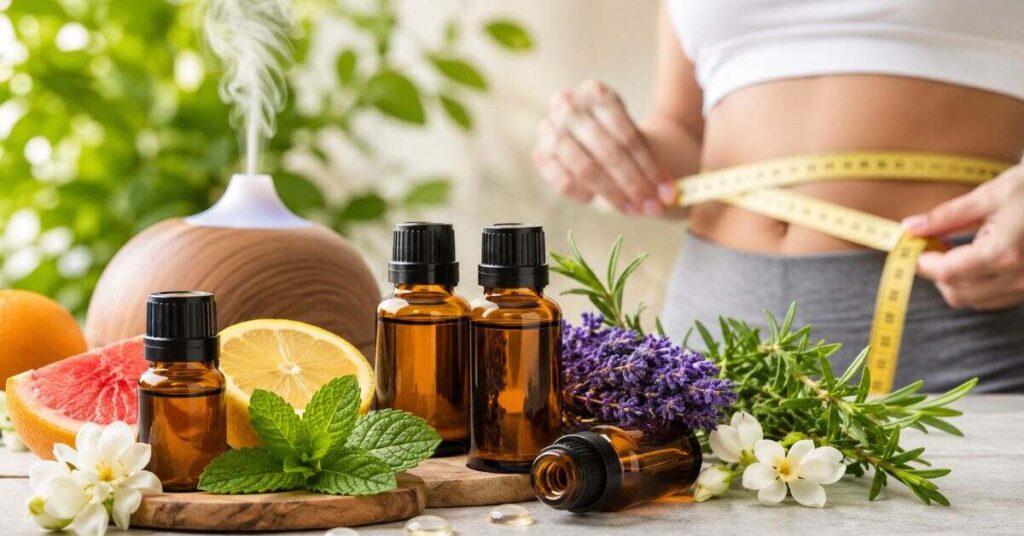
Essential oils are concentrated plant extracts created by removing aromatic compounds from flowers, leaves, fruits, roots, seeds, or bark. These natural compounds contain the unique scent and properties of the original plant. For centuries, people have used essential oils in aromatherapy, traditional wellness practices, skincare routines, and relaxation methods.
When it comes to essential oils for weight loss, many people use them as a supportive tool rather than a direct fat-burning solution. These oils may influence certain factors connected with weight management, such as appetite control, stress levels, emotional eating, energy, and motivation. For example, a calming aroma may help some people manage stress-related cravings, while an uplifting scent may encourage a more active lifestyle.
However, essential oils do not directly break down body fat or cause rapid weight reduction. Weight loss happens when the body maintains a healthy balance between calorie intake, physical activity, metabolism, and daily habits. Essential oils may support these areas indirectly by helping create a healthier routine.
Many people use popular essential oils, including grapefruit, peppermint, lemon, and ginger essential oils, in aromatherapy routines that support overall wellness and healthy weight management. Their natural compounds may provide benefits that support healthy behaviors, but results can vary from person to person.
How Essential Oils May Support Weight Management
Essential oils may support weight management through several pathways related to physical and emotional wellness. They do not act like traditional weight loss supplements, but they may help improve habits that influence long-term results.
Some possible ways essential oils may support a healthy weight include:
- Reducing food cravings: Certain aromas may help distract the mind from unnecessary snacking or frequent cravings. Peppermint aroma, for example, is often used by people who want a refreshing scent that may help reduce the desire for extra eating.
- Supporting emotional balance: Stress and emotions can strongly influence eating patterns. Relaxing oils like lavender and bergamot essential oil may help create a calmer environment, which can support better choices during stressful moments.
- Improving workout motivation: Energizing scents may help some people feel more focused before physical activity. Citrus-based oils, including lemon and grapefruit, are often used in aromatherapy routines designed to promote freshness and alertness.
- Encouraging mindful eating habits: Using a consistent aromatherapy routine can create a reminder to stay committed to healthy goals. This simple habit may improve awareness around eating behaviors.
- Supporting digestion comfort: Some essential oils, especially ginger and peppermint, are traditionally used for digestive support. Better digestive comfort may help people maintain healthier eating routines.
The idea behind using essential oils for weight loss and cellulite is not that oils remove cellulite or burn stored fat. Instead, some oils may support skin care routines, circulation-focused massage, and overall wellness habits that complement a balanced lifestyle.
People also search for methods such as essential oil for weight loss in belly button or a 7 days weight loss essential oil routine. These approaches usually involve applying diluted oils or using aromatherapy techniques. However, there is no strong scientific evidence proving that applying oil to the belly button specifically causes weight loss.
What Scientific Research Says About Essential Oils for Weight Loss
Scientific research on essential oils for weight loss remains limited, and experts continue to explore how plant compounds may affect the body. Current studies show that essential oils may support certain areas of weight management, but they cannot replace proven weight loss methods.
Some research has explored how certain essential oil aromas may affect appetite, stress hormones, mood, and metabolic activity. For example, citrus oils contain natural compounds such as limonene, which researchers have studied for its potential antioxidant and wellness-related effects.
Studies on aromatherapy suggest that pleasant scents may influence the brain areas connected with emotions and behaviors. Because stress and emotional eating often contribute to weight gain, improving relaxation and mood may indirectly support healthier choices.
Research has also examined specific oils for their possible effects:
| Essential Oil | Potential Area of Support | Current Research Status |
| Grapefruit Essential Oil | Mood, freshness, appetite-related behaviors | More human studies are needed |
| Peppermint Essential Oil | Alertness and cravings management | Limited evidence available |
| Ginger Essential Oil | Digestive comfort and wellness support | Traditional use is stronger than clinical proof |
| Lavender Essential Oil | Stress reduction and relaxation | Better researched for relaxation than weight loss |
| Cinnamon Essential Oil | Metabolic-related compounds | Requires more research for weight management |
Although some findings are promising, researchers have not confirmed that essential oils alone produce significant weight loss. Most available evidence focuses on individual compounds, animal studies, or small human studies rather than large clinical trials.
Therefore, the best way to understand essential oils is as a supportive wellness practice. They may help improve the habits and emotional factors that make weight management easier, but lasting results still depend on nutrition, movement, sleep, and consistency.
What Essential Oils Can and Cannot Do
Understanding the limits of essential oils is important before adding them to a weight management routine. Many online claims exaggerate what these oils can achieve, which can create unrealistic expectations.
Essential oils may help with:
- Creating a relaxing environment that supports stress management
- Reducing the urge to snack caused by emotions or boredom
- Improving mood and daily motivation
- Supporting self-care routines connected with healthy habits
- Adding a pleasant experience to exercise or wellness activities
Essential oils cannot:
- Burn belly fat directly
- Melt cellulite overnight
- Replace calorie control or physical activity
- Guarantee weight loss results
- Provide instant body transformation
Some people look for how to use essential oils for weight loss because they expect quick changes. However, successful weight management requires patience and consistency. Essential oils work best when combined with a complete approach that includes nutritious food, regular exercise, proper hydration, and healthy sleep habits.
A realistic approach focuses on using essential oils as a small part of a bigger lifestyle plan. When used correctly, they may provide emotional and sensory support that helps people stay motivated and committed to their goals.
Best Essential Oils for Weight Loss: Natural Oils That Support Healthy Habits
Choosing the best essential oils for weight loss depends on your personal wellness goals, including managing cravings, improving mood, reducing stress, and building healthier daily habits. Essential oils do not directly burn fat or replace a balanced diet and regular exercise, but some oils may support the behaviors that make weight management easier.
Certain aromas may help create a positive mindset, encourage relaxation, and support mindful choices. For example, refreshing citrus scents can make workouts feel more enjoyable, while calming floral aromas may help reduce stress-related eating patterns.
Many people use oils such as grapefruit, lemon, peppermint, ginger, lavender, and cinnamon as part of their wellness routines. These oils are popular in aromatherapy because their natural compounds may provide emotional and sensory benefits. However, scientific research on essential oils and direct weight loss remains limited.
Always choose high-quality essential oils from trusted sources and follow safe usage practices. Proper dilution, responsible application, and realistic expectations are important for getting the best experience from aromatherapy.
Grapefruit Essential Oil for Weight Management Support
Grapefruit essential oil is one of the most commonly used oils in wellness routines focused on weight management. It has a bright citrus aroma that many people find refreshing and motivating.
The oil contains limonene, a natural compound studied for its antioxidant properties. Although research does not prove that grapefruit essential oil directly causes fat loss, its uplifting scent may support healthy lifestyle habits.
Many people use grapefruit oil during exercise routines, meditation sessions, or moments when they experience unnecessary cravings. The fresh aroma may help create a positive environment that encourages better decisions.
Possible supportive benefits include:
- Improving mood and motivation
- Creating an energizing atmosphere
- Supporting mindful eating habits
- Encouraging consistency in healthy routines
Grapefruit oil is sometimes included in blends promoted for belly fat reduction, but topical use cannot target fat in specific areas. Sustainable weight management comes from overall lifestyle changes.
Lemon Essential Oil Benefits for Healthy Weight Goals
Lemon essential oil is popular because of its clean and refreshing fragrance. Many people use it in aromatherapy to create an energetic environment and support a positive mindset.
The natural compound limonene gives lemon oil its citrus scent and has been researched for antioxidant activity. However, current evidence does not confirm that lemon essential oil alone leads to weight loss.
Lemon oil can become a useful part of a wellness routine by making daily habits feel more enjoyable. Some people diffuse it during morning routines, workouts, or meal preparation.
Potential supportive uses include:
- Promoting a fresh and positive mood
- Supporting emotional wellness
- Encouraging healthy daily habits
- Making self-care routines more enjoyable
Some weight loss blends include lemon oil, but these products should support healthy choices rather than replace nutrition and exercise.
Bergamot Essential Oil for Stress and Emotional Eating Support
Bergamot essential oil offers a calming citrus aroma that many people use for relaxation and emotional balance. Since stress can influence food choices, managing stress may support healthier eating patterns.
Many people experience cravings during stressful situations. A calming aromatherapy routine with bergamot oil may help create a peaceful environment and encourage better decision-making.
Research on bergamot focuses mainly on mood and relaxation rather than direct weight loss effects. Its value comes from supporting emotional wellness, which plays an important role in maintaining healthy habits.
Potential benefits include:
- Reducing feelings of stress
- Supporting relaxation routines
- Creating a calming atmosphere
- Helping manage emotional triggers
Peppermint Essential Oil for Appetite and Energy Support
Peppermint essential oil is known for its cooling and refreshing aroma. Many people use it when they need improved focus, alertness, or a refreshing boost.
Some users believe peppermint oil may help control cravings because its strong scent creates a feeling of freshness. However, research does not confirm that peppermint oil directly reduces body weight.
The aroma may still support healthy routines by improving focus and making physical activity feel more enjoyable.
Common uses include:
- Supporting mental focus
- Creating a refreshing workout environment
- Helping with mindful eating practices
- Adding freshness to daily routines
Always dilute peppermint oil before applying it to the skin because its concentrated nature may cause irritation.
Ginger Essential Oil for Digestive Wellness and Weight Support
Ginger essential oil comes from ginger root and provides a warm, spicy aroma. People traditionally use ginger for digestive comfort and overall wellness.
Healthy digestion can support better lifestyle habits because digestive discomfort may affect eating routines. Ginger oil may provide aromatic support when combined with balanced nutrition.
Research mainly focuses on ginger compounds rather than essential oil-based weight loss results. More studies are needed to understand its specific effects.
Possible supportive benefits include:
- Supporting digestive comfort
- Creating a warming aromatherapy experience
- Complementing healthy meal habits
- Supporting overall wellness routines
Cinnamon Essential Oil for Metabolism Support and Healthy Habits
Cinnamon essential oil has a warm and spicy scent that makes it popular in seasonal and wellness blends. It contains natural compounds such as cinnamaldehyde, which researchers have studied for antioxidant and metabolic-related properties.
Although cinnamon oil is not a proven fat-burning solution, supporting balanced wellness habits may contribute to better weight management.
Potential uses include:
- Creating a comforting environment
- Supporting mindful lifestyle choices
- Adding warmth to aromatherapy blends
- Encouraging consistent routines
Because cinnamon oil is highly concentrated, always use proper dilution methods to avoid skin irritation.
Lavender Essential Oil for Relaxation and Weight Balance
Lavender essential oil is widely recognized for its calming aroma. While it does not burn fat, it may support weight management indirectly through relaxation and improved sleep habits.
Poor sleep and high stress can influence cravings and eating behaviors. A calming nighttime routine with lavender aromatherapy may help create healthier patterns.
Potential benefits include:
- Supporting relaxation
- Encouraging better sleep habits
- Reducing stress-related eating
- Improving emotional wellness
Sage Essential Oil for Mindful Weight Management Practices
Sage essential oil has a herbal aroma and is often used in wellness practices focused on relaxation and emotional balance.
Because emotions can influence eating behaviors, sage oil may support people who want to develop more mindful habits.
Possible uses include:
- Supporting emotional balance
- Creating a relaxing environment
- Adding variety to aromatherapy routines
- Encouraging self-care practices
Rose Essential Oil for Emotional Wellness and Healthy Routines
Rose essential oil provides a beautiful floral aroma that many people associate with relaxation and comfort. It may support emotional wellness by creating a peaceful self-care experience.
Since emotional eating can happen during stressful moments, calming routines may help people respond to triggers in healthier ways.
Potential benefits include:
- Promoting relaxation
- Supporting self-care habits
- Creating calming daily rituals
- Encouraging emotional balance
Rose oil is highly concentrated, so proper dilution is important for safe use.
Benefits of Using Essential Oils for Weight Loss
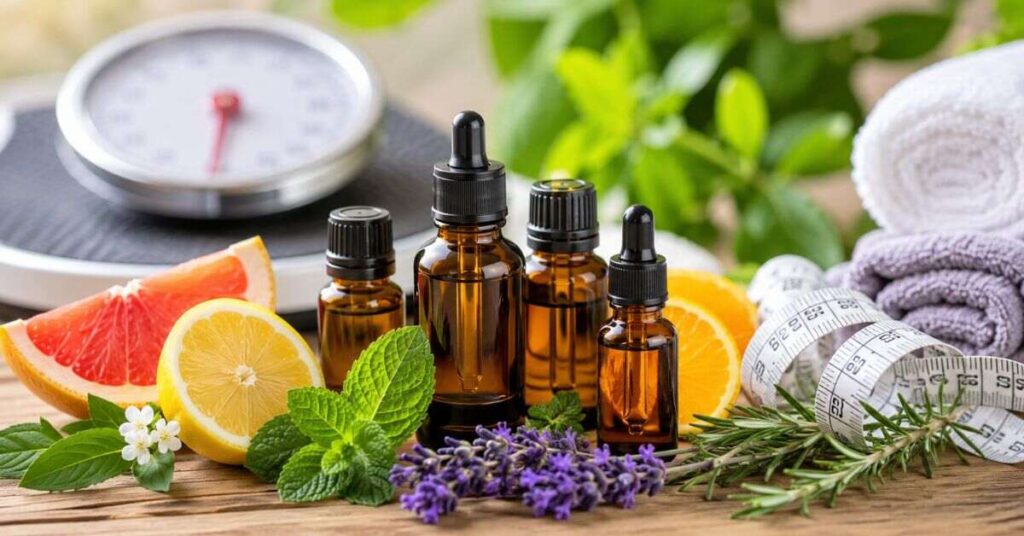
Using essential oils for weight loss may provide supportive benefits that help people maintain healthier habits and stay consistent with their wellness goals. Although essential oils do not directly burn fat or create instant weight loss results, they may influence factors that are closely connected with weight management, such as cravings, stress, mood, digestion, and sleep quality.
Weight gain is not always caused by food choices alone. Emotional stress, lack of sleep, low motivation, and unhealthy routines can also affect how people eat and live. Essential oils may help address some of these challenges by creating a calming environment, supporting relaxation, or encouraging positive daily habits.
The effectiveness of essential oils depends on how they are used and combined with other healthy practices. When included as part of a balanced lifestyle, they may become a useful addition to a complete weight management plan.
May Help Control Appetite and Cravings
One of the most common reasons people explore essential oils for weight loss is to manage frequent cravings and unnecessary snacking. Certain aromas may influence the brain areas linked with emotions, habits, and food-related behaviors.
Strong or refreshing scents, such as peppermint and grapefruit essential oil, are often used in aromatherapy routines because they may help people feel more aware of their eating patterns. For some individuals, inhaling a pleasant aroma during a craving may provide a moment to pause and make a healthier choice.
Essential oils may support appetite management by:
- Creating a mindful eating routine instead of automatic snacking
- Helping reduce boredom-related eating habits
- Providing a refreshing alternative during craving moments
- Supporting emotional awareness around food choices
However, essential oils do not suppress hunger in the same way as medical treatments or dietary strategies. Natural hunger is a normal signal from the body, and a healthy weight loss plan should focus on balanced nutrition rather than avoiding food completely.
Some people search for essential oils for belly fat because they want targeted fat reduction. However, essential oils cannot specifically remove fat from one area of the body. They may only support behaviors that contribute to overall weight management.
May Improve Mood and Reduce Emotional Eating
Emotional eating is one of the biggest challenges many people face during weight loss. Stress, anxiety, sadness, or frustration can lead to eating more high-calorie foods, even when the body does not need extra energy.
Certain essential oils may support emotional balance through aromatherapy. For example, bergamot, lavender, and rose essential oils are commonly used for relaxation because their scents may create a more peaceful environment.
Improving mood may help people:
- Handle stress without relying on food for comfort
- Maintain motivation during a weight loss journey
- Build healthier responses to emotional triggers
- Feel more positive about lifestyle changes
A calming essential oil routine before meditation, journaling, or bedtime may help create a healthier mindset. When combined with proper nutrition and exercise, emotional support can make weight management more sustainable.
May Support Better Digestion
Healthy digestion plays an important role in overall wellness and can affect how comfortable people feel after meals. Some essential oils are traditionally used in aromatherapy practices related to digestive comfort.
Ginger essential oil and peppermint essential oil are commonly chosen because of their refreshing and warming properties. Their aromas may help create a relaxing experience after meals or during self-care routines.
Supporting digestion may help people maintain healthier habits by:
- Improving comfort after eating
- Encouraging a balanced meal routine
- Supporting relaxation around food habits
- Helping people feel more connected with their body signals
It is important to remember that essential oils do not replace medical treatment for digestive problems. Anyone experiencing ongoing digestive issues should seek professional medical advice.
May Reduce Stress and Improve Sleep
Sleep and stress management are often overlooked parts of successful weight control. Poor sleep can affect hunger signals, energy levels, and food choices, while chronic stress may increase cravings for comfort foods.
Essential oils such as lavender, bergamot, and sage are frequently used in relaxation routines because their aromas may help create a peaceful atmosphere.
Better relaxation habits may support weight management by:
- Encouraging quality sleep routines
- Helping the body relax after stressful days
- Supporting better energy levels during the day
- Reducing habits linked with stress eating
A bedtime aromatherapy routine can include diffusing calming oils, adding diluted oils to a massage routine, or using them during relaxation exercises.
Although essential oils may support relaxation, they cannot replace proper sleep habits such as maintaining a regular bedtime, limiting screen time, and creating a comfortable sleeping environment.
May Complement a Healthy Lifestyle
The biggest benefit of essential oils is that they can become a supportive part of a larger wellness routine. Sustainable weight loss depends on consistent habits, and essential oils may help make those habits easier to maintain.
Many people use essential oils as a reminder to stay focused on their goals. A refreshing morning scent, a calming evening routine, or a pre-workout aroma can create positive associations with healthy behaviors.
Essential oils may complement weight loss efforts by:
- Supporting motivation and consistency
- Making healthy routines more enjoyable
- Encouraging relaxation and self-care
- Creating a positive environment for lifestyle changes
For the best results, combine essential oils with:
| Healthy Habit | Why It Matters |
| Balanced diet | Provides essential nutrients and supports calorie control |
| Regular exercise | Helps improve fitness and energy balance |
| Quality sleep | Supports hormones related to appetite and recovery |
| Proper hydration | Helps maintain normal body functions |
| Stress management | Reduces behaviors linked with emotional eating |
Essential oils can be a helpful addition to a weight management routine, but they work best when they support real lifestyle improvements. A consistent approach that combines healthy habits with safe essential oil use provides a more realistic path toward long-term results.
Read More:https://pureoilshub.com/avocado-oil-for-hair/
How to Use Essential Oils for Weight Loss Safely
Learning how to use essential oils for weight loss safely requires proper knowledge because essential oils are highly concentrated plant extracts. A few drops contain powerful natural compounds, so correct dilution, responsible application, and safe methods are important.
Essential oils can support a healthy lifestyle by helping with stress management, relaxation, mood improvement, and mindful habits. However, they do not directly burn fat, remove belly fat, or replace proven weight management methods like balanced nutrition and regular exercise.
Many people use essential oils through diffusion, inhalation, massage, and relaxation techniques. These methods allow users to enjoy the aromatic benefits while reducing the risk of improper use.
Before adding essential oils to your routine, always choose pure and high-quality oils, check ingredient information, and perform a skin patch test. Safe usage helps you enjoy aromatherapy benefits while protecting your skin and overall wellness.
Best Ways to Use Essential Oils for Weight Loss Support

Diffusing Essential Oils for Healthy Weight Management
Using an essential oil diffuser is one of the simplest ways to enjoy aromatherapy. A diffuser releases tiny oil particles into the air, allowing you to experience the aroma through normal breathing.
Popular oils for diffusion include grapefruit, lemon, peppermint, and lavender essential oil. These scents may help create an environment that supports healthy habits.
For example, refreshing citrus aromas may encourage a positive mood during morning routines, while calming scents may support relaxation before bedtime.
Possible benefits of diffuser use include:
- Creating a relaxing atmosphere
- Supporting stress control
- Encouraging mindful lifestyle habits
- Adding consistency to wellness routines
You can use a diffuser during meditation, yoga, meal preparation, or light exercise. These small routines may help connect healthy behaviors with positive experiences.
For safe diffusion:
- Follow the diffuser instructions carefully
- Avoid continuous use for long periods
- Maintain proper room ventilation
- Keep unsafe oils away from pets and children
Diffusing essential oils can support your mindset, but it should always work alongside a balanced lifestyle.
Inhaling Essential Oils for Craving and Stress Support
The inhalation method allows you to experience essential oil aromas without applying them to your skin. This method is popular because scent molecules interact with areas of the brain linked with emotions and memories.
Some people use inhalation when they feel stressed or experience unnecessary cravings. For example, peppermint essential oil may provide a refreshing sensation, while lavender essential oil may encourage calmness.
Simple inhalation techniques include:
- Using an aromatherapy inhaler
- Smelling oil from a cotton pad
- Adding oils to a personal diffuser
- Taking slow breaths while enjoying the aroma
This method may support:
- Craving awareness
- Emotional balance
- Relaxation during stressful moments
- Mindful eating practices
Beginners often prefer inhalation because it does not involve direct skin contact. People with allergies, asthma, or breathing sensitivity should use caution and stop if discomfort occurs.
Applying Essential Oils with Carrier Oils for Weight Support
Massage with essential oils can become part of a relaxing wellness routine when done correctly. Because essential oils are concentrated, they should never be applied directly to the skin.
Always mix essential oils with a carrier oil such as coconut oil, jojoba oil, almond oil, or avocado oil. This reduces concentration and makes topical use safer.
A diluted massage blend may support:
- Relaxation and stress relief
- Skin care routines
- Comfort during self-care practices
- Body awareness
Some people apply essential oil blends to areas such as the stomach or thighs while searching for essential oils for weight loss and cellulite reduction. However, massage cannot directly dissolve fat or remove cellulite.
Any improvement in skin appearance may come from massage stimulation, hydration, and better skin care habits.
Safe massage practices include:
- Diluting oils properly
- Performing a patch test first
- Avoiding broken or sensitive skin
- Washing hands after use
Using Essential Oils in Bath Therapy for Relaxation
Adding essential oils to a bath can create a calming self-care experience. Warm water combined with pleasant aromas may help relax the body and support stress reduction.
Common bath oils include:
- Lavender essential oil for relaxation
- Bergamot essential oil for a calming aroma
- Ginger essential oil for a warming experience
For safe bath use:
- Mix essential oils with a proper dispersing agent
- Never add undiluted oils directly into bath water
- Use only a small amount
- Stop use if skin irritation appears
A relaxing bath may support weight management indirectly. Lower stress levels can make it easier to maintain healthier eating patterns and avoid stress-related overeating.
Pre-Workout Essential Oil Aromatherapy for Fitness Motivation
Many people use essential oils before workouts to create an energetic mindset. Although essential oils do not increase calorie burning directly, certain aromas may support motivation and focus.
Fresh scents like peppermint, grapefruit, and lemon essential oil are commonly used before physical activity because they provide a clean and stimulating aroma.
Pre-workout aromatherapy may help with:
- Improving workout focus
- Creating exercise motivation
- Building consistent fitness habits
- Making workouts more enjoyable
A simple routine may include inhaling a diluted aroma or using a personal diffuser before exercise.
Remember that essential oils cannot replace physical activity, strength training, or healthy nutrition. They simply support the mental side of maintaining an active lifestyle.
Safe Essential Oil Practices for Weight Management Routines
Using essential oils safely is important for protecting your skin and overall wellness. Proper methods help you enjoy aromatherapy without unnecessary risks.
Follow these safety tips:
- Choose trusted essential oil brands
- Use proper dilution ratios
- Avoid internal use unless directed by a qualified professional
- Store oils away from heat and sunlight
- Keep oils away from children and pets
The best results come from combining essential oils with healthy eating, regular exercise, quality sleep, and stress management.
Essential oils can become a helpful addition to a weight management routine when used with realistic expectations. They support healthy habits rather than acting as a quick solution for fat loss.
DIY Essential Oil Blends for Weight Loss
Creating your own DIY essential oil blends for weight loss can be a simple way to combine different aromas that support your wellness routine. Each blend can be designed for a specific goal, such as managing cravings, improving energy, reducing stress, or creating a relaxing environment.
Essential oil blends do not directly burn fat or guarantee weight loss. Instead, they may support the emotional and behavioral factors that influence healthy weight management. A refreshing blend may help you stay motivated, while a calming blend may reduce stress-related eating habits.
When making any essential oil blend, safety should always come first. Essential oils are highly concentrated, so they should be diluted properly before applying them to the skin. For topical use, combine essential oils with a suitable carrier oil such as coconut oil, jojoba oil, or sweet almond oil.
Always remember that individual responses can vary. A blend that feels energizing for one person may feel different for another. The goal is to create a pleasant routine that supports healthy lifestyle choices.
Craving Control Blend
Cravings are one of the biggest challenges during a weight loss journey. Many people struggle with unnecessary snacking, especially during stressful moments or when they follow restrictive diets.
A craving control blend uses refreshing and uplifting essential oils that may help create a mindful pause before reaching for unhealthy foods. The aroma can act as a reminder to check whether you are truly hungry or simply experiencing an emotional craving.
Suggested blend:
| Essential Oil | Amount | Purpose |
| Peppermint essential oil | 3 drops | Refreshing and cooling aroma |
| Grapefruit essential oil | 2 drops | Bright citrus scent |
| Lemon essential oil | 2 drops | Fresh and uplifting fragrance |
How to use:
- Add the oils to a personal inhaler or diffuser.
- Inhale the aroma when cravings appear.
- Use it as part of a mindful eating routine.
This blend does not remove hunger signals or replace nutritious meals. Instead, it may help support better awareness around eating choices.
People searching for 7 days weight loss essential oil routines often include blends like this as part of a short-term wellness challenge. However, lasting weight management requires consistent habits rather than quick solutions.
Energy Boost Blend
Low energy can make it difficult to stay active, complete workouts, or maintain healthy routines. An energy boost blend may help create a refreshing environment that supports motivation and focus.
Citrus and mint-based oils are commonly used in energizing aromatherapy because their scents feel fresh and stimulating.
Suggested blend:
| Essential Oil | Amount | Purpose |
| Peppermint essential oil | 2 drops | Cooling and refreshing aroma |
| Lemon essential oil | 3 drops | Bright citrus fragrance |
| Grapefruit essential oil | 2 drops | Fresh and uplifting scent |
Ways to use this blend:
- Diffuse it before exercise.
- Inhale it during moments of tiredness.
- Use it while preparing healthy meals.
This blend may help improve the experience of your daily routine by creating a more energetic atmosphere. However, true energy levels depend on factors such as nutrition, hydration, sleep, and physical activity.
A consistent exercise routine combined with supportive aromatherapy may help you stay committed to your health goals.
Relaxation Blend for Stress Eating
Stress is a common reason people overeat or choose unhealthy comfort foods. A relaxation blend for stress eating focuses on calming aromas that may help create emotional balance.
When stress levels are high, people often seek quick comfort through food. Developing calming habits can help create healthier responses to emotional triggers.
Suggested blend:
| Essential Oil | Amount | Purpose |
| Lavender essential oil | 3 drops | Relaxing floral aroma |
| Bergamot essential oil | 2 drops | Calming citrus scent |
| Rose essential oil | 1 drop | Comforting fragrance |
How to use:
- Diffuse the blend during evening relaxation.
- Use it while practicing meditation or deep breathing.
- Add it to a properly diluted massage oil.
This blend may support relaxation, but it does not replace professional support for severe anxiety, stress, or emotional eating concerns.
Managing stress is an important part of weight control because calmer routines often make it easier to maintain healthy food choices.
Massage Oil Blend
A massage oil blend combines essential oils with carrier oils to create a relaxing body care routine. Many people use massage because it promotes relaxation, improves self-care habits, and encourages body awareness.
Some individuals use massage blends while searching for essential oils for weight loss and cellulite. However, essential oils cannot remove cellulite or target fat loss from specific areas. Massage may temporarily improve skin appearance by supporting circulation and hydration.
Suggested massage blend:
| Essential Oil | Amount | Carrier Oil |
| Grapefruit essential oil | 3 drops | 2 tablespoons coconut oil |
| Ginger essential oil | 2 drops | Mixed with carrier oil |
| Lavender essential oil | 2 drops | Mixed with carrier oil |
How to apply safely:
- Mix essential oils with the carrier oil.
- Perform a small patch test first.
- Massage gently onto the skin.
- Avoid broken or irritated areas.
A massage routine can support relaxation and self-care, which are valuable parts of a sustainable weight management plan.
Safety Tips for DIY Essential Oil Blends
Before creating any essential oil blend, follow these important safety practices:
- Always dilute essential oils before applying them to the skin.
- Avoid using excessive amounts because stronger does not mean more effective.
- Store blends in dark glass bottles away from heat and sunlight.
- Avoid ingesting essential oils unless directed by a qualified healthcare professional.
- Stop using any oil that causes burning, redness, or irritation.
DIY essential oil blends can make a healthy lifestyle feel more enjoyable and personalized. When combined with proper nutrition, exercise, hydration, and sleep, they may provide emotional and sensory support throughout your weight management journey.
Are Essential Oils Enough for Losing Weight?
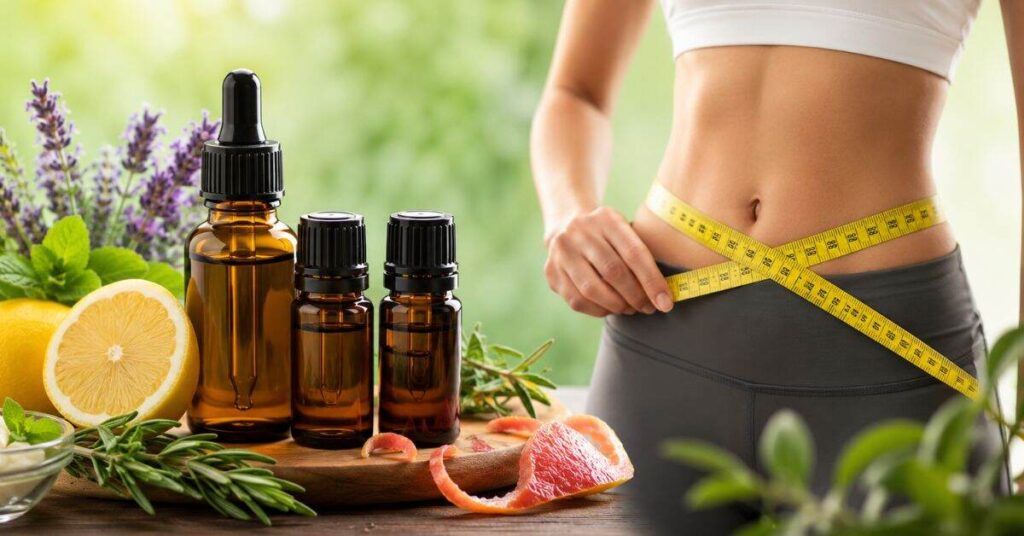
Essential Oils for Weight Loss: Can They Work Alone?
Many people ask whether essential oils for weight loss are enough to achieve their body goals. The simple answer is that essential oils alone cannot create major weight loss results. They may support healthy behaviors, emotional balance, and daily routines, but they cannot replace the core principles of weight management.
Successful weight loss depends on maintaining a healthy balance between the calories you consume and the energy your body uses. Factors such as nutritious food choices, regular exercise, quality sleep, hydration, and stress control all play important roles.
Essential oils can become a helpful addition to a healthy lifestyle because they may make certain habits easier to maintain. For example, calming aromas may support relaxation after a stressful day, while refreshing scents may encourage motivation before physical activity.
However, depending only on essential oils while ignoring lifestyle changes may lead to unrealistic expectations. A sustainable approach combines aromatherapy with proven strategies that support long-term health.
Essential Oils for Weight Management Through Healthy Eating
A balanced diet remains the foundation of successful weight management. While essential oils for weight management may support mindfulness around food, they do not provide essential nutrients or control calorie intake.
A healthy eating pattern should include a variety of nutrient-rich foods, such as:
- Protein-rich foods to support fullness and muscle health
- Fruits and vegetables for vitamins, minerals, and fiber
- Whole grains for steady energy
- Healthy fats for important body functions
- Balanced portions that match individual needs
Some people use essential oils before meals as part of a mindful eating routine. For example, smelling a refreshing aroma before eating may create a short pause that helps people recognize whether they are truly hungry or responding to emotions.
The goal should focus on creating healthy habits rather than following extreme restrictions. Long-term success comes from eating patterns that you can maintain consistently.
Essential Oils for Weight Loss Support During Exercise
Physical activity is one of the most important parts of maintaining a healthy body. Although essential oils for weight loss support cannot replace workouts, they may help create a positive environment that encourages movement.
Many people use refreshing oils such as peppermint, lemon, and grapefruit essential oil before exercise because their aromas may improve focus and motivation.
Regular exercise can help with:
- Supporting calorie balance
- Building muscle strength
- Improving energy levels
- Supporting heart health
- Boosting confidence and mood
A pre-workout aromatherapy routine may become a mental signal that prepares you for activity. However, actual fitness improvements come from consistent movement, proper training, and healthy recovery.
Whether your goal involves overall weight management or concerns like essential oils for belly fat, exercise remains an important part of the process.
Essential Oils for Weight Control and Better Sleep Habits
Sleep plays a major role in maintaining a healthy weight. Poor sleep can affect hunger signals, cravings, energy levels, and daily decision-making.
When people do not get enough quality rest, they may experience stronger cravings for sugary or high-calorie foods. Over time, poor sleep patterns can make healthy lifestyle changes harder to maintain.
Many people use essential oils for weight control routines at night because calming aromas may support relaxation. Oils such as lavender and bergamot are commonly used in bedtime aromatherapy.
Healthy sleep habits include:
- Maintaining a regular sleep schedule
- Creating a relaxing nighttime routine
- Reducing screen time before bed
- Keeping a comfortable sleep environment
Essential oils may support relaxation, but they work best when combined with proper sleep habits.
Essential Oils for Healthy Weight Goals and Proper Hydration
Hydration supports many important body functions and can help improve awareness of hunger signals. Sometimes people mistake thirst for hunger, which may lead to unnecessary snacking.
Drinking enough water supports:
- Normal digestion
- Energy levels
- Exercise performance
- Overall wellness
Some people enjoy citrus aromatherapy, such as lemon essential oil in a diffuser, because the fresh scent creates a positive environment while building healthier daily routines.
However, essential oils should not be added directly to drinking water unless a qualified healthcare professional recommends it. Many essential oils are highly concentrated and may not be suitable for internal use.
A consistent hydration routine combined with balanced meals can support better weight management results.
Essential Oils for Weight Loss Motivation and Stress Relief
Stress can strongly influence eating behaviors. Many people experience emotional eating during stressful situations because food may provide temporary comfort.
Managing stress can make it easier to maintain healthy choices. Essential oils for weight loss motivation may support relaxation by creating a calming atmosphere during stressful moments.
Helpful stress management practices include:
- Meditation and deep breathing
- Regular physical activity
- Outdoor activities
- Positive social connections
- Relaxing self-care routines
Essential oils such as lavender, bergamot, and rose are commonly used in relaxation practices because of their soothing aromas.
A successful weight management plan focuses on overall wellness rather than a single solution. Combining nutrition, exercise, sleep, hydration, and stress control creates a stronger foundation for lasting results.
Essential Oils for Sustainable Weight Loss Results
The most effective way to use essential oils for sustainable weight loss is to treat them as a supportive tool rather than a quick solution.
Essential oils may help improve:
- Relaxation
- Motivation
- Mindful habits
- Consistency with healthy routines
However, they cannot replace balanced meals, physical activity, proper sleep, or healthy lifestyle choices.
Long-term weight management comes from small daily habits repeated over time. When essential oils become part of a complete wellness routine, they may provide additional emotional and sensory support while you work toward your health goals.
The key is using essential oils realistically. They can complement your journey, but lasting changes come from the choices you make every day.
Risks, Side Effects, and Safety Tips
Although essential oils for weight loss are natural plant extracts, they are highly concentrated and must be used carefully. Natural does not always mean completely risk-free. Using essential oils incorrectly, applying them without dilution, or choosing unsuitable oils may lead to skin reactions, allergies, or other unwanted effects.
Before adding essential oils to your wellness routine, it is important to understand proper usage methods and safety precautions. Every person’s skin, health condition, and sensitivity level can be different. A method that works well for one person may not be suitable for another.
Essential oils should be viewed as a supportive wellness option, not a medical treatment or a replacement for professional healthcare advice. Safe usage helps you enjoy aromatherapy benefits while reducing possible risks.
Skin Irritation and Allergies
One of the most common problems associated with essential oil use is skin irritation. Because essential oils contain powerful plant compounds, applying them directly to the skin may cause redness, itching, burning, or dryness.
Some oils, including cinnamon, peppermint, and citrus oils, may be more likely to irritate sensitive skin when used incorrectly.
To reduce the risk of skin reactions:
- Always dilute essential oils with a carrier oil before topical use
- Perform a patch test on a small area before applying widely
- Avoid applying oils to damaged or irritated skin
- Stop use immediately if burning, swelling, or discomfort appears
A proper dilution routine makes topical use safer. For most adults, a low concentration is usually recommended, especially when using essential oils regularly.
People with sensitive skin should be extra cautious because even diluted oils may cause reactions in some cases.
Essential Oils to Avoid During Pregnancy
Pregnancy requires extra caution because certain essential oils may not be suitable during this sensitive period. Some oils contain compounds that may create concerns depending on the stage of pregnancy and individual health conditions.
Pregnant individuals should avoid using essential oils without guidance from a qualified healthcare professional.
Extra caution is recommended with oils such as:
- Cinnamon essential oil
- Clove essential oil
- Rosemary essential oil
- Sage essential oil
- Wintergreen essential oil
The safety of essential oils during pregnancy can depend on factors such as the specific oil, concentration, method of use, and personal health history.
Instead of experimenting with new oils, pregnant individuals should discuss aromatherapy choices with their healthcare provider first.
Who Should Consult a Doctor First
While many healthy adults can use essential oils safely when used correctly, some people should seek medical advice before adding them to their routine.
Consult a healthcare professional first if you:
- Have asthma or breathing problems
- Are pregnant or breastfeeding
- Have sensitive skin or frequent allergic reactions
- Take regular medications
- Have a chronic health condition
- Plan to use essential oils internally
Children and pets also require special consideration because some essential oils that are safe for adults may not be appropriate for them.
If you are using essential oils as part of a weight management plan, remember that they should support healthy habits rather than replace medical guidance, nutrition advice, or proven weight loss methods.
Safe Dilution Guidelines
Proper dilution is one of the most important steps when using essential oils. Applying concentrated oils directly to the skin can increase the chance of irritation and sensitivity.
A general guideline for adults is:
| Usage Purpose | Recommended Dilution |
| Daily skincare or regular use | Around 1% dilution |
| Occasional body massage | Around 2% dilution |
| Short-term targeted use | Up to 3% dilution |
For example, a diluted massage blend may include a few drops of essential oil mixed with a tablespoon of carrier oil.
Common carrier oils include:
- Coconut oil
- Jojoba oil
- Sweet almond oil
- Avocado oil
- Grapeseed oil
Additional safety practices include:
- Keep essential oils away from eyes and sensitive areas
- Store oils in dark glass bottles
- Keep bottles away from children
- Avoid excessive use because more oil does not mean better results
- Follow product instructions carefully
Safe dilution is especially important for people exploring methods like essential oil for weight loss in belly button or topical stomach massage routines. Applying undiluted oil to the belly area does not improve weight loss results and may increase skin sensitivity.
Using essential oils responsibly allows them to remain a useful addition to a wellness routine. When combined with healthy eating, regular exercise, proper sleep, and stress management, they can support a balanced approach to weight management without creating unnecessary risks.
Common Mistakes When Using Essential Oils for Weight Loss
Many people start using essential oils for weight loss with high expectations, but incorrect usage can reduce their benefits and may even create safety problems. Essential oils can support wellness habits, mood, and relaxation, but they are not instant weight loss solutions.
Understanding common mistakes helps you create a more realistic and effective approach. The goal is not to depend on essential oils alone but to use them as a supportive part of a healthy lifestyle.
Some people follow online trends that promise rapid results, such as losing a large amount of weight in a few days or targeting fat from specific body areas. These claims often create unrealistic expectations and ignore the important role of nutrition, exercise, sleep, and consistency.
Avoiding the following mistakes can help you use essential oils more safely and effectively.
Expecting Fast Results
One of the biggest mistakes people make is expecting essential oils to produce immediate weight loss. Some users search for solutions like a 7 days weight loss essential oil routine because they want quick changes, but healthy weight management does not happen overnight.
Essential oils may support certain behaviors connected with weight control, such as:
- Reducing stress-related cravings
- Creating a motivating environment
- Supporting relaxation and better routines
- Encouraging mindful habits
However, they do not directly burn fat or cause rapid body transformation. Sustainable weight loss usually requires long-term changes in eating habits, physical activity, and daily lifestyle choices.
A better approach is to use essential oils as a small part of a complete plan. For example, a calming oil blend may support better sleep, while an energizing aroma may encourage you to stay consistent with workouts.
Realistic expectations help prevent disappointment and allow you to focus on habits that create lasting results.
Using Oils Without Dilution
Applying essential oils directly to the skin is another common mistake. Many people assume that using a stronger amount will create stronger effects, but concentrated oils can irritate the skin.
Essential oils contain powerful natural compounds, and direct application may lead to:
- Skin redness or burning
- Itching or dryness
- Allergic reactions
- Increased skin sensitivity
Always mix essential oils with a carrier oil before topical application. Carrier oils such as coconut oil, jojoba oil, and almond oil help reduce concentration and make application safer.
For example, if someone is using oils in a massage routine related to essential oils for weight loss and cellulite, proper dilution is still necessary. Massage may support skin care and relaxation, but undiluted oils will not provide faster fat loss results.
Safe use is more important than using a large quantity of oil.
Applying Too Much Oil
Another mistake is believing that using more essential oil will create better results. Essential oils are extremely concentrated, so only a small amount is usually needed.
Using excessive amounts may increase the chance of:
- Skin irritation
- Headaches from strong aromas
- Sensitivity reactions
- Unnecessary product waste
A few drops are often enough for aromatherapy methods such as diffusing or inhalation. For topical use, proper dilution should always be followed.
A quality essential oil used correctly can be more effective and safer than a large amount used incorrectly.
The strength of an essential oil does not come from quantity. It comes from the natural compounds present in the plant extract.
Ignoring Lifestyle Changes
One of the most damaging mistakes is using essential oils while ignoring the habits that actually influence weight management.
Essential oils cannot replace:
- A nutritious diet
- Regular physical activity
- Quality sleep
- Proper hydration
- Stress management
Some people focus heavily on finding the best essential oils for weight loss but overlook the daily actions that create real results.
For example, using grapefruit essential oil before a workout may create a refreshing experience, but the workout itself provides the physical benefits. Similarly, lavender oil may support relaxation, but healthy sleep habits remain essential.
A successful approach combines essential oils with realistic lifestyle improvements. They should enhance your routine, not become the entire strategy.
Believing Essential Oils Can Target Specific Fat Areas
Many people search for essential oils for belly fat or methods like applying essential oil for weight loss in the belly button because they hope to reduce fat from one specific area.
However, the body does not lose fat through targeted oil application. Fat reduction occurs through overall changes in energy balance, nutrition, and activity levels.
Essential oils may support:
- Relaxing massage routines
- Skin care practices
- Mindfulness habits
- Motivation and consistency
But they cannot specifically remove belly fat, thigh fat, or cellulite.
Understanding this difference helps you avoid misleading claims and focus on proven strategies.
Choosing Unverified Products
Another mistake is purchasing low-quality essential oils without checking the source. Poor-quality products may contain synthetic ingredients, unnecessary additives, or unclear labeling.
When selecting essential oils:
- Choose reputable brands
- Check ingredient information
- Look for proper labeling
- Avoid products making extreme weight loss promises
Brands such as those offering essential oils for weight loss doTERRA or essential oils for weight loss young living are commonly searched because many consumers look for established essential oil companies. Regardless of the brand, always review product quality and safety information.
Using high-quality oils with realistic expectations creates a safer and more beneficial experience.
Avoiding these common mistakes allows essential oils to become a supportive part of your wellness journey. The most effective results come from combining safe essential oil practices with consistent healthy lifestyle choices.
How to Choose High-Quality Essential Oils
Choosing high-quality essential oils is an important step when using essential oils for weight loss as part of a wellness routine. The quality of an essential oil can affect its aroma, purity, safety, and overall experience.
The essential oil market includes many different products, and not every bottle contains the same level of quality. Some products may contain synthetic fragrances, fillers, or diluted ingredients that do not provide the same benefits as pure essential oils.
A good essential oil should come from a reliable source and provide clear information about the plant, extraction method, and ingredients. Whether you are choosing grapefruit, lemon, peppermint, lavender, or ginger essential oil, quality should always be a priority.
High-quality oils may be more expensive, but investing in a trustworthy product helps ensure safer use and a better aromatherapy experience.
Pure vs Synthetic Oils
The first thing to understand when choosing essential oils is the difference between pure essential oils and synthetic fragrance oils.
Pure essential oils are extracted from real plant materials such as flowers, leaves, fruits, roots, or bark. They contain natural aromatic compounds that create the plant’s unique scent.
Synthetic oils, on the other hand, are created using artificial ingredients to imitate natural fragrances. While they may smell similar, they do not provide the same natural composition as genuine essential oils.
Key differences include:
| Pure Essential Oils | Synthetic Fragrance Oils |
| Extracted from plants | Made with artificial ingredients |
| Contains natural aromatic compounds | Mainly designed for scent |
| Usually labeled with botanical name | Often lacks detailed plant information |
| Used in aromatherapy practices | Commonly used for fragrance purposes |
When searching for the best essential oils for weight loss, choose products that clearly identify the plant source and avoid oils that only mention general terms like “fragrance oil” or “perfume oil.”
A pure oil does not guarantee weight loss results, but it provides a more authentic product for safe aromatherapy use.
Reading Product Labels
Reading the label carefully can help you identify better-quality essential oils. A trustworthy product should provide detailed information instead of making unrealistic claims.
Look for these details:
- Botanical name: The scientific name of the plant helps confirm the exact oil.
- Extraction method: Information about steam distillation or cold pressing shows transparency.
- Plant part used: Leaves, flowers, fruits, roots, or bark may create different oil profiles.
- Ingredients list: A pure essential oil should usually contain only the essential oil itself.
- Batch information: Quality brands often provide testing or batch details.
Be cautious with products that promise unrealistic outcomes, such as “burn belly fat instantly” or “lose weight without diet and exercise.” No essential oil can create these results alone.
For people exploring options such as essential oils for weight loss doTERRA or essential oils for weight loss young living, it is still important to evaluate the specific product label, ingredients, and usage instructions rather than choosing based only on brand recognition.
Storage Tips
Proper storage helps maintain the quality and freshness of essential oils. Even a high-quality oil can lose its aroma and stability when exposed to heat, sunlight, or air for long periods.
Follow these storage tips:
- Keep essential oils in dark glass bottles to protect them from light exposure
- Store them in a cool, dry place
- Close bottle caps tightly after each use
- Keep oils away from direct sunlight and heat sources
- Avoid storing oils in humid areas such as bathrooms
Proper storage helps preserve the natural compounds responsible for the oil’s aroma and characteristics.
Check the Oil’s Shelf Life
Essential oils do not last forever. Over time, exposure to oxygen can change their scent and quality. Citrus oils, such as lemon and grapefruit, often have a shorter shelf life compared with heavier oils like sandalwood or patchouli.
Signs that an essential oil may have changed include:
- A different or unpleasant smell
- Cloudiness or unusual texture
- Reduced aroma strength
- Changes in color
Using fresh oils provides a better aromatherapy experience and reduces the chance of using degraded products.
Avoid Weight Loss Marketing Tricks
Many products are marketed specifically around weight loss, but buyers should be careful with exaggerated claims. Statements such as “melts fat,” “destroys belly fat,” or “guaranteed weight loss” are usually marketing promises rather than scientifically proven results.
A quality essential oil company should focus on:
- Purity and testing
- Safe usage instructions
- Transparent ingredients
- Realistic wellness benefits
The purpose of using essential oils should be to support healthy habits, relaxation, and overall wellness rather than expecting a single product to transform your body.
Choosing the right essential oils requires attention to purity, labeling, storage, and realistic expectations. A high-quality oil used correctly can become a valuable addition to a balanced lifestyle, especially when combined with healthy nutrition, exercise, and consistent wellness habits.
Conclusion
Essential oils for weight loss can be a useful addition to a healthy lifestyle, but they should not be viewed as a quick fix or a replacement for proven weight management methods. These natural plant extracts may support areas connected with weight control, including stress management, mood, cravings, relaxation, and healthy routines.
Popular options like grapefruit, lemon, peppermint, ginger, lavender, and bergamot essential oils may provide different wellness benefits through aromatherapy and safe topical use. However, essential oils do not directly burn fat, remove belly fat, or create instant body changes.
The most effective approach combines essential oils with the habits that truly influence long-term results, including a balanced diet, regular exercise, quality sleep, proper hydration, and stress management.
Using essential oils safely also plays an important role. Always choose high-quality products, dilute oils before applying them to the skin, avoid unrealistic claims, and understand that consistency matters more than quick solutions.
Whether you use a calming blend to reduce stress eating, a refreshing aroma before workouts, or a relaxing bedtime routine, essential oils can support your overall wellness journey. When used correctly, they can become a positive tool that helps you stay motivated and committed to healthier habits.
FAQs:
Which essential oil is best for weight loss?
The best essential oils for weight loss depend on your personal goals and how you plan to use them. No essential oil can directly burn fat or create weight loss on its own, but some oils may support habits connected with healthy weight management.
Grapefruit essential oil is one of the most popular choices because of its fresh citrus aroma, while peppermint essential oil is often used for a refreshing and energizing experience. Other commonly used options include lemon, ginger, lavender, and bergamot essential oils.
Different oils may support different areas:
- Grapefruit essential oil: Often used for uplifting aromatherapy routines
- Peppermint essential oil: Commonly used for focus and freshness
- Lavender essential oil: Popular for relaxation and stress support
- Ginger essential oil: Traditionally used for digestive comfort
- Bergamot essential oil: Used for calming aromatherapy practices
The most effective approach is choosing an oil that supports your specific needs while maintaining healthy eating, exercise, sleep, and lifestyle habits.
Can essential oils burn belly fat?
No, essential oils cannot directly burn belly fat. Applying essential oils to the stomach area, including methods like using essential oil for weight loss in belly button, does not cause targeted fat reduction.
Body fat decreases through a combination of factors such as:
- Balanced calorie intake
- Regular physical activity
- Healthy metabolism
- Consistent lifestyle choices
Essential oils may support weight management indirectly by helping with relaxation, motivation, and emotional eating habits. For example, a calming oil may help reduce stress-related cravings, while an energizing aroma may encourage a more active routine.
Claims that essential oils can melt belly fat overnight or remove fat from specific areas are not supported by strong scientific evidence.
How often should I use essential oils for weight loss?
The frequency of using essential oils depends on the method of application and the specific oil. For aromatherapy methods such as diffusing or inhalation, many people use essential oils occasionally throughout the day as part of their wellness routine.
For topical use, safety is more important than frequency. Essential oils should always be properly diluted with a carrier oil before applying them to the skin.
A safe routine may include:
- Using a diffuser for short periods
- Inhaling aromas when needed
- Applying diluted massage blends occasionally
- Following product-specific instructions
Using more oil does not create faster results. Essential oils are highly concentrated, so small amounts are usually enough.
Is it safe to apply essential oils every day?
Daily use of essential oils may be safe for some people when they are used correctly, but it depends on the oil, application method, and individual sensitivity.
Before applying essential oils regularly:
- Dilute oils properly
- Perform a patch test
- Avoid sensitive areas
- Monitor your skin for reactions
Some essential oils are more suitable for frequent use than others. Strong oils such as cinnamon and clove require extra caution because they may irritate the skin if used incorrectly.
People with allergies, sensitive skin, pregnancy, or certain health conditions should consult a healthcare professional before using essential oils daily.
Can I ingest essential oils for weight loss?
Ingesting essential oils for weight loss is not recommended unless specifically guided by a qualified healthcare professional. Essential oils are highly concentrated and are very different from the herbs or foods they come from.
Taking essential oils internally may cause risks such as:
- Digestive irritation
- Toxic reactions from incorrect amounts
- Interactions with medications
- Harm to internal organs in certain situations
Many online claims promote drinking essential oils for faster weight loss, but there is limited scientific evidence supporting this practice.
Safer methods include:
- Aromatherapy through inhalation
- Properly diluted topical use
- Diffusion in a suitable environment
Essential oils can support wellness routines, but they should be used responsibly rather than as a quick weight loss solution.
Do essential oils help with cellulite?
Essential oils cannot remove cellulite permanently or break down fat deposits under the skin. However, some people use oils in massage routines because massage and skin hydration may temporarily improve the appearance and feel of the skin.
When people search for essential oils for weight loss and cellulite, they often look for oils such as grapefruit, ginger, or rosemary. These oils may support a relaxing body care routine, but they do not replace healthy nutrition, exercise, or professional treatments.
Are doTERRA and Young Living essential oils good for weight loss?
Many people search for essential oils for weight loss doTERRA and essential oils for weight loss young living because these brands are well known in the essential oil industry.
Both companies offer a wide range of essential oils used for aromatherapy and wellness routines. However, no brand of essential oil can guarantee weight loss results.
When choosing any essential oil brand, focus on:
- Ingredient transparency
- Product testing
- Proper labeling
- Safe usage instructions
- Quality standards
The brand matters less than choosing a pure, properly labeled product and using it safely.