Introduction
Unwanted facial hair is a common concern for many women. It often develops because of hormonal changes, polycystic ovary syndrome (PCOS), or naturally high androgen levels. While shaving, waxing, and threading provide quick results, they only remove visible hair. They do not address the underlying hormonal factors that may contribute to continued facial hair growth. As interest in natural skincare grows, spearmint oil for facial hair has gained attention as a potential long-term support option rather than a temporary cosmetic solution.
Why Spearmint Oil Is Gaining Attention
Unlike many essential oils that are valued mainly for their fragrance or skin-soothing properties, spearmint oil has attracted scientific interest for a different reason. Researchers have explored its possible influence on androgen hormones, which are closely linked to unwanted facial hair growth in women. Although current research remains limited, early findings have shown encouraging results. Some studies suggest that spearmint may help support hormonal balance in women with mild hirsutism, particularly those living with PCOS. Because of these findings, many people now include topical spearmint oil or spearmint tea in their overall facial hair management routine. However, it should be viewed as a supportive option rather than a medically proven treatment, and noticeable improvements usually require consistent use over time.
What You Should Know Before Using Spearmint Oil
It is important to separate scientific evidence from common online claims. Some articles promote spearmint oil as a permanent facial hair removal solution, while others claim it has no effect at all. Current evidence supports neither extreme. Spearmint oil is not a miracle cure, and it cannot replace medical treatment for underlying hormonal conditions. However, when combined with a healthy skincare routine and appropriate medical care when needed, it may offer supportive benefits for some women. Individual results vary depending on hormone levels, genetics, and the cause of unwanted facial hair.
What This Guide Covers
This comprehensive guide explains how spearmint oil for facial hair may work, what current scientific research says, who is most likely to benefit, and how to use it safely. You’ll also learn proper dilution methods, practical application techniques, DIY recipes, possible side effects, realistic timelines for results, and how spearmint compares with other natural remedies. By the end, you’ll have a balanced, evidence-based understanding to help you decide whether this natural approach deserves a place in your skincare routine.
What Is Spearmint Oil and Why Is It Used for Facial Hair?
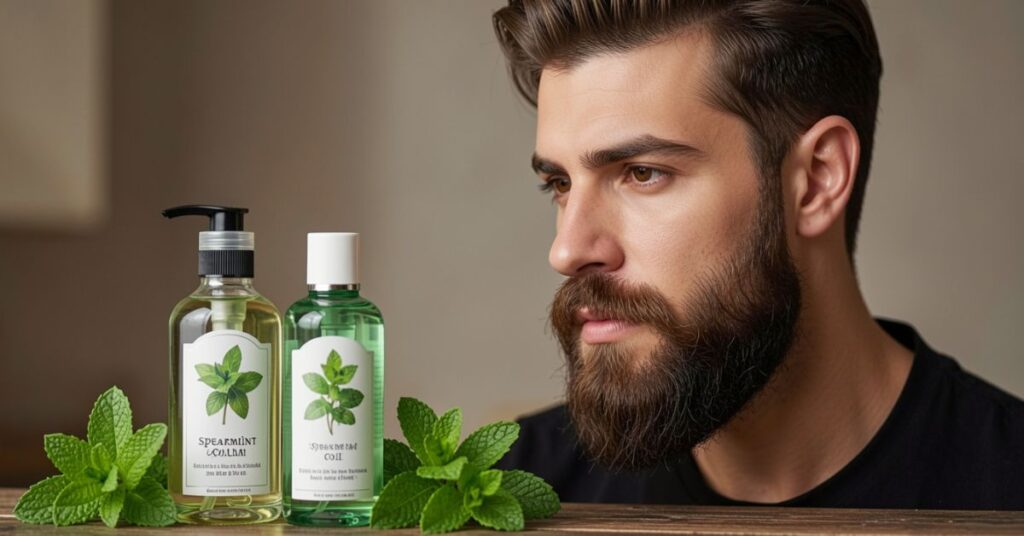
Spearmint oil for facial hair has become increasingly popular among women looking for a natural way to manage unwanted facial hair, particularly when excessive growth is linked to hormonal imbalance. Extracted from the leaves of the spearmint plant (Mentha spicata), this essential oil has long been valued in traditional herbal practices for its refreshing aroma and soothing properties. More recently, researchers have explored its potential influence on androgen hormones, leading many people to consider it as part of a long-term facial hair management routine rather than a quick hair removal solution.
Unlike shaving, waxing, or depilatory creams that simply remove visible hair, spearmint oil is believed to work differently. Instead of targeting the hair itself, it may help create conditions that reduce the stimulation of hair follicles responsible for coarse facial hair growth. This is one reason women with PCOS-related hirsutism often search for how to use spearmint oil for facial hair as a complementary approach alongside healthy lifestyle habits or medical treatment.
Although existing research is encouraging, the evidence is still developing. Current studies suggest that spearmint may help lower free testosterone levels in some women, but it should not be viewed as a standalone treatment or a permanent cure. The best results are usually seen when it is used consistently, safely diluted, and combined with realistic expectations.
How Spearmint Oil Differs from Other Essential Oils
Many essential oils are used to improve skin health, reduce inflammation, or support relaxation. Spearmint oil stands out because researchers have investigated its possible relationship with hormones involved in unwanted facial hair growth. While oils such as lavender or chamomile are mainly recognized for their calming effects, spearmint has gained attention for its potential anti-androgenic activity, making it unique in discussions about natural remedies for hirsutism.
Another important difference is its gentle nature. When properly diluted with a carrier oil, spearmint oil is generally well tolerated by many skin types. Its cooling sensation may also help calm mild irritation after threading or waxing, making it useful beyond its potential hormonal effects. However, “natural” does not automatically mean risk-free. Proper dilution, patch testing, and moderate use remain essential for safe application.
Understanding Spearmint Oil vs. Temporary Hair Removal Methods
It is crucial to distinguish spearmint oil from products marketed as instant hair-removal solutions. It does not dissolve hair, bleach it, or stop growth overnight. Instead, if it works for an individual, any noticeable changes in hair texture or density are likely to develop gradually over weeks or months of consistent use. This slower, supportive approach is one of the biggest differences between choosing spearmint oil for female facial hair reduction versus turning to traditional cosmetic hair-removal products.
Active Plant Compounds in Spearmint Oil for Facial Hair Management
The properties of spearmint oil for facial hair come from several naturally occurring plant compounds. One of the most abundant is carvone, which gives spearmint its characteristic sweet, minty scent. Carvone is widely studied for its antioxidant, antimicrobial, and soothing properties, all of which may contribute to healthier skin during regular use.
Another notable compound is limonene, a natural antioxidant that helps protect the skin from environmental stress. Healthy skin does not directly reduce facial hair, but maintaining a balanced skin barrier can minimize irritation caused by frequent hair removal methods such as waxing or threading.
Spearmint oil also contains smaller amounts of compounds such as 1,8-cineole, menthone, and various plant terpenes. Together, these components contribute to its refreshing feel, mild anti-inflammatory effects, and potential support for skin comfort. Scientists believe that the overall combination of these compounds, rather than a single ingredient, may be responsible for the oil’s biological activity.
How These Compounds Target Hormonal Facial Hair Growth
Interestingly, researchers think the benefits associated with spearmint are more closely related to its potential effect on free androgen levels than to any direct action on the hair itself. This distinction is important because it explains why results, if they occur, usually take time and vary from person to person.
Genetics, hormone levels, age, and the underlying cause of facial hair growth all influence how someone responds to natural spearmint oil applications, which is why individual experiences can differ significantly.
Why Do Women Develop Unwanted Facial Hair?
Facial hair is completely normal for women, but the amount, thickness, and visibility can vary widely from one person to another. Most women have fine, light-colored facial hair known as vellus hair, which is usually difficult to notice. However, when these hairs become darker, thicker, and coarser, the condition is known as hirsutism. This type of hair growth often appears on the upper lip, chin, jawline, sideburn area, or neck and can affect both physical appearance and self-confidence.
The growth of coarse facial hair is primarily influenced by androgen hormones, particularly testosterone. Women naturally produce small amounts of these hormones, but when androgen levels rise or hair follicles become unusually sensitive to them, facial hair may become more noticeable. This is why many women searching for spearmint oil for facial hair are actually looking for a natural way to address one of the factors that may contribute to excessive hair growth rather than simply removing existing hair.
While hormonal imbalance is one of the most common reasons, it is not the only explanation. Genetics, age, ethnicity, certain medications, and underlying health conditions can also play important roles. Identifying the root cause is essential because the most effective treatment depends on why the hair is growing in the first place.
Common causes of facial hair growth
Several factors can contribute to unwanted facial hair, and in many cases, more than one cause is involved. Genetics is one of the strongest influences. Women from certain ethnic backgrounds naturally have darker or thicker facial hair even when their hormone levels are completely normal. If close female relatives have noticeable facial hair, genetics may be the primary reason.
Another common factor is aging. As women approach menopause, estrogen levels gradually decline while androgen hormones may become relatively more dominant. This hormonal shift can lead to thicker hair on the chin or jawline, even in women who never experienced facial hair problems earlier in life.
Certain medications may also trigger increased facial hair growth. Drugs containing androgens, some corticosteroids, anabolic steroids, and a few medications used for specific medical conditions can stimulate hair follicles. In these situations, speaking with a healthcare provider about possible alternatives may be appropriate.
Weight can also influence hormone balance. Excess body fat may increase insulin resistance, which can indirectly raise androgen production in some women. A healthy lifestyle will not guarantee that facial hair disappears. However, it may help support hormonal balance, especially in people whose symptoms are linked to metabolic health.
How PCOS and hormone imbalance contribute to hirsutism
One of the leading causes of excessive facial hair in women is Polycystic Ovary Syndrome (PCOS). This hormonal condition affects millions of women worldwide and often causes the ovaries to produce higher-than-normal levels of androgen hormones. As these hormone levels increase, hair follicles in areas such as the chin, upper lip, chest, and abdomen receive stronger signals to produce coarse, dark hair.
Insulin resistance, which commonly occurs in women with PCOS, may further increase androgen production. As a result, facial hair growth can gradually become more noticeable over time. This explains why many women with PCOS search for natural approaches such as spearmint oil for facial hair or spearmint tea alongside medically recommended treatments.
Hormone-related facial hair usually develops slowly rather than overnight. In addition to unwanted hair growth, women with PCOS may experience irregular menstrual cycles, acne, scalp hair thinning, difficulty losing weight, or fertility challenges. Because these symptoms often occur together, treating the underlying hormonal imbalance usually provides better long-term results than relying solely on cosmetic hair removal methods.
When facial hair may indicate an underlying medical condition
Although mild facial hair is often harmless, sudden or rapidly increasing hair growth deserves medical attention. If coarse facial hair develops rapidly over a few months or appears with a deeper voice, increased muscle mass, severe acne, or significant scalp hair loss, seek a prompt evaluation from a healthcare professional. These symptoms may indicate an underlying hormonal disorder that requires proper medical assessment.
Several medical conditions can contribute to excessive facial hair. These include adrenal gland disorders, Cushing’s syndrome, thyroid dysfunction, and, in rare cases, hormone-producing tumors. Identifying and treating the underlying cause early often plays a much greater role in long-term facial hair management than relying on natural remedies alone.These conditions require professional diagnosis and treatment because natural remedies alone cannot address the underlying cause.
A healthcare provider may recommend blood tests to measure hormone levels and, if necessary, imaging studies to identify the reason for abnormal androgen production. Receiving an accurate diagnosis is especially important before depending on any home remedy. While spearmint oil may offer supportive benefits for some women, it should not replace proper medical care when an underlying health condition causes excessive facial hair.
Does Spearmint Oil Really Work for Facial Hair?
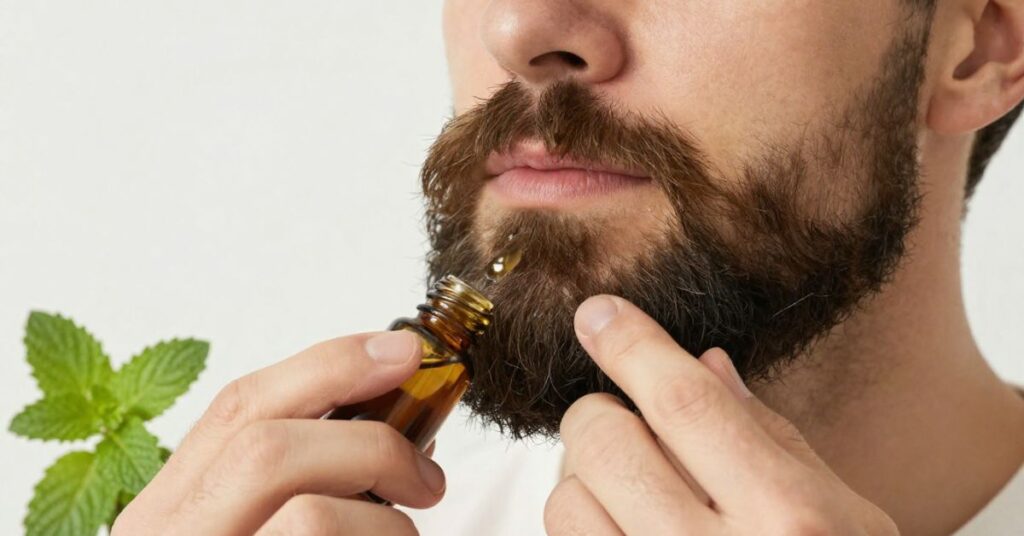
Many women search for natural ways to manage unwanted facial hair, and spearmint oil for facial hair has gained attention as a possible option. The simple answer is that spearmint oil may help some women, but it is not a guaranteed or permanent solution. Unlike shaving, waxing, or laser hair removal, which directly remove or target existing hair, spearmint oil may work by supporting a healthier hormonal environment.
Researchers are interested in spearmint because it may have anti-androgenic properties. Androgens are hormones that influence hair growth, and higher androgen activity can contribute to thicker facial hair in some women. By possibly reducing androgen activity, spearmint may help slow the appearance of new coarse hair over time.
However, current research remains limited. Most studies have focused on spearmint tea rather than topical spearmint oil. While early findings are promising, scientists still need more research to understand how spearmint oil affects facial hair growth when applied to the skin.
Results also depend on several factors, including genetics, hormone levels, age, and the reason behind facial hair growth. Some women may notice finer hair or slower regrowth, while others may see little change. For this reason, it is important to view spearmint oil for facial hair as a supportive approach rather than a replacement for proven hair removal treatments.
What Current Scientific Research Says About Spearmint Oil for Facial Hair
Scientific interest in spearmint oil for facial hair comes from studies that explore spearmint’s possible effect on hormone balance. Research suggests that spearmint may help lower certain androgen hormones, including free testosterone, which plays a role in unwanted facial hair growth.
Most available studies involve women with conditions such as polycystic ovary syndrome (PCOS) or mild hirsutism. Researchers found that regular spearmint consumption may reduce androgen levels, which could support healthier hair growth patterns.
However, these studies do not prove that topical spearmint oil can remove facial hair. Scientists have mainly studied spearmint tea, and researchers measured hormone changes rather than complete hair removal. This difference is important because drinking spearmint and applying spearmint oil to the skin may produce different effects.
More research is needed to determine the best concentration, application method, and long-term safety of using spearmint oil on facial skin. Until stronger evidence becomes available, women should consider it a natural support option instead of a medically proven treatment.
How Spearmint Oil for Facial Hair May Influence Androgen Hormones
One reason spearmint oil for facial hair has become popular is its possible connection with androgen hormones. Androgens help control many body functions, including hair growth. When androgen levels become high or hair follicles become more sensitive to these hormones, facial hair may become darker, thicker, and more noticeable.
Spearmint contains natural compounds that researchers believe may influence androgen activity. Lower androgen activity may reduce the signals that encourage coarse hair growth. Over time, this process may help some women experience slower regrowth or softer facial hair.
However, hormone balance involves many factors. Stress, diet, genetics, insulin resistance, medications, and health conditions can all influence hormone levels. Because of this, spearmint oil for facial hair should not be expected to solve major hormonal problems by itself.
Women with sudden or excessive facial hair growth should consider speaking with a healthcare professional. A medical evaluation can help identify possible causes and provide suitable treatment options.
The Biological Impact of Spearmint Oil for Facial Hair Follicles
Spearmint oil does not destroy hair follicles or remove existing facial hair. Instead, its possible effects relate to hormonal support and the way hormones interact with hair follicles.
Hair follicles respond to androgen signals during the growth cycle. If androgen activity decreases, some follicles may produce thinner or slower-growing hairs. However, this process happens gradually because each hair follicle follows its own natural cycle.
Existing coarse facial hairs will not disappear immediately after using spearmint oil. These hairs usually need regular removal methods such as threading, shaving, waxing, or professional treatments.
In addition to possible hormonal effects, spearmint oil contains natural plant compounds that may support healthier-looking skin. When properly diluted, it may provide a soothing experience and help maintain skin comfort after hair removal routines.
Can Spearmint Oil for Facial Hair Permanently Remove Hair?
The answer is no. There is currently no scientific proof that spearmint oil for facial hair can permanently remove unwanted hair or destroy hair follicles.
Permanent hair reduction usually requires treatments that directly target the follicle, such as laser hair removal or electrolysis. Spearmint oil works differently because it may only influence factors related to hair growth.
If spearmint oil provides benefits, those improvements may appear as slower regrowth, finer hair, or reduced visibility. However, stopping use may allow hair growth patterns to return, especially when hormonal conditions contribute to unwanted facial hair.
Anyone claiming that spearmint oil completely removes facial hair forever is making a claim that current research does not support. Natural remedies can be helpful for some people, but they should be used with realistic expectations.
What Results Can You Expect from Spearmint Oil for Facial Hair?
When using spearmint oil for facial hair, realistic expectations are important. Most people should not expect sudden or dramatic changes. Instead, possible results may include slower hair growth, softer hair texture, or less noticeable regrowth.
Women with mild hormone-related facial hair may respond better compared with those whose hair growth comes mainly from genetics. Individual results can also depend on hormone levels, skincare habits, and consistency of use.
Some users report noticing changes after several weeks or months, while others may not experience visible improvement. Because hair growth is a slow biological process, patience is necessary.
Using spearmint oil as part of a complete facial hair management routine may provide better results. Combining safe skincare practices, healthy lifestyle habits, and appropriate hair removal methods can create a more balanced approach.
Why Consistency Matters When Using Spearmint Oil for Facial Hair
Consistency plays an important role when trying spearmint oil for facial hair. Hair follicles grow through different stages, and changes in hair patterns usually happen slowly. Applying spearmint oil for only a short time is unlikely to create noticeable results.
Regular use allows the skin to receive consistent exposure while giving you time to observe possible changes. However, safe use is essential because essential oils are highly concentrated and may irritate the skin when applied incorrectly.
Always dilute spearmint oil with a suitable carrier oil before applying it to the face. Perform a patch test first to reduce the risk of irritation or sensitivity.
Spearmint oil works best as a long-term supportive option rather than an instant solution. With patience, proper use, and realistic expectations, some women may find it helpful for managing mild facial hair concerns.r gradual improvements for some women, particularly those with mild androgen-related facial hair growth.
Benefits of Using Spearmint Oil for Facial Hair
Many people choose spearmint oil for facial hair because they want a gentler, more natural approach to managing unwanted hair growth. While it is not a replacement for medical treatment or professional hair removal procedures, it may offer several supportive benefits when used consistently and safely. Its greatest potential lies in helping women whose facial hair is linked to mild hormonal imbalance, particularly elevated androgen activity.
It is important to remember that spearmint oil works gradually. Instead of removing existing hair, it may influence the conditions that contribute to new hair growth while also supporting healthier-looking skin. When combined with a balanced skincare routine and appropriate treatment for any underlying medical condition, it can become a valuable addition to long-term facial hair management.
The Potential of Spearmint Oil for Female Hair Reduction
One of the main reasons people use spearmint oil for facial hair is its potential to reduce the appearance of excessive facial hair over time. Unlike shaving, waxing, or threading, it does more than remove visible hair. Instead, it may help support a healthier hormonal environment that can influence future hair growth patterns.
Women with mild hirsutism, particularly those with PCOS, may notice gradual improvements with consistent use. In some cases, newly growing hairs may appear finer or less noticeable. Current research does not show that spearmint oil can completely remove facial hair. However, some users report that new hair feels softer, appears less coarse, and becomes easier to manage as part of their regular skincare routine.
The degree of improvement depends on several factors, including hormone levels, genetics, age, and overall health. For this reason, individual results can vary considerably, and patience is essential.
How This Natural Treatment May Slow Future Hair Growth
Another potential benefit is a gradual reduction in the speed of hair regrowth. If using spearmint oil for hair reduction helps lower androgen activity, hair follicles may receive weaker growth signals, allowing more time to pass between your regular hair removal sessions.
For many women, even a modest slowdown can make a noticeable difference in their daily routine. Less frequent shaving, waxing, or threading may reduce skin irritation and make facial hair feel more manageable over the long term.
Because hair follicles follow natural growth cycles, this benefit develops gradually rather than immediately. Consistent use over several weeks or months is generally required before any meaningful changes in regrowth speed become noticeable.
Managing PCOS Symptoms with Spearmint Oil for Hirsutism
Women with Polycystic Ovary Syndrome (PCOS) often experience unwanted facial hair because their bodies produce higher levels of androgen hormones. Research on spearmint suggests that it may help lower free testosterone, which is one reason spearmint oil for hirsutism management has become popular among women seeking natural ways to support hormonal balance.
Although most studies have investigated spearmint tea instead of topical oil, the findings have encouraged further interest in spearmint as part of a broader wellness approach. When combined with medical guidance, healthy nutrition, regular physical activity, and stress management, spearmint may provide additional support for women managing mild hormone-related symptoms.
However, topical essential oils should never replace professional treatment for PCOS or other endocrine disorders. Persistent hormonal symptoms should always be evaluated by a qualified healthcare provider.
Skincare Benefits of Natural Spearmint Oil Applications
Frequent shaving, threading, waxing, or tweezing can leave the skin feeling tender, tight, or slightly inflamed. When properly diluted with a suitable carrier oil, performing natural spearmint oil applications provides a cooling sensation that many people find soothing after routine hair removal.
Its plant compounds possess mild antioxidant and anti-inflammatory properties that may help calm temporary redness and improve overall skin comfort. This can be especially helpful for individuals who regularly experience irritation around the upper lip, chin, or jawline after removing facial hair.
For best results, always wait until the skin has settled after hair removal before applying diluted spearmint oil. Applying essential oils to freshly damaged or broken skin can increase the risk of irritation.
Utilizing Spearmint Oil for Hair Reduction While Improving Skin Appearance
Beyond its potential effects on facial hair, incorporating spearmint oil for facial hair care into your routine may also contribute to healthier-looking skin. Its natural antioxidant compounds help protect the skin from environmental stress, while its cleansing properties leave the complexion feeling refreshed and balanced.
Some users find that adding diluted spearmint oil to their skincare routine helps reduce the appearance of excess oil, making the skin look smoother and more even. While these cosmetic benefits do not directly affect hair growth, healthier-looking skin can make unwanted facial hair less noticeable and much easier to manage.
The best results usually come from combining spearmint oil with a consistent skincare routine. Gentle cleansing, daily sunscreen, regular moisturization, and healthy lifestyle habits all play an important role. Instead of acting as a standalone solution, spearmint oil works best as part of a comprehensive approach.
Read More:https://pureoilshub.com/can-i-leave-rosemary-oil-in-my-hair-overnight/
How to Use Spearmint Oil for Facial Hair Safely
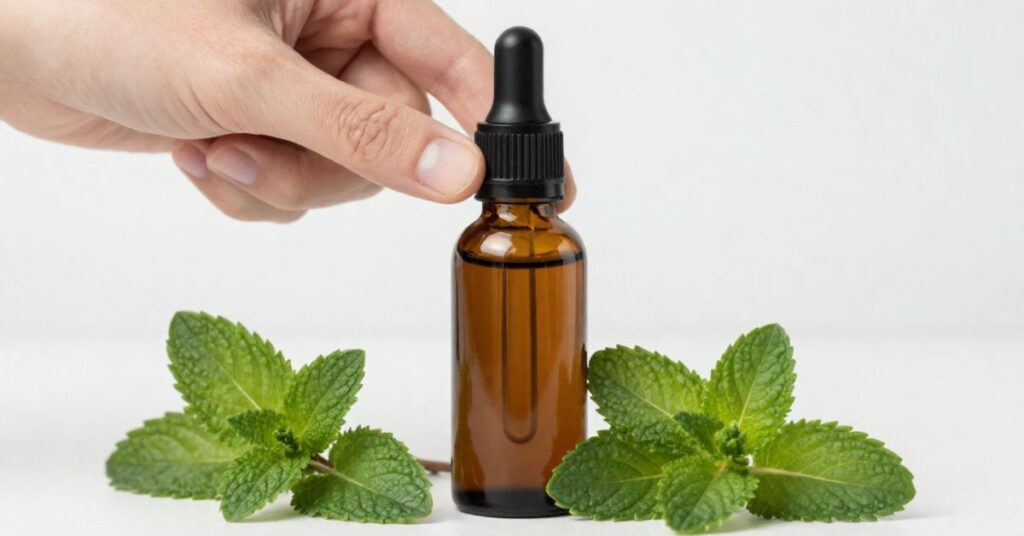
Using spearmint oil for facial hair correctly is just as important as choosing a high-quality product. Essential oils contain highly concentrated plant extracts, so you should always dilute them properly before applying them to your skin.
Safe application not only reduces the risk of irritation but also allows you to use the oil consistently over time, giving it the best chance to support your facial hair management routine.
Before adding spearmint oil to your skincare regimen, remember that consistency matters more than quantity. Applying large amounts or using the oil multiple times a day will not speed up results. Instead, a gentle, well-planned routine is more effective and much safer for your skin.
Selecting the Ideal Carrier for Spearmint Oil for Hirsutism Management
A carrier oil dilutes the essential oil and helps it spread evenly across the skin. It also provides moisture and protects the skin barrier from unnecessary irritation. Choosing the right carrier oil depends on your skin type and personal preferences.
For oily or acne-prone skin, jojoba oil is an excellent choice because it closely resembles the skin’s natural sebum and absorbs quickly without leaving a greasy finish. If your skin is dry or easily irritated, sweet almond oil offers lightweight hydration and helps keep the skin soft.
People with sensitive skin often prefer fractionated coconut oil because it has a smooth texture and a longer shelf life. Another good option is grapeseed oil, which feels light on the skin and is suitable for those who dislike heavier oils.
| Carrier Oil | Best For | Texture |
| Jojoba Oil | Oily and combination skin | Lightweight |
| Sweet Almond Oil | Dry skin | Light and moisturizing |
| Fractionated Coconut Oil | Sensitive skin | Smooth and non-greasy |
| Grapeseed Oil | Normal to oily skin | Very lightweight |
Essential Dilution Ratios for Spearmint Oil for Hair Reduction
Because essential oils contain highly concentrated compounds, you need to dilute them properly before use.
Applying undiluted spearmint oil directly to the face may cause burning, redness, or skin irritation. For facial application, a 1% dilution is generally recommended to ensure safe spearmint oil for female facial hair reduction routines.
Safe Facial Dilution Formula:
- 1 teaspoon (5 mL) carrier oil + 1 drop of spearmint essential oil
- 2 teaspoons (10 mL) carrier oil + 2 drops of spearmint essential oil
This concentration is gentle enough for regular use while minimizing the risk of skin sensitivity. Increasing the number of drops does not make the oil more effective and may actually increase irritation.
Testing Natural Spearmint Oil Applications First
Even if you’ve used essential oils before, you should always perform a patch test before applying spearmint oil to your face. Skin reactions vary from person to person, and testing first can help prevent unnecessary discomfort.
Mix the diluted oil according to the recommended ratio and apply a small amount to the inside of your forearm or behind your ear. Leave it undisturbed for 24 hours while monitoring for redness, itching, swelling, or burning. If your skin remains comfortable, the diluted mixture is likely suitable for facial use. However, if irritation develops, wash the area with a gentle cleanser and discontinue use.
Step-by-Step Guide for Spearmint Oil for Facial Hair Application
Following a consistent routine helps you use spearmint oil for facial hair safely and effectively.
- Cleanse your face with a gentle cleanser and pat it completely dry.
- Prepare your diluted spearmint oil mixture if it has not already been mixed.
- Apply a thin layer using clean fingertips or a cotton swab only to the areas where unwanted facial hair is present.
- Massage the oil gently for 30 to 60 seconds using small circular motions.
- Leave the diluted oil on the skin unless irritation develops. If preferred, you may apply it as part of your evening skincare routine.
- Wash your hands thoroughly after application to avoid accidentally transferring the oil to your eyes.
Applying the oil after your nighttime skincare routine is often the most convenient option because it allows the skin to remain undisturbed for several hours.
Determining Application Frequency for Safe Results
When using spearmint oil for hair reduction, moderation is more beneficial than excessive application. Most people can safely apply properly diluted spearmint oil once daily, preferably in the evening.
Individuals with sensitive skin may prefer starting with three to four applications per week. After observing how their skin responds, they can gradually increase the frequency if no irritation occurs.
Using the oil more than once a day is unlikely to produce faster results because hair follicles respond slowly to hormonal and biological changes. Instead, maintaining a regular routine over several weeks provides a better opportunity for gradual improvements while protecting the skin from unnecessary stress.
Finally, if you notice persistent redness, burning, excessive dryness, or worsening skin irritation, stop using the product and consult a healthcare professional or dermatologist. Healthy skin should always take priority over frequent application, and long-term consistency is far more valuable than aggressive use.
Can Drinking Spearmint Tea Improve Results?
Many people interested in spearmint oil for facial hair also wonder whether drinking spearmint tea can provide additional benefits. This question is understandable because most of the scientific research on spearmint and unwanted facial hair has focused on spearmint tea, not topical essential oil. While both come from the same plant, they work in different ways and should not be considered interchangeable.
Many people apply topical spearmint oil as part of their daily skincare routine, while spearmint tea works internally after the digestive system absorbs its natural compounds. Because hormones often influence facial hair growth more than the skin itself, many women combine healthy lifestyle habits with one or both forms of spearmint to support long-term facial hair management.
However, do not expect either approach to deliver guaranteed results. Instead, use spearmint oil for facial hair or spearmint tea consistently, maintain realistic expectations, and seek medical advice if an underlying hormonal condition such as PCOS causes excessive facial hair. This balanced approach offers the best chance of supporting both hormonal health and long-term facial hair management.
Spearmint tea vs topical oil
Although they come from the same herb, spearmint tea and spearmint essential oil have different purposes.
Spearmint tea has attracted scientific attention because several clinical studies suggest it may help reduce free testosterone in some women, particularly those with mild PCOS-related hirsutism. Since testosterone is one of the hormones that can stimulate coarse facial hair growth, researchers believe this hormonal effect may partly explain why some participants experienced improvements over time.
Topical spearmint oil for facial hair, on the other hand, is applied directly to the skin. While it may help soothe irritation after hair removal and support overall skin health, there is currently much less research proving that applying the oil alone produces the same hormonal effects observed with drinking the tea.
The following comparison highlights the main differences:
| Feature | Spearmint Tea | Spearmint Essential Oil |
| Primary use | Supports internal wellness | Topical skincare application |
| Research | Moderate evidence for hormone support | Limited direct clinical evidence |
| Application | Consumed as a beverage | Diluted and applied to the skin |
| Main focus | May influence androgen hormones | May support skin comfort and routine |
| Speed of results | Gradual | Gradual |
Both options require patience because hair growth changes occur slowly. Neither should be expected to produce dramatic results within a few days or weeks.
Can both methods be combined?
For many healthy adults, using diluted spearmint oil on the skin while also drinking moderate amounts of spearmint tea may be a reasonable approach. Since one method works externally and the other works internally, they may complement each other as part of a broader facial hair management plan.
For example, someone with mild hormone-related facial hair may choose to apply diluted spearmint oil during their evening skincare routine while drinking one or two cups of spearmint tea daily. Combined with balanced nutrition, regular exercise, stress management, and appropriate medical care when needed, this approach may provide better overall support than relying on a single remedy alone.
However, more is not always better. Drinking excessive amounts of herbal tea or applying essential oil too frequently will not necessarily improve results and may increase the risk of unwanted effects. People who are pregnant, breastfeeding, taking medications, or managing hormonal conditions should speak with a healthcare professional before making spearmint tea a regular part of their routine.
Ultimately, the most effective strategy depends on the underlying cause of facial hair growth.If a significant hormonal disorder causes unwanted facial hair, you should treat the underlying condition first with appropriate medical care. Spearmint oil for facial hair and spearmint tea can support your overall management plan, but they do not provide a quick or permanent solution. Instead, use them consistently alongside medical treatment and healthy lifestyle habits to achieve the best possible long-term results.
DIY Spearmint Oil for Facial Hair Recipes for Skin Care
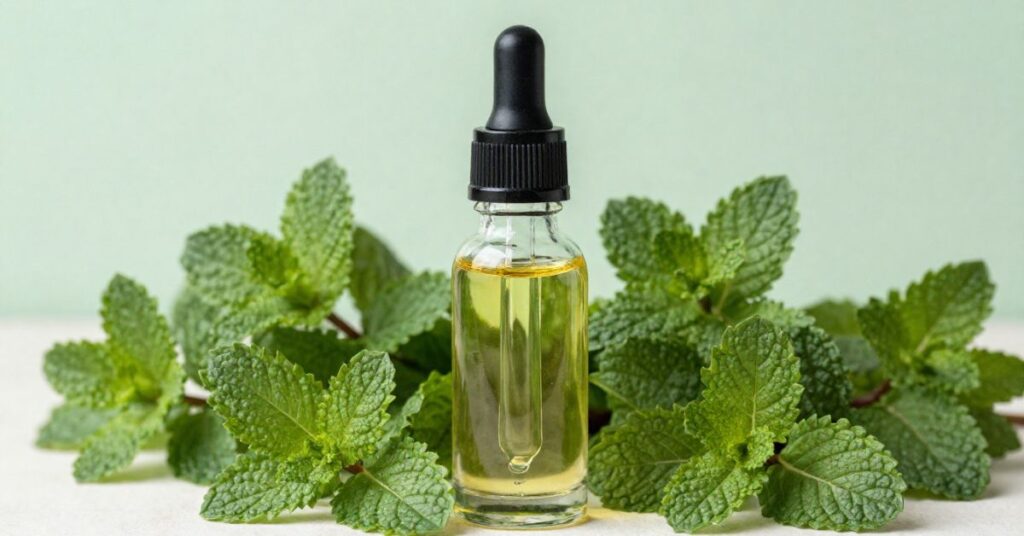
Creating your own spearmint oil for facial hair blends at home allows you to choose simple ingredients and avoid unnecessary additives. Many commercial facial oils contain fragrances, preservatives, or ingredients that may not suit sensitive skin. A homemade blend gives you better control over what you apply to your face.
Spearmint essential oil has become popular in natural skincare routines because of its refreshing properties and potential connection with hormonal support. However, it is important to understand that spearmint oil does not permanently remove facial hair. Instead, these DIY recipes focus on supporting healthy skin, improving comfort after hair removal, and creating a soothing skincare experience.
Because essential oils are highly concentrated, proper dilution is necessary. Applying undiluted spearmint essential oil directly to facial skin may cause irritation, redness, or sensitivity. Always mix spearmint oil with a gentle carrier oil such as jojoba oil before use.
These spearmint oil for facial hair recipes can become a helpful addition to your skincare routine. They work best when combined with realistic expectations, consistent care, and safe facial hair management practices.
Soothing Spearmint Oil for Facial Hair and Lavender Oil Blend
A soothing blend of spearmint oil for facial hair and lavender oil can create a calming facial treatment for people who regularly remove unwanted facial hair. Methods like threading, waxing, and tweezing may sometimes leave the skin feeling dry or sensitive. A lightweight oil blend can help maintain moisture and improve the overall feel of the skin.
Lavender essential oil is commonly used in skincare because of its relaxing aroma and gentle properties. When combined with spearmint oil and a nourishing carrier oil, it creates a balanced mixture that feels refreshing without being heavy.
This blend is not designed to remove existing facial hair. Instead, it supports a comfortable skincare routine by helping the skin feel smoother and more hydrated after regular grooming.
Ingredients for Spearmint Oil for Facial Hair Lavender Mixture
| Ingredient | Amount |
|---|---|
| Jojoba oil | 2 teaspoons |
| Spearmint essential oil | 2 drops |
| Lavender essential oil | 1 drop |
How to Apply Spearmint Oil for Facial Hair Blend Safely
Start by adding jojoba oil to a small dark glass bottle. Add the recommended drops of spearmint and lavender essential oils, then close the bottle and shake gently to combine the ingredients.
Before applying the blend to your face, perform a patch test on a small area of skin. If no irritation appears after several hours, you can use it on targeted areas.
Clean your face and apply two or three drops of the mixture to areas where you want extra skincare support. Massage gently using circular motions and allow the oil to absorb naturally.
For many people, evening application works well because the skin has time to rest overnight. Avoid using too much product because a small amount is usually enough for facial skin.
Exfoliating Spearmint Oil for Facial Hair Sugar Scrub
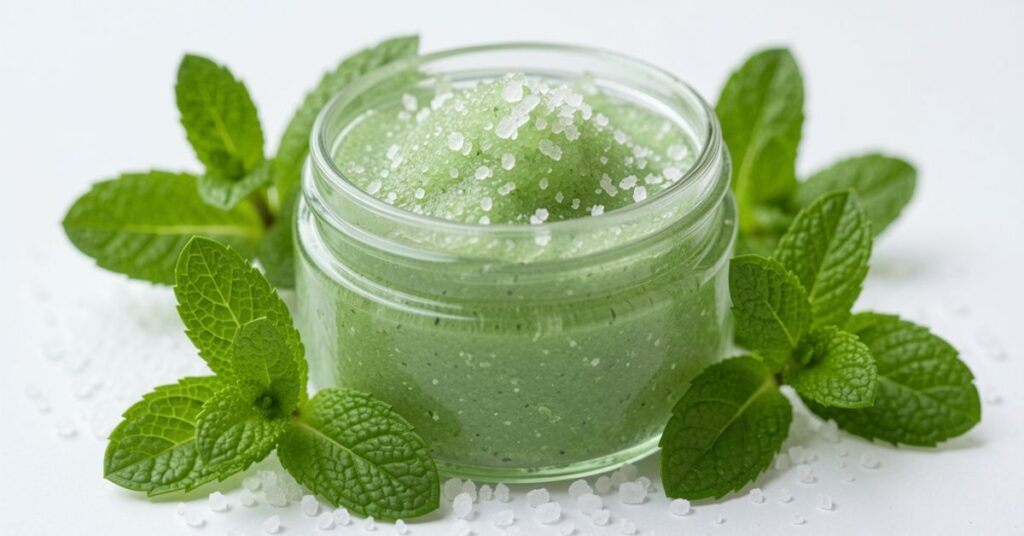
Exfoliation can play an important role in maintaining smooth and healthy-looking skin. A gentle spearmint oil for facial hair sugar scrub helps remove dead skin cells and improves the texture of areas that frequently experience shaving or other hair removal methods.
Unlike harsh scrubs that may damage the skin barrier, a mild exfoliating blend uses gentle movements to refresh the skin surface. This can help your skincare products absorb more evenly and leave your face feeling softer.
However, exfoliation does not reduce hair growth or permanently remove facial hair. Its main purpose is to support skin health and improve the appearance of the skin.
Ingredients for Spearmint Oil for Facial Hair Sugar Scrub
| Ingredient | Amount |
|---|---|
| Fine white or brown sugar | 1 tablespoon |
| Jojoba oil | 1 tablespoon |
| Spearmint essential oil | 2 drops |
How to Use Spearmint Oil for Facial Hair Scrub Properly
Combine sugar and jojoba oil in a clean bowl until the mixture reaches a soft texture. Add spearmint essential oil and mix carefully until all ingredients blend together.
Apply the scrub to damp skin and gently massage for 30 to 60 seconds. Avoid rubbing too hard because facial skin is delicate and may become irritated from excessive pressure.
Wash your face with lukewarm water and apply a moisturizer afterward. Using this scrub once or twice weekly is usually enough for most skin types.
People with sensitive skin should use extra caution and reduce the frequency if irritation occurs.
Refreshing Spearmint Oil for Facial Hair Green Tea Mask
A refreshing spearmint oil for facial hair green tea mask combines hydrating ingredients with natural plant extracts to create a relaxing skincare treatment. Green tea contains antioxidants, while honey and yogurt provide moisture and a smooth texture.
This mask can be especially enjoyable after facial grooming because it helps the skin feel refreshed. It does not remove hair, but it can support overall skin care and comfort.
Ingredients for Spearmint Oil for Facial Hair Green Tea Face Mask
| Ingredient | Amount |
|---|---|
| Cooled brewed green tea | 2 teaspoons |
| Plain yogurt | 1 tablespoon |
| Honey | 1 teaspoon |
| Spearmint essential oil | 1 drop |
Benefits of Spearmint Oil for Facial Hair Green Tea Face Mask
Mix yogurt, honey, and cooled green tea until the mixture becomes smooth. Add one drop of spearmint essential oil and stir gently.
Apply a thin layer to clean facial skin while avoiding the eye and lip areas. Leave the mask on for 10 to 15 minutes, then rinse with lukewarm water.
After removing the mask, apply a lightweight moisturizer to maintain hydration. Using this treatment once a week can help keep your skincare routine simple and enjoyable.
Always remember that essential oils should be used carefully. Even natural ingredients can cause sensitivity when used incorrectly.
Long-Term Use of Spearmint Oil for Facial Hair and Hirsutism Management
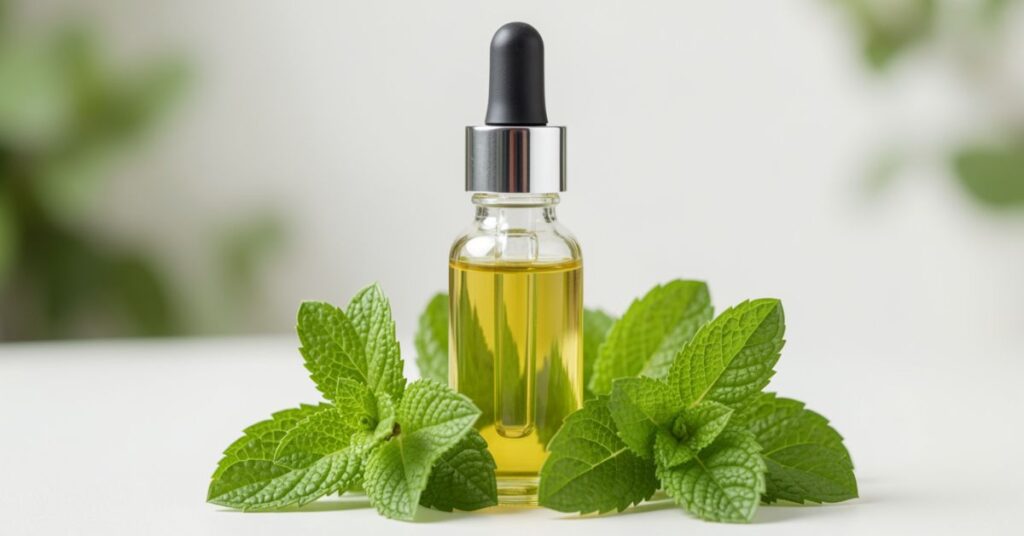
Using spearmint oil for facial hair requires patience and realistic expectations. Natural skincare approaches usually provide gradual support rather than immediate results.
These DIY recipes can help maintain soft, comfortable skin while you manage unwanted facial hair through your preferred methods. They can be part of a balanced routine that includes gentle cleansing, moisturizing, safe hair removal, and healthy lifestyle habits.
If facial hair becomes suddenly thicker, darker, or appears in new areas, it may be helpful to speak with a healthcare professional. Changes in facial hair growth can sometimes relate to hormonal factors that require proper evaluation.
The best approach is to focus on long-term skin health rather than expecting a single ingredient to solve every concern. When used safely and consistently, spearmint oil for facial hair blends can provide a natural and enjoyable addition to your personal care routine.
Mistakes to Avoid When Using Spearmint Oil
Many people stop using spearmint oil for facial hair because they expect fast results or unknowingly make mistakes that reduce its effectiveness. Although spearmint oil is easy to include in a skincare routine, using it incorrectly can increase the risk of irritation or lead to unrealistic expectations.
Avoiding the following mistakes will help you use the oil more safely while giving yourself the best chance of seeing gradual improvements over time.
Using undiluted essential oil
One of the biggest mistakes is applying pure spearmint essential oil directly to the face. Essential oils are highly concentrated and can cause burning, redness, itching, or contact dermatitis when used without a carrier oil.
Always dilute spearmint oil with a suitable carrier oil such as jojoba, sweet almond, fractionated coconut, or grapeseed oil before applying it to your skin. Proper dilution protects the skin barrier while still allowing regular use.
Even if your skin has tolerated other essential oils in the past, never assume spearmint oil will produce the same response. A simple patch test before the first application can prevent unnecessary irritation.
Expecting overnight results
Another common mistake is believing that spearmint oil for facial hair works within a few days. Hair follicles respond slowly to hormonal and biological changes, so meaningful improvements require patience.
Even under ideal conditions, visible changes usually take several weeks or months. Existing facial hair will not disappear overnight because the oil does not dissolve hair or destroy follicles.
Instead of checking for daily changes, evaluate your progress over longer periods. Taking monthly photos in similar lighting can help you notice gradual differences that may otherwise go unnoticed.
Applying too frequently
Using the oil several times a day may seem like a faster route to results, but it often has the opposite effect. Overuse can weaken the skin barrier, leading to dryness, irritation, or increased sensitivity.
A once-daily application is generally sufficient for most people. Those with sensitive skin may benefit from starting with three or four applications per week before increasing the frequency.
Remember that hair follicles need time to respond. More applications do not force the follicles to change more quickly.
Using poor-quality oils
Not all essential oils offer the same level of quality. Low-grade products may contain synthetic fragrances, fillers, or diluted ingredients that reduce their purity and overall performance.
When purchasing spearmint oil for facial hair, choose products that clearly list the botanical name Mentha spicata, include complete ingredient information, and come in dark glass bottles. These features help protect the oil from light exposure, preserve its quality, and make it easier to identify a pure, high-quality product.
Reputable brands often include batch numbers, purity testing, or third-party quality verification. Investing in a high-quality oil improves both safety and consistency.
Applying before sun exposure
Although spearmint oil for facial hair does not cause photosensitivity as often as citrus oils like bergamot or lemon, it can still make freshly treated skin more sensitive to sunlight.
Avoid applying essential oils right before spending long periods outdoors, especially if shaving, threading, or waxing has already irritated your skin. Instead, apply spearmint oil in the evening or protect treated skin with sunscreen during the day. This simple step helps reduce irritation and supports a healthier skin barrier.
For this reason, many people prefer applying diluted spearmint oil in the evening, allowing the skin to recover overnight. If you use it during the day, follow with a broad-spectrum sunscreen as part of your regular skincare routine.
Being inconsistent
Consistency plays a major role in any skincare routine. Applying spearmint oil for a week, stopping for several weeks, and then restarting makes it difficult to judge whether the oil is providing any benefit.
Creating a simple routine that fits naturally into your daily schedule is often more effective than applying the oil sporadically. Evening application after cleansing is convenient for many people because it reduces the likelihood of forgetting.
Tracking your progress every four to six weeks can also help you stay motivated while keeping your expectations realistic.
Combining with oils that stimulate hair growth
Some natural oils are traditionally used to encourage scalp hair growth. These oils may not be suitable for areas where you want to manage unwanted facial hair.
For example, rosemary oil, castor oil, and peppermint oil are often promoted for stimulating hair growth. People commonly apply them to the scalp because they may support healthier hair follicles. Using these oils with spearmint oil for facial hair may create conflicting goals. This is especially true if your aim is to reduce the appearance of facial hair instead of encouraging stronger hair growth.
If you want to combine essential oils, choose ingredients that support skin health. Avoid oils that are widely marketed for promoting hair growth. This approach helps keep your skincare routine aligned with your facial hair management goals. A simple, well-formulated routine is usually more effective than mixing multiple oils without a clear purpose.
Side Effects, Safety Precautions, and Who Should Avoid Using Spearmint Oil
Although spearmint oil for facial hair is generally considered safe when properly diluted, it is still a highly concentrated essential oil. Like any skincare ingredient, it can cause unwanted reactions in some people, especially when used incorrectly or on sensitive skin. Understanding the possible risks helps you make informed decisions and reduces the chance of irritation or other complications.
It is also important to remember that natural does not always mean harmless. Individual skin sensitivity, allergies, medications, and underlying medical conditions can all affect how your body responds. Following basic safety guidelines allows you to enjoy the potential benefits while minimizing unnecessary risks.
Skin irritation and allergic reactions
The most common side effects of spearmint oil are skin irritation and allergic contact dermatitis. Symptoms may include redness, itching, burning, swelling, dryness, or the appearance of a rash shortly after application.
These reactions are more likely when the oil is used undiluted, applied too frequently, or placed on damaged skin. Even properly diluted products can occasionally trigger sensitivity in people who are allergic to plants in the mint family.
If you experience discomfort, wash the area with a gentle cleanser and discontinue use immediately. Persistent or severe reactions should be evaluated by a healthcare professional.
Pregnancy and breastfeeding
Researchers have conducted only limited studies on the safety of topical spearmint oil for facial hair during pregnancy and breastfeeding. Because essential oils contain biologically active compounds that the skin may absorb, healthcare professionals recommend extra caution.
If you are pregnant or breastfeeding, avoid using spearmint oil regularly unless your healthcare provider specifically recommends it. Follow this advice especially when you plan to apply the oil over large areas or use it for long periods. Taking these precautions helps reduce unnecessary risks while protecting both maternal and infant health.
When safer alternatives are available, many healthcare professionals recommend postponing routine essential oil use until after pregnancy and breastfeeding.
Hormonal disorders
People with diagnosed hormonal disorders should use spearmint oil carefully and only as a supportive measure rather than a primary treatment.
Conditions such as PCOS, adrenal disorders, thyroid disease, or other endocrine problems require proper medical evaluation and ongoing management. While spearmint has shown potential hormone-related effects in some studies, current evidence is not strong enough to recommend it as a substitute for prescribed treatment.
If you are receiving hormonal medication or fertility treatment, discuss the use of herbal products with your healthcare provider before incorporating spearmint oil into your routine.
Sensitive or damaged skin
Individuals with eczema, rosacea, active acne lesions, recent chemical peels, sunburn, or broken skin should avoid applying spearmint oil directly to affected areas.
When the skin barrier is already compromised, even diluted essential oils may increase stinging or inflammation. It is usually best to allow the skin to heal completely before introducing new active ingredients.
If your skin is naturally sensitive, start with a lower concentration and use the oil only a few times per week while monitoring for any signs of irritation.
Photosensitivity
Unlike some citrus essential oils, spearmint oil is not considered strongly photosensitizing. However, freshly treated skin may still become more vulnerable to environmental irritation after any essential oil application.
For this reason, many people prefer applying diluted spearmint oil as part of their evening skincare routine. If you apply it during the day, finish with a broad-spectrum sunscreen (SPF 30 or higher) and avoid prolonged sun exposure whenever possible.
Protecting your skin from ultraviolet damage is important regardless of whether you use essential oils.
When to consult a doctor
While mild facial hair is often harmless, some situations require professional medical advice rather than self-treatment.
You should consult a healthcare provider if:
- Facial hair begins growing suddenly or rapidly.
- Hair growth is accompanied by irregular periods, infertility, severe acne, or scalp hair loss.
- You notice a deeper voice, increased muscle mass, or other signs of excess androgen hormones.
- Skin irritation persists despite stopping the oil.
- You suspect an allergic reaction or experience swelling that affects breathing or swallowing.
A doctor can identify whether an underlying medical condition is contributing to excessive facial hair and recommend the most appropriate treatment plan.
How to reduce the risk of side effects
Most side effects associated with spearmint oil for facial hair can be avoided by following a few simple safety practices.
Always dilute the essential oil with a suitable carrier oil before applying it to your face, and perform a 24-hour patch test before the first use. Apply only a thin layer to intact skin, avoid contact with the eyes and lips, and never use the oil on open wounds or infected areas.
Store the bottle tightly closed in a cool, dark place to preserve its quality, and replace the product if it develops an unusual smell or passes its recommended shelf life.
Finally, use spearmint oil as part of a balanced skincare routine rather than relying on it as a standalone solution. Safe, consistent application combined with realistic expectations provides a far better experience than excessive use or unverified home remedies.
How Long Does It Take to See Results?
One of the most common questions about spearmint oil for facial hair is how quickly it works. The honest answer is that there is no fixed timeline because facial hair growth depends on hormone levels, genetics, hair growth cycles, and the underlying cause of the excess hair. Unlike shaving or waxing, which provide immediate cosmetic results, spearmint oil works gradually, so noticeable improvements—if they occur—take time.
It is also important to understand that existing facial hair will not disappear simply because you start using spearmint oil. Any potential benefits are more likely to affect future hair growth than the hairs that are already visible. For this reason, patience and consistency are essential when evaluating your progress.
Expected timeline
The exact timeframe varies from person to person, but most users should not expect visible changes during the first few weeks. Hair follicles complete their natural growth cycle slowly, and any influence on that cycle develops over an extended period rather than overnight.
The timeline below reflects realistic expectations rather than guaranteed results.
| Time Period | What You May Notice |
| Weeks 1–2 | Skin becomes accustomed to the routine. No significant change in facial hair is usually expected. |
| Weeks 3–6 | Some users notice that new hairs feel slightly softer or regrow a little more slowly, although many people still see little visible difference. |
| Months 2–3 | Consistent users may observe gradual improvements in hair texture or the time between hair removal sessions. Results remain subtle rather than dramatic. |
| After 3 months | Individuals who respond well may continue to notice slower regrowth or finer hair. Others may experience minimal improvement if facial hair is primarily genetic or caused by significant hormonal imbalance. |
Remember that these timelines are based on general observations and available evidence. They should not be interpreted as guaranteed outcomes for every individual.
Factors that affect results
Several factors determine whether spearmint oil for facial hair is likely to produce noticeable improvements.
The underlying cause of facial hair growth is one of the biggest influences. Women with mild hormone-related hirsutism may respond differently than those whose facial hair is mainly determined by genetics or menopause.
Hormone balance also plays an important role. Elevated androgen levels associated with conditions such as PCOS may require medical treatment in addition to natural remedies. Spearmint oil alone is unlikely to correct significant hormonal disorders.
Consistency of use is another major factor. Applying properly diluted spearmint oil according to a regular schedule gives your skin and hair follicles the best opportunity to respond over time. Frequent interruptions or stopping after only a few weeks makes it difficult to evaluate whether the routine is helping.
Product quality can also influence the overall experience. Choosing a pure, high-quality essential oil and storing it correctly helps maintain its stability and effectiveness throughout the treatment period.
Finally, individual biology cannot be overlooked. Age, genetics, hair follicle sensitivity, overall health, medications, stress levels, and lifestyle habits all affect how facial hair grows. Because these factors vary widely, two people following the same routine may experience very different outcomes.
Rather than focusing on rapid transformation, aim for steady, long-term progress. Taking clear photographs every four to six weeks under similar lighting can provide a more accurate picture of subtle changes than checking the mirror every day. This approach helps you judge your results objectively while keeping expectations realistic.
Scientific Evidence and Real-World Results

Interest in spearmint oil for facial hair has grown rapidly over the past few years, but it is important to distinguish scientific evidence from personal experiences shared online. While research on spearmint is encouraging, the available studies remain limited, and most have investigated spearmint tea rather than topical essential oil. At the same time, thousands of users have shared their own experiences on blogs, forums, and social media, providing valuable insights into what people commonly notice in everyday use.
When you consider both scientific research and personal experiences together, you gain a more balanced understanding. Current evidence suggests that spearmint oil for facial hair may support long-term facial hair management. However, you should not treat it as a proven replacement for medical care or professional hair removal procedures.
What clinical studies suggest
Clinical research has primarily focused on whether spearmint can influence androgen hormones, particularly free testosterone, which plays a significant role in unwanted facial hair growth in women.
Several small human studies involving women with mild hirsutism or PCOS found that regular consumption of spearmint tea was associated with a reduction in free testosterone levels. Some participants also reported modest improvements in symptoms related to excess androgens after consistent use over a period of weeks.
However, these studies also have important limitations. Most included relatively few participants, lasted for a short period, and did not directly evaluate topical spearmint oil for facial hair. As a result, researchers cannot yet conclude that applying spearmint essential oil to the skin produces the same hormonal effects observed with drinking the tea.
Overall, the scientific evidence is promising but not conclusive. Larger, long-term clinical trials are still needed to determine how effective topical spearmint oil may be and which individuals are most likely to benefit.
What users commonly report
Outside of clinical research, many people have shared their experiences using spearmint oil for facial hair as part of their daily skincare routine. Although these personal reports do not provide scientific proof, they help illustrate the range of results that users have observed.
Among those who report positive experiences, the most common improvements include:
- Slower facial hair regrowth
- Softer and finer new hairs
- Longer intervals between shaving, threading, or waxing
- Less skin irritation when used after hair removal
- Healthier-looking skin with consistent use
Some users also mention that combining diluted spearmint oil with a healthy lifestyle and regular skincare routine produced better results than relying on the oil alone. Others choose to pair topical application with moderate consumption of spearmint tea after discussing it with their healthcare provider.
It is worth noting that these reports vary widely. Treat personal experiences as anecdotal instead of considering them definitive evidence. Hormones, genetics, skincare habits, lifestyle, and overall health vary greatly from one person to another, so individual results can differ significantly.
Why some people don’t get results
Not everyone experiences noticeable improvements with spearmint oil for facial hair, and there are several reasons why this can happen.
One of the most common explanations is that the underlying cause of facial hair is genetic rather than hormonal. If hair follicles are naturally programmed to produce thicker facial hair, topical spearmint oil is unlikely to create dramatic changes.
Another reason is incorrect use. Applying undiluted oil, using it inconsistently, choosing poor-quality products, or stopping after only a few weeks may prevent any potential benefits from becoming noticeable.
Hormonal conditions such as PCOS, adrenal disorders, or thyroid disease can also influence the outcome. In these situations, natural remedies may provide only limited support unless the underlying condition is treated appropriately.
Finally, expectations themselves can affect satisfaction. Some people hope for permanent hair removal, but current evidence does not support this claim.Consider spearmint oil for facial hair a gradual, supportive option instead of expecting it to eliminate facial hair completely. With consistent use, it may help manage unwanted facial hair over time as part of a broader care routine.
To achieve the best results, set realistic expectations and apply spearmint oil consistently. Pair it with a healthy skincare routine and seek professional medical advice if a hormonal condition or PCOS causes excessive facial hair. This balanced approach addresses the underlying cause while supporting long-term facial hair management.
Spearmint Oil vs Other Natural Remedies for Facial Hair
Natural remedies for unwanted facial hair continue to gain popularity because many people prefer starting with gentle, plant-based options before considering more intensive treatments. However, not every remedy works in the same way. Some ingredients mainly support skin health, while others may influence factors associated with hair growth. Understanding these differences helps you choose the most suitable option for your needs.
Among the many natural remedies available, using spearmint oil for facial hair stands out because of its potential connection to androgen hormones. In contrast, ingredients like lavender, tea tree oil, and turmeric are generally valued for their skin-soothing, anti-inflammatory, or cosmetic properties rather than their ability to directly affect facial hair growth.
Comparing Spearmint Oil for Female Facial Hair Reduction to Other Essential Oils
Both spearmint and lavender are widely used essential oils, but they serve different purposes in skincare.
Spearmint oil for facial hair has attracted attention because research suggests compounds from the spearmint plant may help support healthy androgen balance in some women. This is one reason it is often discussed in relation to hormone-related facial hair.
Lavender oil, on the other hand, is best known for its calming fragrance and its ability to soothe irritated skin. It may help reduce redness after shaving, waxing, or threading and can promote a healthier skin barrier. However, there is currently very limited scientific evidence showing that lavender oil alone reduces unwanted facial hair.
For people who experience irritation after hair removal, lavender can complement spearmint well. It supports skin recovery, while spearmint remains the ingredient with greater research interest regarding hormone-related facial hair management.
Spearmint Oil vs. Tea Tree Oil for Hair Reduction
Tea tree oil is widely recognized for its antimicrobial and anti-inflammatory properties. It is commonly used to manage acne, reduce excess oil, and support clearer skin.
Unlike using spearmint oil for hair reduction, tea tree oil is not primarily used to manage unwanted hair growth. Although healthy skin can improve the overall appearance of treated areas, tea tree oil does not have strong scientific evidence showing that it slows facial hair growth or changes hair follicle activity.
One advantage of tea tree oil is that it may help reduce blemishes or irritation that occasionally develop after shaving or threading. Individuals with acne-prone skin sometimes include it in their skincare routine for this reason. If your primary concern is unwanted facial hair rather than acne, spearmint oil is generally the more relevant natural option.
Evaluating Spearmint Oil vs. Turmeric Remedies
For centuries, people have used turmeric in traditional skincare because it offers natural anti-inflammatory and antioxidant properties. Many home skincare routines also include turmeric masks as a natural remedy for unwanted facial hair.
Turmeric may temporarily make fine facial hair look less noticeable because it leaves a light layer on the skin. However, current scientific research provides very little evidence that turmeric can reduce facial hair permanently or deliver long-term hair reduction. Most improvements reported by users relate to brighter-looking skin rather than meaningful changes in hair growth.
Another practical consideration is staining. Turmeric can leave a temporary yellow tint on light-colored skin, clothing, towels, and bathroom surfaces if not removed carefully. Compared with turmeric, spearmint oil for hirsutism management has stronger scientific interest because researchers have investigated its possible influence on androgen hormones rather than relying mainly on traditional use.
Which Natural Spearmint Oil Applications or Remedies Work Best?
There is no single natural remedy that works equally well for everyone because facial hair growth has many possible causes.
If a mild hormonal imbalance causes unwanted facial hair, current research gives spearmint oil for facial hair the strongest scientific support among these natural options. However, researchers continue to study its long-term effectiveness and overall benefits. It may offer supportive benefits when used consistently alongside a healthy lifestyle and appropriate medical care.
If your goal is mainly to soothe irritated skin after shaving or waxing, lavender oil may be a better addition to your routine. For individuals struggling with acne or frequent post-hair-removal breakouts, tea tree oil may provide greater skincare benefits. Meanwhile, turmeric is most useful for improving overall skin appearance rather than influencing facial hair itself.
The comparison below summarizes their strengths.
| Natural Remedy | Primary Benefit | Evidence for Facial Hair Reduction |
| Spearmint Oil | May support hormone-related facial hair management | Moderate but still limited |
| Lavender Oil | Soothes irritated skin | Limited |
| Tea Tree Oil | Helps support clearer skin | Very limited |
| Turmeric | Brightens and calms the skin | Very limited |
Ultimately, the most effective approach depends on the underlying reason for facial hair growth. When conditions such as PCOS or other hormonal disorders cause excessive hair growth, you should focus on treating the underlying cause with guidance from a healthcare professional. Natural remedies, including spearmint oil for facial hair, can provide supportive care, but they should not replace proper medical evaluation or treatment. Spearmint oil can be a valuable supportive tool, but it works best as part of a comprehensive long-term management plan rather than as a standalone solution.
Other Ways to Manage Unwanted Facial Hair with Spearmint Oil Support
While spearmint oil for facial hair may support a healthy skincare routine, it does not remove existing hair from the face. For this reason, many women use it alongside reliable hair removal methods to maintain smoother skin while waiting for gradual changes.
The best approach depends on several factors, including hair thickness, skin sensitivity, budget, pain tolerance, and the possible cause of unwanted facial hair. Some methods provide quick results, while others focus on longer-lasting hair reduction.
Combining gentle hair removal techniques with healthy lifestyle habits and proper skincare can help many women manage unwanted facial hair more effectively.
Shaving for Unwanted Facial Hair Removal
Shaving is one of the easiest and most affordable ways to remove unwanted facial hair. It provides quick results and does not require professional treatment. Many women choose facial razors because they are convenient and suitable for regular use at home.
A common myth suggests that shaving makes facial hair grow back thicker or darker. However, shaving only cuts the hair at the skin surface. It does not change the hair follicle or affect the natural growth rate. The new hair may feel rougher because of its blunt edge, but it does not become thicker.
For better results, use a clean facial razor on damp skin with a gentle shaving product. Applying a fragrance-free moisturizer afterward can help protect the skin and reduce dryness or irritation.
Waxing for Longer-Lasting Facial Hair Smoothness
Waxing removes unwanted facial hair from the root, which allows the skin to stay smooth for several weeks. Many women prefer waxing because it provides longer-lasting results compared with shaving.
This method works well for areas such as the upper lip, chin, and jawline. Since waxing removes the entire hair shaft, new growth often feels softer during the regrowth process.
However, waxing can cause temporary redness, sensitivity, or irritation, especially on delicate facial skin. People who use retinoids, exfoliating acids, or certain acne treatments should take extra care because these products can make the skin more sensitive.
Using a soothing moisturizer after waxing may help calm the skin and maintain a healthy barrier.
Threading for Precise Facial Hair Management
Threading is a traditional hair removal method that uses a twisted cotton thread to remove individual hairs from the follicle. It offers excellent control, making it a popular choice for eyebrow shaping, upper lip hair removal, and detailed facial grooming.
Unlike some chemical-based methods, threading does not expose the skin to artificial ingredients. It can remove even fine hairs while creating a clean and precise appearance.
Some temporary redness or mild irritation may appear after threading, but this usually improves quickly. Applying a gentle skincare product after the treatment can help soothe the area.
For women using spearmint oil for facial hair as part of a long-term routine, threading can provide immediate smoothness while natural approaches are used for ongoing support.
Laser Hair Removal for Long-Term Facial Hair Reduction
Laser hair removal is one of the most effective options for reducing unwanted facial hair over time. This treatment uses focused light energy to target pigment in hair follicles, which can reduce their ability to produce new hair.
Most people need multiple sessions to achieve noticeable results because hair grows in different cycles. Maintenance treatments may also be needed because hormonal changes can encourage new hair growth.
Laser treatment often provides better results for people with darker hair, although modern technology has improved options for different skin tones. A professional consultation can help determine whether this treatment suits your skin and hair type.
Although laser hair removal costs more than temporary methods, many people choose it because it can reduce the need for frequent shaving or waxing.
Prescription Treatments for Hormonal Facial Hair Growth
When unwanted facial hair develops because of hormonal changes, medical treatment may provide better long-term support. Conditions such as PCOS can increase androgen levels, which may contribute to thicker facial hair growth.
A healthcare professional may recommend treatments that help manage hormone activity or reduce the effects of excess androgens. Some people may also use prescription creams, such as eflornithine, which can slow the growth of new facial hair.
These treatments do not remove existing hair immediately. Instead, they work gradually and often provide better results when combined with suitable hair removal methods.
A medical evaluation is important when facial hair growth appears suddenly, becomes severe, or occurs with symptoms such as irregular periods, acne, or unexplained weight changes.
Comparing Spearmint Oil for Facial Hair with Other Hair Removal Methods
Different facial hair management options offer different benefits. Some methods focus on quick removal, while others support longer-term reduction.
| Method | How Long Results Last | Best For | Permanent? |
|---|---|---|---|
| Shaving | 1–3 days | Quick and painless removal | No |
| Waxing | 3–6 weeks | Longer-lasting smooth skin | No |
| Threading | 2–5 weeks | Precise facial hair removal | No |
| Laser Hair Removal | Months to years with maintenance | Long-term hair reduction | Not always permanent |
| Prescription Treatments | Depends on continued use | Hormonal facial hair concerns | No |
| Spearmint Oil | Gradual support over time | Mild hormone-related facial hair management | No |
No single method works perfectly for everyone. Some women may find that combining spearmint oil for facial hair with regular grooming provides a balanced approach. Others may need professional treatments, especially when hair growth is linked to hormonal concerns.
If facial hair growth becomes excessive, appears suddenly, or occurs with other hormone-related symptoms, speaking with a healthcare provider is the best step. Addressing the underlying cause can provide better long-term results than cosmetic methods alone.
Final Verdict: Is Spearmint Oil Worth Trying for Facial Hair?
For women searching for a gentle, natural way to manage unwanted facial hair, using spearmint oil for facial hair is a promising option, but it is important to keep your expectations realistic. Current research suggests that spearmint may support healthy androgen balance, particularly in women with mild PCOS-related hirsutism, yet there is no scientific evidence that topical spearmint oil permanently removes facial hair or works as quickly as cosmetic hair removal methods.
Its greatest strength lies in its potential to become part of a long-term facial hair management strategy. When properly diluted, applied consistently, and combined with healthy skincare habits, some users may notice slower regrowth, finer hair texture, and calmer skin after routine hair removal. These improvements usually develop gradually, which is why patience and consistency are far more important than applying larger amounts or expecting overnight changes.
Weighing the Benefits of Spearmint Oil for Female Facial Hair Reduction
At the same time, never ignore excessive facial hair if it appears suddenly or occurs along with irregular periods, severe acne, scalp hair thinning, or other signs of hormonal changes. In these situations, identifying and treating the underlying medical cause is far more effective than relying on any natural remedy alone.
Integrating Spearmint Oil for Hair Reduction Into Your Routine
Overall, choosing spearmint oil for facial hair care is worth considering if you are looking for a safe, supportive addition to your skincare routine rather than a miracle cure. Used alongside appropriate hair removal methods, healthy lifestyle choices, and professional medical advice when necessary, taking advantage of natural spearmint oil applications can play a meaningful role in helping some women manage unwanted facial hair naturally over time.
FAQs:
Does spearmint oil permanently remove facial hair?
No. Spearmint oil for facial hair does not permanently remove facial hair or destroy hair follicles. Current research suggests that spearmint may help support healthy androgen balance in some women, which could gradually slow new hair growth or make it appear finer. However, existing hair will still need to be removed using methods such as shaving, threading, or waxing.
Can I apply spearmint oil every day?
Yes, most people can safely use properly diluted spearmint oil once a day if their skin tolerates it well. Daily evening application is often the most practical because it gives the skin several hours to absorb the diluted oil without immediate exposure to sunlight.
If you have sensitive skin, begin with three to four applications per week and gradually increase the frequency only if no redness, itching, or irritation develops.
How long should I leave spearmint oil on my face?
When mixed with a suitable carrier oil, spearmint oil can usually be left on the skin as part of your nighttime skincare routine. Applying it before bed allows the diluted oil to remain on the skin for several hours.
If you are using it for the first time, monitor your skin carefully. Should you notice burning, excessive dryness, or discomfort, wash the area with a gentle cleanser and discontinue use.
Can men use spearmint oil for facial hair?
Yes, men can use spearmint oil on their facial skin. However, the purpose is different.
Most men want to encourage beard growth, whereas spearmint is generally discussed as a natural option for managing unwanted facial hair, particularly in women with mild hormone-related hirsutism. Men hoping to grow a fuller beard are unlikely to choose spearmint oil for that purpose.
Can spearmint oil help with PCOS facial hair?
It may help some women, but it should not replace medical treatment.
Research suggests that spearmint may support healthy free testosterone levels in certain women with PCOS, which could contribute to slower facial hair growth over time. Even so, PCOS is a complex hormonal condition that often requires professional diagnosis and a personalized treatment plan.
Using spearmint oil for facial hair alongside healthy lifestyle habits and medical advice may provide additional support, but results vary between individuals.
Can I mix spearmint oil with coconut oil?
Yes. Fractionated coconut oil is commonly used as a carrier oil because it is lightweight, stable, and spreads easily across the skin.
Mixing 1 drop of spearmint essential oil with 1 teaspoon of fractionated coconut oil creates a gentle facial dilution suitable for many skin types. If you are prone to clogged pores, however, jojoba or grapeseed oil may be a better choice because they feel lighter on the skin.
Does spearmint tea work better than spearmint oil?
Current scientific research is stronger for spearmint tea than for topical spearmint oil.
Several studies have investigated spearmint tea and its possible influence on androgen hormones, whereas far fewer studies have examined applying spearmint essential oil directly to the skin. That does not mean topical oil is ineffective; it simply means more research is needed before firm conclusions can be made.
Many people choose topical oil to complement their skincare routine while discussing regular spearmint tea consumption with their healthcare provider.
Which carrier oil is best for facial application?
The ideal carrier oil depends on your skin type.
- Jojoba oil works well for oily and combination skin because it closely resembles the skin’s natural oils.
- Sweet almond oil provides gentle moisture for dry skin.
- Fractionated coconut oil offers a smooth texture and long shelf life.
- Grapeseed oil is lightweight and suitable for people who prefer a fast-absorbing finish.
Regardless of which carrier oil you choose, always perform a patch test before applying any new blend to your face.