Introduction:
Sleep affects everything in daily life. When sleep feels broken, the whole day becomes harder and more stressful. Many people now turn to essential oils for sleep as a gentle and natural way to relax before bedtime.
This growing interest in essential oils for sleep comes from their calming effects and easy use in night time routines. These oils are added to diffusers, pillow sprays, bath blends, and roll-ons to help create a peaceful and relaxing mood at night.
This article begins with the most important part: why essential oils for sleep are getting so much attention and why so many people are adding them to their night-time routine.
Why Essential Oils for Sleep Have Become So Popular
Essential oils are not a magic cure for sleep problems, but they have become a favorite choice for people who want a simple and natural bedtime ritual. They are easy to use, they smell pleasant, and they can turn an ordinary bedroom into a more peaceful space. For many users, that small shift matters a lot. A relaxing scent before bed can tell the mind that it is time to slow down.
The Connection Between Aromatherapy and Better Sleep
Aromatherapy works through scent. When you breathe in a calming aroma, your brain may begin to associate that smell with rest, comfort, and bedtime. This is one reason essential oils for sleep and anxiety are often used together in relaxation routines. The scent itself does not replace healthy sleep habits, but it can support them. Over time, the brain can link a certain fragrance with winding down, just like it links a soft lamp or quiet music with rest.
Many people use lavender, bergamot, or chamomile in the evening because these scents feel soft and calming. As a result, the room begins to feel more restful, and the bedtime routine becomes more predictable. That consistency can help the body settle more easily.
How Essential Oils Affect the Mind and Body
Essential oils are often used because they work on both mood and atmosphere. A soothing scent can help a person feel less tense after a stressful day. It can also make breathing feel slower and more intentional during bedtime routines. When the mind feels busy, even a small calming ritual can create a sense of control.
For example, a person may diffuse best essential oils for sleep diffuser blends while reading, stretching, or meditating. That simple act can become a signal for the body to move out of “day mode” and into “night mode.” In this way, essential oils support the feeling of relaxation, even if they are only one part of the sleep process.
Why More People Are Choosing Natural Sleep Support
Many people prefer natural sleep support because they want options that feel gentle and easy to fit into daily life. They may not want heavy products, complicated routines, or strong bedtime habits that feel difficult to follow. A scent-based routine is simple. It only takes a few drops, a diffuser, or a roll-on.
Another reason is flexibility. One person may use Essential oils for Sleep Roll On at the wrists, while another may prefer a diffuser in the bedroom. Some people like floral blends, while others prefer woodsy or citrus notes. This makes essential oil for sleep routines easy to personalize. You can choose the scent that feels best for your mind, your space, and your bedtime habits.
People also like the comfort of building a small nighttime ritual. That ritual may include dim lights, a warm shower, and a calming aroma. Together, these details can make the night feel slower and softer. For many users, that is the biggest reason essential oils have stayed popular.
Benefits of Using Essential Oils for Sleep
Using essential oil for sleep can turn bedtime into a calmer and more comforting experience. Many people struggle to slow down after a busy day, and that is where a soothing scent routine can help. While essential oils do not replace proper sleep habits, they can support relaxation, comfort, and a more peaceful nighttime mood. This makes them a useful part of a bedtime routine for people who want natural sleep support.
Helps Calm a Busy Mind
A busy mind is one of the most common reasons people struggle to fall asleep. Thoughts about work, family, money, or tomorrow’s tasks often keep the brain active long after lights out. A calming aroma can help shift attention away from stress and into relaxation.
This is one reason many people use essential oils for sleep and anxiety before bed. The scent becomes part of a calming signal. Over time, your brain may begin to connect that aroma with rest, which can make it easier to settle down at night. Even a few minutes of deep breathing with a soothing oil can help create a slower and more peaceful mental state.
Supports Relaxation Before Bed
A good bedtime routine tells the body that it is time to rest. Essential oils can make that routine feel more intentional. When you use a diffuser, roll-on, or pillow spray, you create a small moment of pause before sleep. That moment matters because it helps separate the busy part of the day from the quiet part of the night.
Many people use the best essential oils for sleeping such as lavender, chamomile, or cedarwood because these scents feel soft and grounding. They do not force sleep, but they help prepare the mind and body for rest. As a result, bedtime feels less rushed and more peaceful.
Creates a Peaceful Sleep Environment
Sleep is not only about the body. It is also about the space around you. A bedroom that smells calm and clean can feel more restful than one that feels loud, bright, or stressful. Essential oils can help create that peaceful atmosphere.
A diffuser blend with a gentle scent can make the room feel warmer and more relaxing. A pillow spray can make bedding feel softer and more inviting. A roll-on can also help you enjoy the same scent every night, which builds familiarity. This kind of environment supports the whole sleep experience and makes your bedroom feel like a true rest space.
May Help Reduce Nighttime Stress and Tension
Stress often stays in the body even after the day ends. Tight shoulders, a tense jaw, or a restless feeling in the chest can make it harder to sleep well. A calming essential oil routine may help reduce that nighttime tension.
For some people, using essential oil for sleep after a bath, during meditation, or while lying in bed can help the body relax more naturally. Scents such as lavender, bergamot, frankincense, and vetiver are especially popular because they feel soothing and grounding. When used as part of a regular bedtime habit, they can support a smoother transition into sleep.
The Best Essential Oils for Sleep and Relaxation
Choosing the right essential oil for sleep depends on your mood, stress level, and personal scent preference. Some oils feel light and floral, while others feel deep, woody, or grounding. Below is a carefully selected list of the best essential oils for sleep that are widely used in aromatherapy for relaxation, stress relief, and bedtime comfort.
Lavender Essential Oil
Lavender is the most popular sleep oil in the world. It has a soft floral scent that helps create a calm and peaceful mood. Many people use lavender in diffusers or pillow sprays before bed because it supports relaxation and helps slow down racing thoughts.
Cedarwood Essential Oil
Cedarwood has a warm, woody aroma that feels grounding. It is often used in nighttime blends because it helps create a stable, calm environment. This oil is ideal for people who feel mentally overstimulated before sleep.
Bergamot Essential Oil
Bergamot Essential Oil is unique because it is both refreshing and calming. It helps reduce stress while keeping the mood light. It is a great choice for people who feel anxious at night but do not want overly heavy scents.
Chamomile Essential Oil
Chamomile is gentle, soothing, and slightly sweet. It is often used for emotional relaxation and bedtime comfort. Many sleep blends include chamomile because it creates a soft and peaceful atmosphere.
Clary Sage Essential Oil
Clary sage has an earthy herbal scent that helps calm the nervous system. It is often used in blends designed for stress relief and emotional balance before sleep.
Ylang-Ylang Essential Oil
This oil has a rich floral scent that feels calming and slightly romantic. It is known for helping reduce tension and supporting emotional relaxation.
Neroli Essential Oil
Neroli has a soft citrus-floral aroma that helps calm the mind. It is often used in luxury sleep blends because it promotes emotional peace and comfort.
Frankincense Essential Oil
Frankincense is a deep, resinous oil that supports slow breathing and meditation. It is often used before sleep to create a quiet, spiritual, and grounding environment.
Vetiver Essential Oil
Vetiver is one of the most powerful grounding oils. It has a strong earthy scent that helps calm an overactive mind. It is especially useful for people who struggle with restless sleep.
Sweet Orange Essential Oil
Sweet orange is bright and uplifting but also relaxing when used in small amounts. It helps reduce stress and creates a gentle, happy bedtime environment.
Valerian Essential Oil
Valerian is known for its strong calming properties. It is often used in blends for deep relaxation and is popular in traditional sleep remedies.
Marjoram Essential Oil
Marjoram has a warm herbal scent that helps relax tight muscles and calm the nervous system. It is often included in nighttime massage blends.
These oils can be used alone or blended together depending on your needs. For example, lavender and cedarwood are a classic calming combination, while bergamot and chamomile are often used for stress relief.
How to Choose the Right Essential Oil for Your Sleep Needs
Not every essential oil for sleep works the same way. Some oils feel more calming for stress, while others feel deeper, softer, or more grounding. The best choice depends on what is keeping you awake. Are you feeling anxious, restless, mentally overloaded, or simply unable to relax? Once you know the main problem, it becomes much easier to choose the right oil.
The table below can help you match your sleep concern with the most suitable oil.
| Sleep Need | Best Essential Oils | Why They Help |
| Stress and anxiety | Lavender, Bergamot, Chamomile | These oils feel soft, calm, and comforting. They are often used in essential oils for sleep and anxiety blends. |
| Deep relaxation | Cedarwood, Frankincense, Ylang-Ylang | These oils create a grounded and peaceful bedtime mood. |
| Restless sleep | Vetiver, Marjoram, Valerian | These oils are often chosen for people who feel mentally or physically unsettled at night. |
| Calming bedtime routine | Lavender, Sweet Orange, Neroli | These oils help build a gentle and pleasant nighttime habit. |
| Meditation before bed | Frankincense, Clary Sage, Vetiver | These oils support quiet focus and a slower breathing rhythm. |
| Soft floral comfort | Chamomile, Neroli, Ylang-Ylang | These oils feel light, floral, and emotionally soothing. |
Best Oils for Stress and Anxiety
If stress is the main reason you cannot sleep, choose oils that feel gentle and emotionally calming. Lavender is usually the first choice, but bergamot and chamomile are also excellent options. These scents are popular because they help create a softer mental state before bed.
For many people, essential oils for sleep and anxiety work best when used during a quiet nighttime ritual. This may include dim lights, breathing exercises, or reading for a few minutes. When the scent becomes part of that routine, the brain starts to associate it with calm.
Best Oils for Deep Relaxation
If you want your bedtime routine to feel deeper and more grounding, choose heavier oils such as cedarwood, frankincense, or ylang-ylang. These oils often feel more comforting when the day has been long and tiring.
A deep relaxation blend works well in a diffuser or a diluted topical mix. It can help the bedroom feel peaceful and restful. Many people prefer this type of essential oil for sleep when they need a strong sense of calm after a stressful day.
Best Oils for Restless Sleep
If you fall asleep but keep waking up or feel restless through the night, stronger grounding oils may help create a more settled mood. Vetiver, valerian, and marjoram are often used for this purpose because they feel heavier and more anchoring.
These oils are not usually the lightest or sweetest scents, but they can be very useful in nighttime blends. They work especially well when combined with softer oils like lavender or chamomile.
Best Oils for a Calming Bedtime Routine
If your goal is not a strong effect but a peaceful habit, choose oils that smell pleasant and easy to enjoy every night. Sweet orange, lavender, and neroli are great for this. They create a relaxing atmosphere without feeling too intense.
This is often the best place to start if you are new to essential oil for sleep routines. A simple scent you enjoy is often more effective than a strong blend you do not like using every night.
Read More:https://pureoilshub.com/how-do-i-use-coconut-oil-for-hair/
Different Ways to Use Essential Oils for Sleep
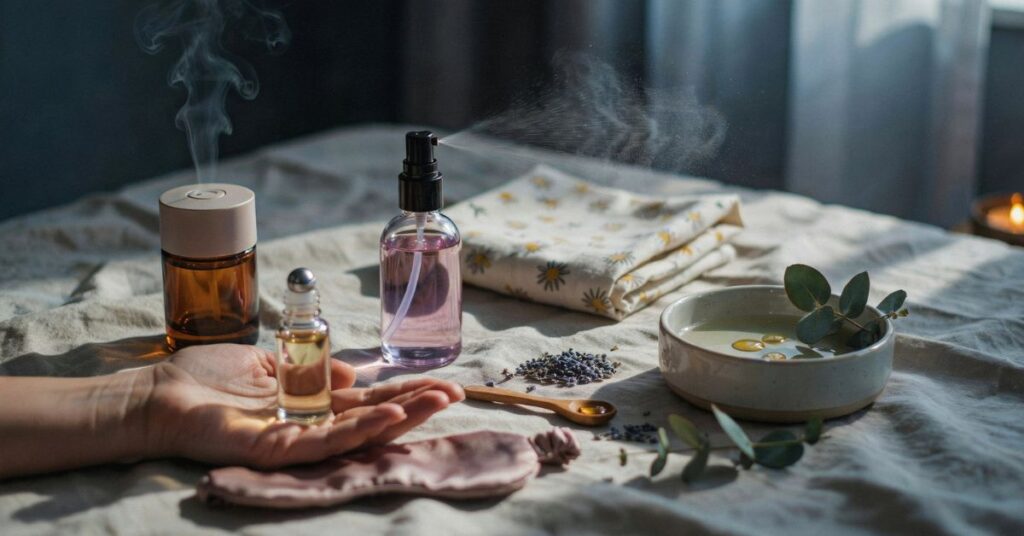
There is more than one way to use essential oil for sleep, and that is one reason people love it. Some prefer a diffuser. Others like a roll-on or a pillow spray. The best method depends on your routine, your bedroom, and how strong you want the scent to feel. The key is to keep it simple, relaxing, and easy to repeat every night.
Using a Diffuser Before Bedtime
A diffuser is one of the most popular ways to enjoy essential oils for sleep. It spreads the scent gently through the room, which can help create a calm and peaceful sleep environment. Many people start the diffuser about 20 to 30 minutes before bed so the room feels ready for rest by the time they lie down.
Lavender, chamomile, cedarwood, and bergamot are common diffuser choices. These oils can help the room feel softer, quieter, and more relaxing. A diffuser also works well if you want the scent to remain in the bedroom without applying anything to your skin.
Applying Essential Oils Topically
Topical use means applying diluted essential oils to the skin. Many people rub a small amount on the wrists, temples, neck, or chest before bed. This method works well when you want a scent that stays close to you and feels personal.
A topical blend can be useful as part of a bedtime ritual. For example, you may apply a diluted lavender or cedarwood blend while brushing your teeth or getting into bed. This makes the routine feel more intentional. Many people prefer this method because it feels simple and easy to repeat every night.
Adding Oils to a Relaxing Bath
A warm bath before bed can already feel calming, and adding essential oil for sleep can make it even more relaxing. The combination of warm water and soothing scent may help the body unwind after a stressful day. This is a good choice if you carry tension in your shoulders, back, or neck.
A bath blend often uses lavender, chamomile, or ylang-ylang. The goal is not to use too much oil, but to create a light and peaceful aroma that supports rest. A bath can also give you quiet time away from screens, noise, and stress, which makes it a powerful part of a sleep routine.
Making a Pillow Spray
A pillow spray is a very easy way to enjoy calming scents at night. You spray it lightly on your pillow, bedding, or sleepwear before lying down. This method works well for people who want a soft scent without using a diffuser or skin application.
Lavender and chamomile are popular for this purpose because they smell gentle and comforting. A pillow spray can help your brain connect that scent with sleep over time. That is why many people include it in their nightly routine. It feels simple, quick, and pleasant.
Using Essential Oils During Meditation
If you meditate before bed, essential oil for sleep can help deepen the experience. A calming scent can support slower breathing and a more peaceful mental state. This works especially well with frankincense, vetiver, clary sage, or lavender.
You can diffuse the oil while meditating or apply a diluted blend to your wrists before you begin. The scent becomes part of the relaxation ritual, which can help quiet the mind. For many people, this is one of the easiest ways to move out of a busy daytime mindset and into a restful nighttime state.
Creating a Sleep-Friendly Bedroom Atmosphere
Your bedroom matters just as much as the oil you choose. A sleep-friendly room should feel cool, quiet, dark, and calm. Essential oils can help support that mood by adding a pleasant scent that tells the brain it is time to rest.
You can use a diffuser, pillow spray, or roll-on to make the room feel more peaceful. Soft lighting, clean bedding, and a clutter-free space can make the effect even stronger. When the room feels restful, essential oils for sleep often work better because they become part of a full bedtime environment rather than standing alone.
DIY Essential Oil Blends for Better Sleep
Creating your own essential oil for sleep blends is a simple and effective way to personalize your bedtime routine. Instead of using a single oil, you can combine different scents to target stress, anxiety, restlessness, or general relaxation. DIY blends also let you control the strength and fragrance style, making your sleep routine more enjoyable and consistent.
Below are some easy and effective sleep blends you can try at home.
Simple Lavender Sleep Blend
- Lavender essential oil
- Cedarwood essential oil
- Carrier oil (like coconut or jojoba oil)
This is one of the most classic bedtime blends. Lavender helps calm the mind, while cedarwood adds a grounding effect. Together, they create a soft and peaceful aroma that supports relaxation before sleep. You can use this blend in a diffuser or apply it (diluted) to the wrists before bed.
Deep Relaxation Blend
- Frankincense essential oil
- Vetiver essential oil
- Chamomile essential oil
This blend is ideal for people who struggle with deep relaxation. Frankincense helps slow down breathing, vetiver provides a grounding effect, and chamomile adds emotional calm. It works especially well after a long or stressful day.
Stress Relief Nighttime Blend
- Bergamot essential oil
- Lavender essential oil
- Ylang-ylang essential oil
This blend is perfect for reducing nighttime stress. Bergamot helps lift emotional tension, lavender calms the mind, and ylang-ylang supports emotional balance. It is a great option for people dealing with essential oils for sleep and anxiety needs.
Floral Aromatherapy Sleep Blend
- Neroli essential oil
- Chamomile essential oil
- Sweet orange essential oil
This blend is light, fresh, and floral. It creates a gentle and comforting bedtime atmosphere. Neroli brings emotional peace, chamomile adds softness, and sweet orange gives a mild uplifting effect. It is ideal for people who prefer soft and pleasant scents instead of heavy aromas.
These DIY blends can be used in different ways such as diffusers, pillow sprays, or diluted topical applications. Start with small amounts and adjust based on your personal preference. Over time, you will find the perfect essential oil for sleep combination that matches your mood and helps you relax naturally.
Essential Oils to Avoid Before Bedtime
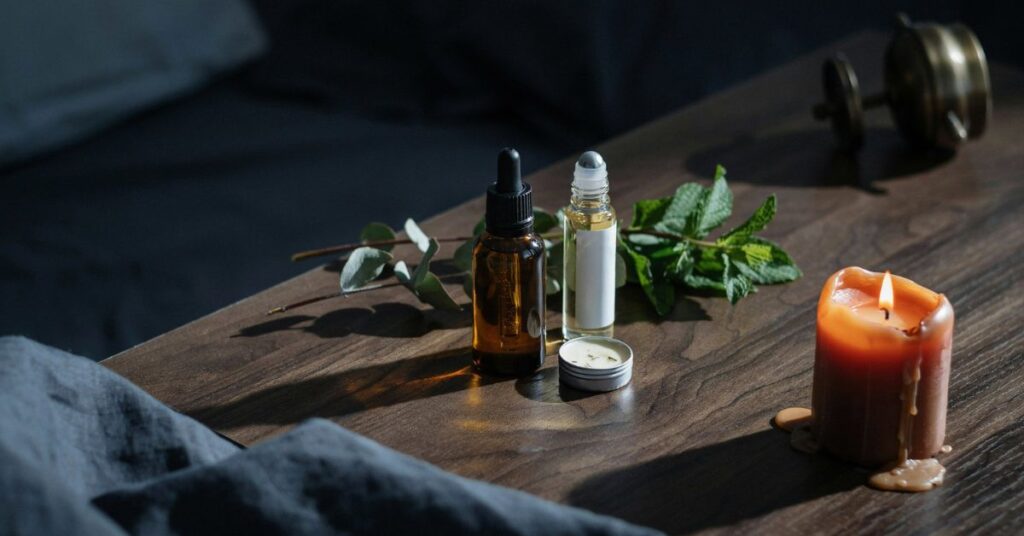
Not every essential oil for sleep is suitable for nighttime use. Some oils are stimulating, energizing, or mentally activating. These can make it harder to relax, especially if you already struggle with stress or overthinking before bed. Choosing the right oils is just as important as avoiding the wrong ones.
Below are the types of essential oils you should be careful with in your bedtime routine.
Stimulating Oils That May Keep You Awake
- Peppermint essential oil
- Rosemary essential oil
- Eucalyptus essential oil
- Lemon essential oil
- Tea tree essential oil
These oils are commonly used for focus, energy, and mental clarity. While they are excellent during the daytime, they may not be ideal at night. Their strong, sharp scents can activate the mind instead of calming it. This can delay sleep or make it harder to feel relaxed.
If you are using best essential oils for sleep diffuser blends, it is better to avoid these stimulating oils in evening combinations.
When Certain Oils May Not Be Suitable
Even calming oils can sometimes be unsuitable depending on the situation. For example, strong floral oils like jasmine or high-concentration blends may feel overwhelming in small bedrooms. Similarly, citrus oils may feel too bright if used in large amounts at night.
Here are a few situations where caution is important:
- If you are sensitive to strong smells, even relaxing oils may feel heavy
- If the room is small or poorly ventilated, strong scents may become overwhelming
- If you already feel dizzy, anxious, or overstimulated, avoid mixing too many oils
- If using around children or pets, always check safety guidelines
It is also important to remember that every person reacts differently. What feels relaxing to one person may feel too strong for another. That is why testing small amounts first is always recommended when using essential oil for sleep routines.
The goal is not to avoid essential oils completely, but to choose gentle, calming scents that support rest instead of stimulation.
Essential Oil Safety Tips and Possible Side Effects
Using essential oil for sleep can be very helpful for relaxation, but safety is extremely important. Essential oils are highly concentrated, which means even a small amount can be powerful. If they are not used correctly, they may cause skin irritation, headaches, or discomfort. Following proper guidelines ensures you enjoy benefits without any unwanted side effects.
Below are important safety tips every user should know before using essential oils at night.
Proper Dilution Guidelines
- Always mix essential oils with a carrier oil (like coconut, almond, or jojoba oil) before applying to skin
- A safe general dilution is 1–2 drops of essential oil per teaspoon of carrier oil
- Never apply undiluted essential oils directly to skin
- For diffusers, follow the recommended drop limit (usually 3–5 drops depending on room size)
Proper dilution helps reduce irritation and makes essential oils for sleep safer for regular use. Strong oils like cinnamon or clove should be used in even smaller amounts.
Patch Testing Before Use
Before using any oil on a larger skin area, always do a patch test:
- Apply a small diluted amount on your inner wrist or elbow
- Wait 24 hours to check for redness, itching, or irritation
- If no reaction occurs, the oil is generally safe for use
This step is especially important if you are new to essential oil for sleep routines or have sensitive skin.
Safe Use Around Children and Pets
Essential oils must be used carefully in households with children or pets:
- Avoid strong oils like eucalyptus or peppermint around small children
- Use very mild oils such as lavender in low amounts
- Keep diffusers in well-ventilated areas and not directly near sleeping babies or pets
- Never apply essential oils directly to a child’s skin without professional advice
Pets, especially cats and dogs, may react differently to scents, so always research before use.
When to Consult a Healthcare Professional
You should talk to a healthcare provider before using essential oils if:
- You are pregnant or breastfeeding
- You have asthma, allergies, or respiratory issues
- You are taking medication or have chronic health conditions
- You experience headaches, dizziness, or irritation after using oils
Even natural products can affect individuals differently, so professional guidance is always a safe choice.
Used correctly, essential oils for sleep can be a gentle and enjoyable part of your nighttime routine. However, safety should always come first to ensure long-term comfort and effectiveness.
What to Do If Essential Oils Alone Are Not Improving Sleep

Using essential oil for sleep can support relaxation, but it is not always enough on its own. Sleep problems often come from multiple causes like stress, screen time, irregular routines, or lifestyle habits. If essential oils are not giving you the results you expected, it does not mean they are useless it simply means your sleep needs a more complete approach.
Building a Healthy Sleep Routine
A strong sleep routine is the foundation of good rest. Essential oils work best when they are part of a consistent pattern.
- Go to bed and wake up at the same time every day
- Avoid heavy meals close to bedtime
- Reduce screen exposure at least 30–60 minutes before sleep
- Use calming activities like reading or light stretching
When combined with best essential oils for sleeping, these habits help train your body to recognize when it is time to rest.
Lifestyle Habits That Support Better Rest
Sometimes small lifestyle changes can improve sleep more than any single product.
- Reduce caffeine intake in the afternoon and evening
- Stay physically active during the day
- Spend time in natural sunlight in the morning
- Avoid long daytime naps that disturb nighttime sleep
These habits help balance your internal body clock, making it easier for essential oils for sleep and anxiety routines to work more effectively at night.
Combining Aromatherapy With Good Sleep Hygiene
Sleep hygiene means creating the right environment and habits for quality sleep. Essential oils can support this process, but they work best when combined with other healthy practices.
- Keep your bedroom cool, dark, and quiet
- Use calming scents like lavender or chamomile in a diffuser
- Maintain a clutter-free and peaceful sleeping space
- Avoid stressful conversations or activities before bed
When sleep hygiene improves, essential oils become more effective because your body is already in a more relaxed state.
In short, if essential oil for sleep alone is not enough, think of it as one part of a bigger sleep system not the only solution. Small changes across your routine can create a much stronger impact over time.
How to Identify High-Quality Essential Oils
Not all essential oil for sleep products are the same. The quality of the oil plays a huge role in how effective, safe, and pleasant it is to use. Low-quality oils may contain additives, synthetic fragrances, or fillers that reduce their benefits and can even cause irritation. That’s why knowing how to identify pure essential oils is very important before building your sleep routine.
Understanding Ingredient Labels
- Look for labels that clearly say “100% pure essential oil”
- Avoid products that mention “fragrance oil” or “perfume oil”
- Check for botanical names (like Lavandula angustifolia for lavender)
- Avoid oils with long ingredient lists or unknown additives
A high-quality essential oil for sleep should have a simple and transparent label. If the label is confusing or overly commercial, it may not be pure.
Signs of Pure Essential Oils
- Strong but natural aroma (not overly artificial or chemical-like)
- Packed in dark glass bottles to protect from sunlight
- Comes from a trusted brand with clear sourcing information
- No oily residue when dropped on paper (pure oils usually evaporate cleanly)
Pure oils often feel more balanced and natural. When used in best essential oils for sleep diffuser blends, they create a smoother and more calming scent experience compared to synthetic versions.
Common Ingredients Found in Sleep Blends
Many sleep blends combine multiple calming oils to improve relaxation. Some of the most common ingredients include:
- Lavender for calming the mind
- Cedarwood for grounding and stability
- Chamomile for emotional relaxation
- Bergamot for reducing stress
- Frankincense for deep breathing and meditation
Some commercial blends may also include carrier oils or stabilizers. While these are not always harmful, they can reduce the strength of the essential oil for sleep effect if used in large amounts.
Choosing high-quality oils ensures that your bedtime routine feels more natural, effective, and safe. Better quality often leads to better results, especially when using aromatherapy regularly.
Sleep Roll-Ons vs Pure Essential Oils
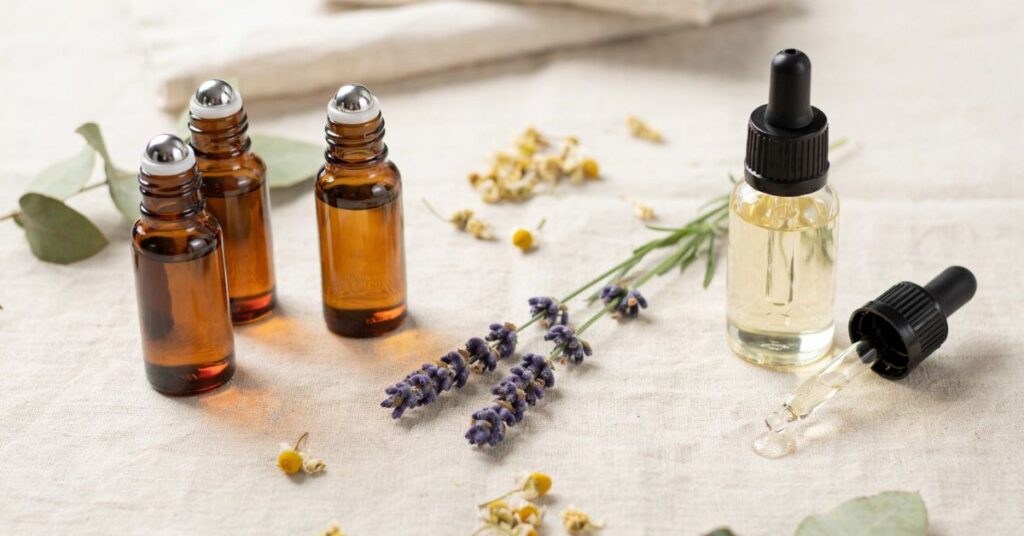
When it comes to using essential oil for sleep, people often choose between pure essential oils and pre-made sleep roll-ons. Both options can support relaxation, but they work in slightly different ways. Understanding the difference helps you pick what fits your lifestyle, comfort level, and bedtime routine best.
Comparison Table
| Feature | Sleep Roll-Ons | Pure Essential Oils |
| Definition | Pre-diluted essential oil blend in a roller bottle | Highly concentrated essential oils in pure form |
| Ease of Use | Very easy, ready to apply directly | Needs dilution before skin use |
| Safety Level | Safer for beginners due to dilution | Requires careful handling and proper dilution |
| Application | Applied directly to wrists, neck, temples | Used in diffuser, bath, or diluted topical use |
| Convenience | Travel-friendly and quick | Less portable, more setup needed |
| Customization | Limited (pre-blended formula) | Fully customizable blends |
| Strength of Aroma | Mild and controlled | Stronger and more flexible |
| Best For | On-the-go relaxation and bedtime routines | Diffusers, DIY blends, and full aromatherapy setups |
What Is a Sleep Roll-On?
A sleep roll-on is a pre-mixed bottle that already contains diluted essential oils in a carrier oil. It is designed for direct skin application. You simply roll it onto your wrists, neck, or temples before bed.
Many people prefer Essential oils for Sleep Roll On products because they are simple, mess-free, and easy to use even when you are tired. You do not need to measure drops or mix anything. It is a ready-made bedtime solution.
Benefits of Roll-On Sleep Oils
- Very easy to apply before sleeping
- No need for dilution or extra tools
- Portable and travel-friendly
- Gentle and safe for beginners
- Ideal for quick nighttime routines
Roll-ons are especially helpful for people who want a fast essential oil for sleep method without preparing diffusers or blends.
Which Option Is Better for Your Routine?
There is no single best choice. It depends on your lifestyle:
- Choose sleep roll-ons if you want convenience, simplicity, and quick application
- Choose pure essential oils if you enjoy customizing blends and using diffusers
- Many people actually use both roll-ons for travel and pure oils for home routines
If your goal is a simple and stress-free bedtime habit, roll-ons may be the easiest starting point. If you want full control over scent strength and blending, pure oils give you more flexibility.
Both options can be effective when used correctly in your essential oil for sleep routine.
Final Thoughts on Using Essential Oils for Sleep
Essential oil for sleep can be a powerful and natural addition to your bedtime routine when used correctly. It does not replace healthy sleep habits, but it can strongly support relaxation, stress relief, and a calmer mind before bed.
The key is consistency. Whether you use a diffuser, roll-on, pillow spray, or DIY blend, the real benefit comes from building a routine your brain recognizes as “sleep time.” Over time, certain scents become signals for rest, helping your body wind down more naturally.
If you combine essential oils with good sleep hygiene, a calm environment, and a balanced lifestyle, you can create a much stronger foundation for deep and peaceful sleep.
In the end, the best essential oil for sleep is the one you enjoy using every night because comfort and consistency matter more than complexity.
FAQs:
Which Essential Oil Is Best for Sleep?
Lavender is widely considered the best essential oil for sleep because it has a naturally calming and soothing aroma. It helps relax the mind and create a peaceful bedtime environment. Other strong options include chamomile, cedarwood, and bergamot. Many people also use blends of these oils for better results.
Can I Use Essential Oils Every Night?
Yes, most people can use essential oils for sleep every night as part of a consistent bedtime routine. However, it is important to use them in small amounts and follow proper dilution guidelines. If you notice any irritation or discomfort, reduce usage or take breaks.
Are Essential Oils Safe for Children?
Some essential oils are safe for children, but they must be used very carefully. Gentle oils like lavender and chamomile are usually preferred in very low amounts. Strong oils such as peppermint or eucalyptus should be avoided for young children. Always consult a healthcare professional before regular use.
How Long Does It Take for Essential Oils to Work?
Essential oils do not work like medicine with a fixed timeline. Instead, they support relaxation through scent and routine. Some people feel calm within minutes, while others notice improvement after using essential oil for sleep consistently over several days or weeks. Results depend on your sleep habits and environment.
Can Essential Oils Help With Sleep and Anxiety?
Yes, many people use essential oils for sleep and anxiety to support relaxation before bed. Oils like lavender, bergamot, and chamomile are especially popular for calming the mind and reducing stress. While they do not treat anxiety, they can help create a more peaceful and comforting nighttime atmosphere.