Introduction:
Almond oil has become a favourite natural ingredient in hair care because it feels light, nourishes deeply, and works well for many hair concerns. People use it to soften rough strands, improve shine, support moisture, and make hair easier to manage. The benefits of almond oil for hair come from its rich fatty acids, vitamin E, and gentle texture, which help hair look healthier without feeling heavy.
This guide focuses on the most useful benefits of almond oil for hair and explains how it supports softness, strength, shine, hydration, and overall hair health. It also helps you understand how to use it in a smart way so you can get the best results from a simple routine.
What Are the Benefits of Almond Oil for Hair?
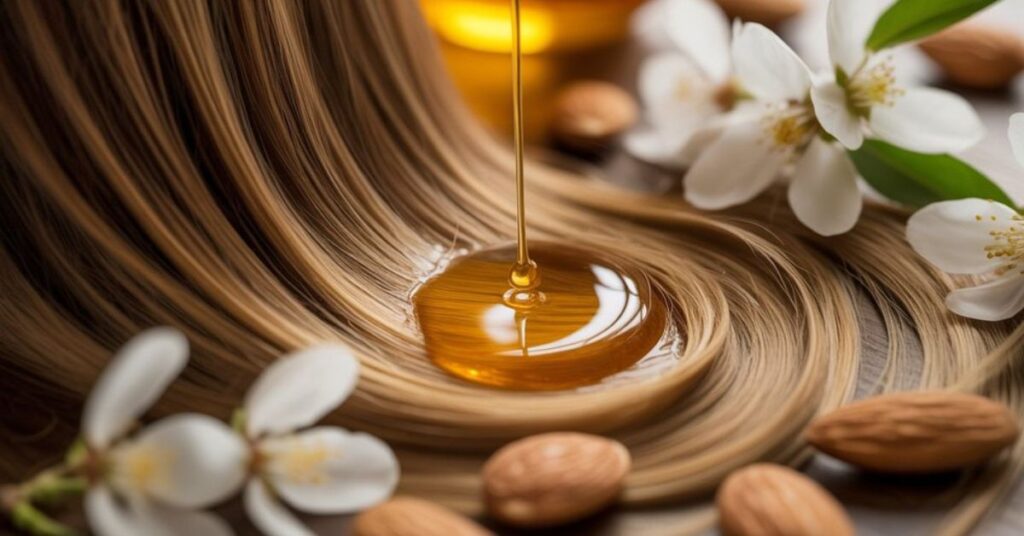
The benefits of almond oil for hair go beyond basic shine. Almond oil can help smooth the hair cuticle, reduce dryness, and improve the way your hair feels after washing and styling. It works well for many hair types because it absorbs fairly easily and gives nourishment without a sticky finish. That makes it a useful choice for people who want a natural oil that supports both appearance and hair comfort.
One of the biggest reasons people love the benefits of almond oil for hair is that it can support healthier-looking strands in a gentle way. It does not try to force quick results. Instead, it helps hair stay soft, hydrated, and more manageable over time. When used regularly, it may also help reduce the rough, dull look that often comes from heat styling, weather exposure, or frequent washing.
Another reason the benefits of almond oil for hair stand out is that it can fit into many routines. You can use it as a light scalp treatment, a pre-wash oil, or a finishing oil on dry ends. This flexibility makes it easier to build a routine that matches your hair needs.
Benefits of Almond Oil for Hair Softness and Smoothness
Softness is one of the first changes many people notice after using almond oil. The oil coats the hair lightly and helps reduce the dry, rough feel that can make hair harder to comb or style. This is especially helpful when your hair has lost moisture from heat, pollution, sun exposure, or chemical treatments.
The oils in this area come from its ability to smooth the outer layer of the hair. When the cuticle lies flatter, hair often feels softer and looks healthier. This can also make daily grooming easier because the strands are less likely to tangle as much.
If your hair feels coarse, dry, or difficult to handle, almond oil can add a softer touch without making your hair feel overly greasy when used in moderation. That is why many people include it in their routine when they want smoother, more touchable hair.
Benefits of Almond Oil for Hair Strength and Reduced Breakage
Weak strands break more easily during brushing, styling, and washing. Almond oil can help support stronger-feeling hair by reducing dryness, which often makes strands more fragile. When hair stays hydrated and flexible, it usually handles stress better.
The benefits of they also matter for people who deal with split ends and breakage from heat tools or rough handling. While almond oil cannot repair every type of damage, it can help protect the strand surface and reduce the chance of further wear. That makes it a useful support product for hair that needs extra care.
Regular use may help your hair feel less brittle and more resilient. This is important because stronger-feeling hair often looks fuller and healthier too.
Benefits of Almond Oil for Hair Shine and Manageability
Shine is often linked with healthy-looking hair. Almond oil can help improve the way light reflects off the hair by smoothing the surface and reducing dryness. When strands look less frizzy and more aligned, the hair usually appears glossier.
The benefits of almond oil for also include easier styling. Hair that feels more manageable tends to respond better to brushing, parting, and shaping. That can save time during your routine and reduce frustration when your hair feels tangled or flat.
If your hair looks dull or messy even after washing, almond oil may help create a more polished finish. A small amount can go a long way in improving the overall look and feel of your hair.
Benefits of Almond Oil for Hair Moisture and Hydration
Dry hair often needs more than shampoo and conditioner alone. Almond oil helps lock in moisture and reduce the feeling of dryness, especially on the mid-lengths and ends. This makes it a useful option for hair that feels rough after washing or becomes dry quickly in hot or cold weather.
The benefits of they hair are especially noticeable when your hair needs extra hydration support. It helps create a softer, smoother surface and may reduce the way hair reacts to dryness in the environment. That can make your hair feel more comfortable and look less stressed.
Hydrated hair usually behaves better too. It often frizzes less, tangles less, and feels easier to style. That is why almond oil works so well in routines focused on moisture and day-to-day care.
Benefits of Almond Oil for Hair Growth
Many people use almond oil to improve the overall health and appearance of their hair. It does not directly speed up hair growth, but it supports a healthier scalp and stronger strands. This creates better conditions for natural growth over time.
Almond oil is rich in vitamin E, fatty acids, magnesium, and antioxidants. These nutrients help nourish the scalp and improve hair texture. When the scalp stays healthy and hydrated, hair follicles can work more efficiently.
Regular use also helps reduce dryness and breakage. This allows your hair to retain more length and appear fuller and smoother over time.
Deep Nourishment for a Healthier Scalp
Almond oil works as a natural moisturizer for the scalp. It helps reduce dryness, flakiness, and irritation that can weaken hair roots.
Its vitamin E content protects the scalp from environmental damage and oxidative stress. At the same time, fatty acids help maintain the natural oil balance of the skin.
A well-nourished scalp creates a stable foundation for stronger hair growth and improved overall hair quality.
Strengthening Hair from the Roots
Healthy roots are essential for strong hair. Almond oil helps support the roots by improving scalp condition and delivering essential nutrients.
When used in scalp massage, it may help improve blood flow. Better circulation supports follicle activity and strengthens the base where hair grows.
Over time, this can result in hair that feels stronger, thicker, and more resilient to daily stress.
Reducing Breakage and Weak Strands
One of the biggest reasons hair fails to grow long is breakage. Almond oil helps reduce this issue by improving hair softness and flexibility.
It coats the hair shaft lightly, reducing friction between strands. This helps prevent split ends and breakage during brushing or styling.
As a result, hair stays intact for longer periods, making it look healthier and more consistent in length.
Improving Hair Texture and Smoothness
Dry and rough hair often looks dull and weak. Almond oil helps improve texture by deeply conditioning the hair strands.
It makes hair smoother, softer, and easier to manage. This also reduces tangling, which is a common cause of breakage.
With regular use, hair becomes shinier and more manageable without feeling overly greasy.
Supporting Longer Hair Retention
Hair growth happens naturally, but retaining that growth is equally important. Almond oil helps preserve length by protecting hair from damage.
It keeps the hair moisturized, which reduces the risk of snapping or splitting ends. This allows more of your natural growth to remain visible.
Over time, this leads to the appearance of longer, fuller, and healthier hair.
Simple Application for Better Results
For best results, apply a small amount of almond oil to the scalp and gently massage it for a few minutes. This helps with absorption and relaxation.
You can also apply a light layer to the ends of your hair to reduce dryness and protect against damage. Leave it on for a few hours before washing.
Consistency is key. Regular use delivers better results than occasional heavy application.
Benefits of Almond Oil for Hair and Scalp Health
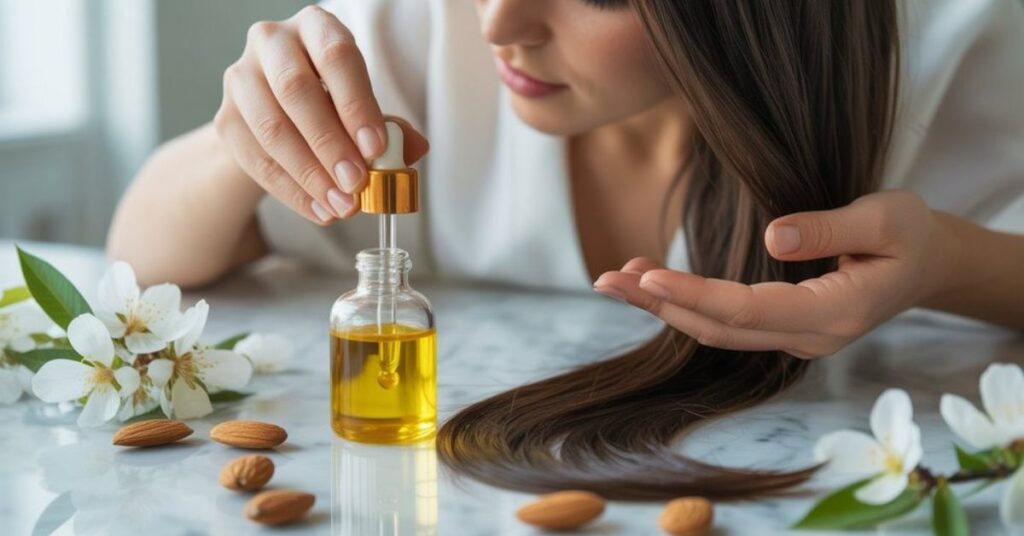
Healthy hair starts with a healthy scalp. Even the strongest hair care products may not deliver lasting results if the scalp remains dry, irritated, or unbalanced. One of the most valuable of almond oil for hair is its ability to support overall scalp health while also nourishing the hair itself. Its lightweight texture, moisturizing properties, and nutrient-rich composition make it a popular choice for people who want to improve both scalp comfort and hair quality.
The benefits of almond oil for extend beyond the strands. Almond oil helps maintain moisture levels on the scalp, reduces dryness, and creates a healthier environment for hair follicles. A well-nourished scalp can support stronger hair growth, better moisture retention, and improved hair appearance over time.
People who experience dryness, flaking, or occasional scalp discomfort often use almond oil as part of a regular scalp care routine. When applied correctly, it can help soothe the skin and improve overall scalp condition without feeling excessively heavy.
Benefits of Almond Oil for Hair and Dry Scalp
A dry scalp can cause itching, tightness, and visible flakes that affect both comfort and confidence. One of the major benefits of almond oil for and dry scalp is its ability to provide lasting moisture where the scalp needs it most.
Almond oil contains nourishing fatty acids that help soften dry skin and reduce moisture loss. When massaged into the scalp, it creates a protective layer that helps retain hydration. This can be especially beneficial during cold weather, after frequent shampooing, or when environmental conditions strip moisture from the scalp.
The benefits for hair become more noticeable when scalp dryness improves. Hair growing from a healthy, hydrated scalp often feels softer and looks healthier. Regular use may also reduce the uncomfortable itching that often accompanies dryness.
People looking for natural scalp care solutions often choose almond oil because it moisturizes without leaving a thick, greasy residue when used in moderation.
Benefits of Almond Oil for Hair and Dandruff Control
Dandruff is a common concern that can result from dryness, scalp imbalance, product buildup, or other underlying factors. While almond oil is not a medical treatment for severe dandruff conditions, it may help manage dryness-related flaking.
One of the useful of almond oil for hair dandruff is its ability to soften and loosen dry flakes from the scalp. This can make cleansing easier and help improve the scalp’s appearance. Almond oil also supports moisture balance, which may reduce the dryness that contributes to mild dandruff symptoms.
The benefits of almond oil for in dandruff management are often enhanced when combined with proper scalp hygiene. Gentle cleansing and regular scalp care can help maintain a healthier environment that discourages excessive flaking.
Many users find that their scalp feels calmer and more comfortable after incorporating almond oil into their weekly routine. Although results vary from person to person, its moisturizing properties can provide noticeable relief from dryness-related scalp issues.
Benefits of Almond Oil for Hair and Scalp Irritation
Scalp irritation can develop from harsh products, environmental stress, excessive styling, or simple dryness. Symptoms often include itching, redness, sensitivity, and discomfort. One of the often-overlooked of almond oil for hair is its soothing effect on irritated scalp skin.
The oil’s gentle nature makes it suitable for many people who want a mild moisturizing treatment. By helping maintain hydration, almond oil can reduce the dryness that often contributes to scalp discomfort. A hydrated scalp generally feels more comfortable and less prone to irritation.
The benefits of almond oil for and scalp health become especially apparent when the scalp barrier remains properly moisturized. A healthier scalp barrier can better withstand environmental stressors and daily exposure to styling products.
People with recurring scalp sensitivity should still patch-test almond oil before full application, but many users find it to be a gentle addition to their scalp care routine.
Benefits of Almond Oil for Hair and Scalp Hydration
Hydration is essential for maintaining both healthy hair and healthy scalp skin. One of the most important of almond oil for hair is its ability to support long-lasting moisture retention. Unlike some products that provide only temporary softness, almond oil helps lock moisture into the scalp and hair shaft.
A hydrated scalp supports a more balanced environment for hair follicles. This can contribute to healthier-looking hair over time while reducing dryness-related concerns. The moisturizing effect also helps improve overall scalp comfort and can make hair easier to manage.
The benefits of almond oil for overnight are often linked to hydration. Many people apply a small amount of almond oil before bed and wash it out the next morning. This extended contact time allows the oil to deeply condition both the scalp and hair, resulting in improved softness and moisture retention.
For those wondering can I use almond oil on my hair everyday, the answer depends on hair type and scalp condition. Most people achieve good results by using almond oil two to three times per week, while individuals with very dry hair may benefit from more frequent use.
When it comes to maintaining scalp hydration and overall hair health, the benefits of almond oil for hair make it one of the most versatile natural oils available. Its ability to nourish, moisturize, and support scalp comfort explains why it remains a trusted ingredient in many hair care routines.
Benefits of Almond Oil for Hair Protection and Repair
Daily exposure to heat styling tools, UV rays, pollution, chemical treatments, and rough hair handling can gradually damage the hair shaft. Over time, this damage can lead to dryness, split ends, breakage, and loss of elasticity. One of the most impressive benefits of almond oil for hair is its ability to help protect strands from further damage while supporting a healthier appearance.
Almond oil contains vitamin E, antioxidants, and nourishing fatty acids that coat the hair surface and reduce moisture loss. This protective layer helps hair remain softer, smoother, and more resilient against everyday stress. While almond oil cannot completely reverse severe damage, it can improve the condition of damaged hair and help prevent future problems.
Quick Overview of Almond Oil’s Protective Benefits
| Hair Concern | How Almond Oil Helps |
| Dry Hair | Locks in moisture and reduces roughness |
| Split Ends | Helps minimize further splitting and breakage |
| Heat Damage | Provides a protective coating on strands |
| Frizz | Smooths the hair cuticle for better control |
| Dull Hair | Enhances natural shine and softness |
| Weak Hair | Supports stronger and more flexible strands |
| Environmental Stress | Helps shield hair from dryness caused by sun and pollution |
The benefits of almond oil for hair become more noticeable when used consistently as part of a complete hair care routine. Healthy hair is easier to protect than severely damaged hair, so prevention is often just as important as repair.
Benefits of Almond Oil for Hair Damage Repair
Hair damage often develops gradually. Frequent coloring, bleaching, heat styling, and harsh shampoos can weaken the hair structure over time. One of the key benefits of almond oil for hair is its ability to improve the appearance and feel of damaged strands.
Almond oil helps smooth the outer layer of the hair shaft. When the cuticle becomes smoother, hair appears shinier, softer, and healthier. The oil also helps replenish lost moisture, which is essential for damaged hair that often feels rough and brittle.
Some of the main ways almond oil supports damaged hair include:
- Helps reduce dryness caused by heat styling.
- Improves softness and smoothness.
- Minimizes the rough texture of damaged strands.
- Supports better moisture retention.
- Makes hair easier to manage and style.
The benefits of almond oil for hair growth and thickness may also become more noticeable when damage is reduced because healthier strands are less likely to break prematurely.
Benefits of Almond Oil for Hair Elasticity
Hair elasticity refers to the ability of hair strands to stretch and return to their normal shape without breaking. Healthy hair typically has good elasticity, while dry and damaged hair tends to snap more easily.
One of the lesser-known benefits of almond oil for hair is its contribution to improved flexibility. Moisturized hair generally bends more easily than dry hair, reducing the risk of breakage during brushing, styling, and washing.
Signs of Poor Hair Elasticity
- Hair breaks easily when combed.
- Strands snap during styling.
- Hair feels dry and stiff.
- Split ends appear frequently.
- Hair lacks bounce and movement.
Regular use of almond oil can help maintain moisture levels that support healthier elasticity. This does not mean hair becomes indestructible, but it may become more resistant to everyday stress.
The benefits of almond oil for hair overnight can be especially useful for improving elasticity because extended conditioning allows the oil to penetrate and soften the hair shaft more effectively.
Benefits of Almond Oil for Hair Protection Against Environmental Stress
Hair faces environmental challenges every day. Sun exposure, humidity, wind, pollution, and temperature changes can gradually weaken the hair cuticle and increase dryness.
One of the most practical benefits of almond oil for hair is its ability to create a lightweight barrier that helps protect strands from environmental stressors. This barrier reduces moisture loss and helps hair remain smoother throughout the day.
Common Environmental Factors That Affect Hair
- UV radiation from sunlight.
- Air pollution and dust.
- Dry weather conditions.
- Excessive humidity.
- Seasonal temperature changes.
- Hard water exposure.
The antioxidants present in almond oil help defend the hair against oxidative stress caused by environmental factors. Although almond oil should not replace dedicated sun protection products, it can provide additional support for maintaining healthier-looking hair.
Why Almond Oil Works Well for Hair Protection
The benefits of almond oil for hair are largely connected to its balanced composition. Unlike heavier oils that may weigh hair down, almond oil offers nourishment while maintaining a lightweight feel.
Key Protective Nutrients in Almond Oil
| Nutrient | Benefit for Hair |
| Vitamin E | Supports protection against oxidative stress |
| Fatty Acids | Help lock in moisture |
| Magnesium | Supports overall hair health |
| Antioxidants | Help defend against environmental damage |
| Emollients | Improve softness and manageability |
Tips to Maximize Hair Protection and Repair
To get the most from the benefits of almond oil for hair, consider these simple practices:
- Apply almond oil to damp hair after washing.
- Focus on mid-lengths and ends where damage is most common.
- Use a small amount to avoid buildup.
- Combine almond oil with deep conditioning treatments.
- Protect hair from excessive heat styling.
- Trim split ends regularly.
- Maintain a balanced diet to support healthy hair growth.
When used consistently, the benefits of almond oil for hair can help improve softness, reduce breakage, enhance elasticity, and provide an extra layer of protection against daily damage. This combination of repair and prevention makes almond oil one of the most versatile natural oils for maintaining healthier, stronger hair.
How to Maximize the Benefits of Almond Oil for Hair

Using almond oil correctly can make a significant difference in the results you achieve. While the benefits of almond oil for hair are impressive on their own, the method of application often determines how effective the treatment becomes. Whether your goal is hydration, hair growth support, frizz control, or scalp nourishment, choosing the right application method helps maximize the value of this natural oil.
Many people apply almond oil occasionally and expect dramatic results. However, consistency is the key to experiencing the full benefits of almond oil for hair growth, moisture retention, and overall hair health. Using almond oil as part of a regular routine allows the nutrients to continuously support the hair and scalp.
Best Ways to Use Almond Oil for Hair
| Application Method | Main Benefit | Recommended Frequency |
| Scalp Massage | Supports scalp health and stronger roots | 1–2 times weekly |
| Leave-In Treatment | Controls frizz and adds shine | As needed |
| Hair Mask | Deep hydration and repair | Once weekly |
| Mixed With Shampoo | Extra nourishment during cleansing | 1–2 times weekly |
| Overnight Treatment | Intensive conditioning | Once weekly |
The benefits of almond oil for hair overnight are particularly popular because the extended treatment time allows the oil to deeply condition the hair and scalp.
Benefits of Almond Oil for Hair When Used as a Scalp Treatment
A scalp treatment is one of the most effective ways to experience the benefits of almond oil for hair growth and thickness. Applying almond oil directly to the scalp helps nourish the skin, improve moisture levels, and support a healthier environment for hair follicles.
How to Use Almond Oil as a Scalp Treatment
- Warm a small amount of almond oil.
- Part your hair into sections.
- Apply the oil directly to the scalp.
- Massage gently for 5–10 minutes.
- Leave it on for at least 30 minutes.
- Wash with a mild shampoo.
Benefits of Scalp Massage With Almond Oil
- Encourages better scalp circulation.
- Supports healthier-looking roots.
- Helps reduce scalp dryness.
- Improves relaxation and stress relief.
- Enhances nutrient distribution across the scalp.
The benefits of almond oil for hair growth become more noticeable when scalp treatments are performed consistently over several months.
Benefits of Almond Oil for Hair When Used as a Leave-In Conditioner
People with frizzy, dry, or dull hair often use almond oil as a leave-in conditioner. This method focuses on improving softness and shine while helping to protect the hair throughout the day.
The benefits of almond oil for hair softness and smoothness are especially visible when a small amount is applied after washing. Almond oil helps seal moisture into the hair shaft while reducing frizz and flyaways.
How to Apply Almond Oil as a Leave-In Conditioner
- Towel dry freshly washed hair.
- Place 2–3 drops of almond oil in your palms.
- Rub hands together evenly.
- Apply to mid-lengths and ends.
- Avoid excessive application near the roots.
Benefits of Using Almond Oil as a Leave-In
- Adds natural shine.
- Improves manageability.
- Controls frizz.
- Softens rough hair.
- Helps reduce tangles.
One reason the benefits of almond oil for hair remain so popular is that even a tiny amount can noticeably improve hair texture.
Benefits of Almond Oil for Hair When Used in Hair Masks
Hair masks provide deep nourishment and are an excellent way to maximize the benefits of almond oil for hair growth and thickness. Combining almond oil with other natural ingredients can create a treatment that targets multiple hair concerns at once.
DIY Almond Oil Hair Mask Options
| Hair Concern | Ingredients |
| Dry Hair | Almond oil + honey |
| Damaged Hair | Almond oil + yogurt |
| Dull Hair | Almond oil + egg |
| Frizzy Hair | Almond oil + aloe vera |
| Weak Hair | Almond oil + castor oil |
These masks help deliver moisture and nutrients directly to the hair shaft, making them especially useful for damaged or chemically treated hair.
Benefits of Weekly Hair Masks
- Deep hydration.
- Improved softness.
- Better shine.
- Reduced breakage.
- Enhanced hair strength.
The benefits of almond oil for hair overnight can also be achieved by applying a hair mask before bedtime and washing it out the next morning.
Benefits of Almond Oil for Hair When Mixed With Shampoo
Mixing almond oil with shampoo is a simple technique for people who want extra nourishment without adding another step to their routine. This method works especially well for dry or damaged hair.
The benefits of almond oil for hair can be enhanced when a few drops are mixed into a gentle shampoo because it helps reduce the drying effect that some cleansers may cause.
How to Mix Almond Oil With Shampoo
- Add a few drops of almond oil to a single shampoo application.
- Mix thoroughly in your hand.
- Apply to wet hair.
- Massage gently into the scalp.
- Rinse completely.
Benefits of Adding Almond Oil to Shampoo
- Helps maintain moisture.
- Makes hair feel softer after washing.
- Reduces dryness caused by cleansing.
- Improves overall smoothness.
- Supports better manageability.
Pro Tips to Get Maximum Results
If you want to experience the full benefits of almond oil for hair, follow these practical tips:
Use pure, cold-pressed almond oil whenever possible.
Apply consistently rather than occasionally.
Focus on the scalp for growth support and the ends for damage prevention.
Combine almond oil with a healthy diet rich in vitamins and protein.
Avoid excessive heat styling that can counteract the protective benefits of the oil.
Use overnight treatments occasionally for deeper conditioning.
Adjust the amount based on your hair type to prevent buildup.
Common Mistakes to Avoid
| Mistake | Why It Reduces Results |
| Using too much oil | Can make hair greasy |
| Applying only once in a while | Limits long-term benefits |
| Skipping scalp massage | Reduces scalp stimulation |
| Using low-quality oil | May provide fewer nutrients |
| Not washing properly | Can cause buildup over time |
By choosing the right application method, you can significantly increase the benefits of almond oil for hair, whether your goal is stronger roots, smoother strands, better hydration, or improved overall hair health. Proper use allows almond oil to become a powerful addition to almost any hair care routine.
Read More:https://pureoilshub.com/clove-oil-for-hair-growth/
Benefits of Almond Oil for Hair for Different Hair Types
One of the strongest reasons almond oil is so widely used is its adaptability. The benefits of almond oil for hair are not limited to one hair type. Instead, it works differently depending on your hair texture, thickness, and scalp condition. This makes it a versatile natural oil for almost everyone, whether the hair is curly, straight, thick, or fine.
The key is understanding how to adjust usage based on your hair type so you can get maximum results without heaviness or buildup.
Hair Type Guide for Almond Oil Use
| Hair Type | How Almond Oil Works Best | Recommended Usage |
| Curly Hair | Reduces frizz and defines curls | Medium amount, 2–3 times weekly |
| Straight Hair | Adds shine and smoothness | Light amount, 1–2 times weekly |
| Thick Hair | Deep nourishment and softness | More generous application |
| Fine Hair | Light hydration without weighing down | Very small amount, mainly ends |
The benefits of almond oil for hair growth and thickness can be experienced in all hair types when it is used correctly and consistently.
Benefits of Almond Oil for Hair for Curly Hair
Curly hair often struggles with dryness because natural oils from the scalp take longer to travel down the curls. This is where almond oil becomes especially useful. One of the key benefits of almond oil for hair for curly textures is its ability to lock in moisture and reduce frizz.
Curly hair responds well to oils that are lightweight yet nourishing, and almond oil fits this balance perfectly. It helps define curls while preventing them from looking dry or rough.
Key Benefits for Curly Hair
- Reduces frizz and dryness
- Enhances curl definition
- Improves softness and bounce
- Helps detangle knots more easily
- Supports moisture retention
Using almond oil as a leave-in treatment on damp curly hair can improve curl shape and reduce puffiness.
Benefits of Almond Oil for Hair for Straight Hair
Straight hair tends to become oily quickly, so it requires a lighter approach. The benefits of almond oil for hair in straight textures are mainly related to shine, smoothness, and heat protection.
Because straight hair shows oil more easily, only a small amount should be used, focusing mainly on mid-lengths and ends.
Key Benefits for Straight Hair
- Adds natural shine
- Reduces frizz and flyaways
- Improves smooth texture
- Helps protect against heat styling
- Makes hair easier to manage
Straight hair can benefit from almond oil as a finishing product after styling for a polished look.
Benefits of Almond Oil for Hair for Thick Hair
Thick hair often requires more moisture because the strands can become dry and heavy over time. One of the most effective benefits of almond oil for hair in thick hair is deep conditioning.
Thicker hair can handle slightly more oil, making almond oil ideal for full-length application or deep oil treatments.
Key Benefits for Thick Hair
- Deep hydration for dense strands
- Improves softness and flexibility
- Reduces rough texture
- Helps control frizz
- Supports stronger-looking hair
Thick hair often responds well to overnight almond oil treatments for maximum nourishment.
Benefits of Almond Oil for Hair for Fine Hair
Fine hair is delicate and can easily become weighed down by heavy oils. However, almond oil is relatively light, making it suitable in very small amounts. The benefits of almond oil for hair for fine textures focus on strengthening and protecting without heaviness.
The key is minimal application and avoiding the roots.
Key Benefits for Fine Hair
- Adds light hydration without heaviness
- Strengthens fragile strands
- Reduces breakage
- Improves shine naturally
- Helps protect ends from damage
Fine hair users should use almond oil sparingly, often just a few drops.
Quick Tips for All Hair Types
- Always start with a small amount of oil and increase if needed
- Focus on ends for most hair types
- Use scalp application only when needed
- Avoid overuse to prevent buildup
- Adjust frequency based on hair response
The benefits of almond oil for hair growth and thickness become more effective when usage is customized according to hair type. Proper application ensures better results, healthier strands, and improved overall hair appearance.
Benefits of Almond Oil for Hair Compared to Other Oils
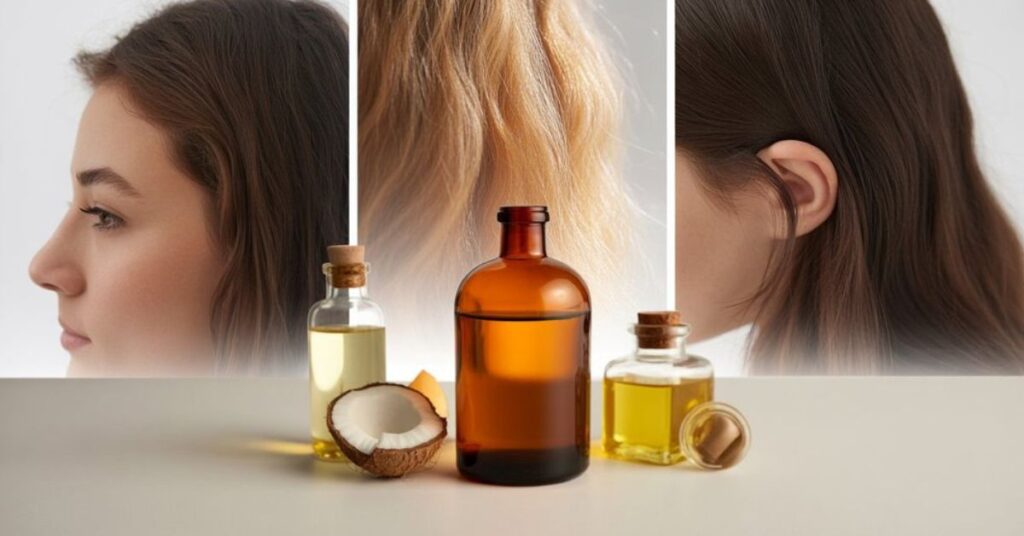
Choosing the right hair oil can make a big difference in how your hair looks and feels. Many people compare almond oil with other popular oils like coconut, olive, and argan oil before deciding what works best for them. The benefits of almond oil for hair become clearer when you see how it performs in comparison to other oils in terms of weight, absorption, nourishment, and suitability for different hair types.
Almond oil stands out because it is lightweight, non-greasy, and rich in vitamin E and fatty acids. While other oils may be more intense or heavier, almond oil offers a balanced approach that works for daily use and sensitive scalps.
Comparison Overview of Popular Hair Oils
| Oil Type | Texture | Best For | Main Advantage | Possible Limitation |
| Almond Oil | Light | All hair types | Lightweight nourishment & shine | May not deeply penetrate very thick damage |
| Coconut Oil | Heavy | Dry & damaged hair | Deep penetration & repair | Can feel greasy on fine hair |
| Olive Oil | Medium-heavy | Very dry hair | Strong conditioning | Can weigh hair down |
| Argan Oil | Light-medium | Frizz control & styling | Smooth finish & shine | Expensive compared to others |
The benefits of almond oil for hair are often preferred by people who want daily use oil without heaviness or buildup.
Benefits of Almond Oil for Hair vs Coconut Oil
Coconut oil is known for its deep penetration into the hair shaft, making it a strong choice for repairing damage. However, it can feel heavy and may not suit all hair types.
In comparison, the benefits of almond oil for hair focus more on lightweight hydration and surface protection. Almond oil is easier to wash out and does not leave a greasy feeling when used in small amounts.
Key Differences
- Almond oil is lighter and less greasy
- Coconut oil penetrates deeper into the hair shaft
- Almond oil is better for daily use
- Coconut oil is better for intensive repair treatments
If you want smooth, manageable hair without heaviness, almond oil is often the better option for regular use.
Benefits of Almond Oil for Hair vs Olive Oil
Olive oil is thicker and richer, making it suitable for very dry or coarse hair. It provides strong conditioning but may feel too heavy for fine or oily hair types.
The benefits of almond oil for hair include a lighter texture that absorbs faster and leaves less residue. This makes almond oil more versatile across different hair types.
Key Differences
- Almond oil is lighter and more breathable
- Olive oil provides heavier conditioning
- Almond oil is better for frizz control without buildup
- Olive oil is better for deep moisture treatments
Almond oil is generally preferred for people who want everyday shine and softness without weight.
Benefits of Almond Oil for Hair vs Argan Oil
Argan oil is often called “liquid gold” because of its premium quality and high vitamin E content. It is commonly used for styling, shine, and frizz control.
Both oils offer similar cosmetic benefits, but the benefits of almond oil for hair make it more affordable and easier to use regularly. Almond oil is also slightly lighter, which can be better for fine or straight hair.
Key Differences
- Almond oil is more budget-friendly
- Argan oil is more concentrated and luxurious
- Both improve shine and smoothness
- Almond oil is better for frequent use
- Argan oil is often used as a finishing product
For everyday hair care, almond oil provides a more cost-effective solution while still delivering strong results.
Why Almond Oil Stands Out
The benefits of almond oil for hair make it unique because it balances nourishment and lightness. Many oils are either too heavy or too light, but almond oil sits in the middle, making it suitable for most people.
Main Advantages of Almond Oil
- Lightweight and non-greasy
- Suitable for all hair types
- Rich in vitamin E and fatty acids
- Easy to apply and wash out
- Works for both scalp and hair strands
This balance is what makes almond oil one of the most practical oils for long-term hair care routines.
Final Comparison Insight
For deep repair, coconut oil may work better. Olive oil can help when your hair needs intense hydration. Argan oil is a strong choice if premium shine is your main goal.
But if you want a daily-use oil that supports overall hair health without heaviness, the benefits of almond oil for hair make it one of the most reliable options.
Risks That May Affect the Benefits of Almond Oil for Hair
Even though the benefits of almond oil for hair are widely recognized, it is still important to understand that incorrect use or individual sensitivity can reduce its effectiveness. Almond oil is generally safe for most people, but like any natural product, it may not work the same way for everyone. Using it properly ensures you get the best results without unwanted side effects.
In some cases, overuse, poor-quality oil, or improper application can lead to buildup, greasiness, or scalp discomfort. That is why understanding safe usage is just as important as knowing the benefits of almond oil for hair growth and thickness.
Benefits of Almond Oil for Hair and Safe Usage Tips
Using almond oil in the right amount and frequency is key to maintaining its positive effects. When used correctly, it supports hydration, shine, and scalp health. When overused, it can create buildup that blocks the natural balance of the scalp.
Safe Usage Guidelines
- Use a small amount (a few drops for fine hair, slightly more for thick hair)
- Apply 1–3 times per week depending on hair type
- Focus on mid-lengths and ends rather than the scalp if hair is oily
- Wash thoroughly to avoid residue buildup
- Use cold-pressed, pure almond oil for best results
Following these tips helps you maintain the full benefits of almond oil for hair without experiencing heaviness or greasiness.
Benefits of Almond Oil for Hair and Possible Side Effects
Although almond oil is gentle, some people may experience mild side effects, especially if they have sensitive skin or allergies. These cases are not common, but they should still be considered.
Possible Side Effects
- Mild scalp irritation in sensitive individuals
- Allergic reaction (rare, but possible in nut allergies)
- Greasy or heavy hair if over-applied
- Product buildup if not washed properly
- Itchy scalp if used with poor-quality oil
To reduce risks, always perform a patch test before full application. Apply a small amount behind the ear or on the inner arm and wait 24 hours.
Even with these risks, most users still experience strong benefits of almond oil for hair growth and improved hair texture when it is used correctly.
Benefits of Almond Oil for Hair for Sensitive Scalps
People with sensitive scalps need to be more careful when introducing any new hair product. Almond oil is usually gentle, but sensitivity varies from person to person.
One of the important benefits of almond oil for hair is that it can soothe dryness and reduce irritation when used properly. However, incorrect use may cause discomfort in sensitive individuals.
Tips for Sensitive Scalps
- Always dilute almond oil with lighter oils if needed
- Avoid leaving oil on the scalp for too long initially
- Use it once a week before increasing frequency
- Rinse thoroughly with a mild shampoo
- Avoid applying on broken or irritated skin
When to Avoid Almond Oil
- If you have a known nut allergy
- If you experience redness or itching after use
- If your scalp condition worsens after application
For most users, almond oil remains a safe and effective option, and the benefits of almond oil for hair growth and thickness can still be achieved with proper care and moderation.
Key Takeaway on Risks and Safe Use
The benefits of almond oil for hair are maximized when it is used thoughtfully. Problems usually occur not because of the oil itself, but because of incorrect usage or lack of balance in routine care. By using the right amount, choosing quality oil, and maintaining proper hygiene, you can enjoy its advantages without unwanted side effects.
Final Thoughts: on Benefits of Almond Oil for Hair
The benefits of almond oil for hair come from its ability to nourish, soften, and protect hair in a natural and gentle way. It does not act as a quick fix, but rather as a consistent support system for healthier hair over time.
When used properly, almond oil can improve shine, reduce dryness, support scalp comfort, and help hair look smoother and more manageable. Its versatility makes it suitable for many hair types and routines.
Key Takeaways About the Benefits of Almond Oil for Hair
- Supports softness, shine, and hydration
- Helps reduce dryness and breakage
- Works for most hair types when used correctly
- Best results come from consistent use
- Can be used as oil treatment, mask, or leave-in serum
The benefits of almond oil for hair growth and thickness are most effective when combined with healthy hair habits and regular care.
Are the Benefits of Almond Oil for Hair Worth It?
Yes, for most people, almond oil is a simple and affordable addition to a hair care routine. The benefits of almond oil for hair are especially valuable if you want a natural solution for dryness, frizz, or dullness without heavy products.
While it may not transform hair overnight, consistent use can lead to noticeably healthier, smoother, and more manageable hair over time.
FAQs:
Are the Benefits of Almond Oil for Hair Scientifically Supported?
Yes, many of the benefits of almond oil for hair are supported by its nutritional composition. Almond oil contains vitamin E, fatty acids, and antioxidants that are known to support skin and hair health.
While it is not a medical treatment for hair loss or baldness, research shows that vitamin E can help reduce oxidative stress on the scalp, which may support healthier hair conditions. This is why almond oil is commonly used in natural hair care for improving softness, shine, and moisture balance.
The benefits of almond oil for hair growth and thickness are mostly indirect, meaning it supports healthier hair environments rather than directly increasing follicle activity.
How Often Can You Get the Benefits of Almond Oil for Hair?
Frequency plays an important role in achieving visible results. The benefits of almond oil for hair become more noticeable when it is used consistently rather than occasionally.
Recommended Frequency Based on Hair Type
- Dry or damaged hair: 2–3 times per week
- Normal hair: 1–2 times per week
- Oily hair: 1 time per week or only on ends
- Fine hair: Minimal use, mainly as a light serum
Overusing almond oil will not increase results and may instead lead to buildup. Balance is key for long-term benefits.
Can You Leave Almond Oil Overnight to Increase the Benefits of Almond Oil for Hair?
Yes, leaving almond oil overnight can enhance the benefits of almond oil for hair, especially for people with dry or damaged hair. Overnight treatment allows deeper conditioning and longer contact time with the scalp and hair shaft.
However, it should be used correctly:
Overnight Use Tips
- Apply a small to moderate amount before bed
- Massage gently into the scalp and hair ends
- Cover with a soft towel or shower cap
- Wash thoroughly in the morning with mild shampoo
When Overnight Use Works Best
- Extremely dry hair
- Frizzy or rough hair texture
- Hair damaged by heat or coloring
- Scalp dryness issues
For oily hair types, overnight use may feel too heavy, so shorter treatment times are better.