Introduction:
Coconut oil is one of the most popular natural oils used in cooking, skincare, and hair care. Many people buy it in large jars and use it for months or even years. Because of this, a common question arises: does coconut oil go bad, and how long can it really last before it loses its quality or becomes unsafe?
Understanding the shelf life of coconut oil is important because it is highly stable compared to many other oils, but certain conditions can still cause it to degrade over time.
Factors like storage, exposure to heat, air, and light can affect its freshness. In general, properly stored coconut oil has a long shelf life, but it is not completely immune to spoilage.
In this guide, we will explore in detail how coconut oil behaves over time, what affects its freshness, and how you can tell when it is no longer good to use.
Does Coconut Oil Go Bad and What Is Its Shelf Life?
Coconut oil is known for its long shelf life due to its high saturated fat content, which makes it more stable than many vegetable oils. However, the question does oil go bad still depends on time, storage conditions, and type of used.
Does coconut oil go bad over time or expire naturally?
Yes, coconut oil does slowly degrade over time, even if it does not spoil as quickly as other oils. Over a long period, exposure to air and temperature changes can cause it to lose freshness. Most shelf has a shelf life of about 2 to 3 years when unopened, but after that, quality may start to decline.
Even if it does not immediately become harmful, improper storage can reduce its flavor, aroma, and effectiveness.
Does coconut oil go bad faster in refined vs. virgin types?
Yes, there is a difference between types of coconut oil.
- Virgin coconut oil (Unrefined ) tends to last longer because it is less processed and retains more natural antioxidants.
- Refined coconut oil may have a slightly shorter shelf life because processing removes some protective compounds.
So when comparing storage life, virgin seed is usually more stable and aromatic for a longer time.
Does coconut oil go bad or last longer than other oils?
Compared to many cooking oils like sunflower or soybean oil, they lasts significantly longer. This is because it contains mostly saturated fats, which are less prone to oxidation.
While most vegetable oils may last 6–12 months, however can remain stable for years if stored correctly. This makes it one of the most shelf-stable cooking oils available.
Why Does Coconut Oil Go Bad and What Causes It?
Even though is one of the most stable natural oils, it is still not completely immune to degradation. Over time, certain environmental and handling factors can reduce its quality. When people ask does oil go bad, the real answer often depends on why it starts losing freshness in the first place.
Coconut oil does not spoil in the same way as milk or fresh food. Instead, it slowly becomes rancid due to chemical changes. These changes mainly affect its smell, taste, texture, and overall usability. Understanding the causes helps you store it better and extend its shelf life naturally.
How Oxidation and Air Exposure Affect Coconut Oil
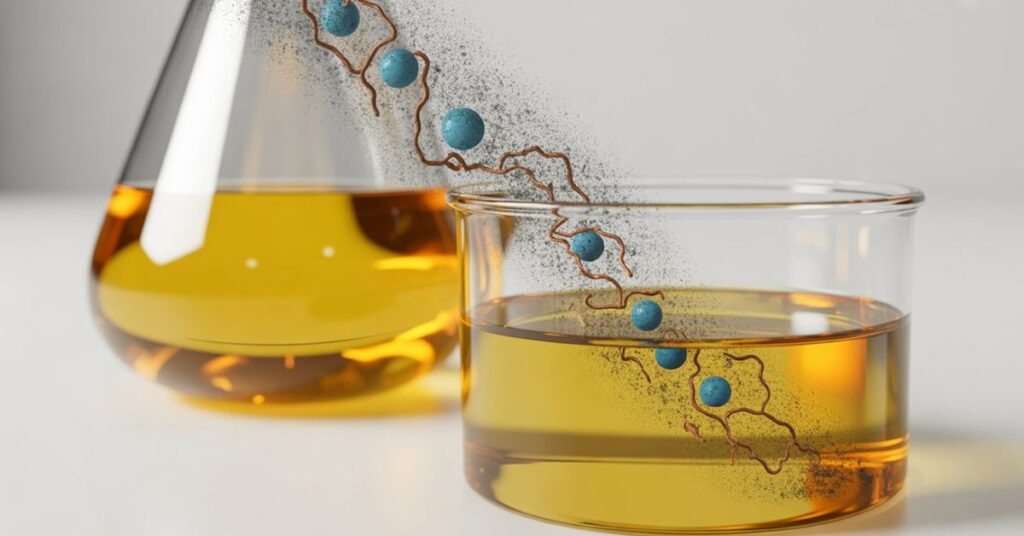
Yes, oxidation is one of the main reasons coconut oil degrades.
When coconut oil is exposed to air for long periods:
- Oxygen reacts with fats in the oil
- This slowly breaks down its natural structure
- The oil begins to lose freshness and develop a stale smell
Even though coconut oil is more stable than many other oils, continuous exposure to air can still lead to rancidity over time.
That is why tightly sealing the container is very important.
Impact of Storage Conditions on Coconut Oil Quality
Yes, storage conditions play a major role in how long oil stays fresh.
Coconut oil can degrade faster if it is stored in:
- High heat environments
- Direct sunlight
- Humid or wet areas like near a stove or sink
Heat speeds up chemical breakdown, while light can weaken the oil’s natural stability. Over time, this causes the oil to lose its clean aroma and smooth texture.
Proper storage in a cool, dark place helps maintain quality for much longer.
How Handling and Contamination Reduce Shelf Life

Yes, improper handling can also cause to degrade faster.
Common mistakes include:
- Using wet spoons or fingers in the jar
- Leaving the lid open for long periods
- Mixing food particles into the oil
These actions introduce moisture and bacteria, which can speed up spoilage. Even though out has natural resistance to microbes, contamination still affects its purity and shelf life.
Keeping the container clean and dry is essential for long-term freshness.
Does Coconut Oil Go Bad and How Can You Tell?
Coconut oil does not usually spoil suddenly. Instead, it slowly changes over time, and these changes are easy to notice if you know what to look for. When people ask if goes bad, the most practical answer comes from identifying visible and sensory signs of spoilage.
Fresh has a mild, pleasant aroma, a smooth texture, and a clean appearance. When it starts going bad, these qualities begin to change. Learning these signs helps you avoid using low-quality or rancid oil in cooking, skincare, or hair care.
Changes in Colour and Texture

Yes, changes in color and texture can be an early warning sign.
Fresh how is usually clear or slightly white, depending on temperature. It also has a smooth and consistent texture.
When coconut oil starts degrading, you may notice a yellowish or dull color. The texture may become grainy or uneven. Sometimes, unusual clumping or separation can also appear.
Keep in mind that temperature changes can naturally turn solid or liquid. However, permanent texture changes often indicate quality loss.
Smell and Taste Differences
Smell and taste are the most reliable indicators of spoilage.
Fresh coconut oil has a mild aroma and a neutral or slightly sweet taste. When it goes bad, the smell becomes sour, musty, or unpleasant. The taste may turn bitter or stale.
These changes are caused by oxidation and rancidity. If the oil smells off, it is best not to consume it.
Visible Signs of Spoilage
Although rare, visible spoilage can occur in certain conditions.
You should check for mold growth, unusual spots, or discoloration patches. In some cases, the oil may appear cloudy or dirty and not clear even after warming.
These signs usually indicate contamination rather than normal aging.If you notice any of these issues, you should discard the oil immediately.
Does Coconut Oil Go Bad and Is It Safe to Use After Expiry?
Coconut oil is known for its long shelf life, but like all natural products, it does come with an expiration date. Many people wonder does shelf go bad after expiry, and whether it is still safe to use once that date has passed.
The truth is that the expiration date is more of a quality guideline than a strict safety cut-off. Coconut oil may still be usable after its expiry date, but its condition depends heavily on how you stored it and whether it shows any signs of rancidity.
You need to understand safety after expiry because people use in cooking, skincare, and hair care, and each use has different sensitivity levels.
Is Expired Coconut Oil Safe for Health?
Signs Coconut Oil Has Turned Rancid
Yes, coconut can become unsafe if it turns rancid.
When coconut oil goes bad:
- Its fats break down into harmful compounds
- It develops an unpleasant smell and taste
- Nutritional value decreases
Health Risks of Using Spoiled Oil
Using rancid oil in cooking is not recommended because it may cause:
- Digestive discomfort
- Loss of beneficial nutrients
- Poor food taste and quality
However, therefore does not become suddenly toxic after expiry. It degrades gradually, so warning signs usually appear before it becomes unsafe.
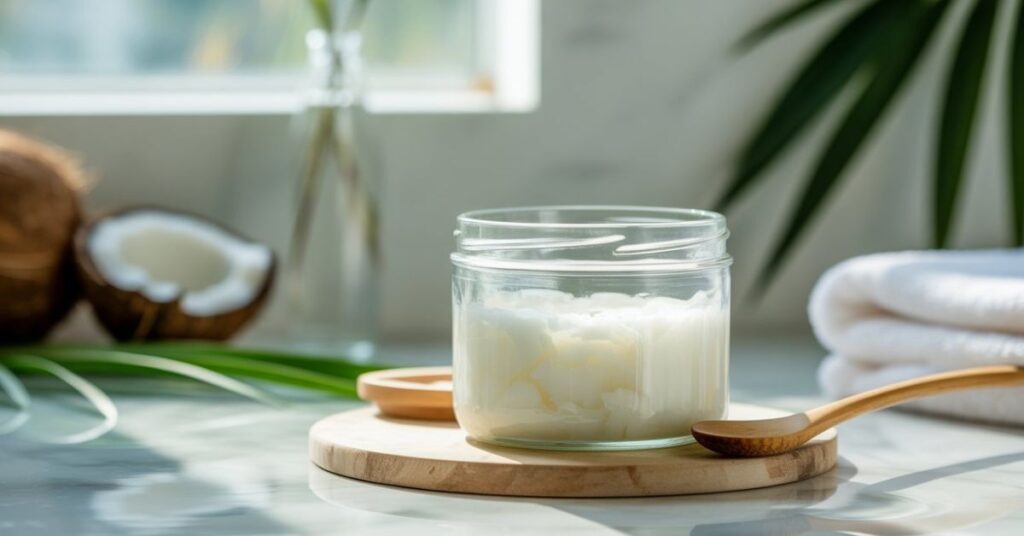
Can You Still Use Expired Coconut Oil for Skin and Hair?
When External Use May Still Be Safe
In some cases, slightly expired may still be used externally.
If the oil:
- Has only mild quality decline
- Does not smell strongly rancid
- Has no contamination or mold
Then it may still be used for skin moisturizing, hair conditioning, and massage purposes.
When to Avoid Using on Skin
If the smell is unpleasant or the texture feels off, avoid using it even on skin, especially on sensitive areas.
When Should You Throw Coconut Oil Away?
Clear Signs It Is No Longer Usable
You should discard oil if:
- It smells sour, bitter, or rancid
- The taste is unpleasant
- There are visible signs of contamination
- It has been stored improperly for a long time
Simple Safety Rule
A simple rule is:
If you are unsure, do not use it internally.
For safety, especially in cooking, it is better to replace old than risk using degraded oil.
How to Store Coconut Oil Properly for Long-Term Use
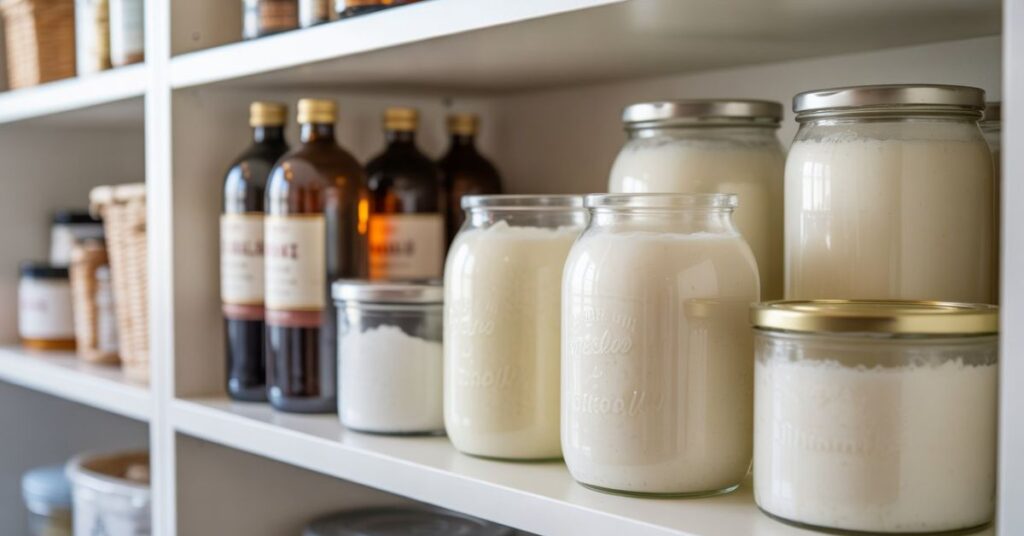
Proper storage plays a major role in maintaining they quality, because even high-quality oil can lose freshness if stored incorrectly. The good news is that is naturally stable, and with the right storage methods, you can significantly extend its shelf life.
Coconut oil does not require refrigeration in most cases, but it does need protection from heat, light, air, and moisture. These factors are the main reasons it starts degrading over time. By controlling storage conditions, you can keep fresh for years.
Can Coconut Oil Be Stored at Room Temperature?
Coconut oil can be safely stored at room temperature, and this is actually the most common method.
At normal room temperature:
- Coconut oil remains solid or semi-solid depending on climate
- It stays stable and usable for a long time
- Its texture may change, but quality remains intact
However, if room temperature is too high (especially in hot climates), the oil may slowly degrade faster. The ideal condition is a cool, stable environment away from heat sources.
Does Coconut Oil Go Bad If Not Sealed Properly?
Yes, improper sealing is one of the fastest ways loses quality.
When the container is not sealed properly:
- Air enters and causes oxidation
- Moisture can mix with the oil
- Contaminants can enter the jar
This leads to faster rancidity and reduces shelf life significantly. Always ensure the lid is tightly closed after every use to maintain freshness.
Effects of Light and Heat on Coconut Oil Quality
Yes, both light and heat are major enemies of oil stability.
Direct sunlight or heat exposure can:
- Break down natural fats
- Cause faster oxidation
- Change smell and taste over time
To prevent this, rhey oil should be stored:
- In a dark cabinet or pantry
- Away from stoves, ovens, or windows
- In a cool, dry place
Glass or opaque containers are also better than transparent ones for long-term storage.
How to Make Coconut Oil Last Longer
Coconut oil already has a long shelf life, but many people still ask whether it can go bad because they notice changes in smell, texture, or quality over time. Proper storage and usage can help last longer than expected.
By following a few simple habits, you can significantly slow down oxidation and prevent contamination. These small steps help maintain freshness, aroma, and nutritional value for a much longer period.
Can You Extend the Shelf Life of Coconut Oil?
Yes, coconut can eventually go bad, but proper handling can greatly extend its shelf life.
To extend freshness:
- Always keep the lid tightly closed
- Store in a cool and dry place
- Avoid frequent exposure to air and heat
When these conditions are maintained, however can easily stay fresh for years without losing quality. The key is reducing exposure to elements that trigger degradation.
How to Check If Coconut Oil Is Still Fresh
Yes, coconut oil does slowly degrade, so it is important to monitor its condition over time.
You can track freshness by checking:
- Smell (should remain neutral or mildly coconut-scented)
- Texture (should remain smooth and consistent)
- Color (should not become dull or unusual)
It is also helpful to note the purchase date on the container. This helps you estimate how long you have stored it and when you may need to replace it.
Does Coconut Oil Go Bad Despite Proper Storage?
Yes, even with proper storage, they will eventually degrade over time.
However, the process is very slow if:
- It is kept away from heat
- It is protected from light
- It is not contaminated during use
Even in ideal conditions,they is not permanent. It simply lasts much longer compared to most other cooking oils. Eventually, natural oxidation will still occur, but at a much slower rate.
Does Coconut Oil Go Bad After Opening?
Once coconut oil is opened, it is exposed to air, moisture, and frequent handling. This naturally increases the chances of slow degradation. So when people ask doesoil go bad after opening, the answer is yes but the speed depends entirely on storage and usage habits.
Opening the container does not immediately spoil oil, but it does start a gradual oxidation process. This means proper care becomes even more important after first use.
Does coconut oil go bad faster once opened?
Yes, therefore generally degrades faster after opening because:
- Air repeatedly enters the container
- Each use exposes oil to contamination risks
- Moisture can accidentally mix in during handling
However, if stored correctly, opened they can still last a long time without major quality loss.
Does coconut oil go bad based on usage habits?
Yes, how you use has a direct impact on its freshness.
Bad habits include:
- Using wet spoons
- Leaving the lid open
- Frequent exposure to heat during cooking
Good habits help maintain quality:
- Always use a dry spoon
- Close lid immediately after use
- Avoid placing near stove or heat source
Small changes in usage can significantly extend shelf life.
Coconut Oil Shelf Life After Opening (Quick Guide)
| Storage Condition | Expected Shelf Life After Opening | Quality Level |
| Cool, dark place + tight lid | 18–24 months | Excellent |
| Room temperature (normal use) | 12–18 months | Good |
| Warm environment | 6–12 months | Fair |
| Near heat/light exposure | 3–6 months | Poor |
Alternative Uses of Coconut Oil After Its Best Quality Period
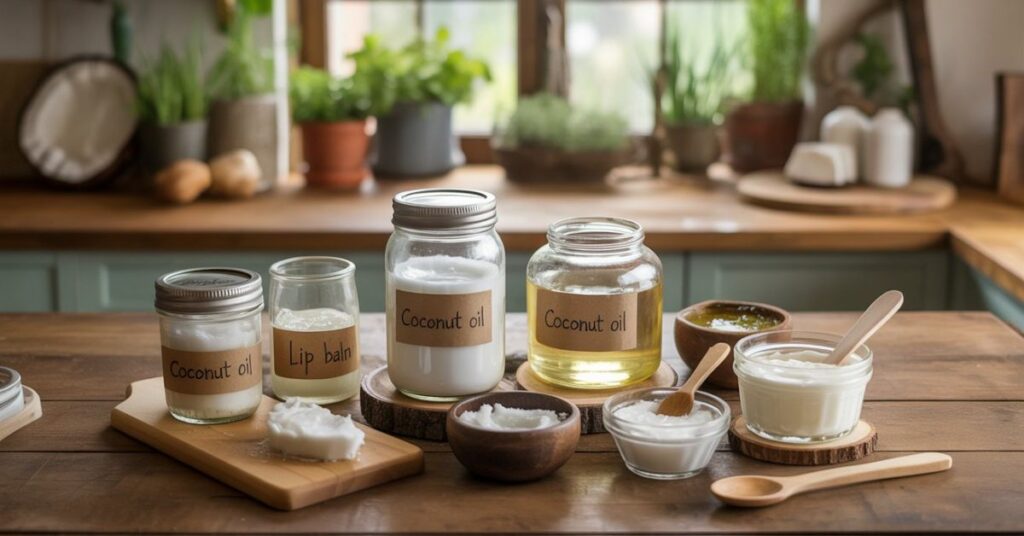
Even when is slightly past its prime or no longer ideal for cooking, it does not always mean it must be thrown away immediately. Many people wonder whether they becomes completely useless over time, but the truth is that it can still have several practical uses even after its best quality period.
Coconut oil is highly versatile, and its usefulness often extends beyond food preparation. If the oil has only mildly degraded and does not smell strongly rancid, you can still use it for external or household purposes.
Can Coconut Oil Be Used for Skincare After It Loses Freshness?
Yes, they can become unsuitable for cooking before it becomes completely useless for other uses.
If coconut oil starts losing freshness:
- Its taste may become slightly off
- Aroma may not be pleasant for food use
- Nutritional quality may reduce
However, it can still be used externally for:
- Skin moisturizing
- Dry skin treatment
- Lip care
- Massage use
People commonly use slightly old in skincare because skin application is less sensitive than consumption.
Household Uses for Old or Expired Coconut Oil
Even if coconut oil is no longer fresh enough for food or skincare, it can still serve many household purposes.
It can be used for:
- Lubricating small hinges or squeaky doors
- Polishing wooden surfaces
- Removing sticky residue from labels
- Conditioning leather items
These uses do not require food-grade freshness, making slightly aged still valuable instead of wasted.
Final Thoughts
Coconut oil is one of the most stable natural oils, but it is not completely immune to degradation. Throughout this guide, we explored in detail does oil go bad, how it changes over time, and what factors affect its shelf life.
The main takeaway is that does not spoil quickly like perishable foods. Instead, it slowly loses quality due to oxidation, heat exposure, poor storage, and contamination. With proper care, it can last for years without major issues.
However, it is still important to check for signs of rancidity such as bad smell, unusual taste, or changes in texture. These signs are the most reliable way to determine whether the oil is still usable or not.
If stored correctly in a cool, dry, and dark place with a tightly sealed lid, they remains safe and effective for a long time. Even after partial quality loss, it can still be useful for skincare and household applications.
In the end, understanding does oil go bad helps you use it more efficiently, avoid waste, and ensure safety in both cooking and personal care.
FAQs
Does coconut oil go bad if not refrigerated?
No, how does not require refrigeration. It can stay stable at room temperature if stored properly in a cool, dry place away from heat and sunlight.
Does coconut oil go bad and make you sick?
Yes, rancid they can cause digestive discomfort if consumed. It is best to avoid using oil that smells or tastes off.
Does coconut oil go bad and how long does it last?
Unopened they typically lasts 2–3 years. Once opened, it can last 12–24 months depending on storage conditions.
Does coconut oil go bad and what does rancid smell like?
Rancid they usually smells sour, musty, or stale, and its taste becomes bitter or unpleasant.