Introduction:
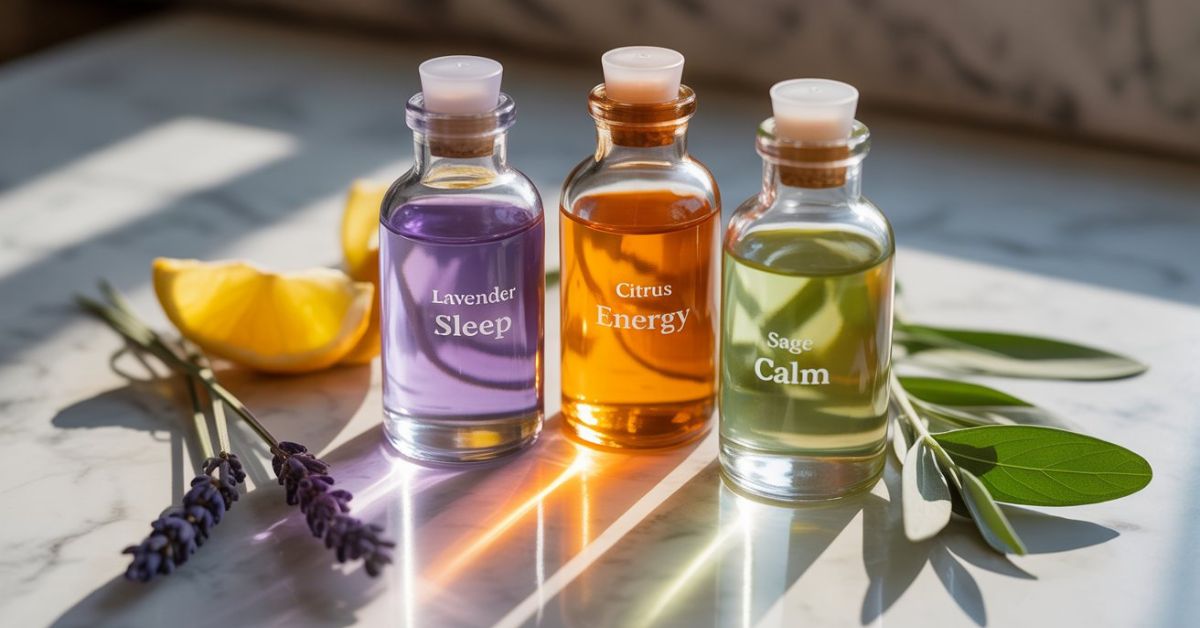
Essential oil blend recipes are powerful tools to enhance wellness, relaxation, energy, and overall health. Unlike single essential oils, blends combine multiple oils to create a synergistic effect. These recipes can be used in diffusers, skincare, massage oils, or even homemade candles. They not only offer therapeutic benefits but also bring beautiful fragrances to your daily routine. Whether you want to calm your mind, boost energy, or improve sleep quality, they are your perfect natural solution.
Essential Oil Blend Recipes: What They Are and Why They Matter
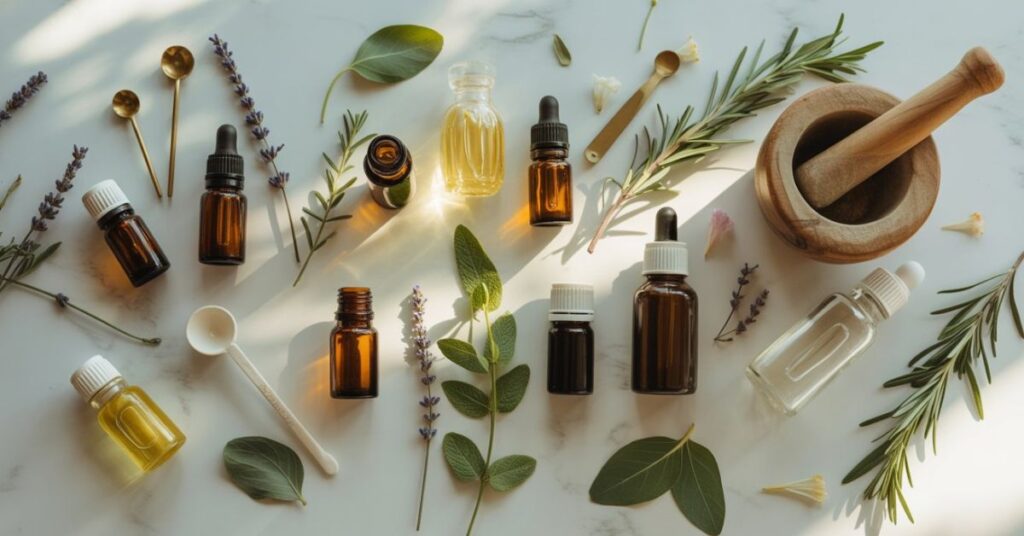
Essential oil blend recipes are combinations of two or more oils carefully chosen for their fragrance and therapeutic properties. Each oil contributes unique qualities, creating a blend that is more effective than individual oils alone. These blends are essential for wellness routines because they target both physical and emotional well-being.
For instance, a lavender and chamomile blend can help with relaxation, while a lemon and peppermint combination may boost focus and energy. Moreover, using blends allows you to customize aromas and benefits to suit personal needs, making them more versatile than single oils. In addition, you can adjust the ratios of each oil, so the blend perfectly matches your preferences.
Essential Oil Blend Recipes and Their Benefits
Essential oil offer numerous benefits. They can:
- Promote relaxation and reduce stress
- Improve sleep quality
- Enhance focus and productivity
- Support skin health and hair care
- Boost immune function and physical wellness
A well-crafted blend amplifies the effects of each oil, providing a holistic experience that supports both mind and body. These recipes are also perfect for diffusers, roller bottles, and skincare applications, making them highly adaptable.
Essential Oil Blend Recipes vs Single Oils
Single essential oils have benefits; however, blends often offer enhanced effects. This is because when oils are combined, their chemical properties can complement each other, thereby creating a more powerful therapeutic impact. For instance, a combination of geranium, frankincense, and lavender essential oils provides a calming, mood-lifting effect, which a single oil may not achieve. Additionally, blends allow you to tailor the aroma and benefits to your personal needs.
Blends also offer complex aromas, giving a richer sensory experience. This makes them ideal for diffusers, candles, soaps, and perfumes. While single oils are simpler, they allow for more creativity and versatility.
Essential Oil Blend Recipes and the Power of Scent
Scent is a powerful tool that influences emotions, mood, and even cognitive performance. Essential oil leverage this by combining oils with complementary aromas. Citrus oils can energize, floral oils uplift, and woody oils ground the senses.
The olfactory system sends signals to the brain, triggering emotional and physical responses. This is why are effective for relaxation, focus, and wellness. By carefully selecting oils, you can create blends that align perfectly with your goals whether it’s calming anxiety, boosting energy, or enhancing meditation practices.
How to Make Essential Oil Blends at Home
Creating essential oil blends at home is simple, fun, and allows you to customize recipes for your personal needs. Whether you want a calming mix for relaxation, an energizing boost for mornings, or a nourishing blend for skincare, DIY blends give you full control.
Choosing the Right Oils
The first step is selecting oils based on your goal. Each oil has unique properties that affect mood, energy, and skin.
Lavender, chamomile, and ylang- are ideal for promoting relaxation and sleep. These oils help calm the mind and reduce stress naturally. Using them in a diffuser or a bedtime roller blend can create a peaceful environment Lemon, peppermint, and rosemary are excellent for boosting energy and focus. Their invigorating aromas help sharpen concentration and lift your mood.
You can diffuse them in the morning or create a personal roller blend for an on-the-go pick-me-up.
For skincare and beauty, geranium, tea tree, and frankincense are popular.
For a fresh home scent, lemon, eucalyptus, and lavender are ideal.
Try to use only 2 to 5 oils in one blend. Too many oils can create a confusing scent and reduce effectiveness.
Understanding Fragrance Notes
Essential oils are divided into three fragrance layers. Balancing these notes creates a smooth and lasting aroma.
Top notes are light and fresh, like citrus or peppermint. They are the first scent you notice but fade quickly.
Middle notes form the heart of the blend, such as lavender and geranium.
Base notes are deep and long-lasting, like sandalwood and frankincense.
A balanced blend includes all three. For example, lavender, bergamot, and cedarwood create a calming and long-lasting mix.
Step-by-Step Blending Guide
Follow these simple steps to create your blend:
Start by selecting oils based on your purpose.
Use a simple ratio like 3:2:1 for top, middle, and base notes.
Add the oils into a dark glass bottle.
Shake gently to mix everything well.
Test the scent and adjust if needed.
Label your blend with ingredients and date.
This method works for diffusers, roller bottles, candles, and skincare products.
Common Mistakes to Avoid
Even simple blends can go wrong if you are not careful.
Using too many oils can ruin the scent.
Applying oils directly without a carrier oil may irritate the skin.
Not testing the blend can lead to poor results.
Storing oils in clear bottles can damage them sunlight.
Ignoring shelf life reduces effectiveness over time.
Avoiding these mistakes will help you create safe and effective blends.
Pro Tip for Better Results
Keep your headings natural and varied. Use your main keyword in only some headings, not all. This improves readability and SEO performance.
Essential Oil Blend Recipes for Relaxation and Stress Relief
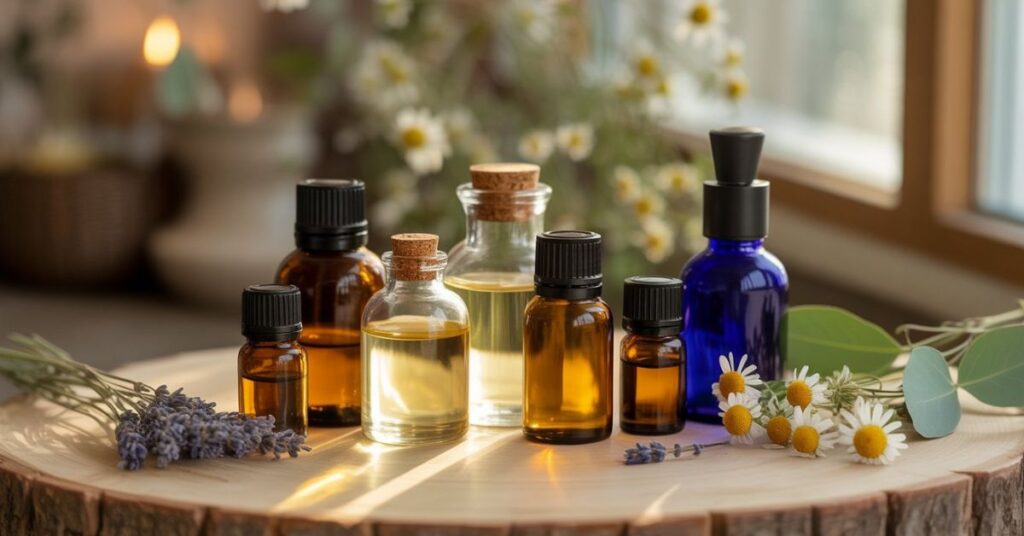
Relaxation and stress relief are among the most popular uses for blend recipes. By carefully combining calming oils, you can reduce anxiety, soothe the mind, and create a peaceful environment. These blends work well in diffusers, roller bottles, or even baths, providing both emotional and physical comfort.
Essential Oil Blend Recipes for Calm and Anxiety
Essential oil for calm and anxiety focus on soothing the nervous system and promoting mental clarity. Popular combinations include:
- Lavender + Chamomile + Geranium: Calms nerves and reduces tension
- Bergamot + Frankincense + Ylang-Ylang: Supports emotional balance and serenity
- Clary Sage + Sandalwood + Lavender: Eases mental stress and creates a grounding effect
Using these blends in a diffuser or a roller bottle can help you feel relaxed after a long day, and they are gentle enough for daily use.
Essential Oil Blend Recipes for Better Sleep
Sleep is critical for overall wellness, and blend recipes can improve sleep quality naturally. Effective sleep blends include:
- Lavender + Cedarwood + Marjoram: Promotes deep, restful sleep
- Chamomile + Bergamot + Vetiver: Relieves insomnia and racing thoughts
- Frankincense + Ylang-Ylang + Lavender: Supports calm mind and body before bedtime
Place these blends in a diffuser near your bed or apply a few drops to your pillow to create a sleep-friendly environment.
Essential Oil Blend Recipes for Meditation
Meditation benefits greatly from blend recipes. Certain blends help focus the mind, deepen breathing, and enhance spiritual awareness. Examples include:
- Sandalwood + Frankincense + Patchouli: Promotes mindfulness and grounding
- Lavender + Clary Sage + Vetiver: Encourages calmness and inner focus
- Citrus + Peppermint + Rosemary: Energizes while maintaining mental clarity
For example, applying these blends before meditation, or alternatively, using them in a diffuser during practice, can help you achieve a deeper meditative state and, at the same time, reduce distractions. Consequently, your focus and mindfulness are enhanced.
Essential Oil Blend Recipes for Energy and Focus
Essential oil for energy and focus are perfect for starting your day, boosting productivity, and maintaining mental clarity. These blends combine invigorating oils that stimulate the senses, enhance concentration, and promote a positive mood. They are ideal for diffusers at home, office spaces, or even in roller bottles for on-the-go energy.
Essential Oil Blend Recipes for Morning Energy
Morning energy blends help wake up the mind and body naturally. Popular combinations include:
- Lemon + Peppermint + Grapefruit: Invigorates the senses and promotes alertness
- Orange + Rosemary + Bergamot: Energizes while maintaining focus
- Grapefruit + Lemon + Ginger: Stimulates metabolism and uplifts mood
Using these blends in a diffuser during your morning routine can replace the need for caffeine while providing a refreshing, natural boost.
Essential Oil Blend Recipes for Focus and Productivity
To maintain concentration and efficiency throughout the day, essential oil can enhance cognitive performance. Effective focus blends include:
- Rosemary + Peppermint + Lemon: Improves memory and mental clarity
- Basil + Bergamot + Frankincense: Reduces mental fatigue and boosts attention
- Lemon + Cypress + Eucalyptus: Refreshes the mind and supports sustained focus
Diffusing these blends in your workspace or applying a diluted blend to pulse points can help you stay alert and productive.
Essential Oil Blend Recipes for Mood Boost
Mood-boosting essential oil lift spirits and reduce stress, promoting positivity throughout the day. Some effective combinations are:
- Sweet Orange + Geranium + Ylang-Ylang: Enhances happiness and emotional balance
- Lemon + Lavender + Bergamot: Reduces stress while elevating mood
- Grapefruit + Peppermint + Rosemary: Energizes and revitalizes emotional state
These blends are ideal for diffusers, personal inhalers, or roller bottles, providing a quick emotional lift whenever needed.
Essential Oil Blend Recipes for Health and Physical Wellness
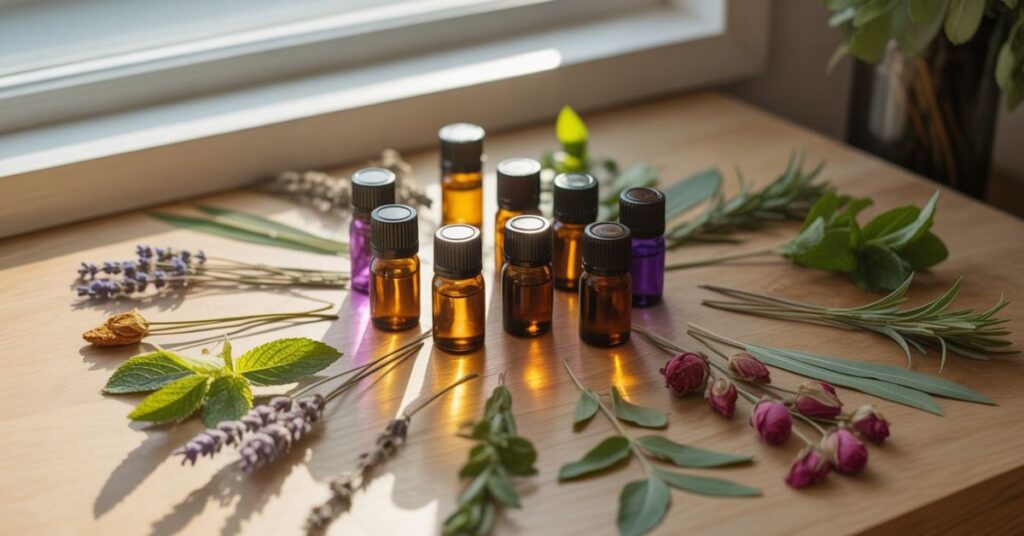
Essential oil can support your physical wellness by addressing issues like immunity, headaches, muscle tension, and hormone balance. Using the right combination of oils enhances their therapeutic effects, making these blends a natural addition to your daily health routine.
Essential Oil Blend Recipes for Immune Support
Boosting immunity is essential, especially during seasonal changes. Effective essential oil for immune support include:
- Tea Tree + Eucalyptus + Lemon: Supports respiratory health and strengthens defenses
- Frankincense + Rosemary + Lavender: Enhances immune response and reduces inflammation
- Clove + Lemon + Peppermint: Provides antibacterial and antiviral properties
Diffusing these blends in your home or using them in a diluted roller bottle can help maintain a healthy immune system naturally.
Essential Oil Blend Recipes for Headache Relief
Headaches and migraines can be relieved using targeted blend recipes. Examples include:
- Peppermint + Lavender + Eucalyptus: Soothes tension and eases sinus pressure
- Rosemary + Lavender + Chamomile: Reduces stress-related headaches
- Basil + Peppermint + Lemon: Refreshes the mind and relieves pain
Apply diluted blends to temples, neck, or wrists, or inhale directly from a diffuser to relieve discomfort.
Essential Oil Blend Recipes for Muscle Relief
Muscle aches and soreness respond well to therapeutic blends. Consider these combinations:
- Lavender + Marjoram + Eucalyptus: Relaxes muscles and reduces stiffness
- Peppermint + Rosemary + Ginger: Improves circulation and eases tension
- Black Pepper + Clary Sage + Lavender: Targets deep tissue relief
Massage diluted blends into sore areas or add a few drops to a warm bath for soothing relief.
Essential Oil Blend Recipes for Hormone Balance
Hormonal fluctuations can affect mood, energy, and physical wellness. Essential oil for hormone support include:
- Clary Sage + Geranium + Lavender: Helps regulate menstrual cycles and emotional balance
- Rose + Ylang-Ylang + Bergamot: Supports emotional stability and reduces stress
- Fennel + Peppermint + Frankincense: Aids in balancing hormones naturally
Diffusing these blends or using them in roller bottles allows for consistent, gentle support throughout the day.
Essential Oil Blend Recipes for Skincare and Beauty
Essential oil are excellent for enhancing skin and hair health naturally. By combining oils with specific properties, you can create blends that nourish, protect, and rejuvenate. These blends can be used in creams, serums, soaps, or even hair treatments, providing a natural beauty boost without harsh chemicals.
Essential Oil Blend Recipes for Glowing Skin
For radiant, healthy-looking skin, essential oil can help restore balance and improve texture. Effective blends include:
- Frankincense + Geranium + Lavender: Promotes skin regeneration and reduces signs of aging
- Rose + Neroli + Chamomile: Hydrates and brightens dull skin
- Carrot Seed + Lavender + Ylang-Ylang: Supports cell renewal and enhances natural glow
Apply diluted blends to cleansed skin or add to carrier oils for facial massage. Using these blends consistently can improve complexion and overall skin vitality.
Essential Oil Blend Recipes for Acne Control
Acne-prone skin benefits from blends that balance oil production and reduce inflammation. Recommended blends include:
- Tea Tree + Lavender + Geranium: Combats bacteria and soothes irritated skin
- Lemon + Frankincense + Rosemary: Helps regulate sebum and reduce breakouts
- Chamomile + Clary Sage + Lavender: Reduces redness and supports healing
These blends can be added to creams, toners, or applied in small amounts with a carrier oil to target acne-prone areas.
Essential Oil Blend Recipes for Hair Care
Healthy hair requires blend recipes that nourish the scalp, strengthen strands, and prevent hair loss. Popular combinations include:
- Rosemary + Peppermint + Lavender: Stimulates scalp circulation and promotes growth
- Ylang-Ylang + Geranium + Chamomile: Balances scalp oils and improves shine
- Cedarwood + Tea Tree + Lavender: Prevents dandruff and soothes irritation
Mix these blends with carrier oils or add a few drops to shampoo and conditioner for stronger, healthier hair naturally.
Natural Home Cleaning and Freshness with Essential Oils
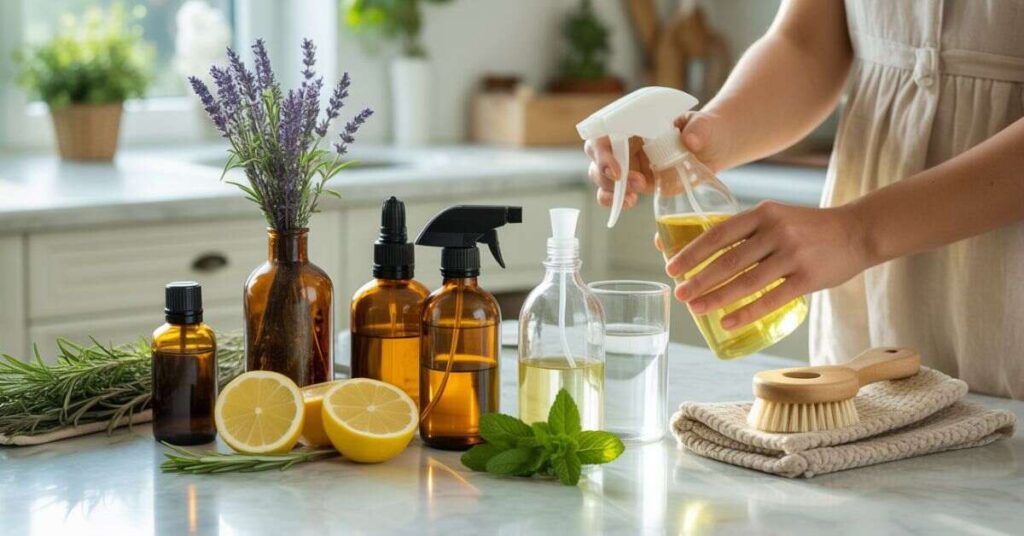
Essential oils are excellent for creating a clean, fresh, and naturally fragrant home. In fact, these blends can be used in diffusers, homemade sprays, or added to cleaning solutions. As a result, they help remove odors, disinfect surfaces, and uplift the environment without harsh chemicals.
Freshening the Air Naturally
First of all, air freshening blends improve indoor air quality while adding a pleasant aroma. For example, some popular combinations include:
Lemon + Lavender + Eucalyptus freshens and purifies the air.
Orange + Peppermint + Rosemary creates an energizing and uplifting scent.
Grapefruit + Tea Tree + Bergamot helps remove odors and supports wellness.
You can use these blends in diffusers. Alternatively, you can spray them lightly in rooms for instant freshness.
Keeping Your Kitchen Clean and Fresh
In addition, kitchen cleaning blends help eliminate bacteria and neutralize odors. At the same time, they leave surfaces sparkling clean. Some effective combinations are:
Lemon + Tea Tree + Lavender works well for disinfecting and deodorizing.
Grapefruit + Peppermint + Eucalyptus cleans countertops and sinks naturally.
Orange + Rosemary + Lemon helps remove grease while adding a fresh scent.
To use, simply mix these blends with water or vinegar. Then apply as a homemade kitchen spray.
Maintaining a Fresh Bathroom Environment
Similarly, bathrooms need blends that handle germs, odors, and moisture. Therefore, the following combinations work best:
Tea Tree + Eucalyptus + Lemon provides natural antibacterial support.
Lavender + Peppermint + Geranium leaves a fresh and calming scent.
Lemon + Rosemary + Thyme cleans and deodorizes effectively.
You can use these blends in sprays. In addition, diffusers can help maintain a pleasant atmosphere throughout the day.
Quick Reference Table for Easy Use
| Purpose | Essential Oils Blend | Usage Method |
|---|---|---|
| Air Freshening | Lemon + Lavender + Eucalyptus | Diffuser or room spray |
| Air Freshening | Orange + Peppermint + Rosemary | Diffuser or room spray |
| Kitchen Cleaning | Lemon + Tea Tree + Lavender | Spray on counters, sinks |
| Kitchen Cleaning | Orange + Rosemary + Lemon | Spray or wipe surfaces |
| Bathroom Cleaning | Tea Tree + Eucalyptus + Lemon | Spray or diffuse |
| Bathroom Cleaning | Lavender + Peppermint + Geranium | Spray or diffuse |
This table makes it easy to choose the right blend quickly. Overall, it helps readers apply essential oil recipes for home cleaning in a simple and effective way.
Seasonal Essential Oil Blend Recipes for Every Season
Essential oil can be customized for each season to match the weather, mood, and wellness needs. Seasonal blends enhance comfort, refresh the environment, and support health throughout the year.
Essential Oil Blend Recipes for Spring
Spring blends focus on renewal, energy, and freshness. Popular combinations include:
- Lemon + Grapefruit + Lavender: Energizes and refreshes the home
- Bergamot + Rosemary + Geranium: Uplifts mood and promotes clarity
- Peppermint + Eucalyptus + Lemon: Supports respiratory wellness and detoxification
Spring blends are perfect for diffusers, roller bottles, or light room sprays to welcome the season with vitality.
Essential Oil Blend Recipes for Summer
Summer blends are vibrant, cooling, and uplifting, ideal for hot months. Effective combinations include:
- Peppermint + Lemon + Tea Tree: Refreshes and repels insects naturally
- Orange + Grapefruit + Lavender: Energizes and reduces fatigue
- Eucalyptus + Peppermint + Lemon: Cools the environment and supports breathing
Use these blends in diffusers, body mists, or homemade candles to stay refreshed during summer.
Essential Oil Blend Recipes for Fall
Fall blends bring warmth, comfort, and seasonal aromas that match cozy weather. Recommended combinations include:
- Clove + Orange + Cinnamon: Creates a comforting and inviting atmosphere
- Frankincense + Cedarwood + Patchouli: Grounds the mind and relaxes the body
- Ginger + Bergamot + Lavender: Boosts mood while providing warmth
These blends are perfect for diffusers, candles, or room sprays to enhance fall ambiance.
Essential Oil Blend Recipes for Winter
Winter blends focus on immunity, warmth, and emotional comfort during cold months. Popular blends include:
- Cinnamon + Orange + Clove: Boosts immunity and creates a cozy atmosphere
- Eucalyptus + Tea Tree + Peppermint: Supports respiratory health and clears airways
- Frankincense + Cedarwood + Lavender: Promotes relaxation and warmth
Use winter blends in diffusers, roller bottles, or homemade cleaning sprays to maintain comfort and wellness throughout the season.
Table: Seasonal Essential Oil Blend Recipes Quick Guide
| Season | Essential Oil Blend Example | Best Use Method |
| Spring | Lemon + Grapefruit + Lavender | Diffuser, roller bottle, room spray |
| Spring | Bergamot + Rosemary + Geranium | Diffuser or personal inhaler |
| Summer | Peppermint + Lemon + Tea Tree | Diffuser, body mist, candle |
| Summer | Orange + Grapefruit + Lavender | Diffuser or roller bottle |
| Fall | Clove + Orange + Cinnamon | Diffuser, candle, room spray |
| Fall | Frankincense + Cedarwood + Patchouli | Diffuser or roller bottle |
| Winter | Cinnamon + Orange + Clove | Diffuser, roller bottle, cleaning |
| Winter | Eucalyptus + Tea Tree + Peppermint | Diffuser or personal inhaler |
This table gives readers a quick seasonal guide for recipes, making it easy to choose blends for every time of the year.
Lifestyle Essential Oil Blend Recipes for Daily Use
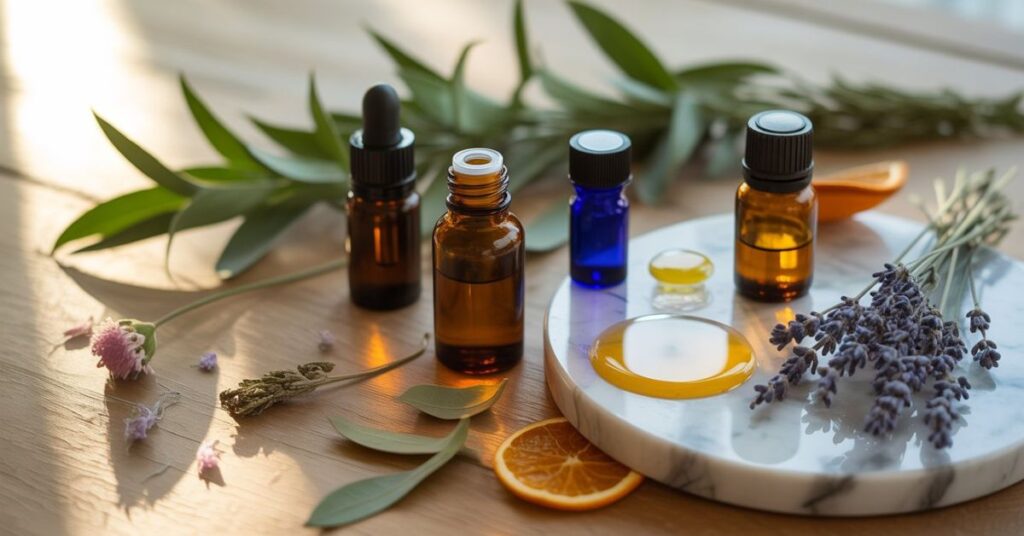
Essential oil for daily routines help improve focus, energy, relaxation, and overall well-being. By incorporating these blends into your lifestyle, you can enhance morning and night routines, support work or study, and even elevate yoga or romantic moments.
Essential Oil Blend Recipes for Morning Routine
Morning blends awaken the senses and prepare you for a productive day. Popular combinations include:
- Lemon + Peppermint + Rosemary: Energizes and boosts focus
- Grapefruit + Bergamot + Lavender: Uplifts mood and refreshes the mind
- Orange + Eucalyptus + Frankincense: Enhances alertness and mental clarity
Use these blends in a diffuser during breakfast or apply diluted blends to pulse points for an invigorating start.
Essential Oil Blend Recipes for Night Routine
Night blends promote relaxation, calm the mind, and prepare the body for restful sleep. Recommended combinations include:
- Lavender + Chamomile + Cedarwood: Encourages deep, restful sleep
- Ylang-Ylang + Bergamot + Frankincense: Reduces anxiety and stress before bedtime
- Clary Sage + Lavender + Vetiver: Supports emotional balance and tranquility
Diffuse these blends in the bedroom or use a roller bottle for a soothing nightly ritual.
Essential Oil Blend Recipes for Study and Work
Blends for focus and productivity help maintain concentration during long hours of study or work. Examples include:
- Rosemary + Lemon + Peppermint: Enhances memory and mental clarity
- Basil + Bergamot + Frankincense: Reduces mental fatigue
- Citrus + Eucalyptus + Lavender: Refreshes and energizes without overstimulation
Diffuse at your desk or apply lightly on pulse points for sustained alertness and focus.
Essential Oil Blend Recipes for Yoga and Meditation
Yoga and meditation benefit from blends that promote mindfulness, grounding, and emotional balance. Effective combinations include:
- Sandalwood + Frankincense + Lavender: Encourages deep meditation and inner calm
- Clary Sage + Vetiver + Ylang-Ylang: Supports focus and emotional release
- Citrus + Peppermint + Rosemary: Energizes while maintaining mental clarity
Diffuse in the practice space or apply diluted blends to the wrists and neck to enhance the experience.
Essential Oil Blend Recipes for Romantic Mood
Romantic blends set a warm, intimate atmosphere and enhance emotional connection. Recommended combinations include:
- Ylang-Ylang + Rose + Bergamot: Encourages passion and emotional closeness
- Patchouli + Jasmine + Sandalwood: Creates a sensual and grounding environment
- Lavender + Geranium + Frankincense: Promotes relaxation and harmony
Use these blends in a diffuser, massage oil, or candles to create the perfect romantic ambiance.
Table: Quick Reference for Lifestyle Essential Oil Blend Recipes
| Purpose | Essential Oils Blend Example | Usage Method |
| Morning Routine | Lemon + Peppermint + Rosemary | Diffuser or roller bottle |
| Night Routine | Lavender + Chamomile + Cedarwood | Diffuser or roller bottle |
| Study & Work | Rosemary + Lemon + Peppermint | Diffuser or pulse points |
| Yoga & Meditation | Sandalwood + Frankincense + Lavender | Diffuser or topical application |
| Romantic Mood | Ylang-Ylang + Rose + Bergamot | Diffuser, candle, or massage |
This table provides readers with a quick, practical guide to integrate into daily life for energy, focus, relaxation, and romance.
Essential Oil Blend Recipes by Scent Profiles
Essential oil blend recipes can be organized by scent profiles to create harmonious and pleasing aromas. Using scent profiles helps in designing blends for mood, energy, relaxation, or ambiance. Common profiles include citrus, floral, woody, spicy, and herbal.
Citrus Essential Oil Blend Recipes
Citrus blends are bright, uplifting, and energizing. They are perfect for boosting mood, focus, and freshness. Popular combinations include:
- Lemon + Grapefruit + Orange: Energizes and refreshes
- Bergamot + Lime + Sweet Orange: Uplifts mood and enhances alertness
- Grapefruit + Lemon + Peppermint: Stimulates the senses and focus
Use citrus blends in diffusers, roller bottles, or homemade cleaning sprays for a lively and invigorating atmosphere.
Floral Essential Oil Blend Recipes
Floral blends are calming, soothing, and promote emotional balance. They are ideal for relaxation, self-care, and romantic settings. Recommended blends include:
- Lavender + Geranium + Rose: Supports calmness and emotional balance
- Jasmine + Ylang-Ylang + Neroli: Encourages romance and tranquility
- Chamomile + Rose + Bergamot: Soothes stress and promotes restful sleep
Diffuse floral blends in bedrooms, meditation spaces, or apply in skincare products for a gentle, uplifting effect.
Woody Essential Oil Blend Recipes
Woody blends provide grounding, focus, and a sense of stability. They are great for meditation, relaxation, or emotional support. Examples include:
- Sandalwood + Cedarwood + Patchouli: Promotes grounding and mindfulness
- Vetiver + Frankincense + Pine: Enhances focus and calm
- Cedarwood + Sandalwood + Lavender: Supports emotional balance and stress relief
Use woody blends in diffusers, massage oils, or candles to create a calm and focused atmosphere.
Spicy Essential Oil Blend Recipes
Spicy blends are warm, stimulating, and energizing. They can uplift mood, promote intimacy, or create a cozy environment. Popular combinations include:
- Clove + Cinnamon + Orange: Creates warmth and comfort
- Ginger + Cardamom + Bergamot: Energizes and supports circulation
- Nutmeg + Cinnamon + Frankincense: Encourages emotional balance and cozy ambiance
Spicy blends work well in candles, diffusers, or homemade room sprays during cooler months or for intimate settings.
Herbal Essential Oil Blend Recipes
Herbal blends are refreshing, purifying, and promote wellness. They are suitable for focus, detoxification, and respiratory support. Recommended combinations include:
- Rosemary + Basil + Peppermint: Enhances focus and mental clarity
- Eucalyptus + Thyme + Lemon: Supports respiratory health and air purification
- Sage + Lavender + Lemon: Detoxifies and refreshes the environment
Herbal blends are excellent in diffusers, roller bottles, or homemade cleaning solutions to promote both wellness and freshness.
Table: Quick Reference for Scent Profile Essential Oil Blend Recipes
| Scent Profile | Essential Oils Blend Example | Best Use Method |
| Citrus | Lemon + Grapefruit + Orange | Diffuser, roller bottle, spray |
| Floral | Lavender + Geranium + Rose | Diffuser, skincare, roller |
| Woody | Sandalwood + Cedarwood + Patchouli | Diffuser, candle, massage |
| Spicy | Clove + Cinnamon + Orange | Candle, diffuser, room spray |
| Herbal | Rosemary + Basil + Peppermint | Diffuser, roller bottle, cleaning |
This table allows readers to choose blends easily based on scent preferences, making it simple to create a desired atmosphere or emotional effect.
Advanced Essential Oil Blend Recipes for Emotional Balance
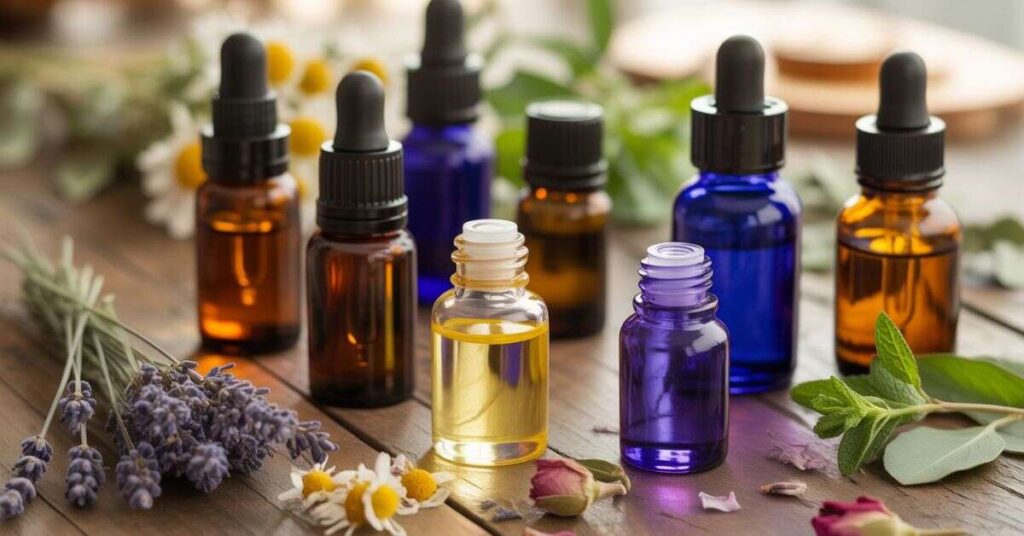
Advanced essential oil blend recipes are designed to support emotional wellness, chakra alignment, and inner harmony. These blends use carefully chosen oils to balance energy centers, enhance mood, and promote mental clarity. They are ideal for meditation, self-care rituals, or emotional support.
Essential Oil Blend Recipes for Root Chakra
The Root Chakra, located at the base of the spine, governs stability, grounding, and security. Essential oil blends for this chakra help you feel centered and secure. Popular combinations include:
- Patchouli + Cedarwood + Clove: Provides grounding and emotional stability
- Vetiver + Frankincense + Sandalwood: Encourages calmness and rooted energy
- Ginger + Black Pepper + Cinnamon: Boosts vitality and confidence
Use these blends in diffusers during meditation or apply diluted blends to the lower back and feet for energy alignment.
Essential Oil Blend Recipes for Heart Chakra
The Heart Chakra, located at the center of the chest, governs love, compassion, and emotional balance. Essential oil blends for this chakra promote openness, empathy, and emotional healing. Recommended blends include:
- Rose + Geranium + Lavender: Encourages love and emotional balance
- Ylang-Ylang + Bergamot + Frankincense: Supports self-love and harmony
- Chamomile + Jasmine + Patchouli: Calms emotional tension and fosters compassion
Diffuse these blends near your heart area, or use a few drops in massage oils to support emotional balance.
Essential Oil Blend Recipes for Crown Chakra
The Crown Chakra, at the top of the head, governs spirituality, clarity, and consciousness. Blends for this chakra enhance mindfulness, mental clarity, and spiritual connection. Examples include:
- Frankincense + Lavender + Sandalwood: Encourages meditation and spiritual awareness
- Rosemary + Peppermint + Lemon: Promotes mental clarity and focus
- Jasmine + Neroli + Vetiver: Balances energy and supports inner peace
Use these blends during meditation or yoga practices, or diffuse in your space to enhance spiritual focus and connection.
Table: Quick Reference for Chakra Essential Oil Blend Recipes
| Chakra | Essential Oils Blend Example | Best Use Method |
| Root | Patchouli + Cedarwood + Clove | Diffuser, lower back application |
| Root | Vetiver + Frankincense + Sandalwood | Diffuser, feet, meditation |
| Heart | Rose + Geranium + Lavender | Diffuser, massage, pulse points |
| Heart | Ylang-Ylang + Bergamot + Frankincense | Diffuser or topical use |
| Crown | Frankincense + Lavender + Sandalwood | Diffuser, meditation, yoga |
| Crown | Jasmine + Neroli + Vetiver | Diffuser, meditation, yoga |
This table provides readers with a practical guide to align their chakras using essential oil blend recipes, making emotional balance accessible and actionable.
Tips for Creating Perfect Blends
Creating perfect blends requires understanding balance, purpose, and proper testing. In other words, a good mix is not just about scent. It is also about safety and effectiveness. When done correctly, your blends can support wellness, beauty, and home care.
How to Balance Different Oils
First of all, balance is the foundation of any successful blend. Essential oils are divided into top, middle, and base notes. When combined correctly, they create a smooth and long-lasting aroma.
Top notes are light and uplifting.
Middle notes form the heart of the blend.
Base notes provide depth and staying power.
A simple starting ratio works well for beginners. Use 1–2 drops of top notes, 2–3 drops of middle notes, and 1–2 drops of base notes.
In addition, always think about how oils work together. Some oils improve each other’s benefits, not just the smell. As a result, balanced blends perform better in diffusers, skincare, and roller bottles.
Adjusting Blends for Different Uses
Next, it is important to adjust your blend based on how you plan to use it. Different uses require different strengths and methods.
For skin application, always dilute oils with a carrier oil like jojoba or coconut oil. This helps prevent irritation.
When using a diffuser, opt for a lighter blend to avoid an overpowering scent. This allows the aroma to fill the room gently. You can adjust the number of drops depending on the size of the space and your personal preference. For cleaning, mix oils with water or vinegar for a natural solution.
For roller bottles, keep the concentration gentle for safe daily use.
By adjusting your blends properly, you improve both safety and effectiveness.
How to Test Your Blends Properly
Finally, testing is an essential step that should never be skipped. Without testing, your blend may not give the desired result.
Start by mixing small amounts instead of large batches.
Then, let the blend rest for a few hours or overnight. This allows the scent to fully develop.
After that, smell the blend and adjust if needed.
For skin use, always do a patch test on a small area first.
In the end, proper testing ensures your blends are safe, consistent, and enjoyable every time.
How to Store Your Blends Properly
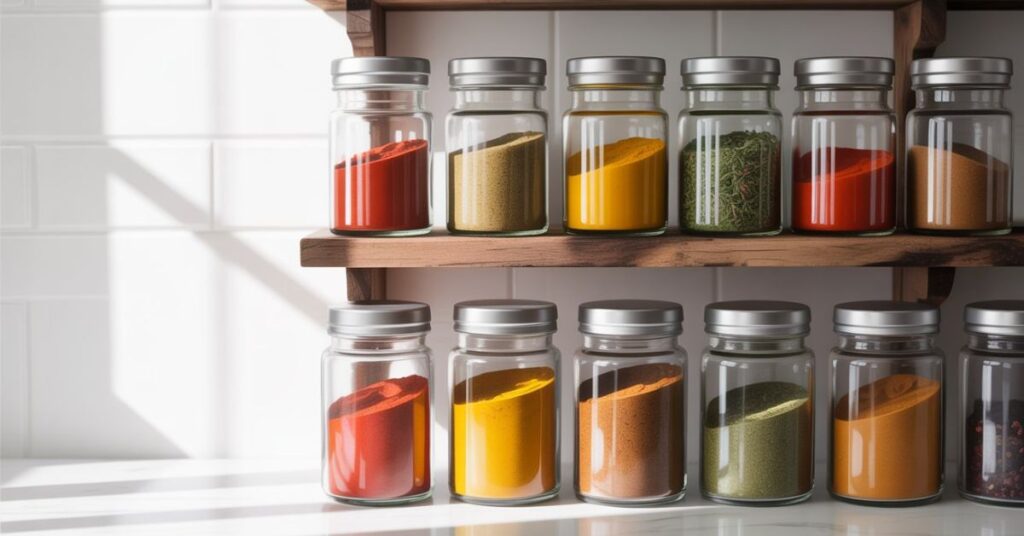
Proper storage ensures your blends stay effective, aromatic, and safe over time. In fact, poor storage can cause oils to lose their scent and therapeutic value. Therefore, following the right methods helps extend shelf life and maintain quality.
Best Storage Practices
First of all, using the right storage method is essential for preserving your blends.
Use dark glass bottles such as amber or cobalt blue to protect oils from light.
Keep bottles in a cool and dry place, away from direct sunlight and heat sources.
Always seal bottles tightly to prevent oxidation and evaporation.
Label each blend clearly with its name, date, and purpose.
As a result, these simple steps help maintain aroma, effectiveness, and safety.
Understanding Shelf Life
In addition, knowing how long your blends last is important. Different oils have different lifespans.
Citrus oils usually last around 6 to 12 months.
Floral oils can last between 1 to 2 years.
Woody and resin-based oils often stay effective for 2 to 3 years.
Blended oils typically last 1 to 2 years when stored properly.
However, always check your blends for any changes in smell, color, or texture before use.
Common Storage Mistakes to Avoid
On the other hand, some common mistakes can quickly ruin your blends.
Exposing oils to sunlight or high heat can damage their quality.
Using plastic containers may cause chemical reactions with oils.
Leaving bottles loosely closed leads to evaporation.
Mixing expired oils with fresh ones reduces effectiveness.
Ignoring proper dilution can make blends unsafe for skin use.
By avoiding these mistakes, you can keep your blends fresh and usable for a longer time.
Troubleshooting Essential Oil Blend Recipes Problems
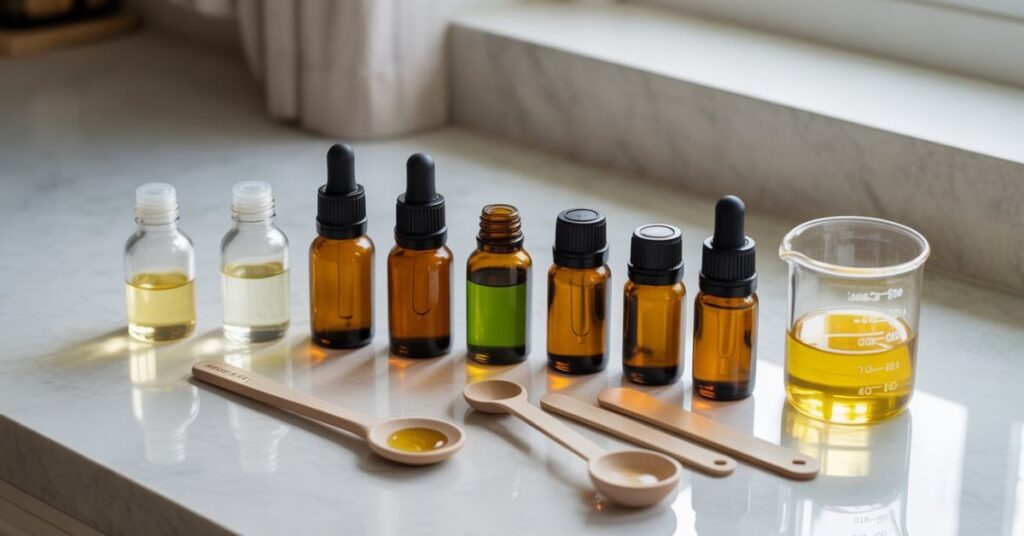
Even experienced users may face issues when creating recipes. Common problems include blends that smell too strong, fade quickly, or fail to harmonize properly. Knowing how to troubleshoot ensures your blends remain effective, safe, and enjoyable.
Essential Oil Blend Recipes That Smell Too Strong
Blends can sometimes be overpowering if the ratios of oils are unbalanced. To fix this:
- Dilute with a carrier oil: For topical use, add jojoba, almond, or coconut oil to reduce intensity.
- Add a base note: Oils like sandalwood, cedarwood, or vetiver can anchor the scent and soften overpowering top notes.
- Use fewer drops: Start with smaller quantities of strong oils like clove, peppermint, or eucalyptus.
Proper balancing ensures the aroma is pleasant and therapeutic without being overwhelming.
Essential Oil Blend Recipes That Fade Quickly
Blends may lose scent or potency faster than expected due to improper storage or ingredient selection. Solutions include:
- Store in dark glass bottles: Protects oils from light and oxidation.
- Check oil quality: Low-quality or old oils lose potency faster.
- Include base notes: Adding oils like patchouli, sandalwood, or frankincense extends fragrance longevity.
Following these tips ensures your blends retain aroma and therapeutic benefits over time.
Essential Oil Blend Recipes Not Blending Well
Sometimes, oils may not harmonize or separate in mixtures. To improve blend synergy:
- Combine oils gradually: Mix small amounts first to test aroma and balance.
- Consider scent families: Mix top, middle, and base notes to create a cohesive blend.
- Shake before use: Essential oils may separate in bottles; shaking ensures consistency.
Understanding the properties and interactions of oils leads to well-balanced and harmonious blends.
How to Create Your Own Signature Essential Oil Blend Recipes
Creating your own signature allows you to customize scents and therapeutic benefits according to your personal preferences and lifestyle. Personal blends can be used for relaxation, energy, skincare, home ambiance, or emotional balance, making your experience truly unique.
Personalizing Essential Oil Blend Recipes
Personalization starts with understanding your goals and preferences:
- Identify the purpose: Decide if the blend is for relaxation, focus, sleep, or skincare.
- Choose favorite scents: Select oils that you enjoy and feel drawn to.
- Consider therapeutic benefits: Match oils to your desired effect, such as lavender for calming or peppermint for energy.
Personalized blends connect your senses with your wellness goals, enhancing both effectiveness and enjoyment.
Experimenting with Essential Oil Blend Recipes
Experimentation is key to finding the perfect combination:
- Start small: Mix a few drops at a time to test ratios and aroma.
- Combine notes thoughtfully: Use top, middle, and base notes for balance.
- Keep a record: Document each blend, including oil ratios and purpose.
- Adjust gradually: Modify blends based on feedback from scent, effectiveness, or skin reaction.
Experimenting helps refine blends that are unique, effective, and enjoyable.
Tracking Your Essential Oil Blend Recipes
Maintaining a record of your blends ensures consistency and helps replicate successful recipes:
- Create a blending journal: Note the oils, drops, carrier oils, and intended use.
- Record results: Track how the blend makes you feel, its scent longevity, and effects on mood or skin.
- Refine over time: Use your observations to adjust or improve future blends.
Tracking allows you to develop signature blends tailored to your lifestyle, preferences, and wellness needs.
Safety Tips for Using Essential Oils
Essential oils are powerful and beneficial, but they must be used safely. Following proper guidelines prevents skin irritation, allergic reactions, and potential hazards, especially for children and pets. Understanding dilution, application methods, and precautions ensures a safe and enjoyable experience.
Guidelines for Diluting Oils
First of all, dilution is crucial for safe topical use. Carrier oils such as jojoba, almond, coconut, or grapeseed are ideal for mixing with essential oils.
Recommended ratios include:
- Adults: 2–3% for daily use (12–18 drops per 30 ml carrier oil)
- Sensitive skin: 1% or less
- Children or elderly: 0.5–1%
For sprays, blend 10–15 drops of essential oil in 100 ml of water or alcohol. Proper dilution reduces the risk of irritation while keeping therapeutic benefits intact.
Protecting Your Skin
Next, skin safety ensures blends are enjoyable and effective.
- Patch test first: Apply a small amount on the inner arm to check for reactions.
- Avoid sensitive areas: Keep away from eyes, mucous membranes, and broken skin.
- Adjust oils for sensitivity: Strong oils like cinnamon, clove, or peppermint may require extra dilution.
Being cautious prevents discomfort and ensures safe application.
Keeping Children and Pets Safe
Finally, children and pets are more sensitive to essential oils, so extra precautions are necessary.
- Use low concentrations and avoid potent oils for children.
- Avoid eucalyptus, rosemary, and peppermint for young kids.
- Many oils (tea tree, cinnamon, citrus) can be toxic to cats and dogs.
- For pets, stick to diffusion only and avoid direct contact.
Following these precautions ensures your home remains safe while enjoying the benefits of essential oils.
Final Thoughts
Essential oil blend recipes offer endless possibilities for enhancing wellness, mood, skincare, home ambiance, and emotional balance. By understanding the principles of blending, using proper techniques, and following safety guidelines, anyone can create effective and enjoyable blends tailored to their lifestyle.
Blending essential oils is both an art and a science. Paying attention to scent profiles, top/middle/base notes, and the intended purpose ensures a harmonious and beneficial blend. Whether you are seeking relaxation, energy, focus, skincare benefits, or emotional balance, essential oil blend recipes provide a natural and creative solution.
Consistency, personalization, and safe practices are key. Maintaining a journal of your blends, experimenting thoughtfully, and storing them correctly will help you get the most out of your essential oils. From diffusers to roller bottles, candles, and skincare products, these blends can transform your daily routine and environment.
Incorporating seasonal, lifestyle, and scent-profile blends allows you to experience the full range of benefits essential oils offer. Advanced blends targeting emotional wellness or chakra alignment can enhance mindfulness and inner harmony, making essential oil blending a holistic tool for well-being.
With proper knowledge, creativity, and safety, anyone can master the art of essential oil blend recipes, making them a cherished part of self-care, wellness routines, and home life.
FAQs:
1. What are essential oil blend recipes?
Essential oil blend recipes are combinations of two or more essential oils mixed to enhance their aroma and therapeutic benefits. These blends can be used for relaxation, energy, sleep, skincare, home cleaning, and emotional wellness.
2. How do essential oil blend recipes differ from single oils?
While single oils offer specific benefits, essential oil blend recipes combine the properties of multiple oils, creating a synergistic effect. This allows for enhanced therapeutic benefits, longer-lasting aromas, and more versatile uses.
3. Can I make essential oil blend recipes at home?
Yes, you can easily create essential oil blend recipes at home by choosing oils based on purpose, considering top, middle, and base notes, and following safe dilution guidelines. Roller bottles, diffusers, candles, and skincare products are common ways to use homemade blends.
4. How should I store essential oil blend recipes?
Store your essential oil blend recipes in dark glass bottles away from sunlight and heat. Make sure the bottles are tightly sealed to prevent oxidation and evaporation. Proper storage maintains aroma, therapeutic effects, and shelf life.
5. Are essential oil blend recipes safe for kids and pets?
Some oils can be harmful to children and pets. Always use low concentrations, avoid potent oils like eucalyptus, peppermint, and tea tree, and prefer diffusion over direct contact for pets. Following safety guidelines ensures safe use in households.
6. How can I create my own signature essential oil blend recipes?
To create a signature blend, personalize oils based on your preferences, experiment with top/middle/base notes, and track your ratios and effects in a blending journal. This helps you replicate and refine your blends over time.
7. How do I fix essential oil blend recipes that smell too strong?
If a blend is overpowering, dilute it with a carrier oil, add a grounding base note like sandalwood or cedarwood, or reduce the number of drops of strong oils such as clove or peppermint. Proper balancing ensures a pleasant aroma.
8. What are the best essential oil blend recipes for relaxation and sleep?
Blends containing lavender, chamomile, cedarwood, or ylang-ylang are highly effective for relaxation, stress relief, and better sleep. Diffusing these blends at night or using them in roller bottles helps create a calming bedtime routine.
9. Can essential oil blend recipes help with focus and productivity?
Yes, blends with rosemary, peppermint, lemon, or basil can improve alertness, concentration, and mental clarity. Using them in a diffuser while working or studying enhances focus and productivity naturally.
10. How long do essential oil blend recipes last?
The shelf life depends on the oils used:
- Citrus oils: 6–12 months
- Floral oils: 1–2 years
- Woody/resinous oils: 2–3 years
Proper storage in dark glass bottles, away from heat and light, extends the life of your blends.