Introduction:
Coconut oil has become increasingly popular in pet care for its natural benefits. Many cat owners often ask whether coconut oil is safe for their cats. While it has multiple potential advantages, it’s important to understand how it affects your feline friend before introducing it into their diet or skincare routine. In this article, we will explore everything from types of coconut oil to safe usage, health benefits, risks, and expert advice. By the end, you’ll have a complete guide to using coconut oil responsibly for your cat’s health.
What Is Coconut Oil and How Does It Affect Cats?
Coconut oil is a natural fat extracted from coconuts.. It comes in several forms, each with slightly different properties:
- Virgin Coconut Oil: Cold-pressed and unrefined. Rich in natural nutrients and retains its aroma.
- Fractionated Coconut Oil: Processed to remove long-chain fatty acids, leaving mostly medium-chain triglycerides (MCTs). It’s liquid at room temperature and has a longer shelf life.
- MCT Oil: Highly concentrated medium-chain triglycerides, often used for energy-boosting purposes.
Cats metabolize fats differently from humans. Unlike people, cats are obligate carnivores, meaning their bodies rely primarily on proteins and fats rather than carbohydrates. The MCTs in coconut oil are absorbed quickly and converted into energy without straining the liver or causing sugar spikes. This makes coconut oil distinct from other dietary fats and oils, which may not be as easily processed.
Why Coconut Oil Is Different
The medium-chain triglycerides in coconut oil are metabolized differently than long-chain fatty acids. For cats, this means:
- Quick energy availability without fat storage issues when used correctly
- Potential support for brain health and cognitive function
- Easier digestion compared to other oils
Understanding these differences is crucial when considering is coconut oil safe for cats, as not all fats are equally beneficial. Choosing the right type virgin, fractionated, or MCT can impact how your cat experiences the benefits and reduces potential risks.
Is Coconut Oil Safe for Cats? Complete Safety Guide
Many cat owners ask, “is coconut oil safe for cats?” The answer is mostly yes, but it depends on how it’s used, your cat’s health, and the type of coconut oil you choose. Understanding the safety considerations can help prevent digestive issues, allergies, or other complications.
General Safety Overview
Coconut oil is generally considered safe for most healthy cats when given in small amounts. It can be used both topically and orally, supporting skin, fur, and overall wellness. However, moderation is key. Too much coconut oil can cause digestive upset or weight gain. For cats with pre-existing conditions like pancreatitis or obesity, extra caution is necessary.
Conditions When Cats Should Avoid Coconut Oil
While many cats tolerate coconut oil well, some should avoid it completely or only use it under veterinary guidance:
- Cats with sensitive stomachs or prone to diarrhea
- Cats with pancreatic or liver issues
- Cats with food allergies that could react to coconut products
- Cats that are overweight and need calorie management
What Vets Say About Coconut Oil
Veterinarians often note that coconut oil is not a miracle cure, but it can be a supportive supplement when used correctly. Experts recommend:
- Introducing coconut oil gradually to observe tolerance
- Monitoring for loose stools or vomiting
- Using it as part of a balanced diet rather than a replacement for prescribed treatments
Checking With Your Vet Before Starting
Before adding coconut oil to your cat’s routine, always consult your veterinarian, especially for kittens, elderly cats, or those with chronic health issues. Your vet can advise on:
- Proper dosage based on weight and age
- Which type of coconut oil is best—virgin, fractionated, or MCT
- Frequency of use and monitoring for side effects
By following veterinary guidance, you can safely explore the benefits of coconut oil while minimizing potential risks.
Health Benefits of Coconut Oil for Cats
Coconut oil can offer multiple benefits for cats when used in moderation. Many cat owners wonder is coconut oil safe for cats to eat or apply, and the answer is yes, with careful usage. Here’s how coconut oil can support your feline friend’s overall health.
Improving Skin and Coat Health
One of the most noticeable benefits of coconut oil is its effect on a cat’s skin and fur. Applied topically or ingested in small amounts, it can:
- Moisturize dry or flaky skin
- Reduce dandruff and irritation
- Promote a shiny, healthy coat
Cats with sensitive skin may also benefit from the antibacterial and antifungal properties of coconut oil, helping prevent minor skin infections. This addresses concerns like is coconut oil safe for cats skin allergies or dry skin.
Reducing Shedding and Hairball Relief
Coconut oil can help minimize shedding by strengthening hair follicles and improving coat health. Additionally, it supports digestion, which can aid in hairball management. A small oral dose may help cats pass ingested hair more easily, reducing discomfort and vomiting.
Boosting the Immune System
The medium-chain triglycerides (MCTs) in coconut oil can enhance immune function. By providing easily digestible energy and supporting gut health, coconut oil indirectly boosts a cat’s natural defenses, helping them stay healthier throughout the year.
Cognitive Benefits and Brain Support
MCTs are not just for physical health—they also provide quick energy for the brain. Older cats may benefit from enhanced cognitive function, alertness, and focus. This can help with memory and coordination in senior cats, answering questions like is coconut oil safe for cats to eat for brain health.
Supporting Joints and Anti-Inflammatory Effects
Coconut oil contains compounds with anti-inflammatory properties, which can support joint health and reduce stiffness in aging cats. While it’s not a replacement for veterinary treatments, it can complement other joint-support supplements.
Energy Without Sugar Crash
Unlike carbohydrates or sugary treats, coconut oil provides sustained energy without causing blood sugar spikes. This makes it ideal for active cats or those with energy fluctuations.
Helping Older Cats Stay Healthy
For senior cats, coconut oil can:
- Improve skin and coat quality
- Support cognitive function
- Boost immunity and energy levels
By including coconut oil responsibly, older cats can maintain vitality, mobility, and overall well-being.
Risks and Side Effects: Is Coconut Oil Safe for Cats?
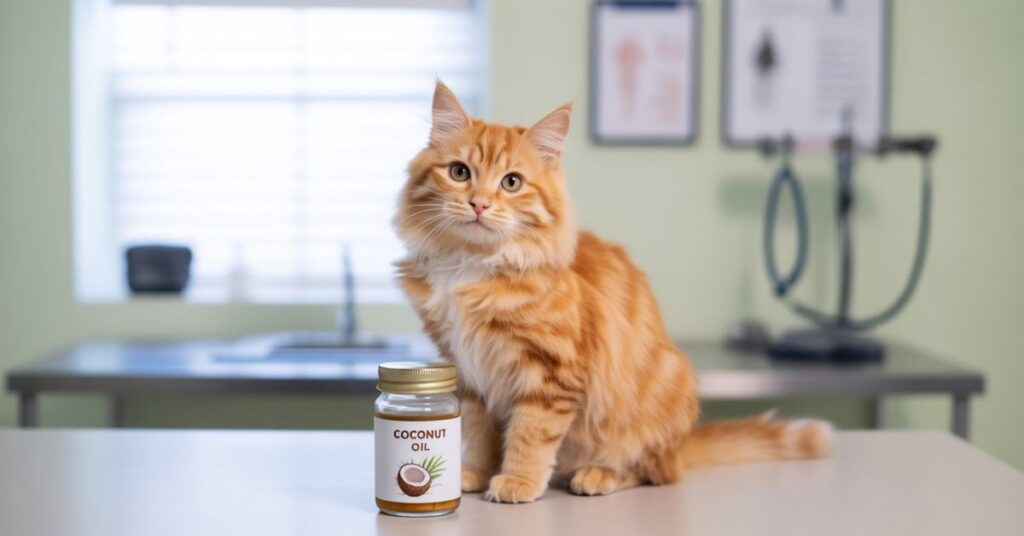
While coconut oil for cats offers several benefits, not all cats tolerate it perfectly. Understanding potential risks helps ensure safe use and prevents digestive or skin issues.
Common Side Effects of Coconut Oil for Cats
Even when used correctly, some cats may experience mild side effects:
Digestive issues: Overfeeding can lead to greasy stools or diarrhea. Always start with a small amount to test tolerance.
Weight gain: Coconut oil is calorie-dense. Excess use can contribute to obesity and related health problems.
Allergic reactions (rare): Topical use may sometimes cause redness, itching, or skin irritation in sensitive cats.
Choosing the Right Type: Fractionated, Virgin, or MCT Oil for Cats
Not all coconut oils are the same. Understanding differences can help you decide the safest option for your cat:
Virgin coconut oil: Rich in nutrients but may be harder to digest in large doses.
Fractionated coconut oil: Easier to digest, less greasy, ideal for topical use, but contains fewer nutrients than virgin oil.
MCT oil: A concentrated energy source; generally safe in small oral doses but can cause diarrhea if overused.
Knowing the distinctions helps you answer the question: is coconut oil safe for cats?
Safety Tips for Using Coconut Oil Safely for Cats
- Introduce gradually, starting with a pea-sized amount.
- Monitor stool, skin, and overall health closely.
- Avoid use in cats with digestive or metabolic disorders unless approved by a veterinarian.
- Apply topically in moderation and watch for any allergic reactions.
By understanding side effects and following these precautions, coconut oil for cats can remain a safe and beneficial supplement for most felines.
How to Give Coconut Oil to Cats Safely
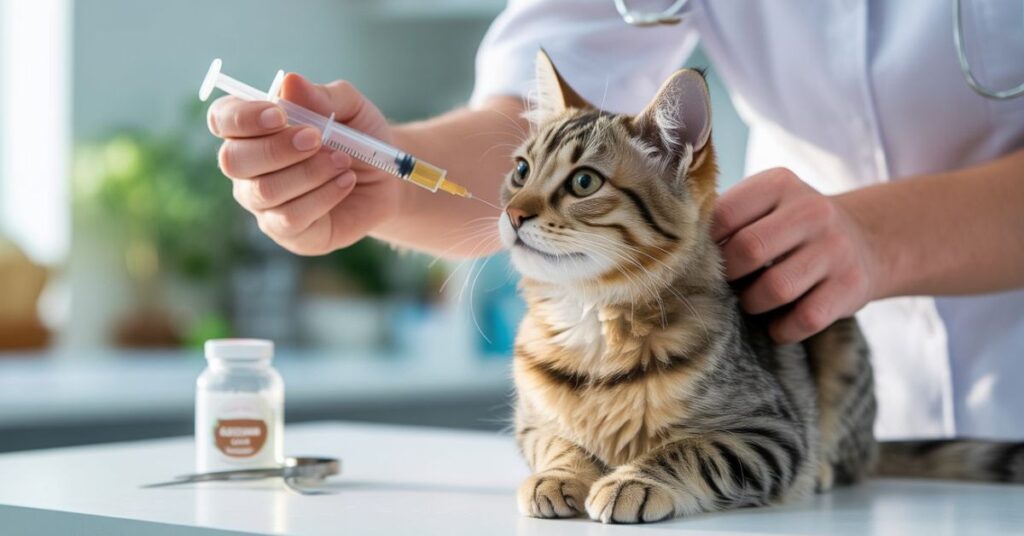
Using coconut oil safely ensures your cat enjoys its benefits without experiencing negative side effects. Understanding the proper methods, dosage, and frequency is key when asking, is coconut oil safe for cats.
Oral vs. Topical Use
Coconut oil can be given to cats in two main ways:
- Oral Consumption: Small amounts of coconut oil can be added to your cat’s food. This supports digestion, hairball management, and energy levels.
- Topical Application: Coconut oil can be applied directly to your cat’s skin, fur, or paws. It’s ideal for moisturizing dry skin, reducing itching, or soothing minor irritations.
Both methods are generally safe when done properly, but always monitor your cat for any adverse reactions.
Proper Dosage Guidelines
Giving too much coconut oil at once can cause digestive upset. Experts suggest:
- Start small: Begin with 1/4 teaspoon per day for small cats or kittens.
- Gradually increase: If your cat tolerates it, you may increase up to 1 teaspoon per day for adult cats, divided into meals.
- Observe your cat: Watch for diarrhea, vomiting, or changes in appetite. If any occur, reduce or pause use.
How Often It Can Be Given
- Oral use: 2–3 times per week is sufficient for most cats. Some cats can tolerate daily use in very small amounts.
- Topical use: Apply to affected areas 1–2 times per week, or daily for extremely dry spots, until improvement occurs.
Selecting the Best Coconut Oil for Your Cat
- Virgin Coconut Oil: Best for general health and oral consumption.
- Fractionated Coconut Oil: Ideal for topical use because it spreads easily and absorbs quickly.
- MCT Oil: Great for energy or cognitive support but should be given in very small oral doses.
Typical Ways to Use Coconut Oil for Your Cat’s Health
Coconut oil can help with multiple concerns:
- Dry skin and coat issues – topically or orally
- Hairball relief – small oral doses
- Moisturizing paws – gentle topical application
- Boosting energy and cognition – oral MCT oil
By following these guidelines, cat owners can safely incorporate coconut oil into their pet’s routine while maximizing its benefits and minimizing risks
Can Coconut Oil Help With Specific Issues in Cats?
Many cat owners wonder is coconut oil safe for cats when used for specific health or grooming concerns. The answer is yes, but it depends on the issue and how it’s applied. Here’s a breakdown of common problems coconut oil can help with.
Hairballs and Digestion Support
Coconut oil can aid digestion and help your cat pass hairballs more easily. A small oral dose lubricates the digestive tract and supports healthy gut bacteria. This can reduce vomiting caused by hairballs and improve overall digestive comfort. Regular, tiny doses are often enough to notice improvement.
Dry Skin and Coat Issues
Cats with dry or flaky skin can benefit from coconut oil both topically and orally:
- Topical application: Gently rub a thin layer onto dry patches or irritated areas to moisturize the skin.
- Oral supplementation: Provides essential fats that improve coat health and shine over time.
This addresses concerns like is coconut oil safe for cats dry skin or fur, making it a natural solution for dull coats.
Moisturizing Paws or Targeted Areas
Coconut oil can be applied to paws, ears, or other rough spots. It helps heal minor cracks, soothes irritation, and prevents dryness. Many cats tolerate this well, but always apply sparingly and ensure your cat doesn’t lick excessive amounts.
Cognitive Support and Boosting Immunity
In addition to external benefits, coconut oil can support internal health:
- Medium-chain triglycerides (MCTs) provide quick energy for the brain, helping with alertness and focus, especially in older cats.
- Enhances immune function, supporting overall wellness and resilience against infections.
By targeting both specific issues and overall health, coconut oil can be a versatile supplement for cats. Careful usage and monitoring will ensure your cat reaps the benefits without side effects.
Coconut Oil Compared With Other Supplements for Cats
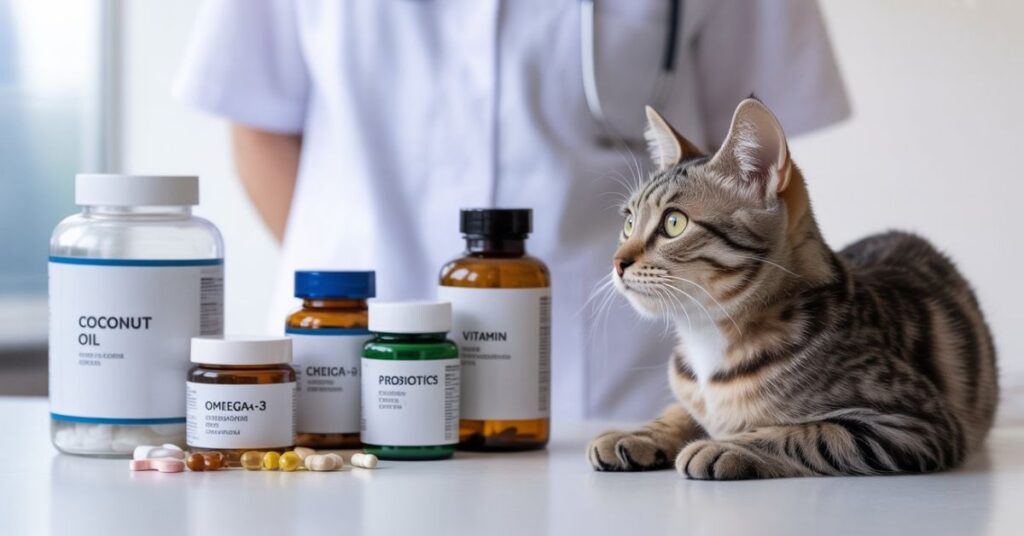
When considering is coconut oil safe for cats, many owners also wonder how it compares to other popular supplements like fish oil, CBD oil, or salmon oil. Understanding the differences can help you choose the best option for your cat’s health needs.
Coconut Oil vs. Fish Oil
Fish oil is rich in omega-3 fatty acids, which support heart health, reduce inflammation, and improve coat quality. Coconut oil, on the other hand:
- Provides medium-chain triglycerides (MCTs) for quick energy and cognitive support
- Offers topical benefits for skin and paws
- Has antimicrobial properties, unlike fish oil
In short, fish oil excels in anti-inflammatory benefits, while coconut oil offers a broader range of digestive, cognitive, and topical advantages.
Coconut Oil vs. CBD Oil or Salmon Oil
- CBD Oil: Primarily used for pain relief, anxiety reduction, and inflammation. Coconut oil does not provide direct pain relief but can support overall health, digestion, and coat condition.
- Salmon Oil: Similar to fish oil, it focuses on omega-3 fatty acids for heart, skin, and joint health. Coconut oil complements this by improving skin moisture, hairball management, and energy levels.
Benefits and Limits Compared to Alternatives
Coconut oil has unique advantages:
- Digestive support and hairball relief
- Topical skin benefits for dry spots or paw care
- Quick energy for brain and body
However, it does have limits:
- Less potent in anti-inflammatory omega-3s than fish or salmon oil
- Does not directly manage pain or chronic inflammation like CBD oil
By understanding these distinctions, cat owners can combine supplements wisely. For example, using a small amount of coconut oil for skin and coat health alongside fish oil for anti-inflammatory support can maximize benefits safely.
Conclusion: Is Coconut Oil Safe for Cats?
Coconut oil can be a safe and beneficial supplement for most cats when used correctly. It supports skin and coat health, hairball management, digestion, energy, and even cognitive function. However, moderation is key, and not all cats tolerate it equally. Always start with small amounts, choose the appropriate type virgin, fractionated, or MCT—and monitor your cat for any signs of digestive upset or allergic reactions.
Before introducing coconut oil, it is crucial to consult your veterinarian so that it complements your cat’s diet safely and effectively. Moreover, when used properly, coconut oil can enhance your cat’s well-being, vitality, and overall quality of life. Therefore, it can become a valuable addition to a responsible cat care routine, ensuring both health benefits and safety. In addition, gradual introduction and monitoring can help prevent any adverse effects.
By understanding the benefits, risks, and correct usage, you can confidently answer the question: is coconut oil safe for cats? and provide your feline friend with a natural boost to health and happiness.
Frequently Asked Questions: Is Coconut Oil Safe for Cats?
Here are answers to the most common questions cat owners have about is coconut oil safe for cats. These FAQs cover usage, safety, and practical tips for everyday care.
Can Cats Eat Coconut Oil?
Yes, cats can eat coconut oil in small amounts. Start with a pea-sized portion and gradually increase if your cat tolerates it well. Oral consumption can help with digestion, hairball management, and energy, but always avoid overfeeding to prevent diarrhea or weight gain.
How Much Should I Give My Cat?
- Small cats or kittens: 1/4 teaspoon per day
- Adult cats: Up to 1 teaspoon per day, divided into meals
- Adjust based on your cat’s size, health, and tolerance. Always monitor stool consistency and appetite.
Is It Safe for Kittens?
Kittens can have coconut oil in very small amounts, but it’s best to consult a vet first. Their digestive systems are more sensitive, and overuse may cause loose stools or upset stomach.
Can It Help With Dandruff or Dry Skin?
Yes. Coconut oil is a natural moisturizer. Apply a small amount topically to dry patches or flaky areas. Oral supplementation can also improve skin and coat from the inside out. This answers concerns like is coconut oil safe for cats dry skin or fur.
Which Type Is Best: Virgin, Fractionated, or MCT?
- Virgin Coconut Oil: Best for general health and oral use
- Fractionated Coconut Oil: Ideal for topical use
- MCT Oil: Concentrated energy and cognitive support
Choosing the right type ensures maximum benefits and minimal side effects.
Can It Be Used Topically Every Day?
Occasional daily application is safe for small areas like paws or dry spots. Avoid covering large areas every day to prevent licking excess oil, which may lead to digestive upset.
Are There Cats That Should Avoid Coconut Oil?
Cats with pancreatic, liver, or digestive issues, overweight cats, or those with allergies to coconut products should avoid coconut oil unless cleared by a vet. Start slowly and watch your cat for any reactions.