Introduction:
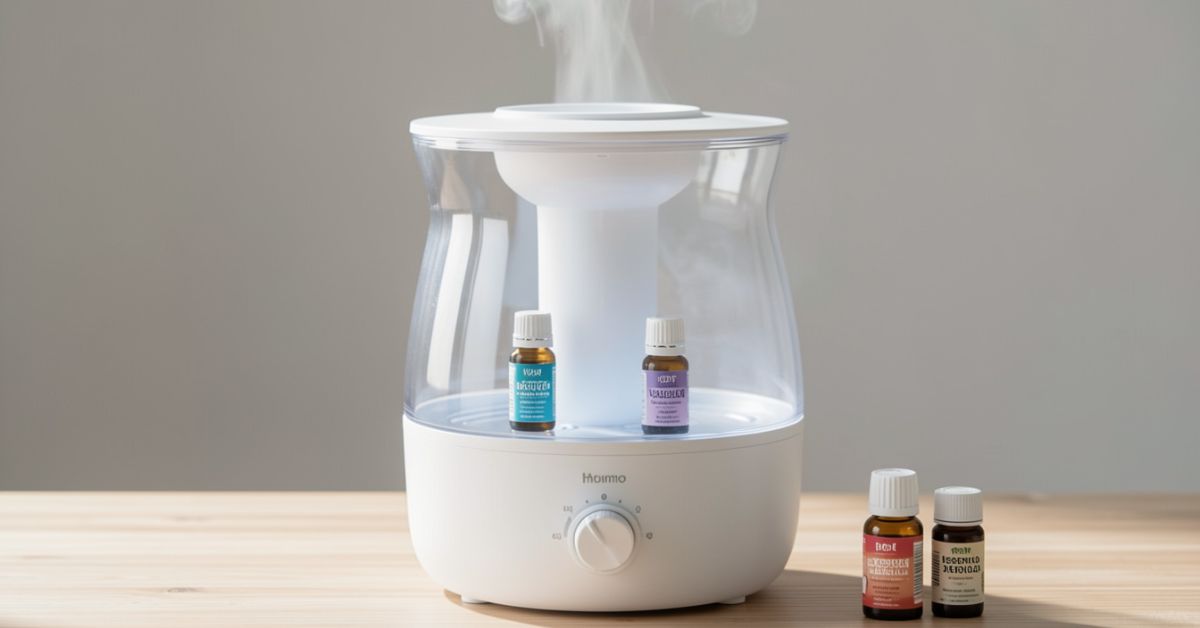
Using essential oils at home has become very popular. Many people enjoy natural aromas that help create a relaxing, refreshing, or energizing atmosphere. At the same time, humidifiers are commonly used to add moisture to indoor air, especially during dry seasons. Because both devices improve indoor comfort, many people ask a common question: can you put essential oils in a humidifier?
The answer is not always simple. Some humidifiers allow essential oils, while others can be damaged if oils are added to the water tank. Understanding how humidifiers work is important before using them with oils. In this guide, you will learn how humidifiers function, why humidity levels matter, and how essential oils interact with these devices.
This complete safety and usage guide helps you learn how to add essential oils to humidifiers safely, when you can use them, and when you should avoid them.
By the end of this article, you will know whether using essential oils with your humidifier is a good idea and how to do it the right way.
Understanding Humidifiers and How They Work
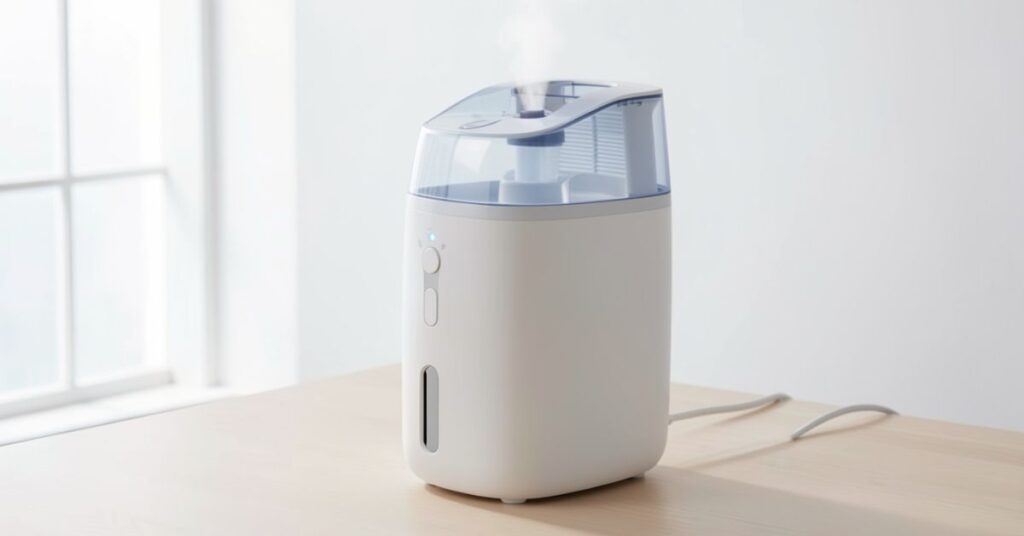
Humidifiers are simple yet effective devices that improve indoor air quality.
They work by increasing the moisture level in the air. Dry indoor air is common during winter months or in rooms with heating and air conditioning systems. Low humidity can cause dry skin, irritated sinuses, and discomfort while sleeping.
A humidifier solves this problem by releasing water vapor or fine mist into the air. This process helps maintain healthy humidity levels inside the room. Balanced humidity can make breathing easier and improve overall comfort in your home.
Before answering the question “can you put essential oils in a humidifier,” it is important to understand how these machines operate. Different humidifiers use different technologies to create moisture. Some rely on evaporation, while others use ultrasonic vibrations or heated water.
Knowing how your humidifier works will help you decide whether adding essential oils is safe. Some humidifier models work well with oils, while others cannot handle aromatic substances.
How Humidifiers Add Moisture to the Air
The main purpose of a humidifier is to add moisture to dry indoor air. Most humidifiers contain a water tank that holds clean water. The device then converts that water into vapor or mist and releases it into the room.
There are several ways humidifiers create moisture.
Evaporative humidifiers work by using a fan to push air through a damp wick or filter.As air passes through the damp material, water evaporates naturally and increases humidity in the room.
Ultrasonic humidifiers use high-frequency vibrations to break water into extremely tiny droplets. These droplets form a cool mist that spreads through the air.
Warm mist humidifiers heat the water until it becomes steam. The steam then cools slightly before entering the room as warm vapor.
Each method works differently, but the goal remains the same. The humidifier raises indoor humidity levels to improve comfort and air quality.
Maintaining the right humidity level is important. Most experts recommend keeping indoor humidity between 30% and 50%. This range prevents excessive dryness while also avoiding mold growth caused by too much moisture.
How Ultrasonic Humidifiers Work
Ultrasonic humidifiers are one of the most common types available today. They are popular because they are quiet, energy-efficient, and effective for bedrooms and living spaces.
These humidifiers use ultrasonic vibrations to create mist. Inside the device, a small metal diaphragm vibrates at a very high frequency. When water touches this vibrating surface, it breaks into microscopic droplets.The device releases a cool mist of droplets into the air.
Because ultrasonic humidifiers do not rely on heat, people often call them cool mist humidifiers. Many households prefer them because they are safer around children and pets.
However, this design is also the reason people wonder can you put essential oils in a cool mist humidifier. Oils do not mix well with water and may interfere with the ultrasonic mechanism. In some cases, essential oils can coat the internal parts of the device and cause damage.
For this reason, many manufacturers advise users to avoid adding oils directly into the water tank unless the humidifier specifically supports aromatherapy features.
Why Humidity Matters for Indoor Comfort and Health
Humidity plays a significant role in indoor comfort and overall health. When the air is too dry, it can affect both the body and the home environment.
Dry air often causes irritated sinuses, dry throat, and itchy skin. It can also worsen respiratory conditions and make colds or allergies feel more uncomfortable.
Proper humidity levels provide several benefits.
Balanced humidity helps keep nasal passages moist, making it easier to breathe. It can also improve sleep quality and reduce snoring caused by dry airways.
Maintaining humidity can also protect your home. Wooden furniture, flooring, and musical instruments may crack or warp in extremely dry environments. A humidifier helps prevent this type of damage.
During winter months, heating systems often reduce indoor humidity significantly. Using a humidifier restores moisture levels and creates a more comfortable living space.
Because humidifiers improve indoor air conditions, many people want to enhance the experience by adding pleasant scents. This is why the question “can you put essential oils in a humidifier diffuser or regular humidifier?” comes up frequently.
However, before combining essential oils with humidifiers, it is important to understand how these devices differ from aromatherapy diffusers. That distinction will help determine whether using essential oils is safe or potentially harmful.
Humidifier vs Diffuser: What’s the Difference?
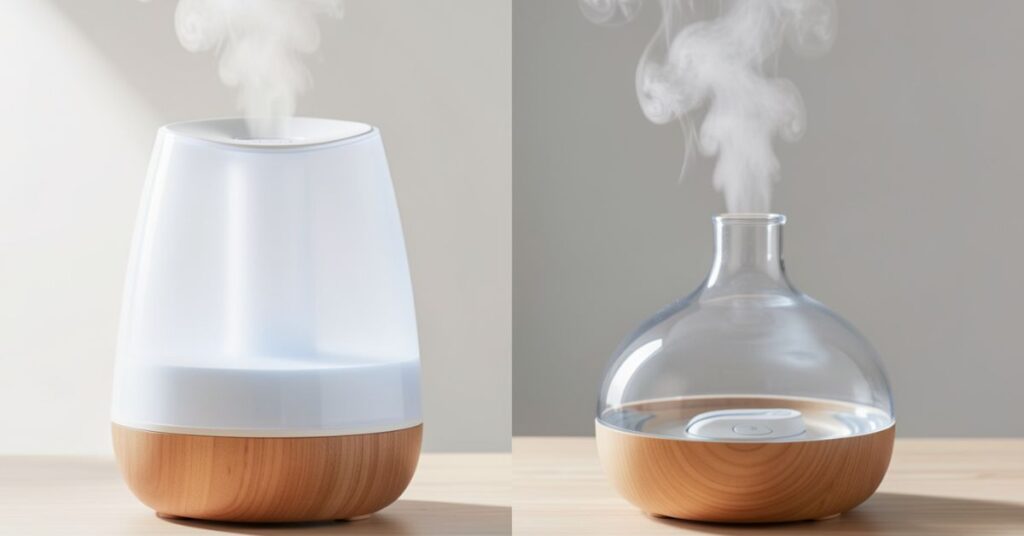
Many people confuse humidifiers and essential oil diffusers because both devices release mist into the air. At first glance, they may look similar and seem to perform the same function. However, they serve completely different purposes.
A humidifier’s main function is to increase the air’s moisture.
Its main goal is to improve humidity levels in a room, especially when indoor air becomes dry during winter or when air conditioning systems run for long periods.
A diffuser, on the other hand, is specifically designed to disperse essential oils into the air. Instead of focusing on humidity, it spreads aromatic molecules that create fragrance and may provide aromatherapy benefits.
Understanding this difference is essential when answering the question can you put essential oils in a humidifier. Many humidifiers are not built to handle oils, while diffusers are made for that exact purpose.
Some modern devices combine both functions, but traditional humidifiers and diffusers are usually separate appliances. Choosing the right device ensures better performance and prevents damage to your equipment.
How Essential Oil Diffusers Work
Essential oil diffusers are designed to break essential oils into tiny particles and disperse them into the air. This process allows the aroma to spread throughout a room while maintaining the natural properties of the oils.
Most diffusers work using ultrasonic technology. Similar to ultrasonic humidifiers, they use vibrations to turn water and essential oil into a fine aromatic mist. The difference is that diffusers are designed with materials that can safely handle essential oils.
Other types of diffusers include nebulizing diffusers, heat diffusers, and evaporative diffusers.
Nebulizing diffusers do not use water at all. Instead, they break pure essential oils into microscopic particles and release them directly into the air. This method produces a strong aroma and is often preferred for aromatherapy.
Evaporative diffusers use airflow to spread scent. A fan blows air across a pad or filter soaked with essential oil, allowing the fragrance to circulate in the room.
Key Differences Between Humidifiers and Diffusers
Although humidifiers and diffusers may look similar, they serve different purposes and have different designs. The table below highlights the main differences between the two devices.
| Feature | Humidifier | Essential Oil Diffuser |
| Main Purpose | Adds moisture to dry air | Spreads essential oil aroma |
| Water Capacity | Large tank for long operation | Small reservoir |
| Essential Oil Compatibility | Usually not recommended | Designed for oils |
| Mist Output | Focuses on humidity levels | Focuses on fragrance |
| Ideal Use | Dry climates, winter air | Aromatherapy and relaxation |
The size of the water tank is another major difference. Humidifiers often hold several liters of water because they run for many hours to maintain humidity. Diffusers usually have much smaller reservoirs since their goal is simply to disperse aroma.
This difference explains why many experts advise caution when asking can you put essential oils in a humidifier diffuser or a regular humidifier. Using oils in a device not designed for them can affect performance or damage internal parts.
Which One Is Better for Aromatherapy?
For aromatherapy purposes, a diffuser is usually the better option. Diffusers are designed specifically to distribute essential oils safely and efficiently.
They also control the amount of oil released into the air. This helps maintain a pleasant fragrance without overwhelming the room. Many diffusers even include timers, mist settings, and automatic shut-off features.
Humidifiers, however, focus mainly on moisture output. Adding oils to a standard humidifier may cause buildup inside the tank or clog internal components. Over time, this can reduce efficiency or shorten the device’s lifespan.
That is why many manufacturers recommend using a diffuser instead of adding oils directly to a humidifier.
However, some modern humidifiers include special aroma trays or pads. These allow essential oils to be used safely without mixing them directly into the water tank. In such cases, people can enjoy both humidity and fragrance in the same device.
Can You Put Essential Oils in a Humidifier?
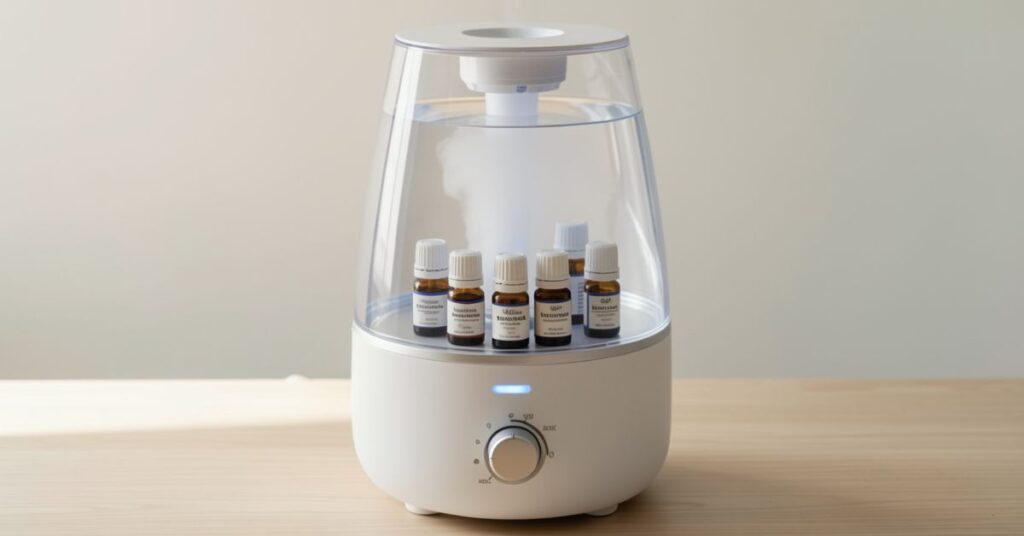
Many people enjoy the calming scent of essential oils at home. At the same time, humidifiers help maintain comfortable humidity levels in dry indoor environments. Because both improve air quality in different ways, it is natural for people to ask: can you put essential oils in a humidifier?
In short, it’s possible sometimes, but not in every case. Whether you can use essential oils in a humidifier depends on the design of the device. Some humidifiers include special aroma trays or pads, letting you use essential oils safely. Other models handle only water and can get damaged if you add oils.
Essential oils are concentrated plant extracts. They contain natural compounds that do not mix well with water.When you add oils directly to the humidifier tank, they can separate from the water and stick to the device’s internal parts.
Over time, this can cause clogs, reduce mist output, or even break the humidifier.
Because of this, manufacturers often warn users not to add oils unless the humidifier specifically supports aromatherapy. Understanding your device type is the key to using essential oils safely.
Are Humidifiers Designed for Essential Oils?
Most regular humidifiers aren’t built to use essential oils. Their primary purpose is to increase humidity by releasing clean water vapor into the air. Manufacturers design internal components, such as filters, wicks, and ultrasonic plates, to work only with water.
Essential oils can interact with plastic materials inside the humidifier. Some oils contain strong natural chemicals that may gradually weaken plastic parts. This can lead to cracking, residue buildup, or malfunction over time.
Another issue is that oils float on the water surface rather than dissolving completely. When the humidifier operates, these oil droplets may stick to internal surfaces and reduce efficiency.
For this reason, many humidifier manuals clearly state not to add essential oils to the water tank. Ignoring these guidelines can void the warranty and damage the device.
However, not all humidifiers are the same. Some modern models are built with aromatherapy features that allow essential oils to be used safely.
Humidifiers Made Specifically for Essential Oils
Some newer humidifier models include built-in features that support aromatherapy. These devices are sometimes called humidifier diffuser combinations.
Instead of mixing essential oils directly into the water tank, these humidifiers use special compartments designed for fragrance. The most common features include aroma trays or aroma pads.
An aroma tray is a small section in the humidifier where a few drops of essential oil can be placed. The oil sits on a pad or absorbent surface, and the airflow from the humidifier gently spreads the scent throughout the room.
This design keeps the oil separate from the main water tank. As a result, the internal components remain protected while the room still benefits from a pleasant fragrance.
Some popular modern humidifiers also support aromatherapy features. People often ask can you put essential oils in a humidifier Levoit or similar models. Many Levoit humidifiers include aroma pads specifically made for this purpose, allowing safe use of essential oils without damaging the device.
Similarly, some users wonder can you put essential oils in a Vicks humidifier. Certain Vicks models offer scent pads or vapor inserts that work with menthol-based products rather than pure essential oils. Checking the manufacturer instructions is always the safest approach.
Should You Use Essential Oils in a Regular Humidifier?
In most cases, experts do not recommend using essential oils in a regular humidifier. Standard humidifiers handle water only, and adding oils can cause several problems.
First, essential oils may clog filters, wick systems, or ultrasonic plates. This can reduce mist output and prevent the humidifier from working properly.
Second, oils can leave residue inside the water tank. Over time, this buildup can create unpleasant odors or make cleaning more difficult.
Third, some oils may damage plastic components or internal seals. Once this happens, the humidifier may start leaking or stop functioning entirely.
If you want to enjoy aromatherapy, using a dedicated diffuser is usually the safer choice. However, if your humidifier includes an aroma tray or aroma pad, you can still enjoy essential oils without risking damage to the device.
Risks of Adding Essential Oils to a Standard Humidifier
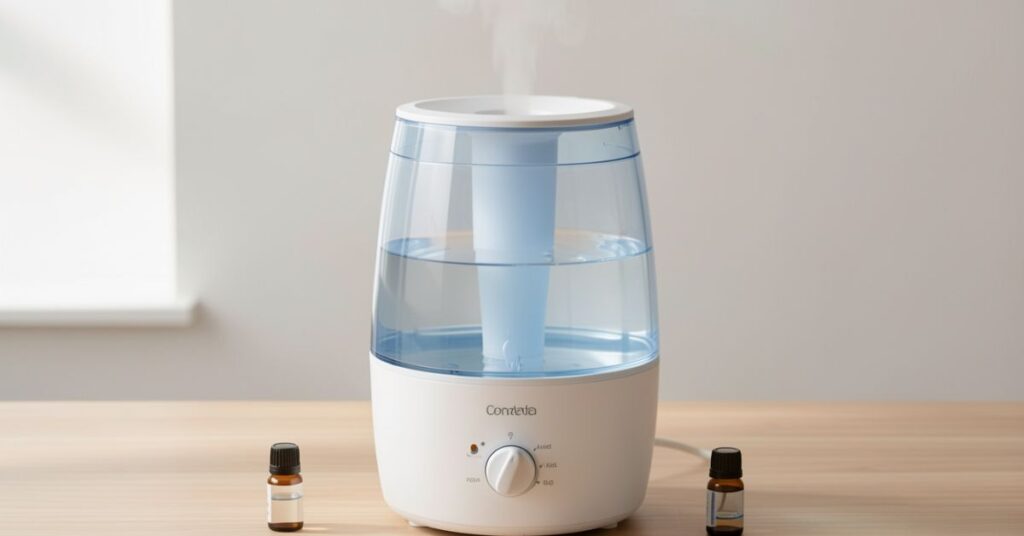
Although the idea of combining fragrance with humidity sounds appealing, adding essential oils to a regular humidifier can create several problems. Many people search online for can you put essential oils in a humidifier, but they do not realize that doing so may damage the device or affect indoor air quality.
Humidifiers are designed to handle clean water. Essential oils are concentrated plant extracts that behave very differently from water. Because oils do not dissolve properly, they can coat internal parts of the humidifier and interfere with its operation.
Over time, this can reduce the efficiency of the machine, shorten its lifespan, and potentially create health concerns. For this reason, most manufacturers recommend avoiding oils unless the humidifier specifically includes an aroma tray or aromatherapy feature.
Understanding the risks will help you decide whether using essential oils in your humidifier is worth it or if a diffuser might be a safer option.
Damage to the Humidifier Components
One of the most common problems caused by essential oils is damage to the internal components of the humidifier. Essential oils contain natural chemical compounds that can react with plastic and rubber materials.
When oils are placed directly in the water tank, they often float on the surface. As the humidifier operates, the oil can stick to sensitive parts such as filters, ultrasonic plates, seals, and tubing. Over time, this buildup may cause these components to degrade.
Some oils are particularly strong and may weaken plastic materials inside the device. This can lead to cracks, leaks, or permanent damage. Once internal components begin to deteriorate, the humidifier may stop working correctly.
Because of these risks, adding oils directly to a humidifier that was not designed for aromatherapy can void the manufacturer’s warranty.
Reduced Performance and Shorter Lifespan
Another issue that occurs when people try how to put essential oil in humidifier tanks is reduced performance. Essential oils can create residue that blocks filters or coats the internal misting mechanism.
In evaporative humidifiers, oils may clog the wick filter, preventing proper evaporation. When this happens, the humidifier cannot release moisture effectively into the air.
In ultrasonic humidifiers, oils can coat the vibrating plate that creates mist. This layer of residue interferes with the ultrasonic vibration process and reduces mist output.
Over time, this buildup forces the humidifier to work harder. The device may produce less mist, consume more energy, or stop functioning entirely. As a result, the overall lifespan of the humidifier becomes much shorter.
Air Quality and Health Concerns
Essential oils are powerful natural compounds. While they can provide pleasant aromas, improper use may affect indoor air quality.
When oils are dispersed incorrectly through a humidifier, they may create tiny particles that remain suspended in the air. Some people may experience irritation if they inhale large amounts of these particles.
Individuals with asthma, allergies, or respiratory sensitivities may be especially vulnerable. Strong essential oils such as eucalyptus or peppermint can trigger coughing or breathing discomfort in sensitive individuals.
Another concern involves pets. Cats and dogs may react differently to certain essential oils. If the oils are released continuously through a humidifier, pets may inhale them for extended periods.
These factors make it important to consider safety before adding oils to any humidifier.
Why You Should Avoid Putting Oils Straight into the Humidifier Tank
Many people make the mistake of pouring essential oils directly into the water tank. This method might seem simple, but it is the most problematic way to use oils with a humidifier.
Because oils and water do not mix, the oil remains on the surface of the water. When the humidifier operates, concentrated oil droplets may enter the internal system instead of being diluted.
This can lead to several issues.
Residue can build up inside the tank and on internal components. Cleaning becomes much more difficult, and the device may start producing unpleasant odors.
In ultrasonic humidifiers, oil droplets can coat the vibrating plate and block the misting process. This prevents the humidifier from producing a consistent mist.
Even if the device continues working, the fragrance may be uneven or overly strong. Instead of creating a pleasant aroma, the room may develop an overpowering scent.
For these reasons, experts generally recommend avoiding direct oil use unless the humidifier includes a dedicated aroma compartment.
Types of Humidifiers and Their Compatibility with Essential Oils
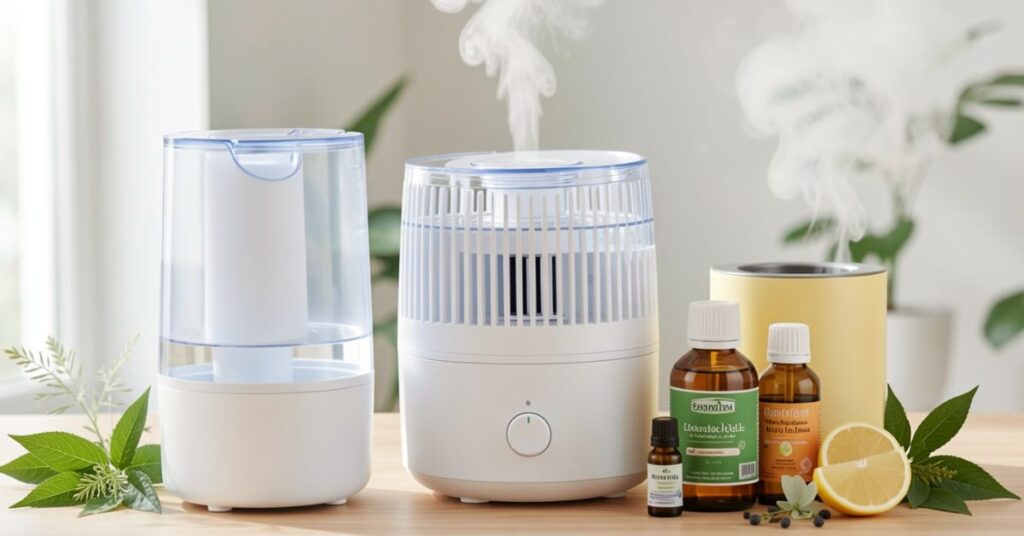
Not all humidifiers are built the same way. Different humidifier types use different technologies to add moisture to the air. Because of this, their compatibility with essential oils can vary.
When people search can you put essential oils in a humidifier, the correct answer often depends on the specific type of humidifier they own. Some models can tolerate limited aromatherapy features, while others should only be used with plain water.
Understanding the design of your humidifier helps prevent damage and ensures safe use. Below are the most common types of humidifiers and how they interact with essential oils.
Evaporative Humidifiers
Evaporative humidifiers are among the most widely used humidifier types. They work by using a fan that blows air through a wet wick filter. As air passes through the filter, water evaporates naturally and increases humidity in the room.
These humidifiers rely heavily on the wick filter to function properly. Because of this design, they are generally not compatible with essential oils.
Essential oils can clog the wick filter and prevent proper evaporation. When the filter becomes coated with oil, the humidifier cannot absorb water efficiently. This reduces moisture output and may cause the device to stop working correctly.
Another issue is that oils can leave sticky residue on the internal components of the humidifier. Over time, this residue can make cleaning more difficult and shorten the lifespan of the machine.
If you own an evaporative humidifier, it is usually best to avoid adding essential oils directly to the water tank.
Ultrasonic Humidifiers
Ultrasonic humidifiers are very popular because they are quiet and energy efficient. These devices use high-frequency vibrations to break water into microscopic droplets and release them as a cool mist.
Because ultrasonic humidifiers do not use heat, they are often called cool mist humidifiers. Many households prefer them for bedrooms, nurseries, and living spaces.
However, people frequently ask can you put essential oils in a cool mist humidifier. The answer depends on the specific model.
Most ultrasonic humidifiers are designed for water only. Essential oils may coat the vibrating plate that produces mist. When this happens, the ultrasonic mechanism may stop working effectively.
Some modern ultrasonic humidifiers include a separate aroma tray or aroma pad. In these models, a few drops of essential oil can be added to the tray rather than the water tank. The air circulation then spreads the fragrance without damaging the internal components.
For example, many users ask can you put essential oils in a humidifier Levoit. Several Levoit humidifier models include aroma pads designed specifically for safe aromatherapy use.
Warm Mist (Steam) Humidifiers
Warm mist humidifiers operate differently from cool mist devices. Instead of using vibrations or evaporation, they heat water until it becomes steam. The steam then cools slightly before being released into the air.
Because these humidifiers use heat, some people assume they are suitable for essential oils. However, this is usually not recommended.
Heating essential oils can change their chemical structure and reduce their beneficial properties. In some cases, heating oils may also produce an overly strong scent that irritates the respiratory system.
Another concern is residue buildup. Oils placed in heated water may leave deposits inside the tank or heating element. Over time, this can reduce efficiency and make cleaning more difficult.
For these reasons, most manufacturers advise against adding oils directly to warm mist humidifiers.
Hybrid or Dual-Purpose Humidifiers
Hybrid humidifiers are newer devices that combine humidification with aromatherapy features. These models provide both moisture and fragrance safely.
Instead of mixing oils into the water tank, hybrid humidifiers usually include a separate aroma compartment. This section may contain a pad or small tray where essential oils can be added.
As the humidifier operates, airflow passes through the aroma pad and spreads the scent throughout the room. This design protects the internal humidifier components while still allowing aromatherapy benefits.
Hybrid models are often the best choice for people who want both humidity and fragrance from a single device.
However, even with these humidifiers, it is important to follow the manufacturer’s instructions carefully. Using too much oil or adding oil to the wrong part of the device may still cause problems.
How to Tell if Your Humidifier Is Safe for Essential Oils
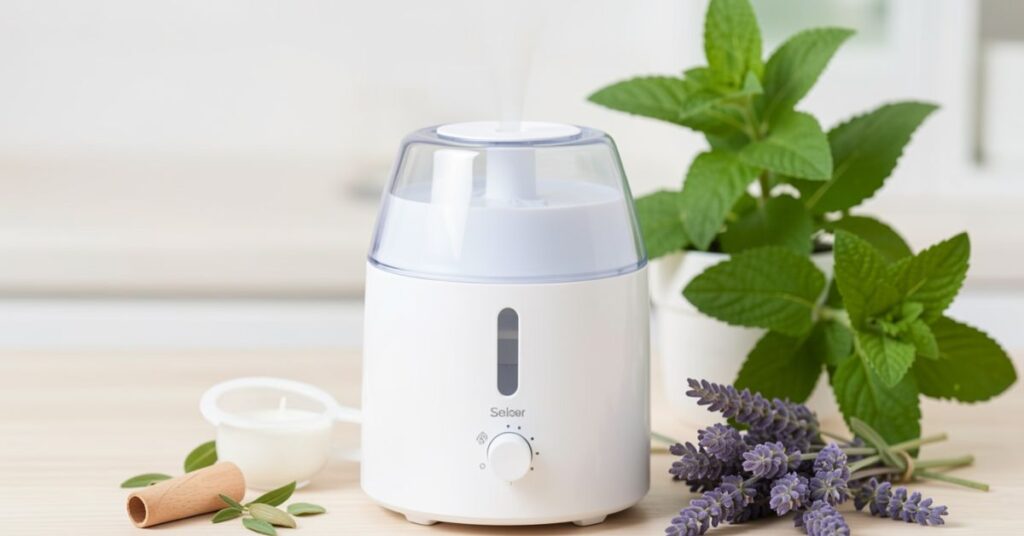
Before adding essential oils to a humidifier, it’s critical to determine whether your device is designed to handle them. Not all humidifiers are safe for aromatherapy, and using oils incorrectly can damage the unit or reduce its lifespan. Knowing the signs of compatibility helps you avoid costly mistakes and ensures safe use.
When checking your humidifier, look for manufacturer instructions, built-in aroma features, and warning signs that indicate oils should not be used. These steps help answer the common question: can you put essential oils in a humidifier safely.
Checking Manufacturer Instructions
The first step is to consult your humidifier’s user manual. Manufacturers usually provide clear guidance regarding essential oils. Look for terms like “aromatherapy compatible,” “essential oil safe,” or “aroma tray included.”
If the manual explicitly states do not use essential oils, then adding oils to the water tank is unsafe. Ignoring these instructions can void the warranty and damage your device.
For popular brands, such as Vicks or Levoit, manufacturer guidance is particularly important. Many users ask can you put essential oils in a Vicks humidifier. Most Vicks models require specialized scent pads rather than adding oils directly to the tank. Similarly, some Levoit humidifiers include aroma pads or trays designed for oils.
Checking the instructions ensures you do not accidentally damage your humidifier while trying to enjoy aromatherapy benefits.
Looking for Built-in Oil Trays or Aroma Pads
Humidifiers that are compatible with essential oils usually include built-in aroma features. These may take the form of a small tray, pad, or compartment specifically meant for oils.
An aroma pad is an absorbent material where a few drops of essential oil can be added. The air flow of the humidifier then gently distributes the scent into the room without mixing the oil into the main water tank. This design protects sensitive components like ultrasonic plates, filters, and seals.
If your humidifier has a tray or aroma pad, it is likely safe to use essential oils in this manner. Avoid placing oils anywhere else in the device, as this can still cause damage.
Signs Your Humidifier Should Not Be Used with Oils
Even if you feel tempted, avoid using essential oils in some humidifiers because they clearly cannot handle them.
Common signs include:
- The water tank is labeled “water only” or the manual warns against oils.
- There is no separate aroma tray, pad, or compartment.
- The internal components are mostly plastic or delicate materials that could be damaged by oil residue.
- The humidifier is a basic evaporative or warm mist model with no aromatherapy features.
If any of these conditions apply, it’s safest to avoid putting essential oils in the humidifier. Instead, consider using a dedicated diffuser or an aroma tray if your model supports it.
By checking manufacturer instructions, looking for built-in oil compartments, and identifying warning signs, you can safely determine whether your humidifier is compatible with essential oils. This step is essential before attempting to enhance indoor air with fragrance.
How to Use Essential Oils with a Humidifier Safely
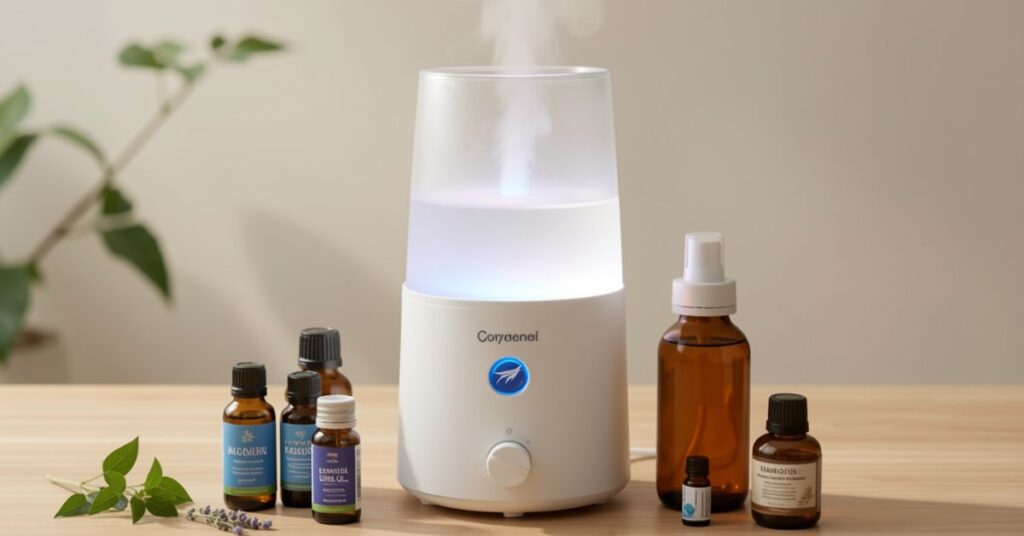
Using essential oils with a compatible humidifier can enhance your home environment, providing both moisture and pleasant aromas. However, safety and proper usage are key. Following the right steps ensures that your humidifier continues to function properly while you enjoy the benefits of aromatherapy.
If you are asking how to put essential oil in humidifier, the process involves careful measurement, high-quality oils, and regular maintenance. Here’s how to do it correctly.
Start With a Small Amount of Essential Oil
When adding essential oils to a compatible humidifier, always begin with just a few drops. Essential oils are highly concentrated, and even a small amount can create a strong fragrance. Overusing oils may irritate respiratory passages, overwhelm the senses, or damage the aroma pad or tray.
For most aroma pads or trays, 2–4 drops of essential oil are sufficient for a standard-sized room. You can adjust gradually based on personal preference, but avoid exceeding the manufacturer’s recommended limits.
Starting with a small amount also helps prevent residue buildup and keeps the humidifier clean.
Use High-Quality Pure Essential Oils
Not all oils are created equal. When using a humidifier for aromatherapy, always choose 100% pure essential oils. Synthetic fragrances, blends, or oils mixed with carrier substances can leave sticky residue or clog the device.
Pure essential oils maintain their therapeutic properties and provide a natural aroma without causing damage to the humidifier. Popular oils include lavender, eucalyptus, peppermint, and citrus blends, depending on the desired effect.
Clean Your Humidifier Regularly
Regular cleaning is essential when using oils in a humidifier, even if your device has an aroma tray. Oil particles can accumulate over time, causing residue buildup, unpleasant odors, or reduced mist output.
Follow these cleaning steps:
- Empty the water and remove the aroma pad or tray.
- Clean the inside of the tank using a soft cloth and gentle soap.
- Rinse thoroughly to remove all oil traces.
- Allow the tank and tray to dry completely before refilling.
Cleaning after each use prevents contamination and ensures the humidifier continues operating efficiently.
Follow Proper Dilution and Usage Guidelines
Even with compatible humidifiers, it’s important to respect proper dilution and usage instructions. Avoid placing oils directly into the water tank unless the manufacturer explicitly allows it. Always use designated aroma trays, pads, or compartments.
Do not mix multiple essential oils in excess. While blends can be pleasant, too much oil may damage the device or irritate the airways. Additionally, limit the duration of operation with oils. For example, running the humidifier continuously for 24 hours with oils may create buildup and reduce efficiency. Use timed sessions instead.
By following these precautions, you can enjoy the benefits of aromatherapy safely and effectively while protecting your humidifier.
Best Essential Oils to Use for Home Fragrance
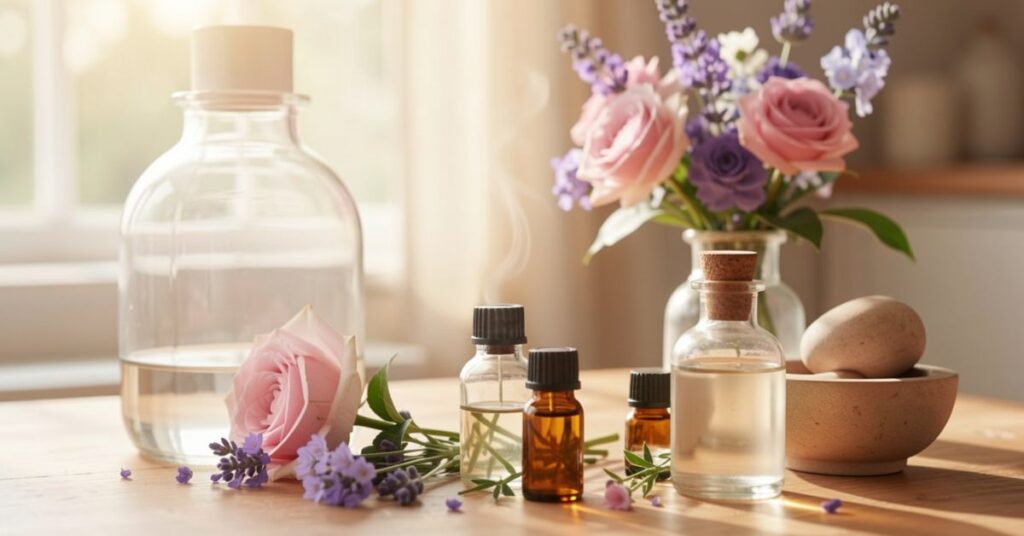
Essential oils can transform your living space, making it feel fresh, calming, or energizing. When used with a compatible humidifier or aroma tray, they gently disperse scent throughout the room. Choosing the right oil depends on the mood you want to create and the benefits you seek.
Here’s a list of popular essential oils for home fragrance and their main uses. People often ask about these oils when choosing essential oils to put in a humidifier for congestion or relaxation.
Lavender Essential Oil for Relaxation
Lavender is one of the most popular essential oils for creating a calming atmosphere. Its soothing scent helps reduce stress, promote relaxation, and improve sleep quality.
Adding a few drops of lavender oil to an aroma pad in your humidifier can create a gentle, peaceful environment. It’s especially beneficial in bedrooms or spaces where you want to unwind.
Lemon Essential Oil for Fresh Air
Lemon essential oil provides a bright, clean, and refreshing aroma. It can help uplift your mood, improve concentration, and eliminate odors.
Using lemon oil in a humidifier with an aroma tray is a natural way to freshen indoor air. It’s ideal for kitchens, living areas, or offices.
Peppermint Essential Oil for Energy
Peppermint oil has a sharp, invigorating scent that stimulates alertness and mental clarity.It’s commonly used to increase energy and improve focus.
A few drops in a humidifier aroma tray can create an energizing environment. Peppermint is also helpful for cooling down rooms during hot weather due to its refreshing aroma.
Eucalyptus Essential Oil for Breathing Support
Eucalyptus is well-known for its benefits in respiratory health. Its aroma can help open airways and support easier breathing.
Adding eucalyptus oil to a humidifier with a tray is especially useful during cold or allergy seasons. It can complement moisture from the humidifier while providing gentle aromatic support for congestion or stuffy noses.
Orange Essential Oil for a Pleasant Aroma
Orange essential oil produces a sweet, uplifting scent. It creates a cheerful atmosphere and promotes a sense of well-being.
Using orange oil in the home is perfect for living areas, kitchens, or spaces where you want a warm and inviting aroma. Its mild, non-irritating fragrance makes it suitable for family use.
Safety Tips When Using Essential Oils Indoors
Essential oils are natural, but they are still concentrated substances that require careful handling especially indoors. Using them safely ensures that everyone in your home, including babies, children, and pets, remains protected while enjoying pleasant aromas. These tips are essential for anyone wondering can you put essential oils in a humidifier for a baby or in shared living spaces.
Safety for Babies and Children
Babies and young children have sensitive respiratory systems. Strong essential oils can irritate their airways or cause allergic reactions.
- Do not place essential oils in humidifiers for a baby’s room unless the manufacturer designs the device for aromatherapy.
- If using oils, choose mild scents such as lavender or chamomile.
- Always place the humidifier out of reach to prevent accidental ingestion or contact with the device.
- Run the humidifier with oils for short periods and ensure the room is well-ventilated.
Precautions for Pets
Pets, particularly cats and dogs, are sensitive to certain essential oils. Some oils can be toxic if inhaled in large amounts.
- Avoid oils such as eucalyptus, tea tree, peppermint, and citrus if pets are present.
- Keep the humidifier in a room where pets can leave freely.
- Consider using pet-safe oils or diffusers designed to limit the concentration of aromatic compounds.
Considerations for People with Respiratory Sensitivities
Individuals with asthma, allergies, or other respiratory conditions should be cautious when using essential oils indoors.
- Start with small amounts of oil and monitor reactions.
- Use the humidifier in short intervals to prevent overwhelming the air with fragrance.
- Avoid using essential oils with known irritants such as cinnamon, clove, or peppermint in sensitive rooms.
- Ensure proper ventilation while running the humidifier with oils.
By following these safety tips, you can enjoy the benefits of essential oils indoors without putting family members, pets, or yourself at risk. Using a dedicated aroma tray or diffuser attachment further ensures a controlled and safe distribution of fragrance.
Alternatives to Adding Essential Oils to a Humidifier
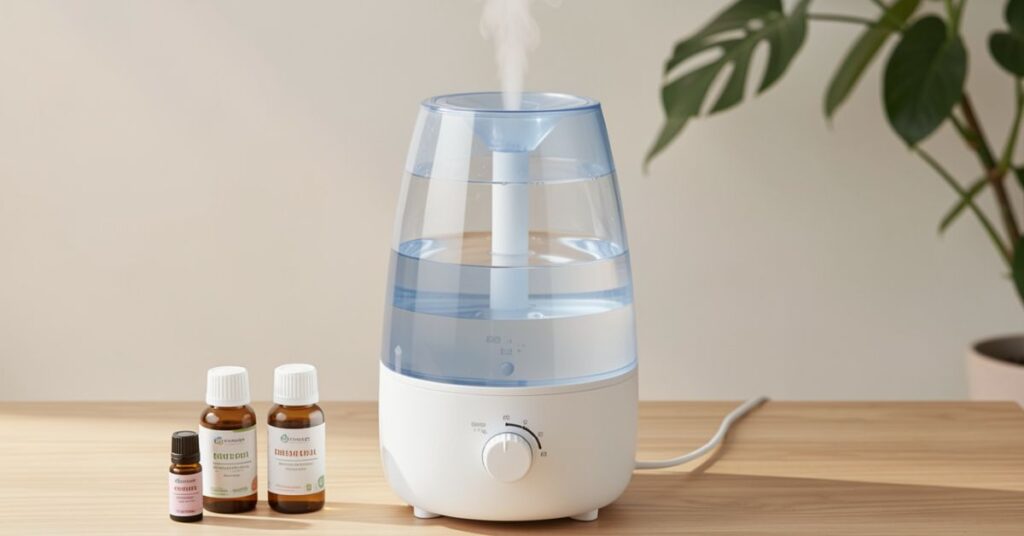
If your humidifier is not compatible with essential oils, or if you want to avoid potential risks, there are several safe alternatives to enjoy natural aromas indoors. These methods allow you to benefit from essential oils without compromising your humidifier’s performance or lifespan.
Use an Essential Oil Diffuser
The simplest and safest alternative is a dedicated essential oil diffuser. Diffusers are designed to disperse essential oils efficiently and safely. They come in various types, including ultrasonic, nebulizing, and evaporative models.
Unlike humidifiers, diffusers are built to handle oils, ensuring no damage to internal components. You can even run a diffuser simultaneously with a humidifier to enjoy both proper humidity and fragrance.
DIY Room Sprays
Creating a homemade room spray is an easy way to freshen your space without using your humidifier. Mix essential oils with water in a spray bottle, shake well, and spritz around the room as needed.
This method allows you to control the intensity of the aroma and change blends whenever you like. It’s also safe for use around babies and pets when using mild oils in proper dilution.
Reed Diffusers for Continuous Fragrance
Reed diffusers provide a subtle, continuous scent without electricity or mist. Essential oils soak into reeds, which release fragrance gradually over time.
They are ideal for living rooms, bathrooms, or office spaces. Reed diffusers maintain consistent aroma without the risks associated with adding oils to a humidifier.
Scented Sachets or Oil-Soaked Cotton Balls
Placing sachet bags filled with dried herbs and a few drops of essential oils or cotton balls soaked in oils around your home is a simple and effective way to enjoy fragrance.
This low-cost method provides light, safe aroma and is particularly good for closets, drawers, or small rooms.
Topical Use and Roller Blends
For a personal aromatherapy experience, consider topical application with carrier oils or roller bottles. Applying diluted essential oils to wrists, temples, or the back of the neck allows you to enjoy the scent directly without impacting your humidifier or indoor air quality.
This method is also excellent for those who want therapeutic effects from oils, such as relaxation or breathing support, without dispersing fragrance throughout the entire room.
Final Thoughts: Using Essential Oils and Humidifiers the Right Way
Essential oils can enhance the comfort and ambiance of your home, while humidifiers maintain healthy indoor humidity levels. When used together correctly, they create a pleasant and soothing environment. However, safety and compatibility are key.
The main takeaway is to never add essential oils to a standard humidifier unless the manufacturer specifically designs it for aromatherapy.
Most regular humidifiers are water-only devices, and adding oils directly to the tank can cause damage, reduce performance, and even create health risks.
If you want to enjoy both humidity and fragrance, consider these approaches:
- Use a humidifier with a dedicated aroma tray or pad.
- Run a separate essential oil diffuser alongside your humidifier.
- Explore safe alternatives like room sprays, reed diffusers, or oil-soaked cotton balls.
Always follow manufacturer instructions, start with a small amount of high-quality essential oils, and clean your devices regularly. For homes with babies, children, pets, or individuals with respiratory sensitivities, extra caution is necessary. Use mild oils, ensure proper ventilation, and monitor reactions carefully.
By understanding can you put essential oils in a humidifier and following safe usage guidelines, you can enjoy the combined benefits of moisture and aroma without risking your device or indoor air quality. With proper care, essential oils and humidifiers can work together to create a healthier, more pleasant, and aromatic living space for everyone.
FAQs About Using Essential Oils in Humidifiers
1. Can you put essential oils in a regular humidifier?
No, most regular humidifiers are designed for water only. Adding essential oils directly can damage internal components, reduce performance, and shorten the lifespan of the device. Only use oils if the manufacturer specifies compatibility or provides an aroma tray.
2. Can you put essential oils in a Vicks humidifier?
Some Vicks models support scent pads or vapor inserts for menthol-based products. However, experts usually do not recommend adding pure essential oils directly to the water tank.Always check your model’s instructions before use.
3. Can you put essential oils in a cool mist humidifier?
Most cool mist or ultrasonic humidifiers are not compatible with essential oils in the water tank. Oils can coat the ultrasonic plate and reduce mist output. If your humidifier has an aroma tray, you can safely add a few drops there.
4. Can you put essential oils in a humidifier for a baby?
Avoid using essential oils in a baby’s room unless the humidifier supports aromatherapy. Because babies have sensitive airways, use only mild oils like lavender in very small amounts, and place the device out of reach.
5. What are the best essential oils to put in a humidifier for home fragrance?
For safe and pleasant home fragrance, use oils like lavender for relaxation, lemon for freshness, peppermint for energy, eucalyptus for breathing support, and orange for a cheerful aroma. Only use these oils in devices with an aroma tray or a diffuser.