Introduction:
Vetiver essential oil has earned a strong reputation in natural wellness, skincare, and aromatherapy. From calming the mind to supporting healthy skin and hair, the range of vetiver essential oil benefits makes it one of the most versatile oils in holistic care.
In this complete guide, you’ll discover:
- What vetiver essential oil is
- Its botanical origin and extraction method
- Traditional and historical uses
- Science-backed therapeutic properties
- Safety considerations and practical applications
Let’s begin with the foundation.
What Is Vetiver Essential Oil?
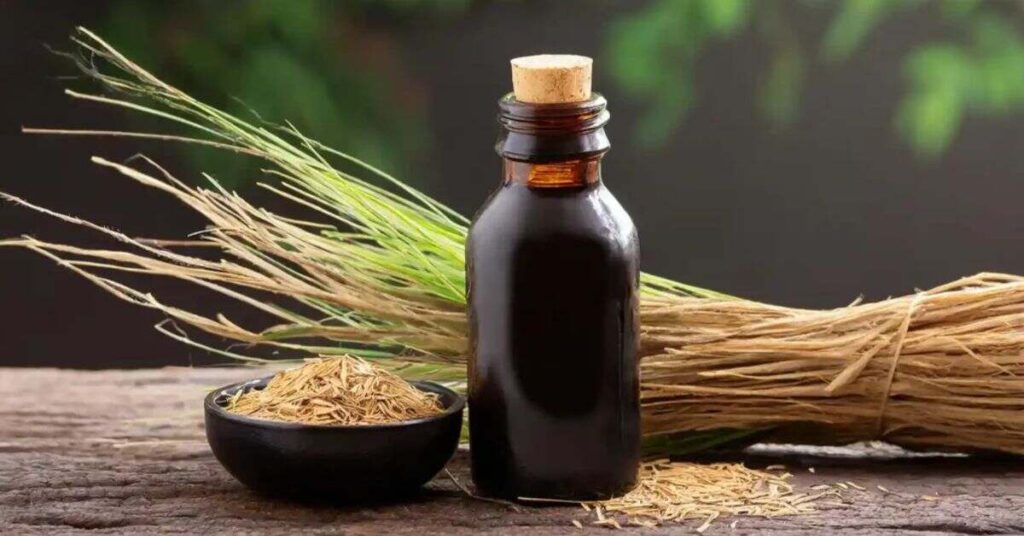
Vetiver essential oil is a thick, earthy, and deeply aromatic oil extracted from the roots of the vetiver plant. Known for its grounding scent and therapeutic qualities, it has been used for centuries in traditional medicine, perfumery, and spiritual rituals.
Unlike many essential oils that are derived from flowers or leaves, vetiver oil comes specifically from the root system, which gives it its rich, smoky, and woody aroma.
Botanical Background and Plant Origin
Vetiver oil is derived from Chrysopogon zizanioides, a perennial grass native to South Asia, particularly India. The plant belongs to the Ponceau (grass) family and is closely related to lemongrass and citronella.
Key botanical facts:
- Scientific name: Chrysopogon zizanioides
- Plant type: Perennial clumping grass
- Native region: India
- Now cultivated in: Haiti, Indonesia, Sri Lanka, Madagascar, and parts of Africa
- Part used: Roots
Vetiver grass grows tall, but its real power lies underground. The plant develops an extensive root system that can grow up to 10 feet deep. These roots contain the aromatic compounds responsible for the powerful Vetiver benefits we explore throughout this guide.
Because of its deep roots, vetiver is also used for soil stabilization and erosion control, a fascinating bonus to its wellness applications.
Historical and Traditional Uses
Vetiver has been used in Ayurvedic medicine for thousands of years. In India, it was traditionally valued for its cooling and calming properties.
Historically, vetiver was used for:
- Reducing heat stress in hot climates
- Calming nervous tension
- Supporting restful sleep
- Skin soothing preparations
- Spiritual grounding rituals
In traditional households, dried vetiver roots were woven into mats and fans. When moistened, they released a cooling aroma that helped regulate body temperature during extreme heat.
In perfumery, vetiver became a cornerstone base note because of its deep, long-lasting scent. Even today, many luxury fragrances rely on vetiver for warmth and depth.
These ancient uses laid the groundwork for what modern research now confirms about vetiver essential oil benefits for emotional balance and skin health.
How Vetiver Essential Oil Is Extracted
The quality of vetiver oil depends heavily on how it is extracted.
Primary extraction method: Steam Distillation
Here’s how the process works:
- Vetiver roots are harvested and thoroughly cleaned.
- They are dried and sometimes aged to enhance aroma.
- Steam passes through the roots.
- Heat releases aromatic compounds.
- The vapor condenses into oil and water.
- The essential oil is separated and collected.
Important characteristics of authentic vetiver oil:
- Thick and viscous consistency
- Deep amber to brown color
- Strong earthy, woody, smoky aroma
The oil often improves with age, making it unique among essential oils. This maturation process deepens its scent and enhances some therapeutic qualities.
Because extraction is time-intensive and roots must mature for 18–24 months before harvest, pure vetiver oil is often more expensive than other essential oils. This is one reason choosing high-quality oil matters something we’ll cover later in this guide.
Why Understanding the Origin Matters
Knowing where vetiver comes from helps you:
- Choose better-quality products
- Understand its therapeutic strength
- Appreciate its traditional and scientific value
Many of the well-known vetiver essential oil benefits especially for relaxation, skin repair, and emotional balance are directly linked to its root-based chemical structure and traditional uses.
Chemical Composition and Therapeutic Properties
Understanding the chemical structure behind vetiver essential oil benefits helps explain why this oil is so powerful for the skin, brain, and overall wellness.
Unlike lighter citrus oils, vetiver oil is chemically complex and rich in deep, grounding compounds. Its therapeutic effects are not accidental they are directly linked to its unique molecular makeup.
This is where science supports tradition.
Key Active Compounds
Vetiver essential oil contains over 100 identified chemical components. The most important bioactive compounds include:
| Compound | Category | Primary Benefit |
| Vetiverol | Sesquiterpene alcohol | Calming, anti-inflammatory |
| Vetivone (alpha & beta) | Ketones | Nervous system support |
| Khusimol | Sesquiterpene alcohol | Antioxidant, skin soothing |
| Isovalencenol | Sesquiterpene | Antimicrobial activity |
Why Sesquiterpenes Matter
Vetiver oil is especially rich in sesquiterpenes, which are:
- Larger, heavier molecules
- Slower evaporating
- Deeply grounding in aromatherapy
- Supportive of emotional regulation
These compounds are believed to contribute to the well-known Vetiver oil benefits for brain function, including focus, stress reduction, and sleep improvement.
Because of its high sesquiterpene content, vetiver oil is thicker and absorbs more slowly into the skin making it excellent for long-lasting topical support.
Anti-Inflammatory and Antioxidant Properties
One of the most researched vetiver essential oil benefits is its anti-inflammatory potential.
Laboratory studies suggest that certain compounds in vetiver may help:
- Reduce oxidative stress
- Calm inflamed skin
- Support cellular repair
- Neutralize free radicals
This antioxidant activity is particularly relevant for:
- Aging skin
- Acne-prone skin
- Environmental stress exposure
- Post-inflammatory hyperpigmentation
Because oxidative stress plays a major role in premature aging, these antioxidant properties also explain many Vetiver essential oil benefits for skin, including improved texture and tone.
Antibacterial and Antimicrobial Activity
Vetiver essential oil has demonstrated natural antimicrobial potential in various lab-based studies.
This means it may help:
- Inhibit growth of certain bacteria
- Support acne-prone skin
- Protect minor wounds from infection
- Promote cleaner scalp conditions
These antimicrobial properties are one reason vetiver oil is frequently used in:
- Acne spot treatments
- Natural deodorants
- Scalp care formulas
- Cleansing skin serums
When properly diluted, vetiver oil can contribute to clearer skin and healthier scalp balance reinforcing both skincare and Vetiver oil benefits for hair.
Why This Section Matters for Authority
Many competitor articles mention benefits but fail to explain why they occur.
By understanding the chemistry behind vetiver essential oil benefits, readers gain:
- Greater trust in the oil’s effectiveness
- A science-backed foundation
- Clarity between traditional claims and therapeutic properties
And that’s what makes this guide more authoritative.
Vetiver Essential Oil Benefits for Mental Health and Brain Function
Among all vetiver essential oil benefits, its impact on the nervous system and emotional balance stands out the most. Often called the “Oil of Tranquility,” vetiver has a deeply grounding aroma that works directly on the brain’s emotional and stress-response centers.
Modern research and traditional use both support its role in:
- Reducing anxiety
- Enhancing focus
- Supporting better sleep
- Easing mental fatigue
Let’s explore how.
Reducing Anxiety and Stress Naturally
Chronic stress disrupts sleep, focus, and hormone balance. Vetiver essential oil is widely used in aromatherapy for its calming effect on the nervous system.
Its high sesquiterpene content may help:
- Slow overactive thought patterns
- Reduce nervous tension
- Support emotional grounding
- Lower restlessness
When inhaled, aromatic compounds travel through the olfactory system and influence the limbic system the part of the brain that regulates emotions.
This is why many people use vetiver oil during:
- Meditation
- High-pressure workdays
- Emotional overwhelm
- Evening wind-down routines
Because of these calming properties, many users consider stress reduction one of the most noticeable vetiver essential oil spiritual benefits as well.
Enhancing Focus and Concentration
Unlike sedating oils, vetiver doesn’t simply relax its grounds. That grounding quality helps improve mental clarity without causing drowsiness.
Some reported Vetiver oil benefits for brain include:
- Improved concentration
- Sharper attention span
- Reduced mental scatter
- Enhanced cognitive steadiness
Its earthy aroma promotes centered awareness, making it popular for:
- Study sessions
- Office work
- Creative focus
- Task-heavy days
This dual effect calming yet focusing makes vetiver unique among essential oils.
Supporting ADHD Symptom Management
Vetiver oil has gained attention for its potential role in supporting focus-related challenges, including attention difficulties.
Preliminary aromatherapy-based observations suggest it may help:
- Improve sustained attention
- Reduce hyperactivity tendencies
- Support calm alertness
While it is not a medical treatment, some individuals use vetiver oil as part of a holistic approach to attention management.
Its grounding properties may support nervous system regulation, which is closely tied to concentration and impulse control.
Improving Sleep Quality
Sleep disruption is often linked to stress, racing thoughts, and nervous system imbalance.
Vetiver oil’s deeply relaxing aroma may help:
- Calm nighttime anxiety
- Support longer sleep duration
- Improve sleep depth
- Reduce middle-of-the-night awakenings
Unlike lavender, which promotes gentle relaxation, vetiver creates a heavier, more grounding atmosphere ideal for people whose minds “won’t switch off.”
Many users apply diluted vetiver oil to:
- The bottoms of the feet
- The back of the neck
- Pillow sprays
- Diffusers
This is one of the most practical and widely appreciated vetiver essential oil benefits in daily life.
Reducing Mental Fatigue and Burnout
Mental burnout often results from prolonged stress and overstimulation. Vetiver’s stabilizing scent may help restore emotional balance and prevent nervous exhaustion.
Potential supportive effects include:
- Emotional resilience
- Reduced irritability
- Improved mood steadiness
- Enhanced mental endurance
Because of this, vetiver is frequently used in grounding diffuser blends during demanding periods.
Why Vetiver Works So Well for the Brain
The oil’s effectiveness lies in:
- High sesquiterpene concentration
- Slow evaporation rate
- Deep limbic system influence
- Nervous system modulation potential
These factors combine to explain why so many people turn to vetiver when seeking natural support for focus, stress, and sleep.
When discussing holistic emotional wellness, the vetiver essential oil benefits for mental balance often rank at the top.
Skin Benefits of Vetiver Essential Oil
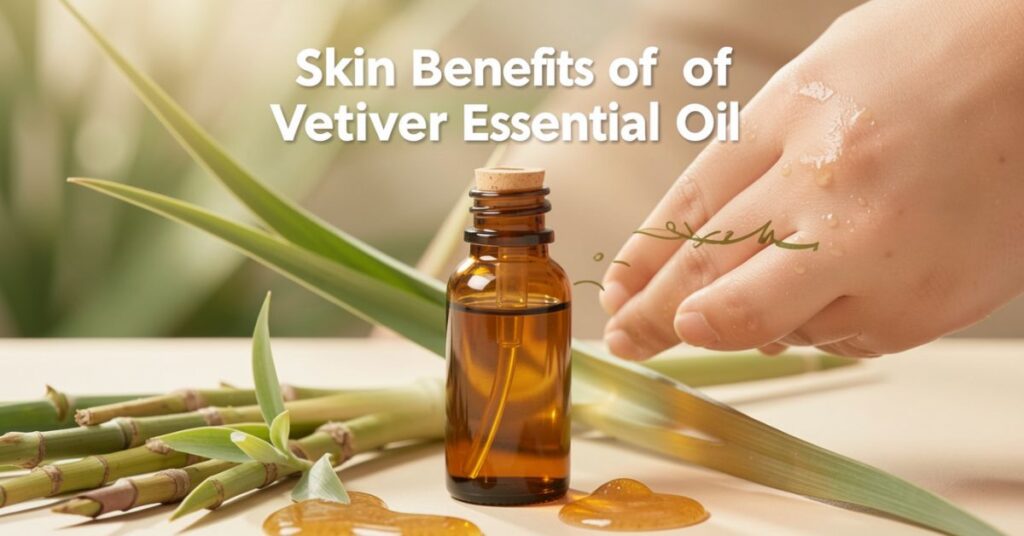
When it comes to skincare, few oils are as underrated yet effective as vetiver. Thanks to its antioxidant, anti-inflammatory, and antimicrobial properties, many vetiver essential oil benefits for skin are backed by both traditional use and modern research.
Because vetiver oil is thick and slow-evaporating, it works deeply and gradually making it ideal for skin repair and long-term support rather than quick surface fixes.
Let’s break down the full spectrum.
Treating Acne and Blemishes
Acne is often linked to:
- Excess oil production
- Bacterial buildup
- Inflammation
- Clogged pores
Vetiver oil’s natural antimicrobial properties may help reduce acne-causing bacteria, while its anti-inflammatory compounds help calm redness and swelling.
Potential benefits include:
- Reducing active breakouts
- Soothing inflamed pimples
- Supporting faster skin recovery
- Minimizing post-acne marks
This makes acne management one of the most practical vetiver essential oil benefits for daily skincare routines.
Balancing Sebum Production
Oily skin often results from an imbalance either overproduction or dehydration-triggered oiliness.
Vetiver oil may help regulate sebum levels by supporting the skin’s natural oil balance. Its grounding properties are believed to help stabilize overactive sebaceous glands.
Benefits for oily or combination skin:
- Less greasy shine
- Reduced clogged pores
- Improved skin texture
- More balanced hydration
This balancing effect also contributes to visible improvements in overall skin clarity.
Healing Wounds and Reducing Inflammation
Vetiver oil has traditionally been used for minor wounds and irritated skin. Its anti-inflammatory compounds may support:
- Faster wound healing
- Reduced redness
- Calmer irritated patches
- Skin barrier repair
Because inflammation is a root cause of many skin issues, reducing it plays a key role in unlocking long-term Vetiver benefits for sensitive and reactive skin types.
Fading Dark Spots and Hyperpigmentation
Hyperpigmentation occurs due to:
- Acne scars
- Sun exposure
- Hormonal changes
- Post-inflammatory damage
Vetiver oil’s antioxidant content may help support cellular regeneration and reduce oxidative stress — two important factors in brightening uneven skin tone.
With consistent use, it may assist in:
- Softening dark spots
- Evening out complexion
- Improving dull skin
- Supporting skin renewal
While results take time, this regenerative potential makes it valuable in advanced skincare routines.
Anti-Aging and Antioxidant Effects
Free radicals contribute to:
- Fine lines
- Wrinkles
- Loss of elasticity
- Collagen breakdown
The antioxidant properties found in vetiver oil may help protect skin cells from environmental stressors.
Possible anti-aging support includes:
- Improved skin firmness
- Reduced appearance of fine lines
- Enhanced skin resilience
- Better moisture retention
This is one reason why many luxury skincare formulations include vetiver as a restorative ingredient.
Among the many vetiver essential oil benefits, its slow, deep-acting anti-aging support stands out for mature skin.
Supporting Eczema and Dermatitis Care
Inflammatory skin conditions like eczema and dermatitis require gentle, soothing support.
Vetiver oil’s calming and anti-inflammatory properties may help:
- Reduce itchiness
- Calm flare-ups
- Support skin barrier strength
- Improve overall comfort
Because sensitive skin reacts easily, always perform a patch test before use.
Healing Scars and Stretch Marks
Scar tissue forms when collagen repairs damaged skin. Supporting that regeneration process is key.
Vetiver oil may assist by:
- Supporting collagen repair
- Improving skin elasticity
- Encouraging smoother texture
- Reducing the appearance of stretch marks
Regular diluted application combined with carrier oils like rosehip or sweet almond oil can enhance results over time.
Moisturizing and Nourishing Dry Skin
Dry skin lacks oil and moisture balance. Vetiver oil’s heavier molecular structure helps slow moisture loss when blended with nourishing carrier oils.
It may help:
- Lock in hydration
- Reduce flakiness
- Improve skin softness
- Strengthen the skin barrier
This makes it particularly useful in cold climates or during seasonal dryness.
Why Vetiver Is a Skincare Powerhouse
To summarize, the skin-related vetiver essential oil benefits include:
- Antibacterial support
- Anti-inflammatory calming
- Antioxidant protection
- Oil balancing
- Regenerative properties
Its versatility allows it to work for:
- Oily skin
- Acne-prone skin
- Mature skin
- Dry or sensitive skin
Few essential oils offer this range of support in one ingredient.
Hair and Scalp Benefits of Vetiver Oil

While most articles briefly mention hair care, very few properly structure the Vetiver oil benefits for hair. This section goes deeper.
Healthy hair starts with a healthy scalp. Thanks to its antimicrobial, anti-inflammatory, and balancing properties, vetiver oil supports both scalp health and hair strength.
Let’s break it down clearly.
Strengthening Hair and Promoting Growth
Hair growth depends on:
- Proper scalp circulation
- Balanced oil production
- Reduced inflammation
- Healthy follicles
Vetiver oil may help stimulate and balance the scalp environment, which supports stronger hair over time.
Potential supportive effects include:
- Improved scalp nourishment
- Reduced follicle stress
- Stronger hair roots
- Less breakage
Because inflammation and stress can contribute to hair thinning, using vetiver oil as part of a scalp massage routine may indirectly support healthier growth patterns.
Reducing Dandruff and Scalp Irritation
Dandruff is often linked to:
- Fungal imbalance
- Dry scalp
- Excess oil buildup
- Irritation
Vetiver oil’s antimicrobial properties may help maintain a cleaner scalp environment, while its soothing qualities reduce itching and redness.
Benefits for scalp comfort may include:
- Less flaking
- Reduced itchiness
- Calmer irritated areas
- Balanced scalp condition
This makes it a supportive option in natural anti-dandruff routines.
Balancing Scalp Oil Production
An overly oily scalp can clog follicles, while a dry scalp can trigger excess oil production as compensation.
Vetiver oil may help regulate sebaceous gland activity, promoting a more balanced scalp.
This balancing effect may result in:
- Fresher-looking hair
- Longer time between washes
- Reduced greasy roots
- Improved overall scalp health
Balanced oil production is one of the most underrated vetiver essential oil benefits for hair care.
Adding Shine and Luster
Dull hair often signals:
- Dehydration
- Product buildup
- Environmental damage
When diluted properly and used in hair oils or masks, vetiver oil can help:
- Seal moisture
- Improve hair texture
- Enhance natural shine
- Smooth rough strands
Because of its thicker consistency, it works best when blended into carrier oils rather than applied directly.
May Help Prevent Premature Graying
Premature graying can be influenced by:
- Oxidative stress
- Nutrient deficiencies
- Chronic stress
- Scalp inflammation
Since vetiver oil contains antioxidant compounds and is widely used for stress reduction, it may support overall scalp health in a way that contributes to maintaining natural hair color longer.
While it is not a guaranteed solution, combining stress management with scalp nourishment creates a supportive environment for healthier hair aging.
Why Vetiver Works for Hair
The combined Vetiver oil benefits for hair stem from:
- Antimicrobial scalp support
- Anti-inflammatory soothing
- Antioxidant protection
- Oil-balancing effects
- Stress-reducing aromatherapy influence
When scalp health improves, hair strength, shine, and overall appearance often follow.
Whole-Body Health Benefits
Beyond skin, hair, and emotional wellness, vetiver essential oil is often used in holistic wellness practices because its properties support overall body balance.
Many people searching for vetiver essential oil benefits are surprised to learn that its effects extend to immune support, detoxification, muscle comfort, and respiratory health.
Let’s explore these broader applications.
Supporting Immune Function
The immune system works best when inflammation and oxidative stress are controlled.
Thanks to its antioxidant and antimicrobial properties, vetiver oil may support immune resilience by:
- Reducing harmful microbial activity
- Supporting cellular protection
- Minimizing inflammatory stress
- Encouraging overall system balance
While essential oils are not substitutes for medical treatment, consistent aromatherapy use may complement a healthy lifestyle.
Detoxifying Properties
Vetiver has traditionally been associated with cleansing and purification practices.
Its potential detox-supporting effects may include:
- Supporting lymphatic circulation
- Encouraging toxin elimination through sweating and natural body processes
- Reducing environmental stress impact
Because the oil promotes relaxation, it may also indirectly support detox pathways since stress reduction improves bodily repair and regeneration.
This makes detox support one of the broader vetiver benefits in holistic wellness routines.
Muscle Pain and Cramp Relief
Muscle discomfort often results from:
- Physical overexertion
- Inflammation
- Poor circulation
- Stress tension
Vetiver oil’s warming and anti-inflammatory properties may help soothe:
- Muscle stiffness
- Joint discomfort
- Tension in the back and shoulders
- Mild cramps
Its grounding aroma also promotes relaxation during physical recovery.
Hormonal Balance Support
Hormonal imbalance can affect:
- Mood
- Sleep
- Energy levels
- Skin health
- Hair growth
Although research is still developing, vetiver oil’s stress-reducing effect may indirectly support hormone regulation because chronic stress disrupts endocrine function.
By calming the nervous system, vetiver may contribute to:
- Better cortisol balance
- Reduced stress-related hormonal fluctuations
- Improved emotional stability
This connection makes it relevant for people looking at natural approaches to overall body harmony.
Respiratory Health Support
Vetiver oil’s earthy aroma can support breathing comfort when used in aromatherapy.
It may help:
- Clear mental congestion
- Support relaxed breathing
- Create a calming respiratory environment
Many people diffuse vetiver oil during:
- Seasonal discomfort
- Indoor air quality concerns
- Evening relaxation sessions
While not a medical treatment, its soothing vapor effect contributes to respiratory comfort and relaxation.
Why Whole-Body Support Matters
The strength of these vetiver essential oil benefits lies in their interconnected nature.
When:
- Stress decreases
- Inflammation reduces
- Sleep improves
- Skin and scalp balance stabilizes
Overall wellness improves.
That holistic approach is what makes vetiver so powerful in natural health systems.
Aromatherapy and Emotional Wellness Uses
One of the most popular ways people experience vetiver essential oil benefits is through aromatherapy.
Because of its deep, earthy, and grounding aroma, vetiver oil is widely used to calm the nervous system, reduce stress, and promote emotional stability.
Its slow evaporation rate makes it ideal for long-lasting diffuser blends and relaxation rituals.
Let’s explore practical uses.
Why Vetiver’s Earthy Aroma Is Powerful in Aromatherapy
Vetiver oil is often called the “Oil of Tranquility” because its scent:
- Grounds scattered thoughts
- Reduces emotional overwhelm
- Supports nervous system relaxation
- Encourages mental stability
When inhaled, aromatic molecules interact with the olfactory system and influence the limbic system the brain region responsible for emotion and memory.
This direct brain connection explains many of the well-known vetiver essential oil benefits for mood regulation and stress relief.
Unlike lighter oils such as citrus, vetiver creates a deep calming effect that feels stabilizing rather than energizing.
It works especially well for people who experience anxiety triggered by fast-paced lifestyles.
Stress-Relief Diffuser Blend Recipe
A simple yet powerful blend for daily stress relief:
Ingredients:
- 3 drops vetiver essential oil
- 2 drops lavender oil
- 2 drops frankincense oil
How to Use:
- Add to a diffuser
- Diffuse for 20–30 minutes
- Best used in the evening or during high-stress periods
Benefits:
- Calms racing thoughts
- Supports emotional balance
- Promotes relaxation before sleep
This blend enhances the natural vetiver oil benefits for brain by combining grounding + soothing properties.
Relaxing Bath Blend
A warm bath combined with vetiver oil can create deep nervous system relaxation.
How to Prepare:
- Mix 2–4 drops vetiver oil with 1 tablespoon carrier oil or milk
- Add to warm bathwater
- Soak for 20 minutes
Effects:
- Relieves tension
- Reduces muscle stress
- Supports mental unwinding
- Improves sleep quality
Because vetiver is thick and oil-soluble, pre-mixing ensures proper dispersion in water.
Bedtime Pillow Spray
For improved sleep support, vetiver can be used as a natural sleep aid.
DIY Pillow Spray:
- 3 drops vetiver oil
- 2 drops lavender oil
- Mix with distilled water in a spray bottle
Spray lightly on:
- Pillow
- Bed sheets
- Bedroom air
This method strengthens the sleep-related vetiver essential oil benefits by creating a calming sleep environment.
Many users report deeper sleep and reduced nighttime anxiety when using this routine consistently.
Why Aromatherapy Applications Matter
Practical use transforms theory into results.
Aromatherapy with vetiver helps users experience:
- Immediate relaxation
- Emotional grounding
- Stress release
- Improved bedtime routine
Because it works quickly through inhalation, it remains one of the most accessible and effective ways to use the oil daily.
Cosmetic and Skincare Formulation Uses

Beyond personal care routines, vetiver oil is widely used in professional and DIY cosmetic formulations.
Because of its antioxidant, antimicrobial, and skin-balancing properties, it enhances natural skincare products and improves formulation stability.
This section strengthens the practical application of vetiver essential oil benefits in beauty and cosmetic development.
Facial Serum for Balanced Skin
Vetiver oil works well in facial serums designed for:
- Oily skin
- Acne-prone skin
- Mature skin
- Combination skin
Simple DIY Serum Formula:
- 1 tablespoon jojoba oil or rosehip oil
- 1 drop vetiver essential oil
- 1 drop frankincense (optional for anti-aging boost)
Mix well and store in a dark glass bottle.
Benefits:
- Supports sebum balance
- Reduces inflammation
- Improves skin texture
- Supports collagen protection
Because vetiver is thick and concentrated, small amounts are sufficient for effective results.
This formulation highlights practical vetiver essential oil benefits for skin in daily beauty routines.
Acne Spot Treatment
Vetiver’s antimicrobial and anti-inflammatory properties make it useful in targeted acne treatment.
How to Use:
- Mix 1 drop vetiver oil with 1 teaspoon aloe vera gel or carrier oil
- Apply directly to active breakouts
- Use once daily
Potential effects:
- Reduces redness
- Calms swelling
- Supports faster healing
- Minimizes post-acne marks
This targeted approach demonstrates how vetiver supports blemish control in natural skincare systems.
Use in Natural Cosmetic Formulations
Professional formulators often include vetiver oil in:
- Natural creams
- Body lotions
- Facial oils
- Solid perfumes
- Balancing toners
Why?
Because vetiver oil:
- Acts as a natural fragrance fixative
- Improves product longevity
- Adds therapeutic value
- Enhances emotional appeal of beauty products
Its deep earthy scent blends well with:
- Sandalwood
- Patchouli
- Lavender
- Frankincense
- Cedarwood
In cosmetic production, even small percentages can elevate product quality while reinforcing vetiver benefits for skin and wellness.
Why Formulation Use Increases Authority
Including vetiver in product development shows:
- Professional application
- Commercial relevance
- Advanced skincare integration
- Multi-industry usage
This moves the article beyond basic health advice and positions it as a comprehensive resource on vetiver essential oil benefits across industries.
Natural Insect Repellent Properties
One of the lesser-known but highly practical vetiver essential oil benefits is its ability to act as a natural insect repellent.
Thanks to its strong earthy aroma and bioactive compounds, vetiver oil can help deter certain insects while providing a safer alternative to chemical-based repellents.
This makes it especially valuable for:
- Outdoor activities
- Summer protection
- Camping
- Garden use
- Natural household care
How Vetiver Oil Repels Insects
Vetiver oil works as a repellent primarily through its strong scent profile.
Insects rely heavily on smell to:
- Locate food
- Find breeding sites
- Identify hosts
The intense aroma of vetiver disrupts these scent detection mechanisms, making environments less attractive to pests.
Additionally:
- Its antimicrobial properties may reduce microbial attraction
- Its thick consistency creates a protective layer when applied topically
Common insects that may be deterred include:
- Mosquitoes
- Flies
- Ants
- Certain crawling insects
While research is still developing, traditional use and practical experience support its effectiveness as part of a natural pest-control strategy.
How to Use as a Natural Repellent
There are multiple safe and effective ways to apply vetiver oil for insect protection.
1. Topical Repellent Spray
DIY Spray Formula:
- 5 drops vetiver oil
- 5 drops citronella or eucalyptus oil
- 1 tablespoon alcohol or witch hazel
- 100ml distilled water
Mix in a spray bottle and shake before use.
Spray on:
- Exposed skin
- Clothing
- Outdoor seating areas
2. Outdoor Diffuser Protection
If you’re sitting outdoors:
- Add 3–5 drops vetiver oil to a portable diffuser
- Place near seating area
This helps create a protective aromatic barrier.
3. Natural Garden Protection
Vetiver oil can also be used around:
- Windows
- Door frames
- Garden perimeters
When diluted properly and sprayed on surfaces, it may discourage insect entry.
Why This Section Strengthens SEO Value
Adding insect repellent usage expands the keyword reach around:
- Natural protection
- Organic pest control
- Multi-purpose essential oil benefits
It enhances the overall authority of the article while reinforcing the broader application of vetiver essential oil benefits.
How to Use Vetiver Essential Oil Safely
Even though vetiver oil offers powerful vetiver essential oil benefits, proper usage is important to avoid irritation or unwanted reactions.
Because it is highly concentrated and thick in consistency, safe dilution and application methods are crucial.
Let’s break down safe usage guidelines clearly.
Topical Application Guidelines
Vetiver oil should never be applied directly to the skin undiluted unless under professional guidance.
Safe Topical Use:
Mix with a carrier oil such as:
- Coconut oil
- Jojoba oil
- Almond oil
- Rosehip oil
- Argan oil
Recommended dilution:
- 1–2 drops vetiver oil
- Per 1 teaspoon (5 ml) carrier oil
This ensures safe absorption while preserving effectiveness.
Best areas for application:
- Wrists
- Back of neck
- Bottom of feet
- Scalp (diluted)
- Pulse points
Proper dilution protects the skin while allowing users to experience full vetiver oil benefits for skin and relaxation support.
Diffusion Methods
Diffusing vetiver oil is one of the safest and most effective ways to experience its aromatherapy benefits.
How to Diffuse:
- Add 3–5 drops to a diffuser
- Run for 20–40 minutes
- Use in bedrooms, offices, or meditation spaces
Benefits of diffusion:
- Supports stress relief
- Enhances focus
- Promotes better sleep
- Creates emotional grounding
Because vetiver is slow-evaporating, it provides long-lasting aroma coverage.
Recommended Dilution Ratios
| Purpose | Dilution Ratio |
| Sensitive skin | 0.5% – 1% |
| Facial use | 1% |
| Body massage | 2% |
| Scalp application | 1% – 2% |
For children and elderly users, always start with lower concentrations.
Following proper dilution ensures safe access to full vetiver essential oil benefits without irritation.
Frequency of Use
How often you use vetiver oil depends on your purpose.
For stress relief – Daily diffusion is safe
For skin care – 2–3 times per week topical use
For hair care – 1–2 scalp treatments weekly
For sleep support – Use in evening routines
Listen to your body. If irritation occurs, reduce frequency or dilution.
Moderation enhances results.
Why Safe Usage Builds Trust
Including safety guidance strengthens this article because:
- It shows professional responsibility
- It increases user confidence
- It supports long-term product adoption
- It reduces misuse risks
Safe application maximizes the effectiveness of vetiver essential oil benefits while protecting skin and overall health.
Safety, Risks, and Side Effects
Even though vetiver essential oil offers powerful vetiver essential oil benefits, it is still a highly concentrated plant extract.
Responsible usage requires understanding potential risks and precautions to ensure safe application.
Let’s examine important safety considerations.
Is Vetiver Essential Oil Safe for Sensitive Skin?
Vetiver oil is generally considered safe when properly diluted.
However, people with:
- Extremely sensitive skin
- Skin conditions like eczema flare-ups
- Allergic tendencies
May experience mild irritation if used incorrectly.
Safety Tips:
Always perform a patch test:
- Apply diluted oil to a small area
- Wait 24 hours
- Check for redness, itching, or swelling
Start with lower dilution (0.5%–1%)
Avoid applying directly to broken skin
When used correctly, most individuals tolerate vetiver oil well, especially in diluted form.
Potential Allergic Reactions
Although rare, allergic reactions may include:
- Skin redness
- Burning sensation
- Itching
- Swelling
- Respiratory sensitivity (if inhaled in high concentration)
If any of these symptoms occur:
- Stop use immediately
- Wash the area with mild soap and water
- Discontinue further application
Understanding risks ensures safe access to its beneficial properties while minimizing unwanted reactions.
Pregnancy and Medical Considerations
Pregnant or breastfeeding women should consult a healthcare professional before using vetiver oil.
Precautions also apply to individuals who:
- Take prescription medications
- Have chronic respiratory conditions
- Have hormonal disorders
- Are undergoing medical treatment
Because essential oils interact with the body’s systems, professional guidance is recommended for high-risk groups.
Safe usage protects users while still allowing them to benefit from its calming and supportive effects.
Can It Be Blended with Other Essential Oils?
Yes vetiver blends beautifully with many oils and is commonly used in synergy blends.
Popular blending partners include:
- Lavender – for sleep support
- Frankincense – for meditation & skin support
- Cedarwood – for grounding
- Patchouli – for skin care & emotional balance
- Bergamot – for mood uplift
Blending enhances overall effectiveness while expanding the range of vetiver essential oil benefits.
However:
Avoid overcomplicating blends with too many strong oils.
Always maintain proper dilution ratios.
Balanced formulation = safer results.
Why This Section Builds Authority
Including safety information:
- Improves Google E-E-A-T signals
- Builds trust with readers
- Reduces misinformation
- Strengthens professional credibility
Safety awareness is essential when discussing powerful natural products like vetiver oil.
How to Choose High-Quality Vetiver Essential Oil
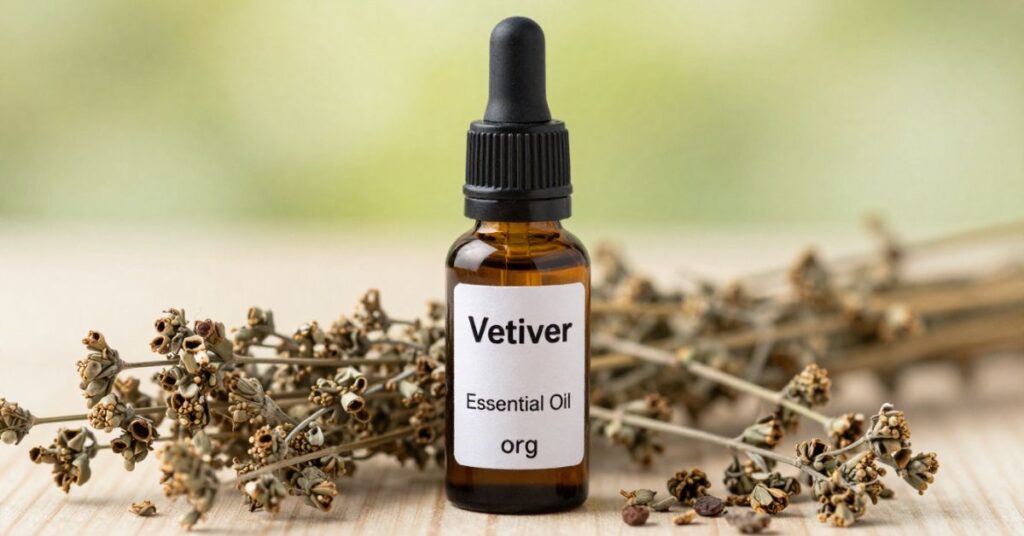
Not all products labeled as vetiver oil are created equal.
To fully experience authentic vetiver essential oil benefits, quality matters significantly. Poor-quality or adulterated oil may reduce effectiveness and increase the risk of skin irritation.
This section helps readers make smart purchasing decisions.
What to Look for on the Label
When buying vetiver essential oil, check for:
Botanical name listed
- Chrysopogon zizanioides must be clearly mentioned
100% Pure Essential Oil
- Avoid “fragrance oil” or “perfume oil” labels
Extraction Method
- Steam distilled should be specified
Country of Origin
- Common sources include Haiti, India, Madagascar, Indonesia
Therapeutic Grade / GC-MS Tested (if available)
- Indicates quality testing for purity
Avoid products that:
Contain added synthetic fragrance
Do not list ingredients clearly
Hide sourcing information
Are suspiciously cheap
High-quality oil ensures you experience the true therapeutic power behind the vetiver benefits.
Purity and Testing Standards
Reputable brands often provide:
- GC-MS test reports
- Batch numbers
- Third-party lab testing
- Quality assurance certificates
Why Testing Matters:
GC-MS testing verifies:
- Chemical composition
- Absence of harmful contaminants
- Authenticity of plant compounds
Because vetiver oil is expensive to produce, adulteration is unfortunately common in the market.
Choosing tested oil protects your investment and maximizes effectiveness.
Storage and Shelf Life
Vetiver oil has a relatively long shelf life compared to many essential oils.
Proper Storage:
Store in dark glass bottles
Keep tightly sealed
Store in a cool, dry place
Avoid direct sunlight
Shelf Life:
- Typically 4 to 8 years
- Sometimes improves with age
Its stability makes it one of the more durable oils in long-term wellness collections.
Proper storage preserves the strength of its powerful vetiver essential oil benefits over time.
Why Quality Selection Increases Results
When you invest in premium vetiver oil:
- You get stronger therapeutic effects
- You reduce risk of skin irritation
- You experience authentic aroma
- You improve safety and consistency
Quality is directly connected to performance.
Final Thoughts: Is Vetiver Essential Oil Worth Using?
Vetiver essential oil is truly a multi-faceted natural powerhouse. From its calming aroma and emotional wellness support to skin, hair, and whole-body benefits, it offers a wide range of applications backed by both tradition and modern research.
Key Takeaways:
- Mental Health & Brain Function: Reduces stress, enhances focus, supports sleep, and eases mental fatigue.
- Skin Benefits: Fights acne, balances sebum, promotes healing, fades dark spots, and provides anti-aging effects.
- Hair Benefits: Strengthens hair, reduces dandruff, balances scalp oils, and adds shine.
- Comprehensive Support: Supports immune health, detoxification, muscle relaxation, and hormonal balance.
- Aromatherapy & Emotional Benefits: Its deeply grounding aroma promotes relaxation and emotional stability.
- Beauty & Natural Product Use: Suitable for inclusion in serums, targeted treatments, and natural skincare formulations.
- Safety & Quality Considerations: Should be properly diluted, applied safely, and sourced from trusted brands to ensure maximum effectiveness.
With proper usage and high-quality sourcing, the vetiver essential oil benefits can become an integral part of your holistic wellness routine.
Whether you are seeking natural support for stress relief, skincare, hair health, or emotional balance, vetiver oil offers a unique combination of grounding, therapeutic, and beautifying properties.
Bottom Line: Investing in authentic vetiver essential oil is worth it for your mind, body, and skin.
FAQs
How Often Can Vetiver Oil Be Used?
Vetiver oil can be used:
Daily (when diffused for aromatherapy)
2–3 times per week (for topical skin or hair use)
Frequency depends on purpose and dilution level.
For stress relief, daily diffusion is safe for most people. For skin and scalp applications, moderation ensures optimal results without irritation.
Can Vetiver Oil Be Used Daily?
Yes but it depends on the method of use.
Safe Daily Use Includes:
- Diffusing for 20–40 minutes
- Applying diluted oil to pulse points
- Using in bedtime relaxation routines
Caution:
Daily topical application should remain properly diluted to avoid skin sensitivity.
Many people experience consistent vetiver essential oil benefits through controlled daily aromatherapy rather than heavy skin application.
Is It Safe for Children?
Vetiver oil may be used for children but with extra caution.
Recommended guidelines:
Use very low dilution (0.25% – 0.5%)
Prefer diffusion over topical use
Avoid applying near eyes or sensitive areas
It is sometimes used to support:
- Calm bedtime routines
- Focus improvement
- Emotional grounding
Always consult a pediatric professional before introducing essential oils to children.
Does Vetiver Oil Expire?
Vetiver oil has a long shelf life.
Typically:
- Lasts 4 to 8 years
- May improve in aroma over time
Signs it may degrade:
- Unpleasant odor change
- Cloudy appearance
- Significant texture alteration
Proper storage extends its potency and preserves its powerful vetiver benefits for long-term use.
Can Vetiver Oil Be Used with Other Essential Oils?
Yes, vetiver blends extremely well with other oils.
It is often combined with:
- Lavender for sleep
- Frankincense for skin support
- Cedarwood for grounding
- Bergamot for mood enhancement
Blending increases therapeutic impact while expanding its range of benefits.
Is Vetiver Oil Safe for Long-Term Use?
Yes, when used correctly and diluted properly.
Long-term safe usage depends on:
- Correct dilution
- Proper storage
- Avoiding overuse
- Monitoring skin reactions
Many people incorporate vetiver into daily routines for years without issues.