Introduction: What is Sweet Orange Essential Oil?
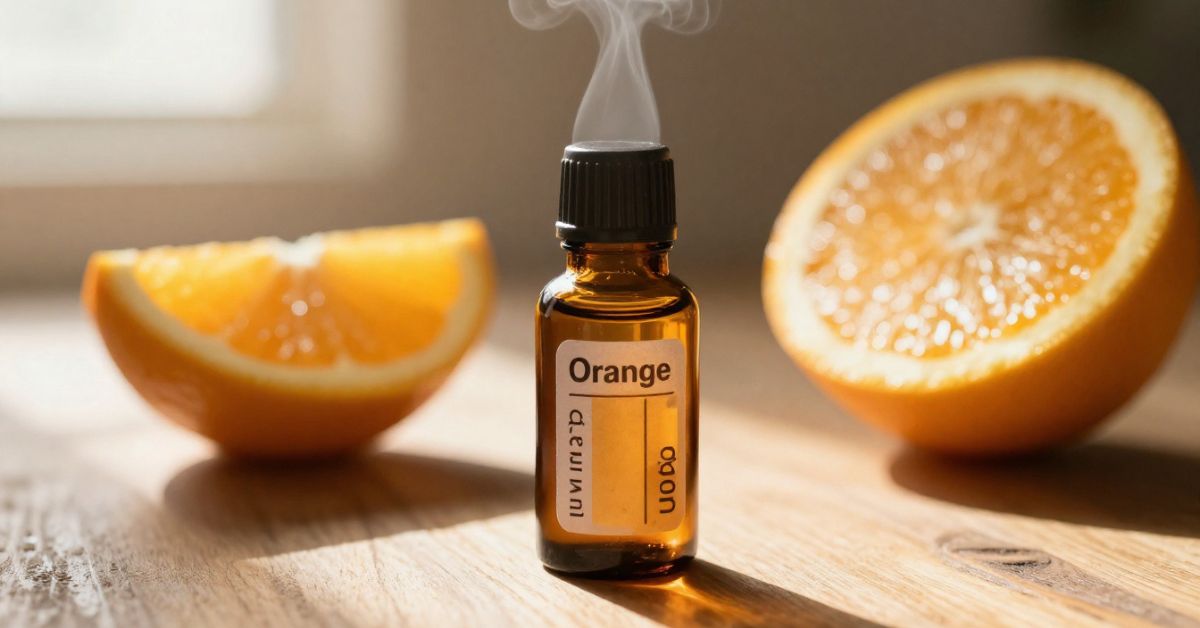
Imagine capturing the radiant energy of a summer sun in a single glass vial. That is precisely what orange essential oil represents. While most people enjoy the juice of the Citrus synesis fruit, the real therapeutic magic is hidden in the peel. This oil is a highly concentrated essence containing the plant’s natural defence mechanisms and its invigorating aroma.
Whether you are scouring for Orange Essential Oil Amazon listings or looking for Orange Essential Oil near me in local boutiques, you are likely seeking its world-renowned ability to uplift the spirit and purify the air. Far beyond just a “pleasant scent,” this oil is a staple in both aromatherapy and green cleaning due to its versatile chemical nature.
Botanical Profile: Origin, Plant Part, and Extraction Methods
To master orange essential oil uses, one must first understand where it comes from. Not all citrus oils are created equal; the quality depends heavily on the extraction method and the part of the plant used.
| Feature | Technical Specification |
| Botanical Name | Citrus sinensis |
| Common Name | Sweet Orange |
| Plant Family | Rutaceae |
| Plant Part Used | Fresh Fruit Rinds (The Peel) |
| Extraction Method | Cold Expression (Cold Pressing) |
| Primary Origin | Brazil, USA (Florida/California), and Italy |
Why Cold Pressing Matters: Unlike steam distillation, cold expression involves mechanically squeezing the citrus peel to release the oil. This “raw” process ensures that the heat-sensitive compounds which provide the benefits for skin remain potent and biologically active.
The “Spicy” Truth: While there are hundreds of orange varieties, the “Sweet Orange” is the most popular globally because it contains the highest concentration of Limonene, the secret ingredient behind its power.
Therapeutic Benefits & Scientific Properties

The true power of orange essential oil is backed by more than just pleasant aromas; it is supported by clinical observations and biochemical research. Because it is rich in monoterpenes, its therapeutic reach extends from the cellular level to psychological wellness.
Antimicrobial and Antioxidant Power
One of the most impressive orange essential oil uses is its role as a natural defender.
- The Germ Fighter: Research shows that the high limonene content inhibits the growth of bacteria and fungi, making it a staple for those crafting a DIY orange essential oil spray for kitchen counters.
- Cellular Shield: As a potent antioxidant, it helps neutralize free radicals. When exploring orange essential oil benefits for skin, this antioxidant property is what helps fight the visible signs of aging and environmental damage.
Support for Mental Wellness: Managing Anxiety and Depression
In the world of aromatherapy, this is often called “The Happy Oil.”
- Cortisol Reduction: Studies have indicated that inhaling the scent can lower pulse rates and reduce cortisol levels.
- Instant Uplift: Unlike synthetic fragrances, the natural molecules in orange essential oil travel directly to the brain’s limbic system, helping to alleviate symptoms of anxiety and providing a natural “pick-me-up” during a long workday.
Physical Performance: Pain Relief, Exercise, and Weight Loss
This is a unique niche that gives your article a competitive edge.
- Workout Booster: Some athletes use citrus aromatherapy to improve lung capacity and focus during intense training.
- Weight Management: While it isn’t a miracle cure, many people find that using an oil recipe for diffusion helps curb sugar cravings and emotional eating.
- Anti-Inflammatory: When used as a massage oil, it can help soothe minor muscle aches and joint discomfort.
Natural Home Solutions: Insecticide and Cleaning Activity
If you are tired of harsh chemicals, orange essential oil is your best friend.
- Grease Solvent: It acts as a natural degreaser that can cut through the toughest kitchen grime or sticker residue.
- Pest Control: It is a surprising yet effective natural insecticide. A simple spray can deter ants and fruit flies without introducing toxins into your living space.
Engaging Tidbit: Did you know that the d-limonene in orange oil is so powerful it is often used in industrial-grade biodegradable cleaners? You’re basically getting industrial strength with a gourmet scent!
Chemical Composition and Purity

When you search for oil near me, you might see vast price differences. The secret to that price gap lies in the chemical purity. Not every bottle contains the same therapeutic “soul” of the plant. To get the best results, you need to understand what is happening at a molecular level.
Understanding Main Constituents
The “Gold Standard” for purity is a GCMS (Gas Chromatography-Mass Spectrometry) report. This lab test breaks down the oil into its individual components. A high-quality orange essential oil typically contains:
| Molecule | Percentage | Therapeutic Role |
| D-Limonene | 90% – 97% | The “Superstar”: Anti-inflammatory, antioxidant, and solvent. |
| Myrcene | 1.5% – 2.5% | Aids in sedation and acts as an anti-inflammatory. |
| Alpha-Pinene | < 1% | Known for bronchodilator (respiratory) effects. |
| Linalool | Trace | Contributes to the subtle floral undertone and calming effect. |
If these numbers are off, or if synthetic fillers are detected, the oil’s efficacy for oil for hair or skin treatments will be significantly diminished.
Sensory Profile: Color, Consistency, and Aromatic Notes
You don’t always need a lab to spot quality. You can use your senses to judge the you found on Orange Essential Oil Amazon or at a local health store:
- Aroma: It should smell exactly like a freshly peeled, ripe orange. It should be bright, zesty, and sweet. If it smells “dusty,” metallic, or like a cleaning chemical, it has likely oxidized or been adulterated.
- Color: Pure sweet orange oil ranges from a pale yellow to a vibrant, translucent orange.
- Consistency: It is a very “thin” oil. It should pour easily like water. If it feels thick or greasy, it may have been diluted with a cheap carrier oil.
- The Evaporation Test: Drop one drop of the oil on a white piece of paper. Pure essential oil should evaporate completely over time (though citrus may leave a slight yellowish tint). If a greasy ring remains, it isn’t pure.
Tidbit: Because citrus oils are “Top Notes,” they evaporate quickly. This is why their scent hits you instantly, but also why you need a good storage strategy to keep them fresh!
Practical Applications: How to Use Orange Oil Safely
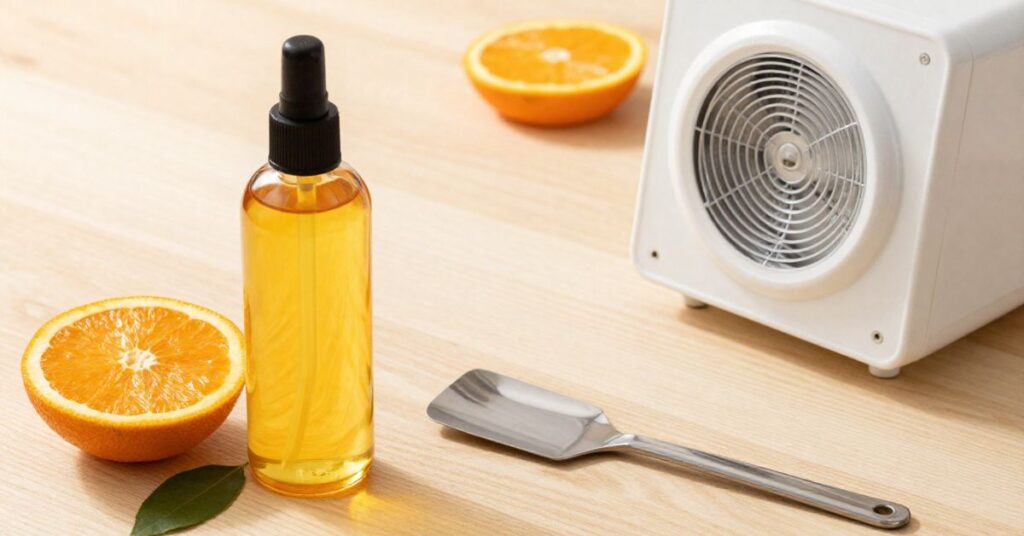
The true value of orange essential oil is found in its versatility. From your morning beauty routine to your evening cleaning ritual, there is an recipe for almost every household need. However, because this oil is highly concentrated, application “method” is everything.
Inhalation and Diffusion Techniques
The fastest way to experience the mood-boosting power of citrus is through the air.
- The Energy Diffuser: Add 5–8 drops of orange essential oil to your ultrasonic diffuser to clear “mental fog” and freshen the room.
- Direct Inhalation: For a quick stress-fix, place one drop in your palms, rub them together, and breathe in deeply.
- Steam Inhalation: Add 2 drops to a bowl of hot water for a refreshing respiratory boost.
Topical Use: Massage Oils and Dilution Ratios
Using orange essential oil for skin requires a cautious approach. Never apply it “neat” (undiluted).
- The Golden Ratio: For body application, aim for a 2% dilution. This means roughly 10–12 drops of essential oil per 30ml of carrier oil (like Jojoba or Sweet Almond oil).
- Orange Essential Oil Benefits for Skin: When diluted properly, it can improve the appearance of skin radiance and reduce the look of blemishes.
- Orange Essential Oil for Hair: Want a natural shine? Add 2 drops to your palm with your regular conditioner. Using oil for hair helps cleanse the scalp and leaves a lingering, fresh scent that lasts all day.
Home & Body Sprays
Why buy synthetic aerosols when you can make a professional-grade orange essential oil spray at home?
DIY All-Purpose Refreshing Spray:
- Combine 1 cup of distilled water and 1 tablespoon of witch hazel (or vodka) in a glass spray bottle.
- Add 20 drops of orange essential oil.
- Shake well before each use to mist your linens, gym bag, or kitchen surfaces.
Spicy Tip: If you’re looking for Orange Essential Oil Amazon deals to make these sprays, always check that the bottle is dark amber glass. Plastic bottles can be “eaten” by the potent limonene in the oil over time!
Synergy: What Blends Well with Sweet Orange?
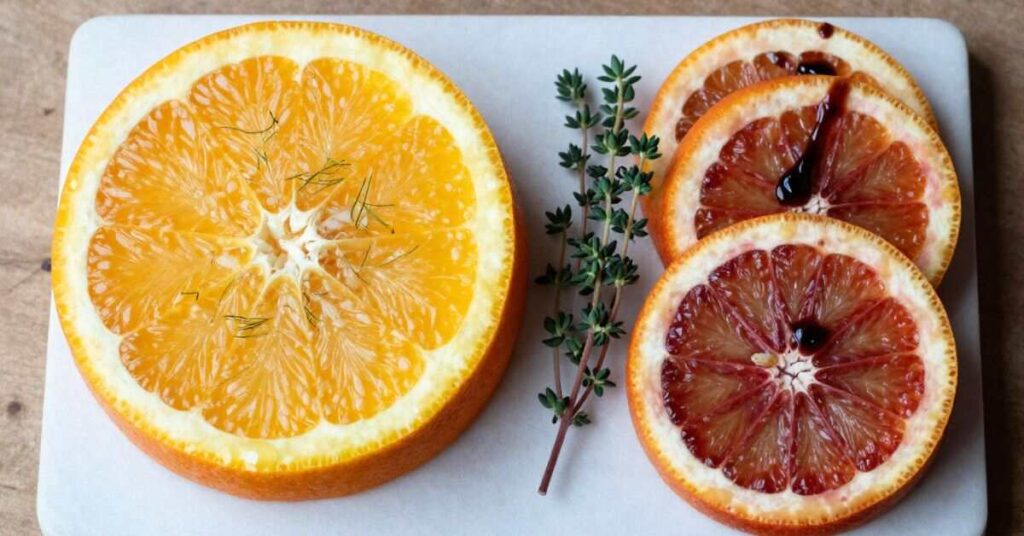
In the world of aromatherapy, orange essential oil is known as a “Universal Blender.” Because of its bright, sweet profile, it can soften sharp scents and enhance floral ones. Creating a synergy blend actually increases the therapeutic power of the individual oils.
- For Relaxation: Blend with Lavender or Sandalwood.
- For Focus: Combine with Peppermint or Rosemary.
- For Spice: Mix with Cinnamon or Clove for a warm, autumnal orange essential oil recipe.
- For Freshness: Pair with Lemon, Lime, or Grapefruit for a “Citrus Explosion” in your oil spray.
Safety First: Side Effects and Precautions
While orange essential oil is generally recognized as safe (GRAS) by regulatory bodies, its high concentration of volatile organic compounds means it must be handled with care. The high potency that makes it effective for cleaning and therapy can also lead to adverse reactions if misused. Improper application, such as applying the oil “neat” (directly to the skin), can lead to contact dermatitis or severe skin irritation. Furthermore, failing to store the oil correctly can lead to oxidation, which significantly reduces the oil’s shelf-life and increases the risk of a sensitized skin reaction.
To ensure you enjoy the oils benefits for skin without any drawbacks, you must be aware of the following safety protocols:
- Phototoxicity Risk: Although Sweet Orange oil is less phototoxic than Bitter Orange or Lime, it still contains small amounts of furocoumarins. If you are using orange essential oil for skin treatments, avoid exposing the treated area to direct sunlight or UV rays for at least 12 hours to prevent chemical burns or pigmentation.
- The Dilution Rule: Never skip the carrier oil. Whether you are using it for a relaxing massage or scalp health, always mix it with a base like Jojoba, Coconut, or Argan oil.
- Ingestion Safety: Despite the tempting scent, never ingest orange essential oil unless you are under the direct supervision of a clinical aromatherapist. High concentrations can irritate the lining of the esophagus and stomach.
- Sensitization over Time: Using oxidized (old) oil can lead to skin sensitization, meaning your body develops a permanent allergy to the oil. If your oil smells “off” or has become cloudy, it is time to repurpose it for floor cleaning rather than topical use.
Storage, Handling, and Opening the Cap
To maintain the integrity of your orange essential oil, you must protect it from its three enemies: Heat, Light, and Oxygen.
- Storage: Keep your bottle in a cool, dark place. Many experts recommend the refrigerator for citrus oils to prevent oxidation.
- Handling the Cap: Keep the cap tightly sealed. Oxygen causes the limonene to oxidize, which turns the oil from a healing agent into a skin irritant.
- Opening the Cap: If you have a child-proof safety cap (common with oils brands), push down firmly while turning counter-clockwise. Avoid touching the dropper orifice with your fingers to prevent bacterial contamination.
Buyer’s Guide: What to Look for in High-Quality Oil

Don’t be fooled by cheap “fragrance oils” disguised as essential oils. While a low price tag on Orange Essential Oil Amazon listings might be tempting, many of these products are synthetic recreations that lack any therapeutic value. When searching for orange essential oil near me, you need to look for non-negotiable quality markers that prove the product is 100% pure, unadulterated, and safe for use. A true essential oil is a botanical extract, whereas “fragrance” or “perfume” oils are chemical cocktails that can actually cause headaches or skin rashes.
To ensure you are getting the real deal for your essential oil recipe, check for these specific details on the label:
- The Latin Name: A reputable brand will always list the botanical name, Citrus synesis, on the bottle. If it simply says “Orange Oil,” it could be a blend of inferior citrus species.
- Dark Glass Packaging: Pure orange essential oil is highly sensitive to light. If you see it sold in clear glass or plastic bottles, avoid it. Quality oil must be stored in Amber or Cobalt Blue glass to prevent the oil from breaking down and losing its potency.
- Method of Extraction: The label should clearly state “Cold Pressed” or “Expression.” If the oil was extracted using chemical solvents like hexane, it is not suitable for therapeutic use or for oils benefits for skin.
- Price Reality Check: Because it takes roughly 50-100 oranges to produce a small 15ml bottle of oil, anything sold for a “too-good-to-be-true” price is likely diluted with carrier oils or synthetic limonene.
- Company Transparency: Does the brand provide a batch number? High-end suppliers allow you to look up the specific test results for your bottle, ensuring that your orange essential oil for hair and body is free from pesticides and heavy metals.
Certifications and Lab Reports (GCMS)
The most transparent brands will provide a batch-specific GCMS report. This is the only way to verify that the oil you are using for orange essential oil for hair or skin is actually therapeutic grade and free from synthetic additives like phthalates or pesticides. If a company refuses to provide these documents, it’s a major red flag.
Summary: The Bottom Line on Sweet Orange Oil
In the world of natural wellness, orange essential oil is a rare gem that is as affordable as it is effective. From its scientifically-proven ability to reduce anxiety to its industrial-strength cleaning power, it is a must-have for any household. Whether you are using it for orange essential oil for hair growth and shine or crafting a DIY oils spray for a toxin-free home, the key is always purity. Always prioritize cold-pressed, GCMS-tested oils to ensure you are getting the full spectrum of therapeutic benefits.
Conclusion
The journey through the world of orange essential oil reveals a product that is so much more than a simple fragrance. It is a bridge between a refreshing sensory experience and a scientifically backed wellness tool. By integrating the uses we’ve discussed ranging from mental health support to physical performance you can transform your daily routine into a holistic ritual.
As you look for Orange Essential Oil near me or browse online, remember that quality is the foundation of your experience. Armed with the knowledge of GCMS reports, proper dilution, and synergy blending, you are now ready to harness the “liquid sunshine” of sweet orange to its fullest potential.
FAQs
Q1: Is it safe to apply orange essential oil directly to the skin?
No. You should always dilute orange essential oil with a carrier oil to prevent irritation. A 2% dilution is generally recommended for adults.
Q2: Is orange essential oil safe for pets?
A: Use caution. Citrus oils can be sensitive for cats and dogs. Always ensure your diffuser is in a well-ventilated room where your pet can leave if the scent is too strong.
Q3: Does orange essential oil help with hair growth?
A: While it doesn’t “grow” hair directly, using orange essential oil for hair improves scalp circulation and clears follicles of excess oil, creating the perfect environment for healthy hair growth.
Q4: Can I use the orange oil I find on Amazon for cooking?
Most Orange Essential Oil Amazon products are labeled for external use only. Only use oils clearly marked as “Food Grade” or “GRAS” (Generally Recognized As Safe) under the guidance of a professional.
Q5: How long does a bottle of orange essential oil last?
A: Citrus oils have a shorter shelf life than others, usually 1–2 years. To maximize its lifespan, keep the cap tight and store it in a cool, dark place.